

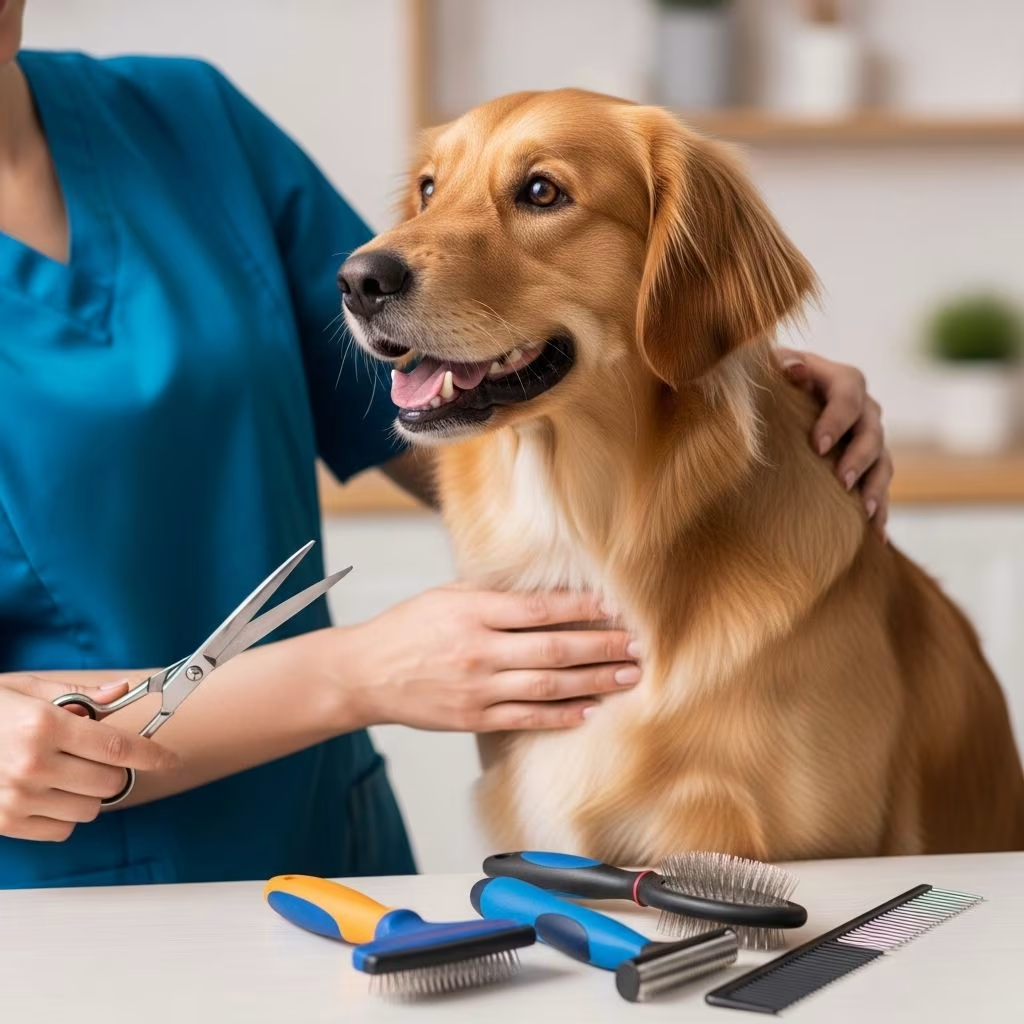
Dog Grooming Tips: How to Groom Your Pet at Home
Dog grooming is an essential aspect of canine care that extends far beyond maintaining your pet’s appearance. Regular grooming sessions offer numerous benefits for both you and your furry companion. When you take time to groom your dog at home, you’re not only helping to keep their coat healthy and their nails trimmed, but you’re also building a stronger relationship with your pup and practicing gentle leadership skills. One of the often-overlooked advantages of regular grooming is the opportunity to notice physical changes that might warrant medical attention, such as lumps, bumps, or areas of soreness. Many dogs, regardless of age, can be taught to enjoy grooming with patience and consistency. Whether you’re a beginner or someone looking to enhance your at-home grooming routine, understanding the fundamentals of proper canine care will set you on the path to success.
Getting Started: How to Groom a Dog at Home
Beginning the grooming process requires a gentle and thoughtful approach. Start by gently touching all of your dog’s body parts to familiarize them with your hands and to assess their comfort level. Pay close attention to any areas that seem sore or sensitive, and if you notice any concerning physical issues, schedule an appointment with your veterinarian for a professional checkup before proceeding.
If your dog seems uncomfortable with your touch initially, remember that animals learn positive associations through repetition and praise. You will need to be a kind and gentle leader while remaining firm in your intentions. The goal is to teach your dog to enjoy being groomed and to establish a regular grooming schedule, rather than only grooming them when they’re matted or particularly dirty.
If you’re uncertain about your grooming techniques or need hands-on guidance, consider accompanying your dog to a professional groomer for a learning session. Choose a groomer who demonstrates patience, gentleness, and kindness. Most professional groomers are enthusiastic about meeting pet owners who want to learn and work with their animals between professional grooming visits. This collaborative approach ensures your dog receives proper care while you develop confidence in your grooming skills.
Essential Dog Grooming Tips for Healthy Pets
Understanding the specific techniques for different grooming tasks will help you provide comprehensive care for your dog’s coat, nails, and oral health. Here are the key areas to focus on:
Brushing Your Dog
Brushing and combing should be incorporated into your routine daily or at least several times each week, regardless of your dog’s coat type. If you plan to bathe your pet, complete the brushing stage first. This practice serves multiple important functions for your dog’s health and comfort.
Regular brushing feels wonderful to most dogs while simultaneously removing dead hair and tangles. The process also distributes natural skin oils throughout the coat, promoting a healthy, shiny appearance. For dogs with thick coats, ensure you’re combing all the way down to the skin to reach any tangles or mats that might be hidden beneath the surface.
Approach brushing with gentleness and patience. Applying too much pressure on your dog’s skin can cause brush burn, an uncomfortable irritation. Similarly, if you hurry while pulling out tangles, you risk causing pain and discomfort. For stubborn knots, consider using a detangler product on dry hair to loosen knots before attempting to brush them out completely.
Bathing Your Dog
When bathing your dog, create a relaxing experience that your pet can look forward to. Warm water is preferable to hot water, and thoroughly wet your dog’s coat before applying shampoo. Give your pet a full body massage while lathering the shampoo, then rinse thoroughly. If desired, apply conditioner and comb through the coat before a final rinse—this step is particularly beneficial for long-haired dogs.
Pay special attention to drying your dog after bathing, especially on cold days. Young, old, or sick animals should always be dried completely to prevent chilling and potential health complications. Proper drying also helps prevent skin irritation and keeps your dog comfortable.
Trimming Your Dog’s Nails
Nail care is a crucial component of grooming that many pet owners find intimidating. Begin by picking up each foot and handling the nails gently to help your dog become accustomed to the sensation. Before making any cuts, hold the nail clippers near a nail and squeeze the clippers as though you’re clipping, without actually cutting. This desensitization process helps your dog adjust to the sound and feeling of the clippers. Once your dog is comfortable, proceed with careful clipping. Remember to trim the dewclaws as well, as these can become problematic if left too long.
The most critical aspect of nail trimming is identifying and avoiding the quick—the area where the blood supply ends in the nail. Cutting into the quick is painful and causes bleeding. If you accidentally cut into the quick, don’t panic. Cover the nail end with styptic powder and apply gentle pressure for approximately 30 seconds until bleeding stops.
Be patient and gentle with dogs who resist nail trimming. A gradual approach works best: trim one nail on each foot daily while offering praise and rewards. With consistency, you’ll soon have a relaxed, willing companion. Keeping nails properly trimmed protects your dog’s feet from complications caused by long nails that can become caught and break off, causing pain. Additionally, long nails can cause permanent damage to toes by bending them into unnatural positions.
Brushing Your Dog’s Teeth
Dental care is often overlooked but represents a vital component of comprehensive grooming and pet health. Using canine-specific toothpaste and a soft-bristled toothbrush, gently massage your dog’s gums and brush the teeth slowly. Make the brushing experience positive and pressure-free. If taught with patience and kindness, most animals actually enjoy the mouth massage sensation and the attention it provides.
The benefits of regular dental care are substantial. Your dog will develop and maintain a healthy mouth with fresh breath, and you’ll develop greater awareness of when your dog might need professional dental work before serious problems can develop. Establishing a routine dental care habit early prevents costly dental procedures down the road.
Building Positive Associations With Grooming
Creating a positive grooming experience is fundamental to long-term success. Dogs form associations between activities and outcomes through repetition and reinforcement. Always pair grooming activities with praise, treats, and positive interactions. Never force your dog into grooming situations if they show signs of distress, and always work at your dog’s pace rather than rushing through the process.
Consistency is key. Regular, shorter grooming sessions are more effective than infrequent, lengthy sessions. As your dog becomes comfortable with the routine, you can gradually extend the duration and intensity of grooming activities. Remember that every dog has a unique comfort level and learning timeline—what works for one dog may need modification for another.
Frequently Asked Questions About Home Dog Grooming
Q: At what age should I start grooming my dog?
A: You can start grooming your dog at any age, even puppies. Begin with gentle handling and short sessions to build positive associations early. Early exposure to grooming helps establish a lifetime of good grooming habits.
Q: How often should I groom my dog at home?
A: Brushing should occur daily or at least several times each week. Bathing frequency depends on your dog’s coat type and lifestyle, typically ranging from every 4-12 weeks. Nail trimming should happen every 3-4 weeks, and daily tooth brushing is ideal.
Q: What should I do if my dog resists grooming?
A: If your dog resists grooming, take a step back and approach more slowly. Use positive reinforcement, treats, and praise. Never force your dog into uncomfortable situations. Consider consulting with a professional groomer or veterinarian for additional guidance.
Q: What grooming supplies do I need to get started?
A: Essential supplies include a quality brush or comb suited to your dog’s coat type, nail clippers, canine toothpaste and toothbrush, shampoo formulated for dogs, and treats for positive reinforcement. Your veterinarian can recommend specific products for your dog’s needs.
Q: What if I accidentally cut my dog’s nail too short?
A: Apply styptic powder immediately to the cut nail to help stop bleeding. Gently apply pressure for about 30 seconds. If bleeding doesn’t stop or your dog seems in pain, contact your veterinarian. With practice, you’ll become more confident in identifying the appropriate cutting length.
Q: Is professional grooming necessary if I groom my dog at home?
A: While regular home grooming is beneficial, professional grooming every 4-8 weeks complements at-home care nicely. Professional groomers have specialized expertise and equipment for tasks like breed-specific styling or handling anxious dogs. The combination of home and professional grooming provides optimal care.
Key Takeaways for Successful Home Dog Grooming
Successful home dog grooming combines knowledge, patience, and a commitment to making the experience positive for your pet. Regular grooming strengthens your bond with your dog while promoting their health and well-being. By starting slowly, using positive reinforcement, and maintaining consistency, you can teach your dog to enjoy grooming sessions rather than fear them.
Remember that grooming serves multiple purposes beyond aesthetics. It provides opportunities to monitor your dog’s health, distribute natural oils for a healthy coat, maintain proper nail length, and establish good dental habits. With the tips and techniques outlined in this guide, you’re well-equipped to provide professional-quality grooming care in the comfort of your own home. Your dog will benefit from the regular attention, and you’ll develop deeper confidence in your ability to care for your beloved pet.
References
- Dog Grooming Tips: How to Groom Your Pet at Home — Best Friends Animal Society. 2024. https://bestfriends.org/pet-care-resources/dog-grooming-tips-how-groom-your-pet-home
- How to Help Dogs Tolerate Grooming and Vet Handling — Best Friends Animal Society. 2024. https://bestfriends.org/pet-care-resources/how-help-dogs-tolerate-grooming-and-vet-handling
- Tips for Grooming & Bathing Your Pet — Total Veterinary Care. 2024. https://www.totalveterinarycare.com/for-dog-lovers/tips-for-grooming-bathing-your-pet-2/



