

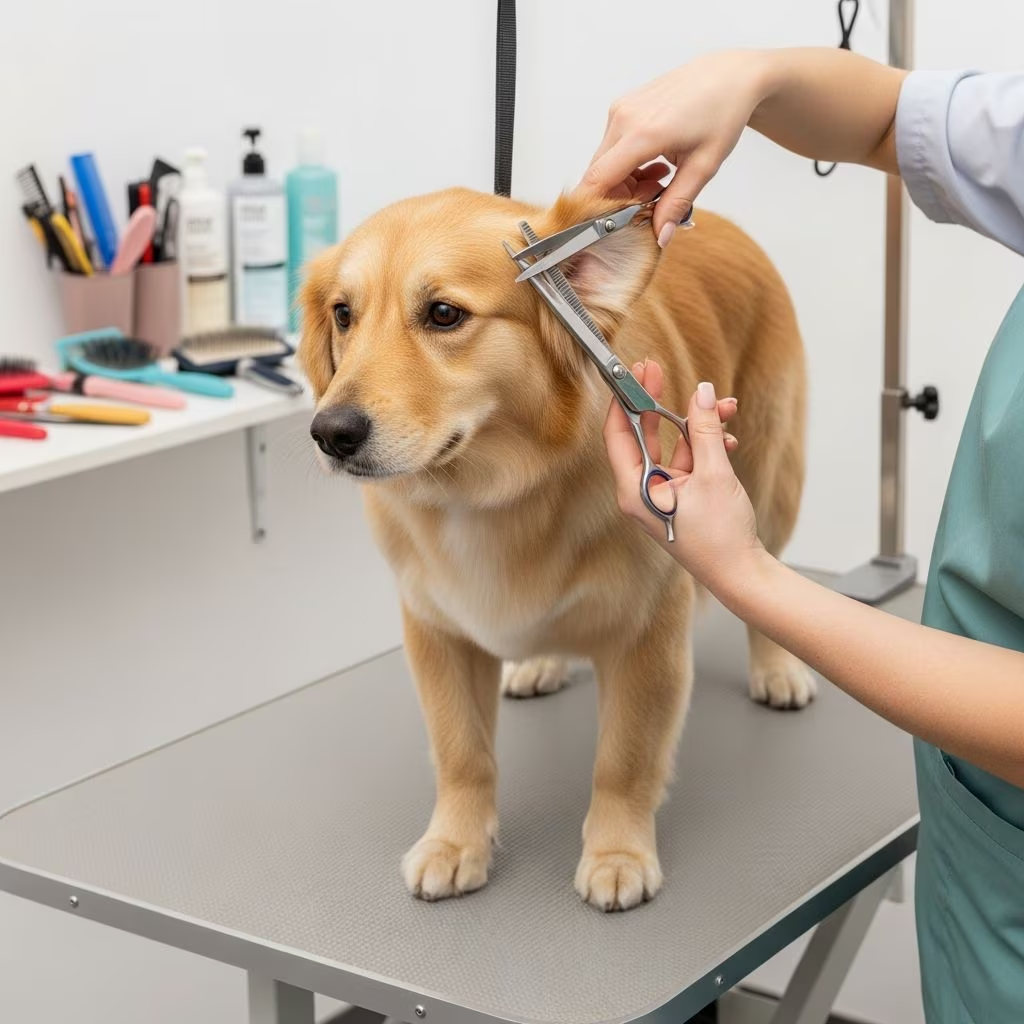
Regular grooming is essential for maintaining your dog’s health, comfort, and appearance. It helps remove dirt, distribute natural oils, prevent matting, and detect health issues early. This guide covers brushing, bathing, nail trimming, ear cleaning, paw care, and more, tailored to different coat types and needs.
The Importance of Regular Grooming
Grooming goes beyond aesthetics; it promotes skin health by preventing mats that trap moisture and lead to infections. Frequent brushing reduces shedding, spreads oils for a shiny coat, and allows you to check for fleas, ticks, lumps, or injuries. Dogs with skin folds, like Shar Peis or Pugs, require extra attention to avoid bacterial buildup. Establish a routine to make grooming stress-free for your pet.
Not grooming regularly can cause painful mats, hot spots, and exacerbated allergies. Professional groomers note that consistent home care saves time and money by minimizing dematting fees[10]. Aim for grooming sessions several times a week, depending on coat type.
Brushing
Brushing is the cornerstone of dog grooming. It removes loose fur, dirt, and debris while stimulating the skin. Choose tools based on coat type:
- Short, Dense Fur (e.g., Retrievers, Boxers): Brush weekly with a slicker brush to detangle, followed by a bristle brush for dead hair. Include the tail.
- Long, Silky Coats (e.g., Yorkshire Terriers): Daily brushing prevents tangles. Use a slicker brush first, then a bristle brush to distribute oils.
- Long Hair Prone to Matting (e.g., Collies, Afghan Hounds): Daily grooming with slicker brush, bristle brush, and comb. Trim foot hair for neatness.
Introduce brushing gradually to puppies by patting and stroking areas like chest, shoulders, and legs before lifting paws. Reward calm behavior. Brush in the direction of hair growth, working from head to tail. For deshedding, comb during rinsing to remove loose hair easily.
Bathing
Bathe your dog every 3 months or more frequently if outdoors often or has skin issues. Use lukewarm water and hypoallergenic shampoo to avoid irritation. Test shampoo on a small patch first.
Step-by-Step Bathing:
- Wet coat thoroughly from chest to tail, avoiding ears, eyes, and nose.
- Apply shampoo to chest, massage to shoulders, sides, back, legs, and tail. Gently clean belly if tolerated.
- Rinse completely to prevent residue causing itchiness.
- During rinsing, brush to deshed and demat.
- Towel-dry thoroughly, especially skin folds.
Establish a routine with the same spot and steps to reduce anxiety. For wrinkled breeds, clean folds with damp cotton and dry well to prevent infections.
Trimming Nails
Regular nail trims prevent slipping, pain, and joint issues. Trim every 3-4 weeks or when nails click on floors. Use dog-specific clippers or a grinder.
Safe Trimming Tips:
- Acclimate your dog by touching paws daily, rewarding tolerance.
- Clip small amounts, avoiding the quick (pink inner part). If dark nails, trim tiny bits frequently.
- If nervous, seek a vet or groomer initially.
Grind in short bursts for fearful dogs. Maintain tools by cleaning and sharpening.
Cleaning Ears
Ear care prevents infections, especially in floppy-eared breeds. Check weekly for redness, odor, wax, or debris.
Ear Cleaning Steps:
- Wipe visible dirt with cotton and ear solution (vet-recommended).
- Massage base gently; let shake out debris.
- Dry exterior thoroughly. Never insert anything deep.
Train tolerance by touching ears during handling sessions. Consult a vet for ongoing issues.
Grooming Paws
Paws endure daily wear. Inspect regularly for cracks, debris, or foreign objects like foxtails.
Paw Maintenance:
- Remove debris with tweezers.
- Trim hair between pads and toes to pad level to prevent matting.
- Moisturize dry pads with vet-approved product.
- Position dog at table edge for easy access.
Trim with skin taut, blade against skin, following hair growth. Clean after walks in rough terrain.
Preventing Problems
Grooming averts common issues:
- Mats and Tangles: Brush before bathing; cut out severe mats.
- Hot Spots: Keep coat short in summer, follow flea control, ensure exercise to reduce stress. Treatments include meds or diet changes.
- Skin Folds: Daily cleaning and drying.
Monitor for allergies; vet may suggest hypoallergenic food or meds.
Tools and Equipment
Invest in quality tools for safety and efficiency:
| Tool | Use | Tips |
|---|---|---|
| Slicker Brush | Detangling | For medium/long coats |
| Bristle Brush | Polishing, oil distribution | All coats |
| Comb | Finishing, mats | Long coats |
| Clippers/Scissors | Trims, paws | Sharpen regularly |
| Nail Clippers/Grinder | Nails | Dog-sized only |
Clean after each use; lubricate blades.
Frequently Asked Questions (FAQs)
How often should I groom my dog?
Depends on coat: short fur weekly, long daily. Bathe every 3 months.
What if my dog hates grooming?
Desensitize gradually with rewards, short sessions, and handling practice.
Can I groom at home or need a pro?
Home for basics; pros for complex cuts or difficult dogs.
How to prevent mats?
Daily brushing, pre-bath combing.
What causes hot spots?
Matting, fleas, allergies, moisture. Regular grooming helps.
References
- 12 Professional Dog Grooming Tips — Central California SPCA. 2023. https://ccspca.com/blog-spca/professional-dog-grooming-tips/
- Guide To Dog Cleaning And Grooming — RSPCA Pet Insurance. 2024. https://www.rspcapetinsurance.org.au/pet-care/dog-care/dog-grooming-guide
- How to Groom a Dog — ASPCA Pet Health Insurance. 2025-01-10. https://www.aspcapetinsurance.com/resources/how-to-groom-your-dog/
- Dog Grooming Tips — ASPCA. 2024. https://www.aspca.org/pet-care/dog-care/dog-grooming-tips
- At-Home Pet Grooming: Top Tips and Recommendations — ASPCA. 2023-06-15. https://www.aspca.org/news/home-pet-grooming-top-tips-and-recommendations
- How to groom your pet at home — Merck Animal Health USA. 2024. https://www.merck-animal-health-usa.com/pet-owners/lifestyle/grooming/how-to-groom-your-pet-at-home/



