

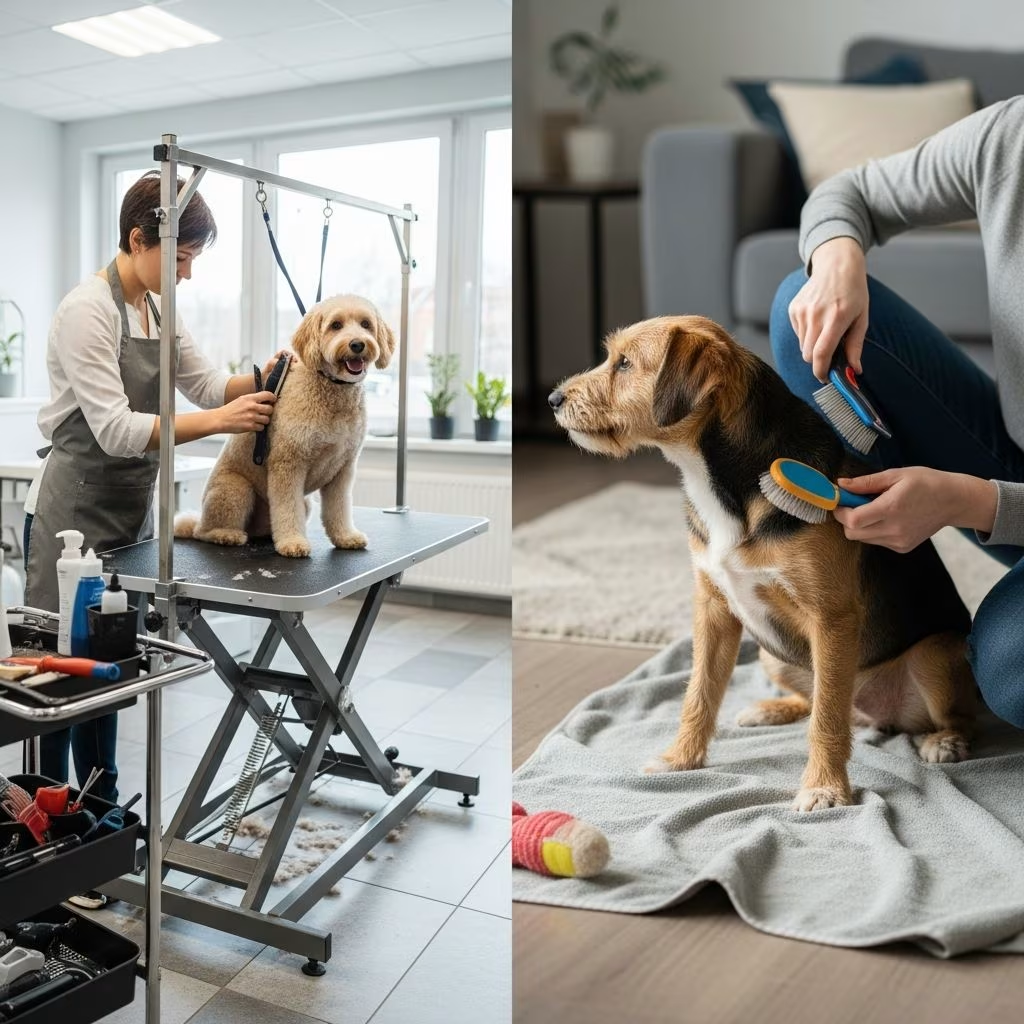
Dog grooming extends far beyond maintaining an attractive appearance. It plays a vital role in your canine companion’s overall health, comfort, and well-being. Regular grooming helps prevent skin infections, matting, nail overgrowth, and ear problems while strengthening the bond between you and your pet. Understanding the various grooming options available allows you to make informed decisions about which approach best suits your dog’s individual needs, your lifestyle, and your budget.
Understanding the Spectrum of Grooming Services
Grooming encompasses a wide range of care practices designed to maintain your dog’s physical health and hygiene. These services typically include bathing with appropriate shampoos, thorough drying, haircut styling tailored to breed or preference, nail trimming and filing, ear cleaning and maintenance, and specialized treatments like anal gland expression and teeth brushing. When you choose to groom your dog—whether professionally or at home—you’re engaging in essential preventive care that contributes significantly to your pet’s quality of life.
The scope of grooming varies considerably depending on your dog’s breed, coat type, age, and individual requirements. Some dogs require minimal maintenance, while others demand frequent attention to prevent serious health complications.
The Professional Grooming Advantage
Professional groomers bring expertise, specialized equipment, and experience to the grooming process. When you entrust your dog to a professional groomer, you’re accessing comprehensive care delivered by someone trained in breed-specific styling and handling techniques. Professional facilities typically offer full bath and blow-dry services, breed-specific haircuts and styling, expert nail trimming and filing, thorough ear cleaning with plucking when necessary, anal gland expression, dental care, and advanced de-shedding treatments.
Professional groomers understand how to work with different coat types safely and effectively. They recognize when a dog’s skin or coat requires special attention and can recommend appropriate products or additional treatments. For owners with limited time, mobility issues, or dogs with particularly challenging coats, professional grooming becomes not just convenient but necessary.
Additionally, professional groomers provide specialized services for dogs at different life stages. They understand how to handle puppies gently, building positive associations with grooming that will benefit the dog throughout its life. For senior dogs, groomers adjust their techniques to accommodate arthritis, sensitive skin, and other age-related concerns.
At-Home Grooming: Taking Control of Your Dog’s Care
At-home grooming empowers pet owners to take active responsibility for their dog’s maintenance between professional visits or as a complete grooming solution. While professional services handle complex tasks, consistent home care maintains coat quality, prevents matting, and strengthens your relationship with your pet through regular handling and positive interaction.
Establishing a daily brushing routine forms the foundation of effective at-home grooming. This practice should occur when your dog is calm—perhaps before bedtime—using tools appropriate for their specific coat type. Daily brushing removes loose hair, distributes natural oils, prevents tangles and mats, and provides an opportunity to check for unusual lumps, bumps, or skin abnormalities. Making this experience enjoyable through treats and praise encourages your dog to view grooming positively.
Beyond daily brushing, at-home grooming can include regular bathing, nail trimming, ear cleaning, and even basic haircuts for some owners. However, certain tasks—particularly complex styling, hand-stripping, and anal gland expression—may require professional expertise or specialized training.
Selecting the Right Tools for Home Grooming
Investing in quality grooming tools dramatically improves your at-home results. Different coat types require specific equipment to ensure effectiveness and comfort:
- Slicker brushes: Ideal for long-haired breeds, effectively removing tangles and mats while working through the entire coat
- Bristle brushes: Suitable for short-haired dogs, these brushes distribute natural oils and remove loose hair without causing discomfort
- Undercoat rakes: Essential for double-coated breeds, these specialized tools remove loose undercoat efficiently and prevent matting
- Wide-toothed combs: Useful for detangling problem areas and providing finishing touches after brushing
- Nail clippers: High-quality clippers designed for dogs prevent splitting and discomfort
- Stainless steel scissors: For owners interested in precise trimming around the face, ears, and paws, durable stainless steel scissors provide control and longevity
Selecting brushes and combs that match your dog’s coat type ensures thorough grooming and a comfortable experience for your pet.
Coat-Specific Grooming Requirements
Different coat types require distinctly different grooming approaches. Understanding your dog’s specific coat category helps you develop an effective maintenance routine.
Long-Haired Breeds
Long-haired dogs such as Shih Tzus, Yorkshire Terriers, and Afghan Hounds require daily brushing to prevent their hair from tangling or matting. Using a slicker brush removes loose hair while a comb helps detangle problem areas. These breeds benefit from leave-in conditioners that reduce tangles and make brushing easier. Regular haircuts maintain manageable coat length, and professional grooming is often necessary to preserve breed-specific styling. Without consistent attention, long-haired breeds can develop painful mats that trap moisture and create conditions for skin infections.
Short-Haired Breeds
Short-haired breeds like Labrador Retrievers, Beagles, and Dalmatians have dense, sleek coats that shed regularly. These dogs require weekly brushing with a bristle or rubber brush to remove loose hair and distribute natural oils, keeping their coat shiny. While they need less frequent bathing than long-haired breeds, they still benefit from regular nail trims, ear checks, and occasional baths. Rubber grooming mitts effectively remove loose hair from short-haired dogs while being gentle on their skin.
Wire-Haired Breeds
Wire-haired breeds such as Irish Terriers and Wirehaired Pointing Griffons have coarse, dense coats requiring specialized care. Traditional hand-stripping—where loose, dead hair is plucked rather than cut—maintains proper texture and color. While clipping is possible, it can soften and lighten the coat over time. These breeds require regular brushing with a slicker brush to prevent matting.
Curly-Coated Breeds
Curly-coated breeds like Poodles and Bichon Frises are often low-shedding but require regular grooming to prevent their curls from matting. Daily brushing with a slicker brush followed by combing to detangle is essential. These breeds need regular haircuts, with frequency and style often depending on owner preference. The popular poodle cut—which involves cutting hair short on the body while allowing more length around the neck and head—works particularly well for curly-coated dogs, though it requires consistent upkeep to prevent tangles.
Life Stage Considerations in Grooming
Your dog’s grooming needs change throughout different life stages, requiring adjustments to your care approach.
Puppy Grooming
Puppies should be introduced to grooming gradually to build positive associations with handling and maintenance. Using gentle, puppy-specific products protects their sensitive skin. Early grooming focuses on socialization and handling, preparing puppies for a lifetime of comfortable grooming experiences. This foundational period is crucial for establishing grooming as a normal, positive part of your dog’s routine.
Senior Dog Grooming
Senior dogs may have sensitive skin, joint issues, and other age-related concerns requiring adjusted grooming techniques. Softer brushes, frequent breaks, and extra patience become necessary. Older dogs often need increased attention to dental care and nail trimming, as these areas frequently develop problems with age. Tailoring your grooming approach to your senior dog’s comfort level ensures they continue receiving necessary care without experiencing pain or stress.
Hypoallergenic Breeds and Special Grooming Needs
Hypoallergenic breeds require specific grooming protocols to maintain their low-shedding coats effectively. Regular brushing removes loose hair and distributes natural oils, while professional grooming every 6-8 weeks maintains coat texture. Special attention to ear cleaning is important, as many hypoallergenic breeds experience hair growth in their ear canals. Using appropriate shampoos maintains coat quality and reduces allergens. While no dog is truly 100% hypoallergenic, proper grooming minimizes allergens in these breeds.
Breed-Specific Styling Options
Different breeds benefit from distinct styling approaches that consider both functional health needs and aesthetic preferences.
| Breed/Type | Functional Style | Styling Option |
|---|---|---|
| Golden Retriever | Regular brushing to avoid tangles, trimming around paws and ears | Feathering trims for a polished, healthy appearance |
| Labrador Retriever | Regular brushing during seasonal shedding | Short, neat trims for a polished, low-maintenance look |
| Poodle | Regular brushing and trimming for cleanliness | Poodle cut with fluffy areas around legs and chest |
| Siberian Husky | Regular brushing during seasonal changes | Light trimming around paws while maintaining natural appearance |
| Beagle | Regular brushing and ear trimming | Simple, short trim that looks natural |
| Maltese | Frequent brushing to prevent tangles | Puppy cut for easy maintenance and cute appearance |
Establishing Your Grooming Strategy
The ideal grooming approach often combines professional services with consistent at-home care. Professional groomers handle complex styling, deep conditioning treatments, and specialized services, while daily home maintenance keeps your dog comfortable between appointments. This hybrid approach ensures your dog receives expert care while allowing you to participate actively in their well-being.
When establishing your grooming routine, consider your dog’s breed, coat type, age, lifestyle, and your own capabilities. Some owners excel at maintaining their dog’s coat between professional visits, while others prefer leaving all grooming to professionals. Both approaches are valid; the key is ensuring your dog receives consistent, appropriate care.
Key Takeaways for Dog Owners
- Grooming includes bathing, shampooing, blow drying, haircuts, nail trimming, and anal gland expression
- Professional groomers offer comprehensive services including breed-specific cuts and specialized treatments
- Daily brushing forms the foundation of effective home grooming routines
- Different coat types require specific tools and techniques for optimal results
- Grooming needs change throughout your dog’s life stages, from puppies to seniors
- Hypoallergenic breeds require specific protocols to maintain their low-shedding qualities
- Many breeds benefit from breed-specific styling that combines function with aesthetics
Frequently Asked Questions About Dog Grooming
How often should I brush my dog at home?
Long-haired breeds require daily brushing to prevent matting, while short-haired breeds typically need weekly brushing. The frequency depends on your dog’s coat type and shedding patterns.
Can I groom my dog completely at home?
For some dogs with simple coat requirements, complete at-home grooming is feasible. However, many breeds benefit from professional styling expertise, particularly for complex haircuts and hand-stripping techniques.
What tools do I absolutely need for home grooming?
Essential tools include a brush appropriate for your dog’s coat type, a comb for detangling, nail clippers, and potentially scissors for basic trimming. Professional-grade tools make the process easier and more effective.
How can I introduce my puppy to grooming?
Introduce grooming gradually using gentle, puppy-specific products. Make the experience positive through treats and praise, building associations that encourage lifelong comfort with grooming.
Are there special grooming considerations for senior dogs?
Yes, senior dogs may have sensitive skin, joint issues, and other age-related concerns requiring gentler techniques, softer brushes, and frequent breaks.
References
- Dog Grooming Styles Guide: Your Complete Handbook — Sploot. 2024. https://sploot.space/resources/dog-grooming-styles-guide
- How to Groom a Dog? A Comprehensive Guide to Pet Grooming — Breed of Very Happy. 2024. https://bovh.com/pet-grooming-in-elk-river-mn/how-to-groom-a-dog-a-comprehensive-guide-to-pet-grooming/
- Proper Grooming for Various Dog Breeds – A Comprehensive Guide — Gingrapp. 2024. https://www.gingrapp.com/blog/proper-grooming-for-various-dog-breeds-a-comprehensive-guide
- Complete Guide to Dog Grooming: Tips for Perfect Pet Care — The Spotted Dog. 2024. https://spotteddognj.com/complete-guide-to-dog-grooming-tips-for-perfect-pet-care/
- The Ultimate Dog Grooming Style Guide — Uproot Clean. 2024. https://uprootclean.com/blogs/cleanspace/dog-grooming-styles-guide
- Dog Haircuts: A Dog Grooming Styles Guide — Purina. 2024. https://www.purina.com/articles/dog/health/routine-care/dog-haircut-grooming-styles-guide
- What Are My Options: Grooming — PetPlace.com. https://www.petplace.com/article/dogs/pet-care/what-are-my-options-grooming



