

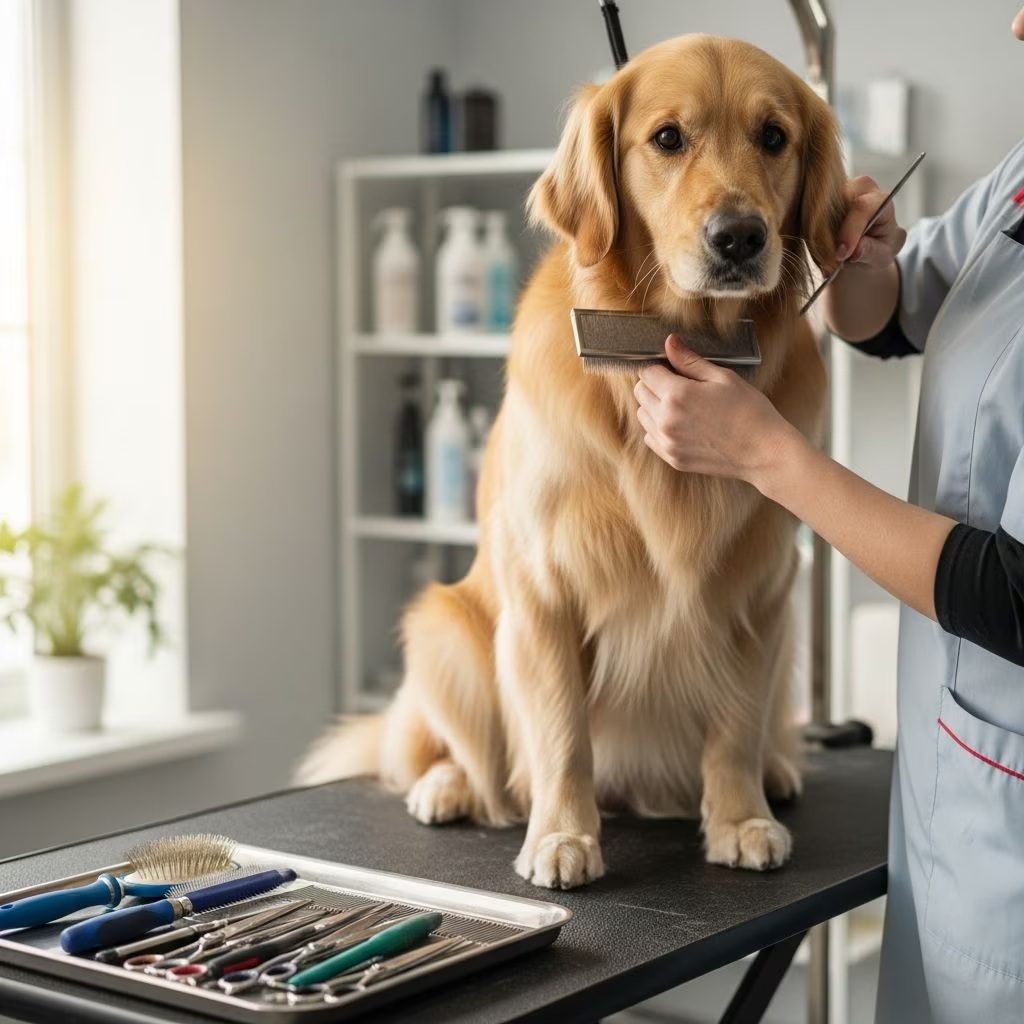
Regular grooming keeps your dog’s coat healthy, reduces shedding, prevents skin issues, and strengthens your bond. This guide covers essential techniques for all breeds and life stages, from daily brushing to professional services.
Why Groom Your Dog?
Grooming removes dirt, distributes natural oils for a shiny coat, and detects health issues early like lumps or infections. It also minimizes shedding and keeps your home cleaner. The ASPCA emphasizes that brushing spreads oils throughout the coat while removing debris. For dogs with wrinkles, like Shar Peis, cleaning folds prevents bacterial infections.
Grooming Tools You’ll Need
Essential tools vary by coat type but include:
- Slicker brush: For long or curly coats to remove tangles.
- Bristle brush: Ideal for short-haired breeds to distribute oils.
- Wide-toothed comb: Detangles mats gently.
- Nail clippers: Guillotine or scissor-style for safe trimming.
- Dog-specific shampoo and conditioner: pH-balanced to avoid skin irritation.
- Ear cleaner and cotton balls: For gentle cleaning.
- Toothbrush and enzymatic toothpaste: For dental health.
- Blow dryer or towels: Low-heat for drying.
Choose tools based on coat: rubber mitts for short hair, pin brushes for dense undercoats.
How Often Should You Groom Your Dog?
Frequency depends on breed, coat, and lifestyle:
- Short-haired breeds (e.g., Labs, Beagles): Brush weekly, bathe monthly.
- Long-haired breeds (e.g., Yorkies, Collies): Brush daily, professional groom every 4-6 weeks.
- Nails: Trim every 3-4 weeks or when clicking on floors.
- Ears and teeth: Check weekly.
- Baths: Every 4-6 weeks; more for active or oily dogs, less to preserve oils.
Over-bathing strips oils, causing dry skin. Puppies and seniors need gentler, more frequent checks.
Brushing Your Dog’s Coat
Brushing is the foundation of grooming. Start with a thorough pre-bath brush to remove loose hair and mats.
- Choose the right brush for coat type: slicker for tangles, bristle for shine.
- Brush in the direction of hair growth, from head to tail.
- Focus on prone areas: behind ears, under legs, armpits, and tail base.
- Use detangling spray on mats; work gently with fingers or comb.
- Finish with a finer tool for smoothness.
Daily for long coats prevents matting; weekly for short. It distributes oils, reduces shedding, and checks for skin issues.
Bathing Your Dog
Bathe after brushing to avoid matting. Use lukewarm water and dog shampoo.
- Wet coat thoroughly, avoiding ears/eyes.
- Apply shampoo from neck down, massaging into skin.
- Rinse completely to prevent irritation.
- Conditioner for long coats; rinse well.
- Towel dry, then low-heat blow dry, keeping moving.
Dogs with wrinkles need fold cleaning post-bath. Frequency: lifestyle-dependent, but not too often.
Nail Trimming
Overgrown nails cause pain and joint issues. Trim every 3-4 weeks.
- Acclimate paws with massages and treats.
- Identify the quick (pink part); trim small bits.
- Use styptic powder if bleeding.
- Check dewclaws and trim pads if cracked; apply balm.
Walks on pavement file naturally, but regular trims are essential.
Ear Cleaning
Prevent infections by cleaning weekly, especially in floppy-eared breeds.
- Check for redness, odor, or wax buildup.
- Use vet-approved solution on cotton ball; wipe outer ear.
- Never insert deep; dry thoroughly.
- Pluck hair if needed for airflow (pro help recommended).
Early detection avoids costly vet visits.
Teeth Brushing
Dental care prevents plaque and gum disease. Brush 2-3 times weekly with dog toothpaste.
- Use finger brush or dog toothbrush.
- Focus on outer surfaces; use enzymatic paste.
- Combine with dental chews or professional cleanings.
Bad breath signals issues; check gums for health.
Anal Gland Expression
If your dog scoots, glands may need expression. Pros handle this; at home, gently massage and express externally. Consult a vet first.
Coat Types and Grooming Differences
Tailor routines to coat:
| Coat Type | Brushing Frequency | Bathing | Tools |
|---|---|---|---|
| Short-haired (Labs, Dalmatians) | Weekly | Monthly | Bristle brush, rubber mitt |
| Long-haired (Yorkies, Collies) | Daily | Every 4 weeks | Slicker, comb, conditioner |
| Wire/Woolly (Schnauzers, Poodles) | Every 2-3 days | As needed | Stripper tool, clippers |
Short coats shed more but need less brushing; long coats mat easily.
Grooming Puppies and Seniors
Puppies
- Introduce gradually with play and treats.
- Use puppy products; short sessions.
- Build lifelong habits.
Seniors
- Gentle tools; frequent breaks for arthritis.
- Extra nail/dental focus; monitor skin sensitivity.
Professional Grooming Services
Pros offer full packages: baths, cuts, nails, ears, glands, de-shedding, teeth. Ideal for complex coats; visit every 4-8 weeks.
Daily and Quick Touch-Up Routines
Daily: Quick brush when calm; check skin.
- Spot clean with wipes.
- Wipe paws post-walk.
- Trim face fur; mist conditioner.
Keeps dogs fresh between grooms.
Frequently Asked Questions
What are the 7 steps of grooming a dog?
Brush coat, trim hair/nails, check skin/ears, teach enjoyment, bathe sparingly, clean teeth, express glands if needed.
How often should I bathe my dog?
Every 4-6 weeks; more for dirty dogs, less for dry coats.
Can I groom my dog at home?
Yes, with proper tools and patience; pros for advanced needs.
Why does my dog hate grooming?
Build positive associations gradually with treats.
What’s the difference in grooming short vs. long-haired dogs?
Short: weekly simple brush; long: daily to prevent mats.
References
- How to Groom a Dog? A Comprehensive Guide to Pet Grooming — Bovh.com. 2023. https://bovh.com/pet-grooming-in-elk-river-mn/how-to-groom-a-dog-a-comprehensive-guide-to-pet-grooming/
- Complete Guide to Dog Grooming: Tips for Perfect Pet Care — Spotted Dog NJ. 2023. https://spotteddognj.com/complete-guide-to-dog-grooming-tips-for-perfect-pet-care/
- Proper Grooming for Various Dog Breeds – A Comprehensive Guide — Gingrapp.com. 2024. https://www.gingrapp.com/blog/proper-grooming-for-various-dog-breeds-a-comprehensive-guide
- Dog Grooming For Dummies Cheat Sheet — Dummies.com. 2023. https://www.dummies.com/article/home-auto-hobbies/pets/dogs/health-grooming/dog-grooming-for-dummies-cheat-sheet-207943/
- Dog Grooming Tips — ASPCA.org. 2024-01-14. https://www.aspca.org/pet-care/dog-care/dog-grooming-tips
- Dog Grooming and Style Guide — HoundsLounge.com. 2023. https://www.houndslounge.com/blog/dog-grooming-and-style-guide/



