

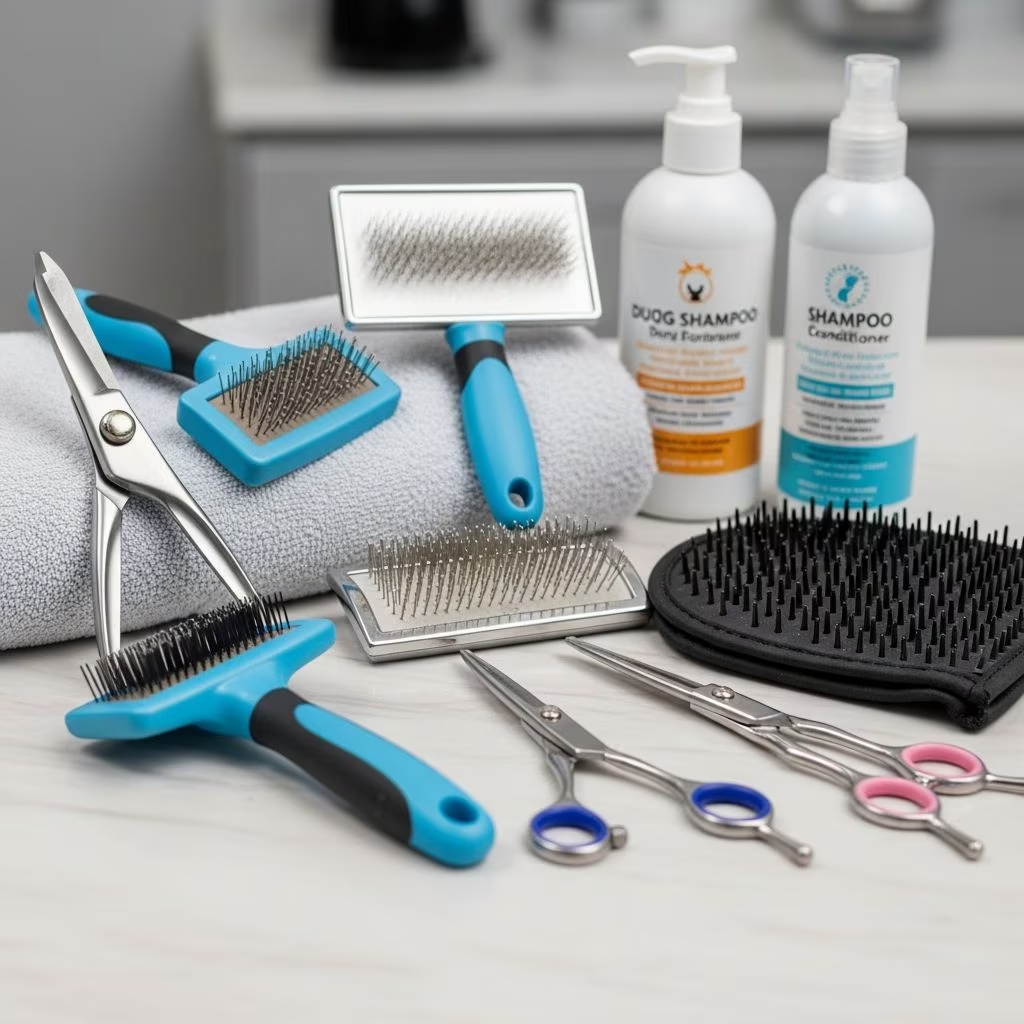
Regular grooming keeps dogs healthy, comfortable, and looking their best. It involves brushing to remove loose fur, bathing to clean the coat, trimming nails, cleaning ears, maintaining teeth, and caring for grooming tools. These practices prevent issues like matting, infections, and discomfort while strengthening the bond with your pet.
Why Grooming Matters for Your Dog’s Health
Grooming goes beyond aesthetics; it supports overall well-being. Brushing distributes natural oils for a shiny coat and stimulates skin circulation. Bathing removes dirt and parasites, while nail care prevents pain from overgrown claws. Ear cleaning avoids infections, dental hygiene wards off gum disease, and tool maintenance ensures safe, effective sessions. Consistent routines reduce shedding and detect health problems early.
Selecting the Right Grooming Tools
Choose tools based on coat type: slicker brushes for curly fur, pin brushes for long coats, bristle brushes for short hair. Essential items include dog-specific shampoo, nail clippers or grinders, ear solution, dental kits, clippers, and towels. Consult a vet or groomer for breed-specific recommendations to avoid skin irritation or injury.
Mastering the Brushing Routine
Brushing is the foundation of grooming. Perform it several times weekly, or daily for long-haired breeds, to remove dirt, prevent mats, and promote oil distribution. Start from the head, working back with gentle strokes to the skin. Check for fleas, burrs, or skin issues during sessions.
- Slicker brushes: Ideal for detangling medium to long coats.
- Pin brushes: Best for thick, long fur like Collies.
- Bristle brushes: Suited for short, smooth coats.
- Rakes: Remove undercoat in heavy shedders.
For silky coats like Yorkshire Terriers, use a slicker followed by a bristle brush daily. Trim excess paw hair to prevent matting.
Effective Bathing Techniques
Bathe dogs every 4-6 weeks or as needed, using lukewarm water and dog shampoo to preserve oils. Wet thoroughly from neck back, lather, rinse completely, and condition if desired. Dry with towels and a low-heat dryer, avoiding ears, eyes, and nose.
| Coat Type | Bath Frequency | Shampoo Tip |
|---|---|---|
| Short/Smooth | Monthly | Mild, moisturizing |
| Long/Silky | Every 3 weeks | Detangling formula |
| Curly/Wiry | Bi-weekly | Hypoallergenic |
Insert cotton in ears and mineral oil in eyes pre-bath. Wipe paws post-outdoor play with a damp towel for spot cleans.
Safe Nail Trimming Practices
Trim nails every 3-4 weeks to avoid splitting or skeletal issues. Use clippers for small nails or grinders for safety. Cut small amounts, avoiding the quick—the pink inner part. Apply styptic powder if bleeding occurs.
- Dark nails: Clip tiny bits, listen for the hollow sound.
- Grinders: Safer for anxious dogs, use in short bursts.
- Paw pads: Check for cracks; trim hair between toes evenly.
Start young to build tolerance; reward calm behavior.
Preventing Ear Infections Through Cleaning
Floppy-eared breeds need weekly cleaning to prevent yeast or bacterial buildup. Use vet-approved solution on cotton balls, wiping outer canal without deep insertion. Dry thoroughly.
Signs of issues: odor, redness, discharge. Consult a vet if persistent.
Dental Hygiene for Long-Term Health
Brush teeth 2-3 times weekly with dog toothpaste and a finger brush or dual-sided toothbrush. Focus on outer surfaces; dental chews supplement. Annual vet cleanings address plaque below the gumline.
- Tools: Enzymatic toothpaste (poultry flavor), soft brushes.
- Tips: Introduce gradually; aim for back molars.
Poor dental health links to heart and kidney issues; prevention is key.
Hair Trimming and Styling Basics
For fast-growing coats, trim face, feet, and sanitary areas monthly. Use sharp clippers or shears; start with guards for length. Professional help suits intricate breed cuts.
Maintaining Your Grooming Equipment
Clean tools after each use: brushes with soapy water, clippers oiled per manual. Sharpen blades quarterly via pros. Store dry to prevent rust. Quarterly overhauls extend life, especially for frequent groomers.
Building a Grooming Schedule
Tailor routines by breed and lifestyle:
- Puppies: Short sessions, positive reinforcement.
- Seniors: Gentle tools, arthritis-friendly setups.
- Active dogs: Frequent paw/ear checks.
Weekly: Brush, wipe paws. Monthly: Bath, nails, trim.
Common Grooming Mistakes to Avoid
Overbathing dries skin; human products irritate. Cutting the quick causes pain; dull tools tug fur. Neglect drying leads to chills or mats.
FAQs
How often should I groom my dog?
Depends on coat: short-haired weekly brushing; long-haired daily. Bath monthly.
Can I use human shampoo on my dog?
No, it disrupts pH balance, causing dryness or allergies. Use dog-specific only.
What if my dog hates nail trimming?
Desensitize with touch rewards; use grinders; seek pro help initially.
Is professional grooming necessary?
Basics at home suffice; pros for complex styles or health checks.
How do I know if my dog’s ears need cleaning?
Look for odor, wax buildup, scratching. Clean weekly preventively.
References
- Dog Grooming Tips — ASPCA. 2023. https://www.aspca.org/pet-care/dog-care/dog-grooming-tips
- How to Groom a Dog at Home — American Kennel Club. 2024-01-15. https://www.akc.org/expert-advice/health/how-to-groom-a-dog/
- Pet Grooming Maintenance Guide — Best Friends Pet Care. 2022-12. https://bestfriendspetcare.com/wp-content/uploads/2022/12/PetGroomingMaintenanceGuide_BFPC-1.pdf
- Dog Grooming 101: Essential Steps and Tools — Revelation Pets. 2023. https://www.revelationpets.com/blog/dog-grooming-101-essential-steps-and-tools
- Dog Grooming 101: Essential Steps and Tools — Gingr. 2024. https://www.gingrapp.com/blog/dog-grooming-101-essential-steps-and-tools



