

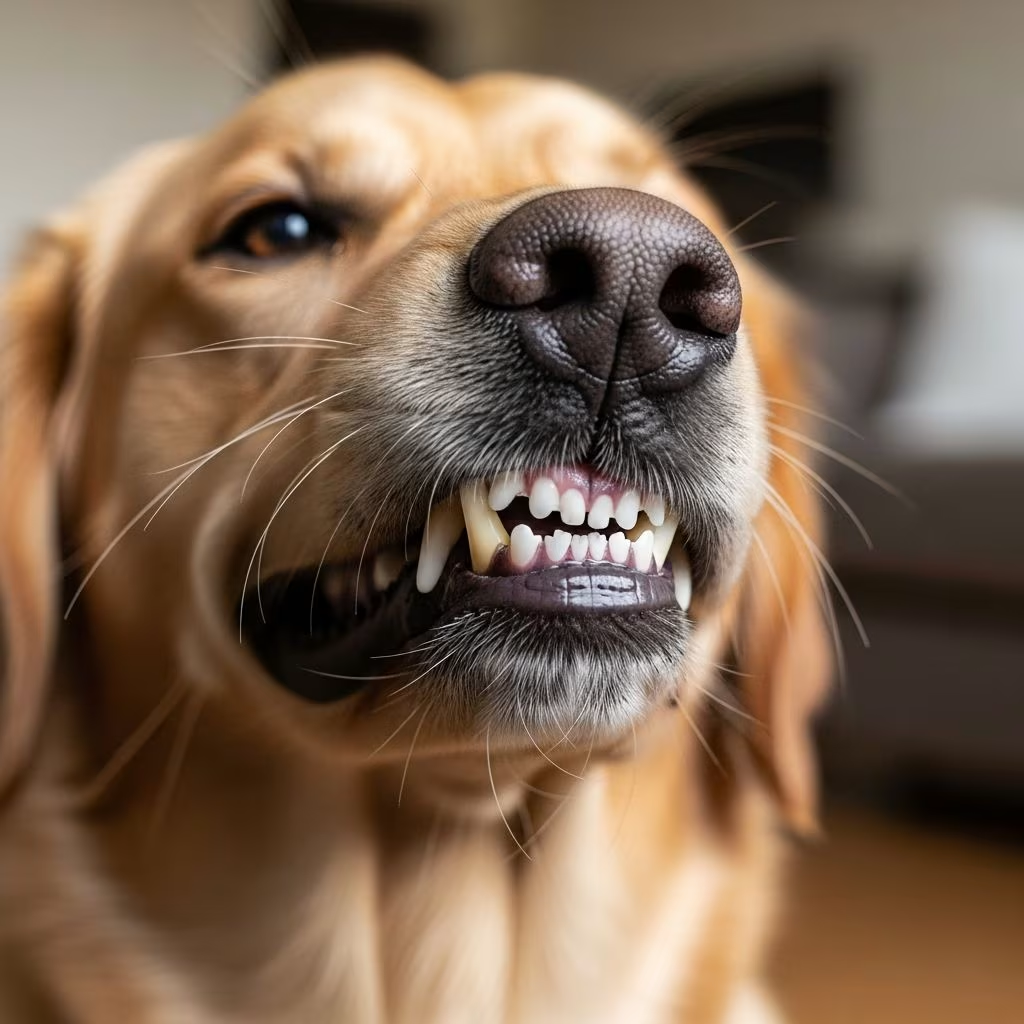
Dog grinding teeth, known as bruxism, involves the upper and lower teeth rubbing side-to-side rather than up-and-down, leading to wear on enamel and stress on the temporomandibular joint (TMJ).
This behavior often signals underlying health problems, from oral pain to gastrointestinal discomfort or stress. Persistent grinding can cause severe dental damage, infections, and pain, making prompt veterinary attention essential.
What Is Dog Teeth Grinding (Bruxism)?
Bruxism in dogs is the repetitive grinding or clenching of teeth, distinct from normal chewing. It produces audible clicking or scraping sounds and occurs during wakefulness or sleep.
The TMJ, connecting the jaw to the skull, bears excessive force from this motion, potentially leading to arthritis, pain, and restricted jaw movement.
Unlike humans, where bruxism often links to stress, in dogs it’s predominantly tied to pain or malocclusion, though anxiety contributes in some cases.
Why Is My Dog Grinding Its Teeth?
Dogs grind teeth due to various causes, primarily pain-related. Identifying the root issue requires veterinary evaluation.
Oral and Dental Problems
- Periodontal disease: Inflamed gums and tartar buildup cause discomfort, prompting grinding.
- Fractured or abscessed teeth: Broken teeth or root infections lead to pain-induced bruxism.
- Malocclusion: Misaligned jaws or teeth (common in breeds like Shih Tzus) prevent proper bite closure.
- Oral injuries or ulcers: Wounds from trauma or masses irritate tissues.
- Tumors or growths: Oral masses cause chronic irritation.
Gastrointestinal Issues
Abdominal pain from gastric ulcers, nausea, or foreign bodies often manifests as teeth grinding, as dogs redirect focus from gut discomfort.
Symptoms may include drooling, vomiting, or appetite loss alongside bruxism.
Anxiety and Stress
Though less common, stress from changes in routine, environment, or fear can trigger grinding, especially during sleep.
Advanced neurological issues, like forebrain lesions, rarely present with awake bruxism and other deficits.
Puppy Teething
Puppies may grind during teething, but prolonged cases warrant checking for issues.
Symptoms of Teeth Grinding in Dogs
Beyond the grinding sound, watch for:
- Excessive drooling or pawing at the mouth.
- Difficulty eating or dropping food.
- Swollen or bleeding gums, bad breath.
- Jaw swelling, reluctance to chew toys.
- Behavioral changes like whining or lethargy.
Early detection prevents complications like enamel loss or TMJ disorders.
Dangers and Complications of Untreated Bruxism
Chronic grinding erodes enamel (attrition), exposes sensitive dentin, and invites infections.
| Complication | Description | Risks |
|---|---|---|
| Tooth Fractures | Wear weakens structure | Pulp exposure, abscesses |
| Gingival Recession | Gums pull away from teeth | Infection, tooth loss |
| TMJ Arthritis | Joint inflammation | Pain, limited jaw motion |
| Ulcers and Cavities | Cracks trap food | Chronic pain, decay |
These escalate underlying problems, creating a pain cycle.
How Is Dog Teeth Grinding Diagnosed?
Vets start with a physical exam, focusing on oral health. A Comprehensive Oral Health Assessment and Treatment (COHAT) under anesthesia includes:
- Full-mouth radiographs to detect hidden abscesses or fractures.
- Probing for periodontal pockets and ulcers.
- Gastrointestinal workup (ultrasound, endoscopy) if oral causes are ruled out.
- Neurological evaluation for rare brain-related cases.
Trial pain relief may confirm pain as the trigger.
Treatments for Dog Teeth Grinding
Treatment targets the cause:
Dental Treatments
- Extractions or root canals for damaged teeth.
- Orthodontics for malocclusion.
- Professional cleanings for periodontal disease.
Gastrointestinal Management
- Antacids, anti-nausea drugs, or surgery for ulcers.
- Dietary changes for GI discomfort.
Anxiety Solutions
- Behavior modification, desensitization.
- Adaptil pheromones or CBD oil (vet-approved).
- Anti-anxiety medications if severe.
Supportive care includes soft diets and pain meds during recovery.
How to Stop Dog Teeth Grinding at Home
While awaiting vet care:
- Provide soft foods or soaked kibble.
- Offer frozen chew toys for relief.
- Reduce stress with calm environments, exercise.
- Avoid hard toys that worsen wear.
- Monitor and note patterns for the vet.
Never ignore persistent grinding; it won’t resolve without intervention.
When to See a Vet for Dog Teeth Grinding
Consult immediately if:
- Grinding lasts over a week.
- Accompanied by eating issues, swelling, or distress.
- Sudden onset in adults.
Early action prevents irreversible damage.
Prevention Tips for Healthy Dog Teeth
- Daily brushing with dog-safe toothpaste.
- Regular vet dental checkups (yearly).
- Dental chews and toys.
- Balanced diet low in sugars.
- Manage stress proactively.
Frequently Asked Questions (FAQs)
Is dog teeth grinding normal?
No, it’s usually a sign of pain or discomfort. Puppies teethe briefly, but adults need evaluation.
Can anxiety cause dog bruxism?
Yes, stress contributes, but pain is more common. Behaviorists help.
Does teeth grinding hurt dogs?
It indicates pain and causes more via wear and TMJ stress.
How much does dog dental treatment cost?
Varies; cleanings $300-800, extractions higher. Pet insurance helps.
Can I treat dog teeth grinding myself?
No, professional diagnosis is crucial to avoid worsening issues.
References
- Tooth Grinding (Bruxism) in Dogs and Cats — Animal Dental Care & Oral Surgery. 2024-10-08. https://www.wellpets.com/blog/81-tooth-grinding-bruxism-in-dogs-and-cats/
- Dog Grinding Teeth: Causes, Symptoms, and Solutions — Total.Vet. 2024. https://total.vet/dog-grinding-teeth/
- Teeth Grinding (Bruxism) in Dogs — YouTube (tails.com reference). 2024. https://www.youtube.com/watch?v=i1LJE3HPNiI
- Bruxism in awake dogs as a clinical sign of forebrain disease: 4 cases — PMC (NCBI). 2022-11-28. https://pmc.ncbi.nlm.nih.gov/articles/PMC9708440/



