

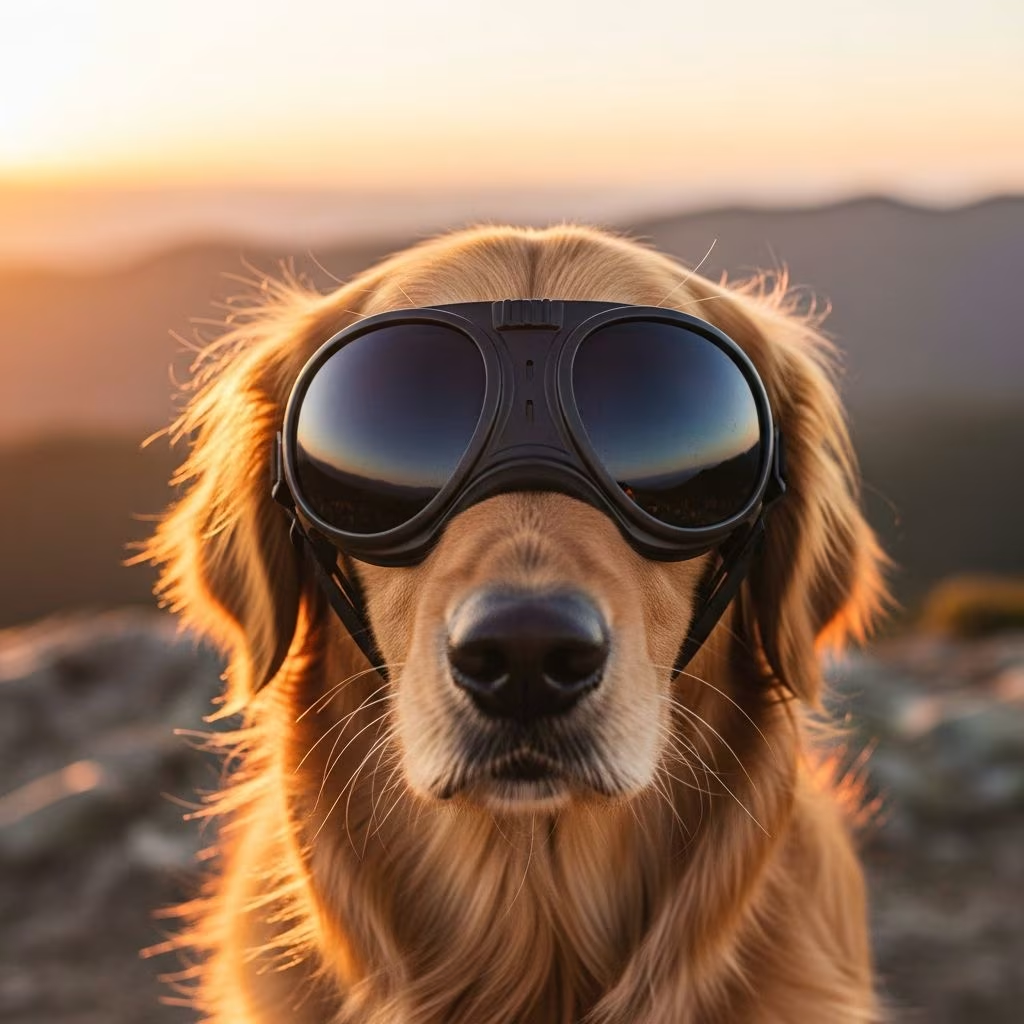
Specialized eyewear for dogs, commonly known as dog goggles, offers critical protection against environmental hazards, ultraviolet radiation, and physical injuries. These devices are particularly valuable for active dogs, those with medical conditions, or breeds prone to eye vulnerabilities.
Understanding the Need for Canine Eye Protection
Dogs rely heavily on their vision for navigation, play, and interaction with the world. Unlike humans, canine eyes are more exposed during activities like running or hanging out of car windows, making them susceptible to damage from wind, dust, and sunlight. Veterinary experts emphasize that protective eyewear can prevent long-term issues such as corneal scratches, cataracts, or UV-induced damage.
Breeds with protruding eyes, like Pugs or Bulldogs, face heightened risks due to their anatomy, which leaves eyes more open to trauma. Active lifestyles amplify these dangers, as high-speed movement or rough terrains increase debris exposure.
Key Benefits Across Scenarios
Dog goggles provide multifaceted advantages tailored to various situations.
- UV Ray Defense: Prolonged sun exposure can lead to cataracts or photokeratitis in dogs. Tinted lenses block 99-100% of UVA/UVB rays, mimicking human sunglasses.
- Debris and Wind Shielding: During biking, hiking, or motorcycle rides, goggles prevent sand, dust, pollen, and foxtails from irritating eyes.
- Water Activity Support: Swimming or dock diving benefits from anti-glare and splash-resistant designs, reducing chlorine or saltwater irritation.
- Working Dog Utility: Search and rescue, ski patrol, or law enforcement K-9s require rugged eyewear for extreme conditions.
Medical Applications for Eye Health
Beyond recreation, dog goggles serve vital therapeutic roles. For glaucoma patients, tinted options reduce light sensitivity from dilated pupils. Dry eye sufferers benefit from fitted seals that retain moisture by limiting airflow.
Post-surgery recovery is enhanced as goggles deter rubbing or pawing, often replacing uncomfortable cones. They also aid visually impaired dogs by preventing collisions and protect remaining eyes in unilateral vision loss cases.
| Condition | Benefit of Goggles | Example Breeds/Affected Dogs |
|---|---|---|
| Glaucoma | Reduces glare with tinted lenses | Any breed; common in older dogs |
| Dry Eye (Keratoconjunctivitis Sicca) | Preserves tear film | Cavalier King Charles Spaniels |
| Post-Surgery | Prevents self-trauma | All recovering from cataracts or trauma |
| Allergies/High Pollen | Blocks irritants | Dogs with seasonal allergies |
Types of Protective Eyewear Available
Options range from full-coverage goggles to lighter alternatives, each suited to specific needs.
- Full Goggles: Impact-resistant with interchangeable lenses (clear for low light, tinted for sun). Features ventilation for airflow and straps for secure fit.
- Visors or Hats: Offer shade but minimal UV or debris protection; useful for light-sensitive dogs intolerant to goggles.
- Specialized Lenses: Scratch-resistant, polarized for water glare, or clear for indoor recovery.
Veterinarians note that prescription corrective lenses are rare, as dogs seldom need them for refractive errors.
Selecting the Right Fit and Features
Proper sizing ensures comfort and efficacy. Measure your dog’s head circumference and snout length for adjustable strap models. Look for:
- Durable, flexible frames that allow full motion.
- UV400-rated lenses.
- Ventilated designs to prevent fogging.
- Quick-release buckles for safety.
Test fit by ensuring the dog can eat, drink, and move freely without removal attempts. Start with short sessions to build tolerance.
Top Scenarios Demanding Eye Protection
Not every dog needs goggles daily, but certain activities make them indispensable.
- Motorcycle or bike trailers: Shields from high-speed wind and bugs.
- Winter sports: Prevents snow blindness.
- Summer hikes: Counters foxtail season risks.
- Beach days: Blocks sand and saltwater.
Training Your Dog to Wear Goggles
Introduction requires patience. Pair with treats and positive reinforcement, gradually increasing wear time from minutes to hours. Most dogs adapt within days, viewing them as routine gear like collars.
Maintenance and Longevity Tips
Replace scratched lenses promptly to maintain clarity. Clean with pet-safe wipes, avoiding harsh chemicals. Invest in brands offering spare parts for cost-effectiveness.
Potential Drawbacks and Precautions
Ill-fitting goggles can cause discomfort or be chewed off. Consult a vet for underlying eye issues before use. They should never restrict vision or breathing.
Frequently Asked Questions
Are dog goggles necessary for all breeds?
No, but brachycephalic breeds and active outdoor dogs benefit most.
Can puppies wear dog goggles?
Yes, once fitted properly, but supervise to ensure comfort.
How do I know if the goggles fit?
No gaps around eyes, secure strap without tightness, full field of view.
Do they work for blind dogs?
Yes, they prevent injuries despite vision loss.
What’s the cost range?
Typically $20-$100, depending on features and durability.
Integrating dog goggles into your pet’s routine enhances safety and comfort across diverse environments. Always prioritize veterinary guidance for personalized advice.
References
- Dog Goggles: What Are They for, and Does Your Dog Need Them? — Rocky Mountain Dog. 2023. https://rockymountaindog.ca/blogs/news/dog-goggles-what-are-they-for-and-does-your-dog-need-them
- 5 Best Dog Goggles of 2026 (Tested and Reviewed) — Treeline Review. 2026. https://www.treelinereview.com/gearreviews/best-dog-goggles
- Eye Protection for Dogs: Goggles, Sunglasses, and More — American Kennel Club (AKC). 2023-10-01. https://www.akc.org/expert-advice/lifestyle/eye-protection-for-dogs/
- Eye Protection for Dogs: Is It Necessary? — PetMD. 2023. https://www.petmd.com/dog/care/eye-protection-dogs-it-necessary
- 5 Reasons Your Dog Needs Eye Protection — Rex Specs. 2023. https://www.rexspecs.com/blogs/news/5-reasons-your-dog-needs-eye-protection



