

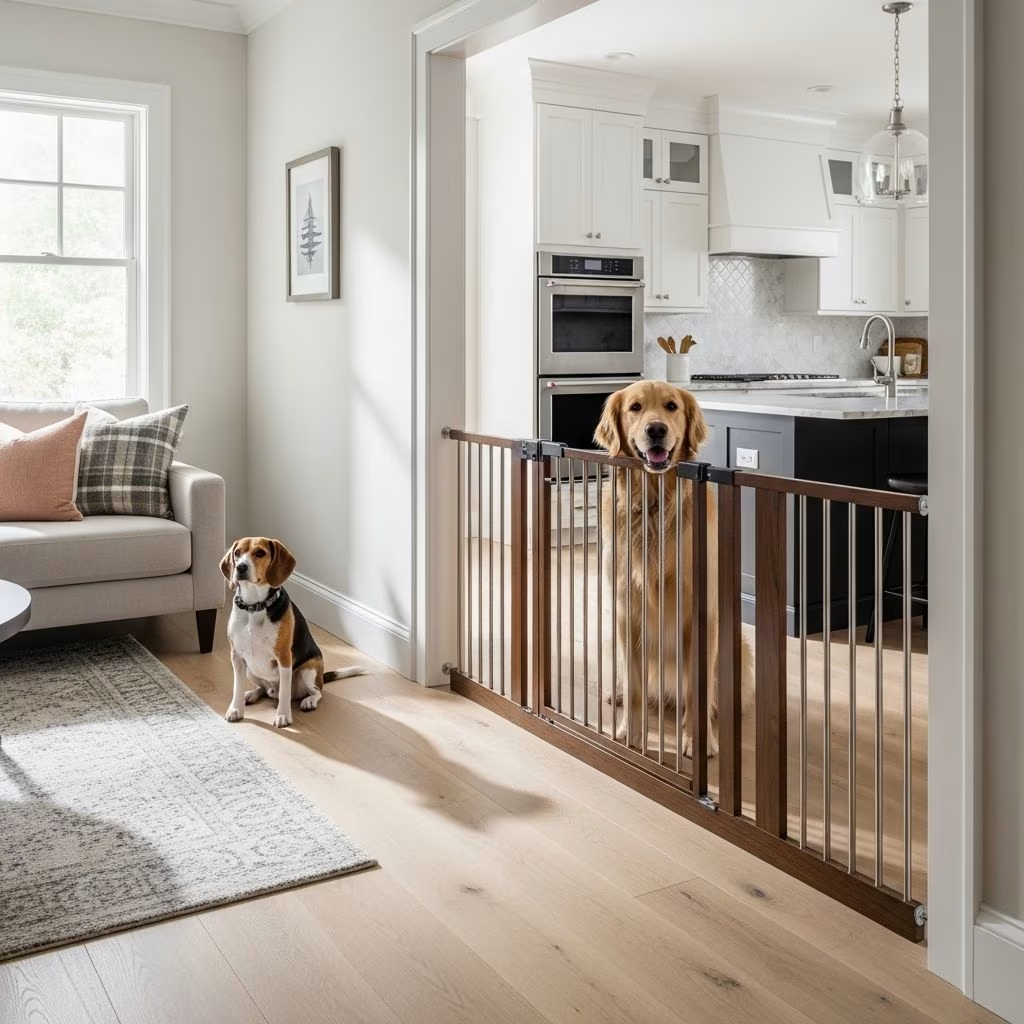
Pet owners often need reliable ways to manage their dogs’ access to different areas of the home. Dog gates provide versatile solutions for safety, training, and convenience. This guide examines various gate designs, materials, mounting options, and key considerations to help you select the ideal barrier for your living space and canine companion.
Why Dog Gates Matter for Pet Safety and Household Harmony
Dog gates serve multiple purposes beyond simple containment. They help establish boundaries during puppy training phases, prevent access to hazardous zones like kitchens or stairs, and facilitate separation when multiple pets or children are present. Choosing the correct type ensures durability against your dog’s size, strength, and behavior while blending with your interior decor.
Effective gates must withstand pushing, jumping, or chewing, depending on the breed and age. For instance, larger breeds require taller, sturdier models to avoid escapes. Proper selection also minimizes injury risks from unstable or poorly fitted barriers.
Primary Categories of Dog Gates by Installation Method
Dog gates primarily fall into three installation categories: pressure-mounted, hardware-mounted, and freestanding. Each suits different scenarios based on permanence, dog size, and location.
- Pressure-Mounted Gates: These rely on tension rods or pads to secure against door frames or walls, offering tool-free setup ideal for renters or temporary use.
- Hardware-Mounted Gates: Screwed or bolted directly into surfaces for maximum stability, best for stairs, wide openings, or strong dogs.
- Freestanding Gates: No mounting required; weighted bases or interlocking panels provide portability for play areas or room dividers.
Material Options and Their Strengths
Gate materials influence aesthetics, durability, and suitability for specific dogs. Common choices include metal, wood, and mesh or fabric for retractable styles.
| Material | Pros | Cons | Best For |
|---|---|---|---|
| Metal (Steel/Aluminum) | Exceptional strength; chew-resistant; long-lasting | Heavier; may scratch floors; industrial look | Strong chewers, puppies, large breeds |
| Wood | Stylish, home-friendly; sturdy if thick | Chew-vulnerable; higher cost; heavier | Aesthetic-focused homes, calm adults |
| Mesh/Fabric (Retractable) | Lightweight; space-saving; view-through | Less sturdy for big dogs; can sag | Temporary blocks, wide/narrow spots |
Metal gates excel for rambunctious pups, while wood suits refined interiors. Avoid plastic for determined escape artists.
Pressure-Mounted Dog Gates: Easy and Adjustable
These gates expand via tension knobs or rods to fit standard doorways, typically 24-48 inches wide, with extensions for larger spans up to 72 inches or more. Models like those with rubber discs allow quick removal, leaving minimal wall marks—perfect for frequent use. Walk-through doors with bottom bars enable adult passage without full disassembly.
Pros include no-drill installation and portability. However, energetic dogs over 30 pounds may dislodge them, so pair with wall anchors for reinforcement. Heights range from 28-42 inches standard, with extra-tall options for jumpers.
Hardware-Mounted Gates: Unbreakable Security
For permanent setups, these gates use brackets screwed into walls or frames, ensuring they withstand significant force. Ideal for staircases, wide hallways, or containing powerful breeds like Labs or Huskies. Many feature swing doors opening in one or both directions.
Installation involves drilling, so they’re less renter-friendly but offer superior safety. Extensions accommodate openings up to 100 inches, and some include small pet doors for cats. Expect heights from 32-48 inches.
Freestanding and Expandable Barriers: Versatile Room Control
These self-supporting panels connect via hinges or slots, forming custom shapes like “H,” “V,” or zigzag patterns for stability. Great for playpens, blocking wide areas without walls, or outdoor decks. Wood or metal versions adjust from 28 inches to over 70 inches wide.
Mobility is key—no tools needed, easy reconfiguration. They’re less secure against climbing dogs, so choose weighted bases for larger pets. Multi-panel sets create enclosures up to 6 feet across.
Specialized Features for Unique Needs
Beyond basics, look for tailored designs:
- Extra-Tall Gates: 36-42+ inches for high-jumpers or large dogs.
- Retractable Gates: Roll up like blinds for unobtrusive barriers in narrow/wide spots.
- Gates with Pet Doors: 8-inch cat flaps allow multi-pet households freedom.
- Narrow Fit Gates: For tight doorways under 30 inches.
Auto-close hinges and lockable doors add convenience.
Factors to Consider When Selecting a Dog Gate
Match the gate to your dog’s profile: measure height (add 5-6 inches over jump ability), weight/strength, and chewing habits. Assess space—doorway width, floor type (non-marring pads), and permanence needs. Budget ranges $30-$200; invest in quality for safety.
Test stability: pressure gates for light use, hardware for heavy-duty. Aesthetics matter—match wood stains or metal finishes to decor. Read reviews for real-world performance.
Installation Best Practices for All Gate Types
For pressure mounts: Place on flat surfaces, tighten fully, check daily. Hardware: Use stud finders, follow templates. Freestanding: Position away from edges. Always supervise initial use to prevent mishaps.
Common Mistakes to Avoid with Dog Gates
- Undersizing height/width, leading to escapes.
- Ignoring dog behavior—chewers need metal.
- Poor placement on uneven floors.
- Skipping extensions for odd-sized openings.
Top Recommendations by Scenario
| Scenario | Recommended Type | Key Features |
|---|---|---|
| Stairs/Large Dog | Hardware-Mounted Metal | Tall, swing door, bolted |
| Renters/Temporary | Pressure-Mounted w/ Discs | Removable, walk-thru |
| Playpen/Wide Area | Freestanding Panels | Expandable, portable |
| Cats + Dogs | Gate w/ Pet Door | Lockable flap |
Frequently Asked Questions (FAQs)
What is the best dog gate for stairs?
Hardware-mounted gates provide the security needed for elevated areas, preventing falls.
Can pressure gates hold large dogs?
They work for calm adults but reinforce or upgrade for pushy breeds over 50 lbs.
Are wood gates safe for chewers?
No—opt for metal; wood splinters pose risks.
How wide do gates expand?
Standard 24-42 inches; extensions reach 100+ inches.
Do retractable gates suit big dogs?
Best for temporary use; not for strong pullers.
Maintenance Tips for Longevity
Clean with mild soap, inspect for wear monthly, tighten fittings. Store unused gates flat to prevent warping.
References
- Dog Gate Selection Guide — OfficialDogHouse. 2023. https://officialdoghouse.com/pages/dog-gate-selection-guide
- The Ultimate Guide to Choosing a Large Dog Gate for Your Home — FairyBaby. 2024. https://fairybaby.com/blogs/babysafe/the-ultimate-guide-to-choosing-a-large-dog-gate-for-your-home
- Types of Dog Gates — Whole Dog Journal. 2023-01-15. https://www.whole-dog-journal.com/lifestyle/dog-gear/types-of-dog-gates/
- Choosing the Right Dog Gate — Blain’s Farm & Fleet Blog. 2024. https://www.farmandfleet.com/blog/choosing-the-right-dog-gate/
- Dog Gates 101: Choosing the Right Dog Gate for Your Home — American Kennel Club (AKC). 2025-02-10. https://www.akc.org/expert-advice/home-living/dog-gates/
- Which Puppy Gate is Best for My Home — Bettacare. 2024. https://bettacare.co.uk/blog/post/which-puppy-gate-is-best-for-my-home
- A Guide To Dog Gates: Types & Tips — Dutch. 2025. https://www.dutch.com/blogs/dogs/dog-gates



