

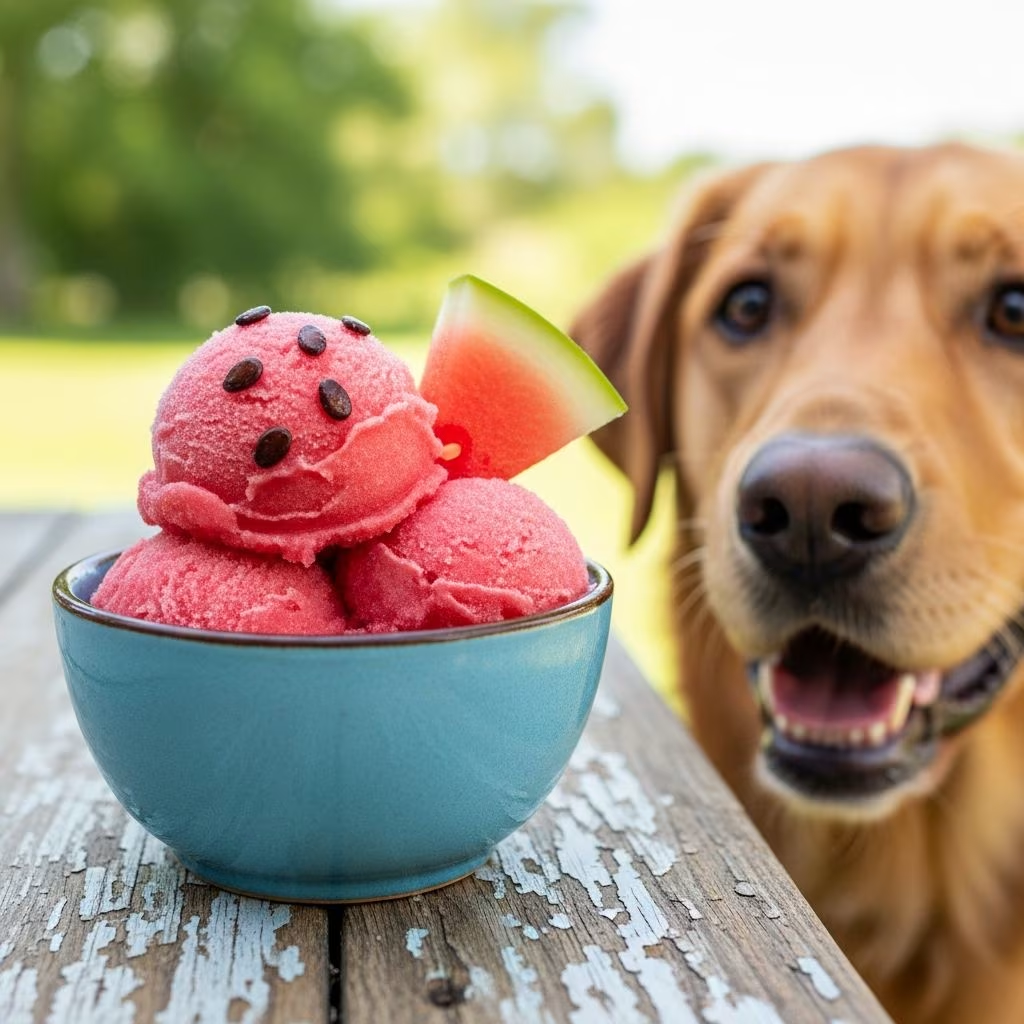
Dog-Friendly Watermelon Sorbet: A Refreshing Summer Treat
As temperatures rise during the warm months, pet parents everywhere search for creative ways to keep their furry companions cool and hydrated. One of the best solutions is a homemade watermelon sorbet designed specifically for dogs. This simple yet delightful frozen treat combines the natural hydration of watermelon with nutritional benefits that support your dog’s overall health. Whether you’re looking for a special treat to celebrate a milestone or simply want to keep your pup comfortable during hot weather, dog-friendly watermelon sorbet is an excellent choice that requires minimal ingredients and preparation time.
Understanding Watermelon’s Nutritional Benefits for Dogs
Watermelon may seem like a simple fruit composed mostly of water, but it offers significant nutritional advantages that extend far beyond basic hydration. The most notable nutritional component of watermelon is lycopene, a phytonutrient responsible for the fruit’s vibrant red color. This powerful compound functions as a potent antioxidant in the body, working to neutralize harmful free radicals and prevent oxidative damage at the cellular level.
The antioxidant properties of lycopene have been studied for their potential to support long-term health outcomes. Research suggests that foods rich in lycopene may help reduce the risk of serious health conditions including cancer and heart disease in both humans and animals. For dog owners seeking to provide their pets with nutrient-dense treats, watermelon represents an excellent low-calorie option. The fruit is naturally low in calories, fat-free, and contains minimal sodium, making it suitable for dogs of various ages and health conditions. Additionally, watermelon’s high water content—approximately 92 percent—makes it an ideal treat for maintaining proper hydration, particularly during summer months when dogs are more susceptible to dehydration.
Why Choose Homemade Watermelon Sorbet?
Creating homemade frozen treats for your dog offers several distinct advantages over commercial alternatives. When you prepare watermelon sorbet at home, you maintain complete control over the ingredients, ensuring that your dog receives only whole, natural foods without artificial preservatives, fillers, or questionable additives. This transparency is particularly important for pet parents who want to understand exactly what their dogs are consuming.
Homemade treats are also significantly more economical than store-bought options. By utilizing fresh watermelon and a few basic ingredients, you can create multiple servings of high-quality frozen treats at a fraction of the cost of commercial dog treats. Furthermore, the preparation process is quick and straightforward, requiring only a food processor and a few minutes of your time. This accessibility means that even busy pet parents can easily incorporate nutritious homemade treats into their dog’s diet.
Ingredients You’ll Need
The beauty of watermelon sorbet lies in its simplicity. The recipe requires only a few essential ingredients:
– 3 cups frozen, cubed watermelon (seedless)- ¼ cup watermelon juice (or coconut water or plain water as alternatives)- A squeeze of honey (optional)- Toppings (optional)
Important ingredient notes: Always use seedless watermelon to avoid potential choking hazards or digestive issues. If you cannot find seedless watermelon, carefully remove all seeds before freezing. The watermelon juice can be freshly made from blended watermelon flesh, or you can substitute coconut water for added nutritional variety. Plain water also works effectively and is ideal for dogs with sensitivities. Honey should be added sparingly and is best omitted for puppies, dogs with compromised immune systems, obese dogs, or those with diabetes.
Step-by-Step Preparation Instructions
Creating your dog’s watermelon sorbet is a straightforward process that requires minimal culinary experience. Follow these simple steps to prepare this refreshing treat:
Step 1: Prepare Your Watermelon
Begin by thoroughly washing the exterior of the watermelon under running water to remove any dirt or bacteria. Cut the watermelon into manageable pieces and carefully remove all seeds. Discard the rind and the white skin beneath it, as these parts can be difficult for dogs to digest. Cut the remaining flesh into uniform cubes approximately one inch in size. Place these cubes on a parchment-lined baking sheet or freezer-safe container and freeze for at least 4 hours or overnight until completely solid.
Step 2: Blend the Frozen Watermelon
Add the frozen watermelon cubes and a dash of honey into a food processor. Blend until the mixture begins to break down into smaller, granular pieces. This initial blend creates the foundation of your sorbet.
Step 3: Add Liquid Gradually
Begin by adding just a small amount of watermelon juice to the food processor. This gradual approach is crucial because adding too much liquid at once will result in a slush-like consistency rather than the desired sorbet texture. Slowly add more juice while continuing to process, pausing occasionally to check the consistency. The mixture should resemble soft-serve ice cream—creamy and spreadable but not runny.
Step 4: Serve Immediately
Scoop the prepared sorbet into a serving bowl and add any desired toppings if your dog enjoys them. Serve the treat immediately while it maintains its frozen consistency. The best time to enjoy this sorbet is shortly after preparation, as the texture can change if the treat begins to thaw.
Nutritional Information
Each batch of watermelon sorbet yields approximately three scoops. The nutritional profile per serving includes:
– Calories: 171- Fat: 0.7 grams- Protein: 2.8 grams- Carbohydrates: 43.5 grams
These figures demonstrate that watermelon sorbet is a low-fat treat suitable for dogs watching their weight. The minimal fat content makes it an appropriate choice for dogs with sensitive digestive systems or those prone to pancreatitis. The carbohydrate content is primarily from natural fruit sugars and fiber, providing energy without the concerns associated with processed treats.
Creative Serving and Storage Ideas
While serving watermelon sorbet in a simple bowl is perfectly acceptable, there are several creative alternatives that can enhance your dog’s experience:
Silicone Molds and Frozen Treats
Pour the prepared sorbet mixture into silicone molds of various shapes to create bite-sized frozen treats. Heart-shaped molds, bone-shaped molds, and other playful designs can make treat time more enjoyable for your dog. Once frozen solid, these individual portions can be removed from the molds and stored in an airtight container in the freezer for up to one month. This method provides convenient portion control and allows you to prepare treats in advance for special occasions or regular summer enjoyment.
Lick Mat Application
Spread the sorbet mixture onto a lick mat, which offers multiple benefits beyond simple taste enjoyment. Lick mats encourage slower consumption, which can aid digestion and extend treat time. Additionally, the friction created by licking against the textured surface of the mat can help clean your dog’s teeth, combining treat time with natural dental care benefits.
Storage and Freezing
Store leftover sorbet in an airtight freezer-safe container for up to one month. If you prefer to refreeze the sorbet after preparation, be aware that the texture may change slightly upon thawing and refreezing. For best results, consume the sorbet fresh whenever possible. When storing frozen treats in silicone molds, cover them tightly to prevent freezer burn and absorption of other food odors.
Safety Considerations and Precautions
While watermelon sorbet is generally safe for most dogs, several precautions should be observed to ensure optimal safety and health:
Watermelon Preparation
Always remove seeds, rind, and skin before offering watermelon to your dog. These parts can pose choking hazards or cause digestive difficulties. Never feed your dog watermelon products that have been artificially sweetened, as these often contain harmful chemicals and excessive sugar content that can damage your dog’s health.
Honey Usage
While honey is safe for most adult dogs in small quantities, it should be avoided entirely for puppies, dogs with compromised immune systems, obese dogs, and dogs with diabetes. Honey contains natural sugars that can exacerbate health conditions in these vulnerable populations.
Moderation and Portion Control
Despite being a healthy treat, watermelon sorbet should be offered in moderation as part of a balanced diet. Treats should not exceed 10 percent of your dog’s daily caloric intake. Large dogs may require larger portions than small breeds, and senior dogs should be monitored to ensure they can comfortably consume and digest frozen treats without difficulty.
Frequently Asked Questions
Q: Can watermelon sorbet help keep my senior dog hydrated?
A: Yes, watermelon sorbet is an excellent tool for maintaining hydration in senior dogs. The high water content combined with the frozen format makes it an appealing and refreshing way to encourage fluid intake, particularly during warm months when senior dogs may be less inclined to drink adequate water.
Q: What should I do if my dog has lactose intolerance?
A: This sorbet recipe does not contain dairy products, making it naturally suitable for lactose-intolerant dogs. If you choose to modify the recipe to include yogurt or other dairy alternatives, select lactose-free options or non-dairy substitutes like coconut yogurt.
Q: How long does watermelon sorbet last in the freezer?
A: Properly stored in an airtight container, watermelon sorbet will maintain quality for up to one month in the freezer. Individual frozen treats in silicone molds should also be stored in an airtight container to prevent freezer burn.
Q: Can I prepare watermelon sorbet in advance for special occasions?
A: Absolutely! Watermelon sorbet can be prepared several weeks in advance and stored in the freezer. This makes it perfect for planning ahead for birthdays, adoption anniversaries, or other special celebrations. Simply prepare the sorbet and freeze it in your preferred mold or container until needed.
Q: Are there variations I can make to the basic recipe?
A: Yes! You can substitute the watermelon juice with coconut water for additional nutritional benefits, add a small amount of plain Greek yogurt for probiotic benefits (if your dog tolerates dairy), or create layered treats by freezing different combinations. Always ensure any additions are dog-safe and appropriate for your individual pet’s dietary needs.
Q: What size portions should I serve my dog?
A: Portion sizes depend on your dog’s size, age, and overall dietary needs. Small dogs should receive approximately one scoop, while medium dogs can enjoy one to two scoops, and large dogs may consume two to three scoops. Monitor your dog’s weight and overall caloric intake to ensure treats don’t contribute to excessive weight gain.
References
- Dog-Friendly Watermelon Sorbet — Chewy Education. 2024. https://www.chewy.com/education/dog/food-and-nutrition/pet-parenting-diy-recipes-dog-friendly-watermelon-sorbet
- Watermelon Pupsicles: Frozen Dog Treats — Belly Full. 2024. https://bellyfull.net/watermelon-pupsicles-frozen-dog-treats/
- Watermelon Ice Cream: An Easy Summer Treat for Your Dog — Rover Blog. 2024. https://www.rover.com/blog/two-ingredient-watermelon-ice-cream-dogs/



