

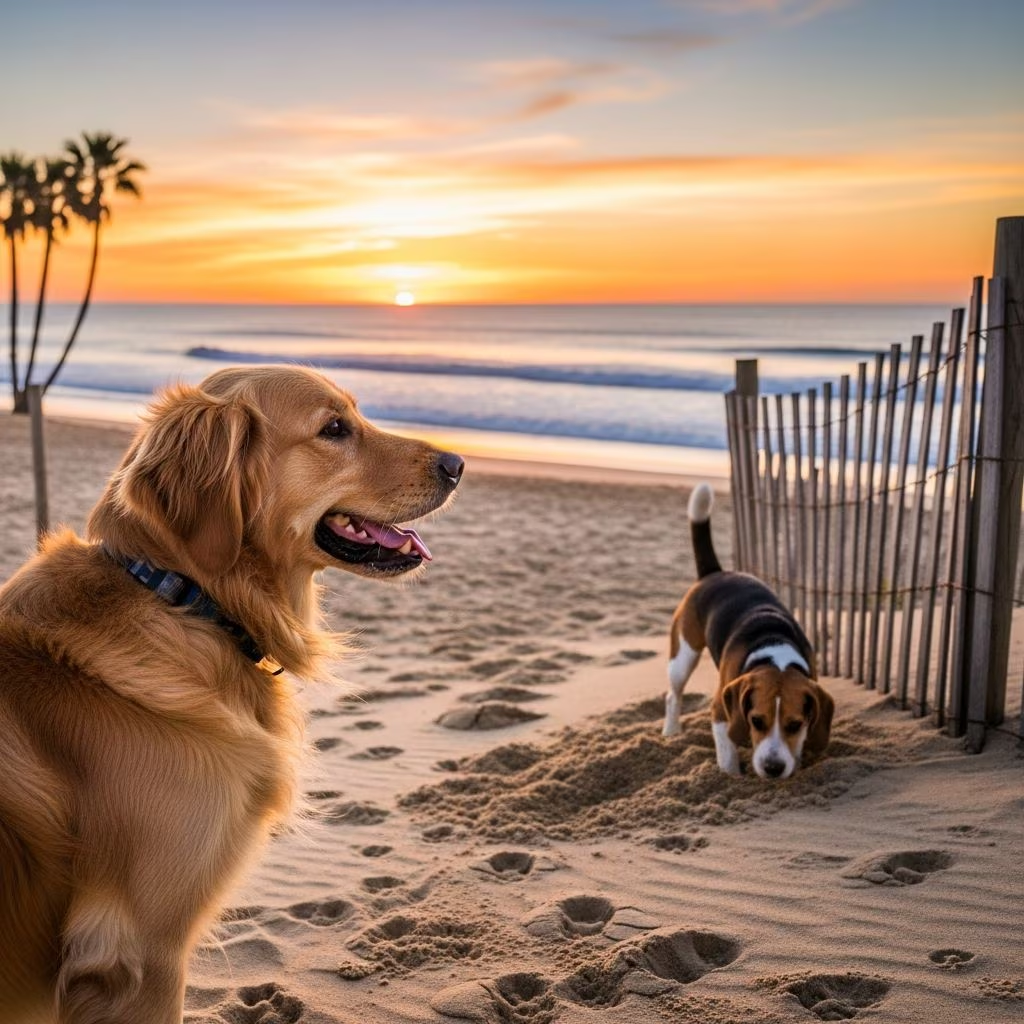
Traveling with your dog transforms a standard getaway into a shared adventure filled with tail-wags and memorable moments. Proper preparation ensures both you and your pet remain safe, comfortable, and excited throughout the journey. This guide outlines every step from initial planning to on-the-road management, drawing on proven strategies to handle common challenges.
Assessing Your Dog’s Travel Readiness
Before booking any trip, evaluate if your dog is suited for travel. Consider age, health status, temperament, and prior exposure to new environments. Puppies under six months or senior dogs with mobility issues may require extra caution. A baseline veterinary exam confirms fitness for travel, identifying issues like motion sickness or anxiety that need addressing.
- Schedule a pre-travel vet visit 2-4 weeks ahead to update vaccinations and discuss medications.
- Test your dog’s reaction to car rides or crates with short practice trips.
- Observe stress signals such as excessive panting, whining, or refusal to eat during simulations.
For dogs prone to anxiety, introduce calming aids like pheromone collars or supplements early. Gradual desensitization builds confidence, turning travel into a positive experience rather than a source of dread.
Health and Documentation Essentials
Current health records form the foundation of safe travel. Ensure rabies vaccinations are up-to-date, as many destinations mandate proof. Microchip your dog and verify registry details reflect your contact information. Carry printed copies of records, including flea/tick preventatives and heartworm prescriptions.
| Document | Purpose | Backup Needed |
|---|---|---|
| Vaccination Records | Entry to hotels/parks | Digital + Printed |
| Health Certificate | Air travel or borders | Original from Vet |
| Prescription Meds | Ongoing treatments | Extra 3-5 Days Supply |
| Pet Insurance | Emergency coverage | Policy Card |
Research local regulations via official state agriculture sites or airline policies. For international trips, check CDC guidelines for canine rabies importation rules.
Building the Ultimate Packing List
A well-organized packing list prevents oversights. Categorize items for quick access: use clear bins labeled for food, hygiene, comfort, and safety. Pack enough for the trip duration plus three extra days to account for delays.
Food and Hydration Gear
- Pre-portioned meals in airtight containers to maintain routine.
- Collapsible bowls for water and food; bring bottled water initially to avoid GI upset from new sources.
- Treats for positive reinforcement during stressful moments.
Comfort and Entertainment Items
- Familiar bed, blanket, or mat for secure sleeping spots.
- Chew toys, puzzle feeders, and interactive playthings to combat boredom.
- Calming music playlist or white noise machine for restful nights.
Hygiene and Cleanup Kit
- Biodegradable poop bags (double up for volume).
- Pet-safe wipes, towels, and enzymatic cleaners for messes.
- Portable grooming tools like brush, nail clippers, and paw balm.
Safety and ID Equipment
- Collapsible leash, harness, and spare collar with updated tags including temporary travel phone.
- Car seatbelt harness or crash-tested crate for vehicle safety.
- LED collar light, reflective vest for night walks, and paw booties for rough terrain.
Organize in a dedicated pet travel bag with compartments. Test-pack a week early and weigh for airline limits if flying.
Choosing Pet-Welcoming Accommodations
Book pet-friendly stays early, especially during peak seasons. Platforms like BringFido list verified options with policies on size, breed, and fees. Confirm amenities such as fenced yards, nearby parks, or mini-fridges for food storage. Read recent reviews for cleanliness and pet experiences.
- Prioritize ground-floor rooms for easy potty access.
- Ask about quiet hours and pet relief areas to minimize disruptions.
- Opt for vacation rentals with full kitchens for meal prep.
Upon arrival, introduce your dog gradually: walk the perimeter first, then enter with treats. This reduces territorial anxiety.
Mastering Different Travel Modes
Road Trips: Safe and Scenic Drives
Plan routes with frequent stops every 2-3 hours for exercise and relief. Use apps to locate dog parks and vets en route. Secure your dog in a harness or crate to prevent distractions. Never leave pets unattended in vehicles due to heat risks.
Flying High: Air Travel Protocols
Choose airlines with strong pet policies; book early for cabin spots under 20 lbs. Acclimate to airline-approved carriers weeks ahead with positive reinforcement. Fast lightly before flights and provide frozen water bowls for hydration. Cargo travel suits larger breeds but requires temperature checks.
Alternative Options: Trains and Boats
Amtrak allows small dogs in carriers; ferries vary by route. Always verify crate sizes and service animal exceptions.
On-the-Road Wellness Strategies
Maintain routines for feeding, walks, and play to anchor your dog amid changes. Monitor for dehydration (check gums), heat exhaustion, or injuries. Carry a basic first-aid kit with bandages, antihistamines, and tick removers. Apps like Pet First Aid provide quick guidance.
- Hydrate frequently; offer ice cubes for fun cooling.
- Exercise pre-departure to promote car napping.
- Use pheromone sprays in new spaces for calm.
Finding Dog-Friendly Activities and Destinations
Enhance trips with pup-approved adventures. Seek beaches with off-leash hours, hiking trails via AllTrails pet filters, or breweries with dog patios. National parks often require leashes; check NPS guidelines. Urban escapes include pet-friendly tours and markets.
| Destination Type | Key Features | Tips |
|---|---|---|
| Beaches | Off-leash zones | Rinse salt water, paw protection |
| Mountains | Trails, fresh air | Tick checks, altitude acclimation |
| Cities | Parks, cafes | Leash laws, crowded avoidance |
Verify seasonal rules: some areas ban dogs during wildlife breeding. Packout waste to preserve environments.
Frequently Asked Questions
Can puppies travel long distances?
Puppies over 8 weeks can travel but require frequent breaks and familiar items. Consult vets for very young ones.
What if my dog gets carsick?
Use vet-approved anti-nausea meds, ginger treats, or acupressure bands. Practice short drives.
How do I handle hotel pet fees?
Budget $20-50/night; seek packages with perks like welcome treats.
Is boarding ever better than bringing along?
Yes, for high-stress dogs or multi-leg trips. Choose facilities with webcams.
What emergency supplies are must-haves?
Include Benadryl dosing chart, thermometer, and vet hotline numbers.
Post-Trip Debrief and Care
Upon return, monitor for lethargy or fleas from new exposures. Resume normal routines gradually. Review what worked to refine future trips. Share photos and stories to celebrate the bond strengthened by adventure.
References
- The Ultimate Dog Packing List for Your Summer Travels — JustFoodForDogs Blog. 2023. https://blog.justfoodfordogs.com/dog-packing-list.html
- Travel Check List and Packing List — Dog Jaunt. 2024. https://www.dogjaunt.com/guides/travel-check-list-and-packing-list/
- The Complete Dog Travel Checklist — Continental Kennel Club. 2025-07-01. https://ckcusa.com/blog/2025/july/the-complete-dog-travel-checklist/
- Holiday Travel Checklist for Pet Parents — Gingr. 2024. https://www.gingrapp.com/blog/holiday-travel-checklist-for-pet-parents
- The Ultimate Travel Checklist for Dog Owners — My Woof. 2024. https://mywoof.com/blogs/articles/the-ultimate-travel-checklist-for-dog-owners



