

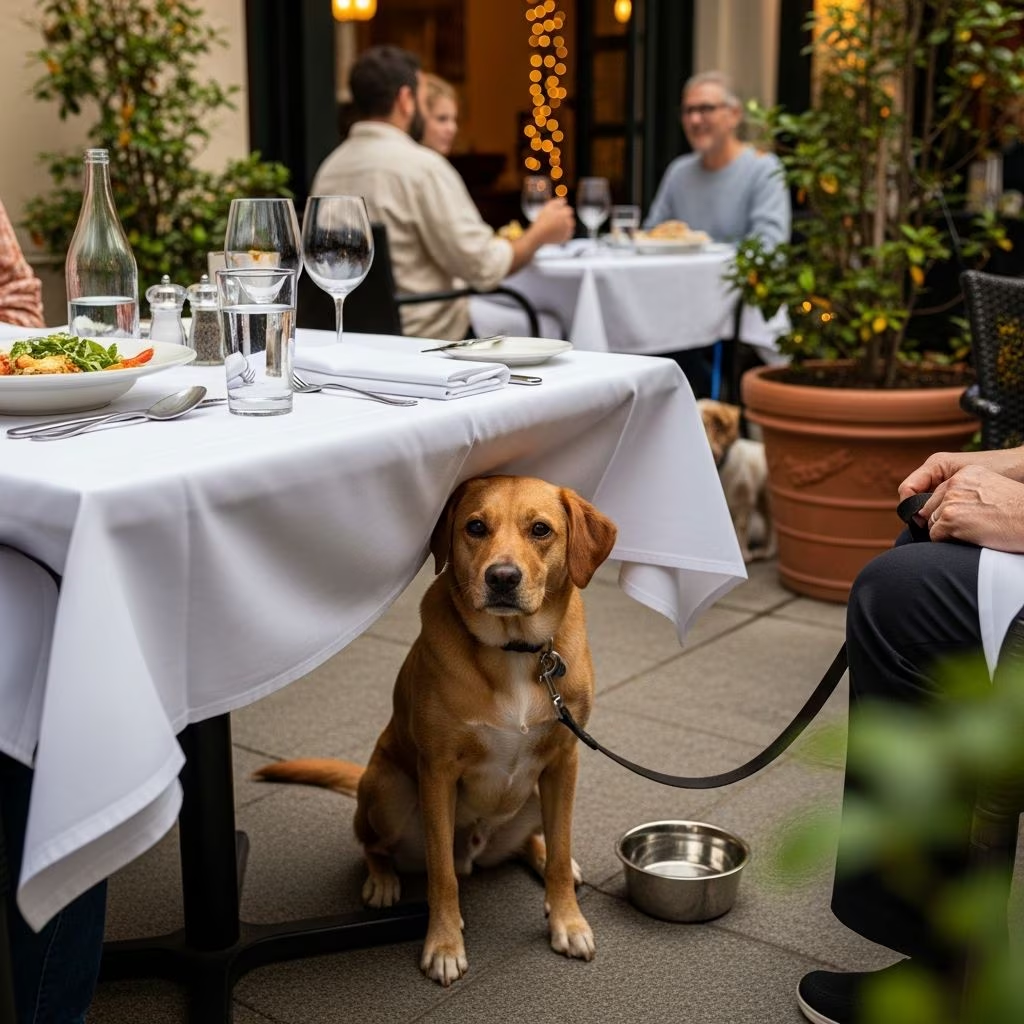
Dog-Friendly Restaurant Etiquette: Dining Out With Your Pup
Taking your dog to a dog-friendly restaurant can be an enjoyable experience for both you and your furry companion, but it requires careful planning, proper training, and respect for restaurant policies and other patrons. Whether you’re enjoying a casual café outing or dining at an upscale establishment, understanding proper dog restaurant etiquette ensures a pleasant experience for everyone involved. This comprehensive guide covers everything you need to know about dining out with your dog responsibly.
Understanding Dog-Friendly Restaurant Policies
Before you even consider taking your dog to a restaurant, it’s essential to understand what “dog-friendly” actually means. Not all establishments that claim to welcome dogs provide genuinely welcoming environments. The best dog-friendly restaurants go beyond merely tolerating pets – they actively celebrate them by providing amenities like water bowls, special dog menus, and staff trained to interact positively with well-behaved dogs.
When researching restaurants, look for establishments that demonstrate genuine enthusiasm for canine guests. Signs of true welcome include proactive staff assistance, comfortable seating arrangements that accommodate dogs without affecting other diners, and readily available amenities. These restaurants understand that pet owners become loyal, returning customers when they feel genuinely welcome.
Checking Restaurant Policies
Always call ahead before visiting a restaurant with your dog. Ask specific questions about their pet policy, including where dogs are permitted to sit, whether they must remain on a leash at all times, and if there are any size restrictions or designated hours for dog dining. Some restaurants only allow dogs on outdoor patios, while others may permit them inside with certain precautions. Understanding these rules before arrival prevents disappointing situations and ensures you’re respecting establishment guidelines.
Pre-Visit Preparation and Training
Successfully dining out with your dog begins long before you arrive at the restaurant. Proper preparation and training are fundamental to ensuring a smooth, pleasant experience for everyone involved. Your dog should be well-behaved, responsive to commands, and comfortable in public settings before attempting restaurant visits.
Essential Training Commands
Your dog should have mastered several basic obedience commands before dining out at a restaurant. These commands form the foundation of good restaurant behavior and help maintain control in distracting environments:
- Sit – Helps your dog remain calm and settled while waiting for food or during interactions with staff.
- Stay – Prevents your dog from wandering away from your table or approaching other diners.
- Down – Keeps your dog settled quietly underneath or beside your table during the meal.
- Leave It – Stops your dog from eating food that drops on the floor or grabbing items from other tables.
If your dog hasn’t mastered these commands yet, it’s better to practice them at home or visit quieter cafés during off-peak hours before attempting to dine at busier establishments. Consistent training creates a foundation for good restaurant behavior and ensures your dog responds reliably when needed.
Exercise Before Dining
One of the most effective ways to ensure your dog behaves well at a restaurant is to exercise them beforehand. A tired dog is naturally more calm, settled, and less likely to become restless, anxious, or disruptive during your meal. Take your dog for a long walk or engaging play session before heading to the restaurant. This physical activity burns excess energy and helps them settle more easily under the table.
This pre-visit exercise serves multiple purposes: it reduces the likelihood of nervous behavior, decreases the chances of your dog needing a bathroom break during your meal, and creates a more pleasant experience for both your dog and surrounding diners.
Arrival and Seating Considerations
How you approach and are seated at a restaurant significantly impacts your dining experience with your dog. Strategic planning during arrival and seating selection demonstrates consideration for both restaurant staff and other patrons.
Requesting Appropriate Seating
Upon arrival, inform your server that you have a dog and ask about seating options. Request corner seating or an area positioned away from main foot traffic. This strategic placement prevents your dog from obstructing pathways where staff and other guests need to move, reduces stress on your dog by limiting constant disturbances, and minimizes the risk of your pet interfering with dining service.
Corner positions or edges of dining areas provide natural boundaries that make it easier for your dog to understand their designated space. These locations also provide more privacy, which many dogs find comforting in busy restaurant environments.
Securing Your Dog
From the moment you arrive until you leave the restaurant, your dog must remain securely leashed. Use a reliable, well-fitting leash that gives your dog minimal opportunity to escape or wander. Since restaurant visits require divided attention between your meal and your dog, a secure leash prevents your dog from running around, approaching other tables, or creating safety hazards.
Consider using a short leash rather than an extended retractable one. A short leash provides better control in confined dining spaces and prevents your dog from reaching other diners’ tables or creating obstacles for restaurant staff. Some owners use a harness in addition to a collar for extra security and control.
Managing Your Dog During the Meal
Proper behavior management during your meal is crucial for maintaining a pleasant dining experience for everyone in the restaurant. Your dog should remain calm, quiet, and unobtrusive throughout your visit.
Creating a Comfortable Space
Help your dog settle by bringing a mat or towel to place under or beside your table. This designated space helps your dog understand where they should remain and provides comfort on hard restaurant floors. The familiar texture also provides psychological comfort in an unfamiliar environment.
Encourage your dog to lie down using their trained “down” command and keep them in this settled position throughout your meal. Your dog should remain quietly under or beside the table without begging, wandering, sniffing other diners, or attempting to interact with passing guests.
Preventing Common Behavioral Issues
Several common misbehaviors can disrupt restaurant dining. Prevent these issues by maintaining control:
- Prevent begging by not offering food from your plate and instructing companions to avoid feeding your dog table scraps.
- Avoid excessive vocalization by reinforcing quiet behavior and redirecting attention if your dog begins barking.
- Stop inappropriate greetings by ensuring your dog doesn’t approach other tables or attempt to interact with other diners unless invited.
- Maintain bathroom control by exercising your dog beforehand and planning shorter visits initially.
If your dog shows signs of anxiety or becomes disruptive despite your efforts, be prepared to leave rather than attempting to manage a difficult situation in the restaurant environment.
Interaction with Staff and Other Patrons
How you interact with restaurant staff and fellow diners significantly impacts the experience for everyone and influences future dog-friendly policies at establishments.
Staff Interactions
Keep your dog close and under control at all times. Don’t assume all staff members are comfortable around dogs – not everyone has positive experiences with pets. Be understanding if servers seem nervous and don’t expect them to pet your dog or provide excessive attention. Tip fairly and thank staff members for accommodating your dog, as these courtesies help build goodwill and encourage restaurants to maintain pet-friendly policies.
Respecting Other Diners
Acknowledge that not all restaurant patrons enjoy being near dogs. Never allow your dog to approach other tables unless explicitly invited by those diners. Prevent your dog from sniffing other guests, jumping on them, or creating any type of disturbance. Remember that your dog is a guest at the restaurant, just as other patrons are guests.
If your dog becomes anxious or reactive around other patrons, calmly redirect their attention back to your designated space. Your responsibility is ensuring your dog doesn’t negatively impact others’ dining experiences.
Hygiene and Cleanup Responsibilities
Maintaining high hygiene standards and promptly addressing any accidents is essential to being a responsible dog owner at restaurants.
Handling Accidents
Despite your best efforts, accidents can happen. If your dog has an accident inside or outside the restaurant, immediately notify staff and clean it up thoroughly. Come prepared with waste bags and cleaning supplies. Handling accidents promptly and responsibly demonstrates respect for restaurant cleanliness and staff.
Food and Feeding Guidelines
Never allow your dog to eat from your plate, and don’t feed them scraps from the table. This behavior is unsanitary, against most restaurant policies, and makes other diners uncomfortable. If you want to provide your dog with food, ask the restaurant if they offer dog-friendly menu items or bring appropriate treats from home.
What NOT to Do at Dog-Friendly Restaurants
Understanding prohibited behaviors helps ensure you’re following proper restaurant etiquette:
- Never allow your dog to sit on chairs or at the table with diners.
- Don’t permit your dog to sit on your lap during the meal.
- Avoid allowing your dog to rest their paws on the table or nearby furniture.
- Never allow your dog to lick plates, glasses, or dining utensils.
- Don’t let your dog sprawl between tables, creating obstacles for staff and guests.
- Avoid bringing an untrained, anxious, or reactive dog to busy restaurant environments.
- Never leave your dog unattended at your table.
Special Considerations for Different Restaurant Types
Different restaurants require adjusted approaches based on their formality level and environment.
Casual Cafés and Outdoor Patios
Casual dining environments typically offer more relaxed atmospheres where dogs are commonly welcome. These venues often have outdoor seating with natural space separation and less rigid behavioral expectations. However, maintain basic etiquette and ensure your dog remains under control even in casual settings.
Upscale and Fine Dining Establishments
Upscale restaurants that welcome dogs often have specific guidelines and may require reservations mentioning your dog. These establishments may provide special dog menus or dedicated areas for dogs. Ensure your dog is exceptionally well-behaved, as these venues have higher standards and less tolerance for disruptions. Dress nicely and ensure your dog is clean and well-groomed.
Finding Truly Dog-Friendly Restaurants
Learning to distinguish between restaurants that genuinely welcome dogs and those that merely tolerate them helps you find establishments worth returning to. Truly welcoming restaurants:
- Provide water bowls without being asked
- Offer dog treats or special dog menu items
- Have staff who interact positively and enthusiastically with well-behaved dogs
- Design their layout to comfortably accommodate dogs with adequate space
- Maintain a genuinely warm attitude toward canine guests
Frequently Asked Questions
Q: At what age can I take my puppy to a dog-friendly restaurant?
A: Puppies should be old enough to have basic training, vaccine protection, and consistent bathroom control. Most experts recommend waiting until puppies are at least four to six months old and have mastered basic commands before attempting restaurant visits.
Q: What if my dog becomes anxious at the restaurant?
A: If your dog shows signs of anxiety, stress, or fear, remain calm and consider leaving early. Forcing your dog to stay in a stressful situation can worsen anxiety and create negative associations with dining out. Practice in less crowded environments before returning to busier establishments.
Q: Can I bring my dog to any restaurant that allows dogs?
A: No. Your dog must be well-behaved, properly trained, and genuinely comfortable in restaurant environments. Not all dogs are suited for dining establishments, regardless of policies. Assess your dog’s temperament and training honestly before attempting restaurant visits.
Q: What should I do if another dog or person reacts negatively to my dog?
A: Keep your dog calm and under complete control. Don’t allow your dog to approach the other person or dog. If tensions escalate, politely excuse yourself and leave the restaurant. Your responsibility is preventing any negative interactions.
Q: How long should my dog’s restaurant visit be?
A: Start with shorter visits of 30-45 minutes and gradually increase duration as your dog becomes more comfortable. Shorter visits reduce the likelihood of accidents, anxiety, or behavioral issues developing.
Q: What type of leash is best for restaurant dining?
A: Use a short, fixed-length leash (4-6 feet) rather than retractable leashes. Fixed leashes provide better control in confined spaces and prevent your dog from reaching other tables or creating obstacles.
References
- Dog-Friendly Restaurant Etiquette — Chewy. https://www.chewy.com/education/dog/training-and-behavior/dog-friendly-restaurant-etiquette
- Is Your Dog Ready for a Restaurant? — American Kennel Club (AKC). https://www.akc.org/expert-advice/training/dog-ready-for-restaurant/
- Dog-Friendly Restaurants: The Complete Guide to Dining Out With Your Pup — WagBar. https://www.wagbar.com/dog-friendly-restaurants-the-complete-guide-to-dining-out-with-your-pup
- The Etiquette of Bringing Your Dog to a Cafe or Restaurant — Budget Pet World. https://www.budgetpetworld.com/blog/the-etiquette-of-bringing-your-dog-to-a-cafe-or-restaurant/
- Eating Out: Dog Dining Etiquette — Poppys Picnic. https://poppyspicnic.co.uk/blogs/raw-pet-food/eating-out-dog-dining-etiquette



