

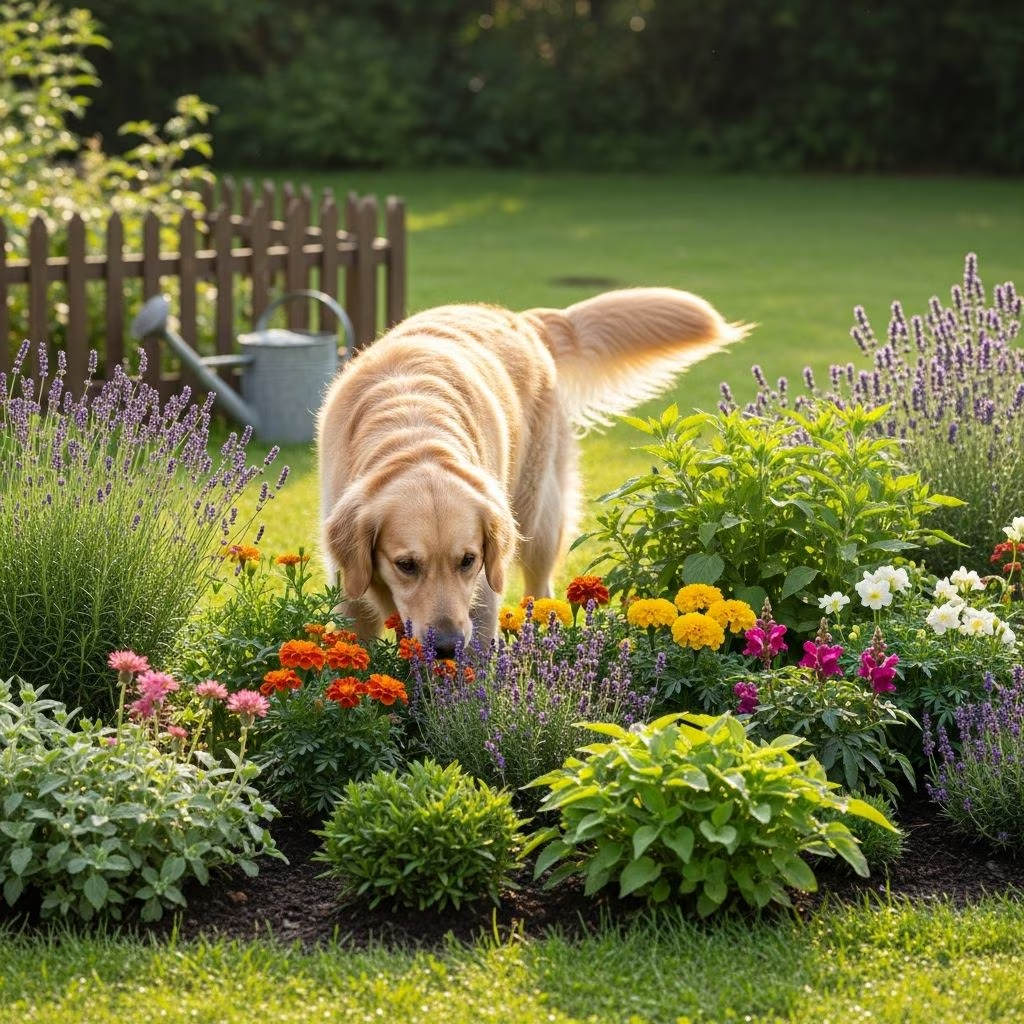
Your backyard is likely one of your dog’s favorite places to explore and play. With fresh breezes, endless scents to investigate, and plenty of space to roam, it’s a paradise for your furry companion. However, before you fill your garden with beautiful flowers and plants, it’s essential to ensure that every green addition is safe for your four-legged friend. Not all outdoor plants are dog-friendly, and some common garden favorites can pose serious health risks. This comprehensive guide explores which plants are safe for dogs and presents 16 excellent options to create a beautiful, pet-friendly outdoor space.
Key Takeaways
- Numerous dog-safe plants and flowers can transform your garden or backyard into a beautiful space
- Even everyday plants may contain toxins, making it crucial to understand which plants are canine-friendly
- If your dog ingests something toxic, contact the Pet Poison Helpline at 855-764-7661 and seek emergency veterinary care immediately
- The toxicity of plants depends on the specific substance, the amount ingested, and your individual dog’s size and curiosity level
Why Are Some Plants Not Safe for Your Dog?
Understanding plant toxicity is the first step toward creating a truly dog-friendly garden. It might surprise you to learn that even everyday plants you encounter in typical gardens can contain toxic substances. According to veterinary experts, toxins can be found in certain parts of some plants, and in all parts of others, making careful plant selection essential for pet owners.
The complexity of plant toxicity lies in several factors. Most plants have some level of natural toxicity, but this doesn’t automatically make them deadly to dogs. What truly matters is the amount of plant material your dog ingests, combined with their individual size and curiosity level. A small dog nibbling on a toxic plant poses different risk levels than a large dog doing the same thing. Additionally, some dogs are naturally more curious and prone to chewing on plants, while others show little interest.
Depending on the specific toxin, symptoms of plant poisoning in dogs can range from mild to severe, including vomiting, diarrhea, tremors, and in the most serious cases, heart failure or death. This is why recognizing dangerous plants and replacing them with safe alternatives is so important for responsible pet ownership.
Common Toxic Plants to Avoid
Several popular garden plants pose significant risks to dogs and should be avoided entirely if you have a canine companion.
Azaleas and Rhododendrons
These stunning flowering shrubs that burst into bloom each spring are beautiful additions to many landscapes, but they’re dangerous for dogs. Azaleas and rhododendrons contain grayanotoxins, which can cause gastrointestinal problems, generalized weakness, and even heart failure in dogs. The severity depends on how much of the plant your dog consumes.
Tomato Plants
While ripe tomatoes are safe for dogs in moderation, the tomato plant itself and any green tomatoes are strictly off-limits. Like other plants in the nightshade family, tomato plants contain toxic glycoalkaloids that can harm your pet. Keeping tomato plants in a fenced garden area away from your dog is essential.
Sago Palm
The sago palm is popular for landscaping due to its drought-tolerant nature, but it ranks among the most dangerous plants for dogs. Not only is it toxic—it’s actually poisonous, particularly the root system. If you already have a sago palm in your yard with a dog, take immediate steps to prevent access through barriers or fencing.
16 Dog-Safe Plants to Add to Your Backyard
Fortunately, there are plenty of beautiful outdoor plants that are completely safe for dogs. These pet-friendly options allow you to create an attractive garden without worrying about accidental poisoning. Here are 16 excellent choices for a dog-friendly outdoor space:
1. Daylilies
Daylilies are outdoor perennial plants that are completely safe for dogs and rank at the top of expert recommendations. These nontoxic plants are incredibly adaptable, thriving in all light and soil conditions. They require minimal maintenance and provide beautiful blooms throughout their growing season.
2. Sunflowers
The cheerful sunflower is a wonderful dog-safe addition to any backyard. Even if your dog snacks on a few seeds, the plant poses no threat, as long as consumption remains moderate. These tall plants add vertical interest to your garden while keeping your pet safe.
3. Roses
Roses are pretty, classic choices for a dog-friendly garden. These perennials grow successfully in most areas of the United States, except for the coldest regions. Their thorns naturally deter dogs from chewing on the stems, and they’re completely safe if ingested in small amounts.
4. Marigolds
These vibrant orange and yellow flowers are safe for dogs and add cheerful color to garden beds. Marigolds are hardy, easy to grow, and require minimal maintenance, making them perfect for busy pet owners.
5. Pansies
Pansies offer beautiful blooms in numerous color combinations and are completely safe for your canine companion. These delicate-looking flowers are hardier than they appear and can withstand the occasional curious nose bump from your dog.
6. Impatiens
Impatiens are shade-tolerant flowering plants that add beauty to areas where other plants struggle. They’re safe for dogs and can brighten up shaded corners of your backyard or garden beds.
7. Zinnias
Zinnias are colorful, easy-to-grow flowering plants that bloom throughout the summer months. These cheerful additions to your garden are completely safe for dogs and attract beautiful butterflies and other pollinators.
8. Ferns
Ferns are dog-safe outdoor plants that add soft, delicate greenery to your landscape. They thrive in shaded areas and add texture and visual interest without posing any threat to your pet.
9. Phlox
Phlox is a beautiful flowering groundcover plant that’s perfectly safe for canine companions. It spreads nicely across garden beds and provides colorful blooms while remaining nontoxic to dogs.
10. Hens and Chicks
This adorable rosette-shaped succulent is a cute addition to any garden and perfectly safe for your dog. Although their prickly leaves naturally deter most dogs from chewing on them, they pose no harm if accidentally ingested.
11. Crape Myrtle
Available in gorgeous violet and pink tones, crape myrtle is common in Southern gardens and completely safe for dogs. These flowering shrubs add substantial beauty to landscaping while remaining nontoxic to your pet.
12. Thyme
You can use creeping thyme as a groundcover or grow the aromatic shrub to use in your cooking. Either way, thyme is completely canine-safe. Its low-growing habit and aromatic foliage make it an attractive garden addition.
13. Bamboo
Part of the grass family, bamboo plants are safe for dogs and offer practical garden benefits. The tall varieties are excellent for adding privacy to your backyard or simply providing something for the tennis ball to bounce off when your dog doesn’t quite catch it in time.
14. Sunflower Variants
Different sunflower varieties offer diverse heights and colors, all completely safe for dogs. These tall plants create beautiful focal points while remaining nontoxic to your pet.
15. Hardy Geraniums
These cheerful perennials are safe for dogs and provide beautiful blooms throughout the growing season. They’re hardy, drought-tolerant, and require minimal maintenance.
16. Nasturtiums
These vibrant, easy-to-grow flowers are safe for dogs and add bright color to garden beds and borders. They’re also edible for humans, making them a bonus addition to a pet-friendly garden.
Creating a Dog-Friendly Outdoor Environment
Beyond plant selection, creating a truly dog-friendly outdoor space involves several important considerations. Regardless of which dog-friendly plants you choose, ensure your pup always has adequate supervision and plenty of fresh water outside. These basics, combined with safe plant choices, create an environment where your dog can safely enjoy the outdoors.
Additional Safety Considerations
Consider adding canine-friendly accessories to make the backyard one of your dog’s favorite spots. Provide shade structures for hot days, comfortable outdoor bedding, and appropriate toys for entertainment. Regularly inspect your yard for fallen branches, leaves, or plants that might pose hazards.
If you’ve inherited a yard with existing toxic plants, implement prevention strategies. Install barriers or fencing around dangerous plants, use a dog play pen for outside time, keep your dog on a leash when in the yard, or use plant stands to prevent access. These practical solutions allow you to maintain an existing landscape while protecting your pet.
What to Do If Your Dog Ingests a Toxic Plant
Despite your best efforts, accidents can happen. If you suspect your dog has ingested something toxic or poisonous, act immediately. Contact the Pet Poison Helpline at 855-764-7661 right away and head straight to an emergency veterinary clinic. Time is critical in poisoning cases, and professional veterinary care can mean the difference between a full recovery and serious complications.
When you contact poison control or your veterinarian, provide as much information as possible about what your dog ate, how much they consumed, and when the ingestion occurred. This information helps veterinarians determine appropriate treatment options.
Frequently Asked Questions
Q: Are all ferns safe for dogs?
A: Most ferns are safe for dogs, but they must be true ferns. Asparagus fern, for example, is not actually a fern and is toxic to dogs. Always verify that you have a true fern species before planting.
Q: Can my dog eat sunflower seeds?
A: Yes, sunflower seeds are safe for dogs in moderation. However, ensure the plant itself is pesticide-free and monitor your dog’s consumption to avoid digestive upset from excessive seed eating.
Q: How do I know if a plant is safe for my dog?
A: Research the specific plant species before planting. Consult resources from veterinary colleges, call your veterinarian, or contact the Pet Poison Helpline with questions about specific plants.
Q: Can I use pesticides on dog-safe plants?
A: Avoid pesticides whenever possible in areas where your dog spends time. If treatment is necessary, use pet-safe options and follow all label directions carefully.
Q: What are the signs of plant poisoning in dogs?
A: Common signs include vomiting, diarrhea, drooling, tremors, weakness, and loss of appetite. Severe poisoning can cause heart problems or kidney failure. Seek emergency veterinary care if you notice any of these symptoms.
Q: Should I completely remove toxic plants from my yard?
A: If possible, yes. If removal isn’t feasible, use barriers, fencing, or plant stands to prevent your dog’s access to toxic plants.
Conclusion
Creating a beautiful, dog-friendly garden is absolutely achievable with careful plant selection and proper planning. By choosing from the 16 safe plants listed above and avoiding known toxic species, you can design an outdoor space where your furry companion can safely explore and enjoy nature. Remember that every dog has a unique personality—what one dog ignores, another might be tempted to chew. Supervision remains your best tool for preventing plant-related poisoning incidents. With thoughtful planning, attention to detail, and knowledge about which plants are safe for dogs, your backyard can become a paradise for both you and your beloved pet.
References
- Planting a Dog-Friendly Garden: 16 Outdoor Plants Safe for Dogs — Chewy. 2025. https://www.chewy.com/education/dog/health-and-wellness/outdoor-plants-safe-for-dogs
- Cornell University College of Veterinary Medicine — Richard P. Riney Canine Health Center. 2025. https://www.vet.cornell.edu/about-us/news/20250814/chewy-planting-dog-friendly-garden-16-outdoor-plants-safe-dogs
- Poisonous Plants for Dogs: 10 Plants Toxic to Pups — Chewy. 2025. https://www.chewy.com/education/dog/health-and-wellness/complete-guide-to-poisonous-plants-for-dogs
- 9 Air-Purifying Plants Safe for Dogs and Cats — Chewy. 2025. https://www.chewy.com/education/cat/health-and-wellness/air-purifying-plants-safe-for-dogs-cats
- ASPCA Animal Poison Control Center — The American Society for the Prevention of Cruelty to Animals. 2025. https://www.aspca.org/pet-care/animal-poison-control



