

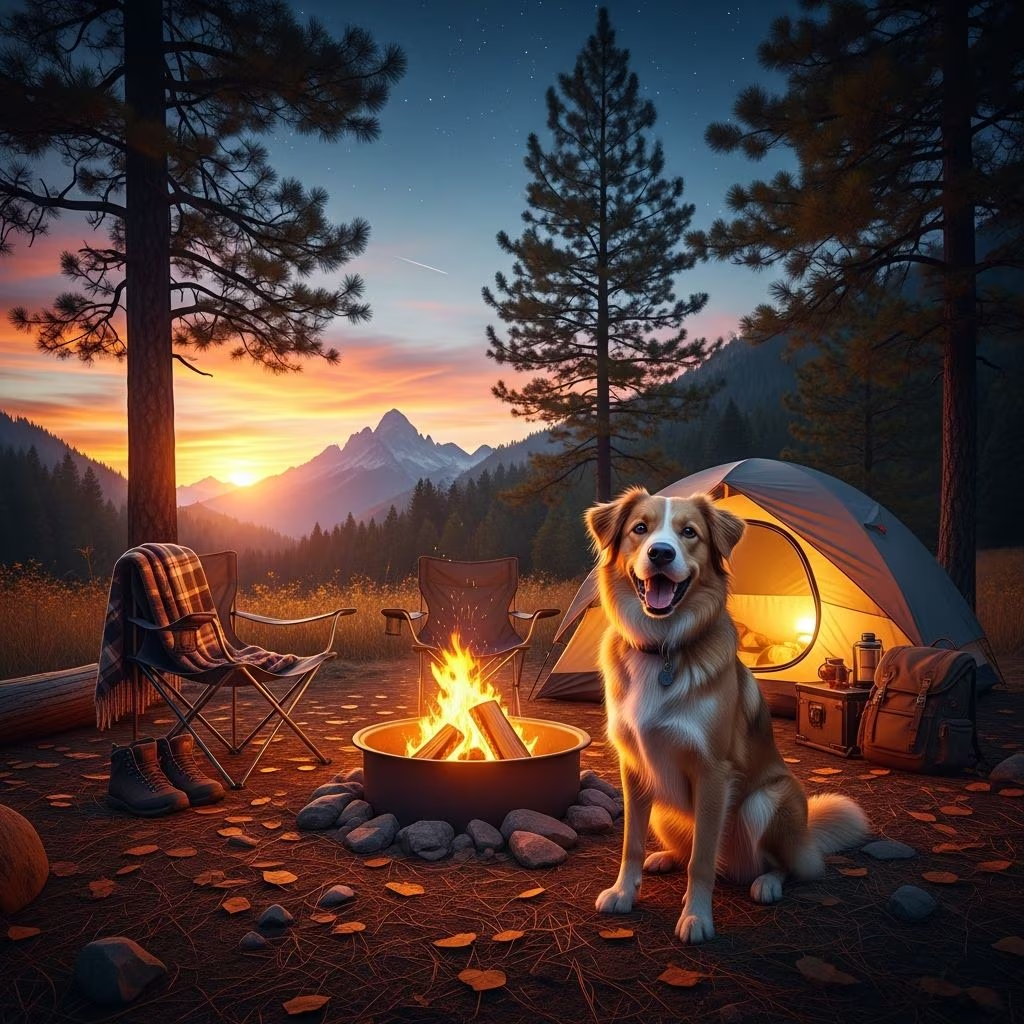
15 Dog-Friendly Camping Tips for an Unforgettable Adventure
Camping with your dog offers a wonderful opportunity to bond and create lasting memories in the great outdoors. However, bringing your furry friend along requires careful planning and preparation to ensure their safety, comfort, and enjoyment. This comprehensive guide covers 15 essential dog-friendly camping tips that will help you prepare for a successful adventure with your canine companion.
Pre-Trip Planning and Preparation
1. Choose a Dog-Friendly Campsite
Selecting the right campground is the foundation of a successful camping trip with your dog. Before booking, confirm that the campground explicitly allows pets and research their specific policies regarding leash requirements, designated dog zones, and quiet hours. Look for facilities that offer pet-friendly amenities such as KampK9 areas with fenced-in play spaces, water access, and shaded rest areas. Consider the proximity of hiking trails, lakes, or parks nearby where you and your dog can explore together during your stay.
2. Schedule a Veterinary Check-Up
Before embarking on your camping adventure, take your dog to the veterinarian for a pre-trip health assessment. Ensure that your dog’s vaccinations are current and discuss any concerns about their ability to handle outdoor activities. Your veterinarian can provide recommendations specific to your dog’s age, breed, and health status. Additionally, familiarize yourself with the locations of veterinary clinics and animal hospitals along your planned route in case emergency care becomes necessary.
3. Train and Socialize Your Dog
Preparing your dog mentally for camping is just as important as physical preparation. Practice obedience training to ensure your dog responds reliably to commands, especially in unfamiliar outdoor environments. Work on socialization skills to help your dog interact positively with other campers, wildlife encounters, and new stimuli. This training will make the camping experience more enjoyable and safer for everyone involved.
Essential Gear and Packing Checklist
4. Pack Dog Food and Water Supplies
Bring sufficient quantities of your dog’s regular food for the entire camping trip, as dietary changes can cause digestive upset. Pack food and water bowls, and consider bringing collapsible bowls to save space. Maintain consistent feeding schedules to keep your dog comfortable and calm. Additionally, ensure your dog has access to fresh, clean drinking water throughout the day, especially during warm weather or physical activity.
5. Bring Proper Identification and Documentation
Ensure your dog wears identification tags on their collar displaying your phone number and campsite location information. Consider microchipping your dog as a permanent form of identification. Carry important documents including vaccination records, medical history, and a recent photograph of your dog in case they become separated from you. This documentation is essential if you need to seek veterinary care or contact authorities.
6. Invest in Quality Restraint Equipment
Pack a sturdy leash, secure collar, and harness appropriate for your dog’s size and strength. For extended camping trips, bring a tie-out stake or cable system to safely secure your dog outside your tent or RV while allowing them to enjoy the outdoor environment. Consider a retractable leash for trail exploration, though many parks recommend 6-foot fixed-length leashes for better control.
7. Prepare a First-Aid Kit and Safety Supplies
Assemble a comprehensive pet first-aid kit containing bandages, antiseptic ointment, pain relievers, tweezers for tick removal, and any medications your dog requires. Include paw protectors or booties to shield paws from hot surfaces, rocky terrain, and sharp objects. Pack towels and wipes for cleaning muddy paws and unexpected messes. These supplies ensure you can address minor injuries quickly and maintain your dog’s hygiene throughout the trip.
Campsite Comfort and Safety Setup
8. Create a Safe and Comfortable Sleeping Area
Bring a quality dog bed or sleeping pad to keep your dog off cold, damp ground and provide a comfortable resting place. Portable crates can serve dual purposes as both a safe containment area and a cozy den-like space where your dog feels secure. Select a spot within your tent or RV that is protected from drafts, moisture, and extreme temperatures. Include familiar items like your dog’s favorite toy or blanket to provide comfort and help with anxiety.
9. Ensure Proper Hydration and Temperature Control
Keep your dog cool and calm by providing constant access to shade and fresh water throughout the day. Never leave your dog unattended at the campsite or in a hot vehicle, even with windows partially open. During hot weather, consider bringing an awning, parasol, or pop-up tent to create shaded resting areas. Monitor your dog for signs of overheating, including excessive panting, drooling, or lethargy, and take immediate action to cool them down if necessary.
10. Maintain Cleanliness and Waste Management
Bring an adequate supply of poop bags and dispose of waste properly in designated receptacles to follow Leave No Trace principles. Pack paper towels, wipes, and cleaning supplies for managing muddy paws and accidents. Establish a bathroom routine by planning your route with regular bathroom breaks every few hours. This not only keeps your campsite clean but also prevents your dog from becoming restless during the journey and maintains good relations with fellow campers.
Trail Safety and Outdoor Activities
11. Follow Trail Etiquette and Safety Guidelines
Always keep your dog on a leash while hiking, using a 6-foot fixed-length leash as many parks prohibit retractable leashes. Yield to other hikers by stepping to the side of the trail and keeping your dog close. Avoid hiking during peak heat hours, especially on rocky terrain or steep inclines that can be hard on paws and joints. Check your dog’s paws regularly for cuts, burrs, ticks, or other injuries, and watch for signs of fatigue such as excessive panting, limping, or reluctance to continue.
12. Protect Paws from Environmental Hazards
Hot sand, pavement, and rocky paths can cause burns and cuts to sensitive paws. Use dog booties for complete protection on challenging terrain or apply paw wax to create a temporary protective barrier. Reapply paw wax if your dog splashes in water, as moisture reduces its effectiveness. Before each hike, inspect the terrain and adjust your route or protective gear accordingly to prevent paw injuries that could compromise your dog’s mobility and comfort.
Behavior Management and Prevention
13. Manage Campfire Safety and Food Security
Keep your dog at a safe distance from fire pits and hot grills to prevent burns and injuries. Secure all food and trash to avoid both theft by wildlife and begging behavior from your dog. Never leave your dog unattended near an open flame or cooking area. Train your dog to maintain distance from these hazards through consistent commands and positive reinforcement, establishing safe boundaries before the trip begins.
14. Respect Wildlife and Minimize Noise Disturbances
Always keep your dog leashed or contained to prevent wildlife encounters and protect local fauna from disturbance. Watch for wildlife, insects, and toxic plants in the camping area and be mindful of potential hazards to your dog’s health and safety. Address excessive barking through redirection techniques using toys, treats, or calming activities. Respect quiet hours and other campers by managing your dog’s noise level, particularly during early morning and evening hours.
Travel and Vehicle Considerations
15. Ensure Safe Transportation and Vehicle Setup
For RV camping, select an RV with sufficient space for your dog to move comfortably, including features like slide-outs that provide additional room. Use pet barriers, harnesses, or seat belts to keep your dog secure during travel and prevent motion sickness. Maintain good ventilation throughout the journey to reduce motion sickness risk and keep the environment comfortable. Avoid feeding your dog immediately before travel to minimize digestive discomfort. Plan frequent stops every few hours for bathroom breaks, exercise, and hydration, helping your dog stay comfortable and reducing travel anxiety.
Essential Gear Comparison Table
| Gear Item | Purpose | Priority Level | Alternatives |
|---|---|---|---|
| Dog Bed/Sleeping Pad | Provides comfort and insulation | Essential | Blankets or crate padding |
| Leash and Collar | Control and safety | Essential | Harness with tie-out |
| Food and Water Bowls | Feeding and hydration | Essential | Collapsible bowls |
| First-Aid Kit | Medical emergencies | Essential | Vet contact list |
| Paw Protectors/Booties | Paw protection on trails | Recommended | Paw wax |
| Dog Rain Jacket | Weather protection | Recommended | Towels for drying |
| GPS Tracking Device | Location monitoring | Recommended | ID tags and microchip |
| Pet Monitoring Camera | Remote monitoring | Optional | Portable crate |
Pre-Camping Preparation Checklist
Before departing for your camping trip, ensure you have completed the following preparations:
- Confirm the campground’s pet policy and any breed or size restrictions
- Schedule a veterinary check-up and ensure vaccinations are current
- Pack sufficient food, water, and treats for the entire trip duration
- Prepare identification tags with updated contact information
- Assemble a comprehensive first-aid kit and medication
- Practice obedience training and desensitization to new environments
- Arrange transportation with proper restraint systems
- Research nearby veterinary facilities and emergency clinics
- Gather weather-appropriate clothing and protective gear for your dog
- Reserve campsites early, especially during peak travel seasons
Frequently Asked Questions About Dog Camping
Q: How often should I take my dog on bathroom breaks while camping?
A: Plan bathroom breaks every 2-3 hours during the day and establish a consistent routine. Upon arriving at your campsite, take your dog out immediately to familiarize them with the bathroom area. Continue regular breaks throughout your stay to maintain consistency and prevent accidents.
Q: What should I do if my dog becomes anxious or stressed at the campsite?
A: Create a safe space with familiar items like their bed and toys. Maintain consistent routines for feeding, walks, and playtime. Use calming techniques such as gentle petting, reassuring voice tones, and distraction with toys. If anxiety persists, consult your veterinarian about anxiety management options before future trips.
Q: Are there specific breeds that are better suited for camping?
A: Most breeds can enjoy camping with proper preparation. Younger, more active dogs typically thrive on outdoor adventures, while senior dogs may require shorter hikes and more rest. Dogs with short noses (brachycephalic breeds) may struggle with heat and exertion. Consider your dog’s individual health, age, and temperament rather than breed alone.
Q: How can I keep my dog safe from wildlife at the campsite?
A: Always keep your dog leashed or contained within a fenced area. Avoid leaving food or trash accessible, as this attracts wildlife. Be aware of local wildlife patterns and adjust activities accordingly. Keep your dog’s vaccinations current, especially rabies protection, as wildlife encounters pose disease risks.
Q: What is the best way to protect my dog’s paws on rocky terrain?
A: Use protective booties designed for hiking or apply paw wax before hitting the trail. Inspect your dog’s paws regularly during and after hiking for cuts, burrs, or injuries. If your dog shows signs of pain or limping, stop the hike and assess the paws. Reapply protective products if your dog gets wet, as water reduces effectiveness.
Q: Can I leave my dog alone at the campsite while I explore?
A: Never leave your dog unattended at the campsite or in a vehicle. Use a tie-out stake or portable crate to secure your dog in a safe, shaded area within your sight. If you plan extended exploration, arrange for someone to watch your dog or consider pet-sitting services. Portable pet monitoring cameras allow you to check on your dog remotely when briefly away.
Additional Tips for a Successful Camping Experience
Beyond the main 15 tips, consider these additional strategies to enhance your dog camping adventure:
- Pack extra supplies beyond what you think you’ll need, as resupply options may be limited
- Bring entertainment items like puzzle toys and chew toys to keep your dog mentally stimulated
- Maintain a consistent daily routine to help your dog feel secure in the new environment
- Document your trip with photos and videos to create lasting memories
- Share your dog-friendly campsite discoveries with other pet owners
- Keep an emergency contact list of veterinarians, poison control, and local authorities
Conclusion
Camping with your dog can be an incredibly rewarding experience that strengthens your bond and creates cherished memories together. By following these 15 dog-friendly camping tips and thoroughly preparing before your trip, you can ensure that both you and your canine companion have a safe, comfortable, and enjoyable outdoor adventure. Remember that every dog is unique, so adjust these recommendations based on your individual dog’s needs, preferences, and health considerations. With proper planning, appropriate gear, and attention to safety and comfort, your next camping trip will be an unforgettable experience for the entire family.
References
- RV Camping With Dogs: Tips, Checklist, and Must-Haves — Adventure In Camping. 2024. https://www.adventureincamping.com/blog/rv-camping-with-dogs-tips-checklist-and-must-haves/
- The Ultimate Guide To Camping With Your Dog — KOA (Kampgrounds of America). 2024. https://koa.com/blog/tips-from-camping-with-dogs/
- Camping with Dogs: The Ultimate Guide and Checklist — The Camping and Caravanning Club. 2024. https://www.campingandcaravanningclub.co.uk/advice/camping-tips/camping-with-dogs/
- Camping With Your Dog: A Complete Checklist — Saratoga Dog Lovers. 2024. https://www.saratogadoglovers.com/camping-with-your-dog-a-complete-checklist/
- Camping Checklist for Bringing Along Pets — Mountain House. 2024. https://mountainhouse.com/blogs/camping/camping-checklist-for-bringing-along-pets



