

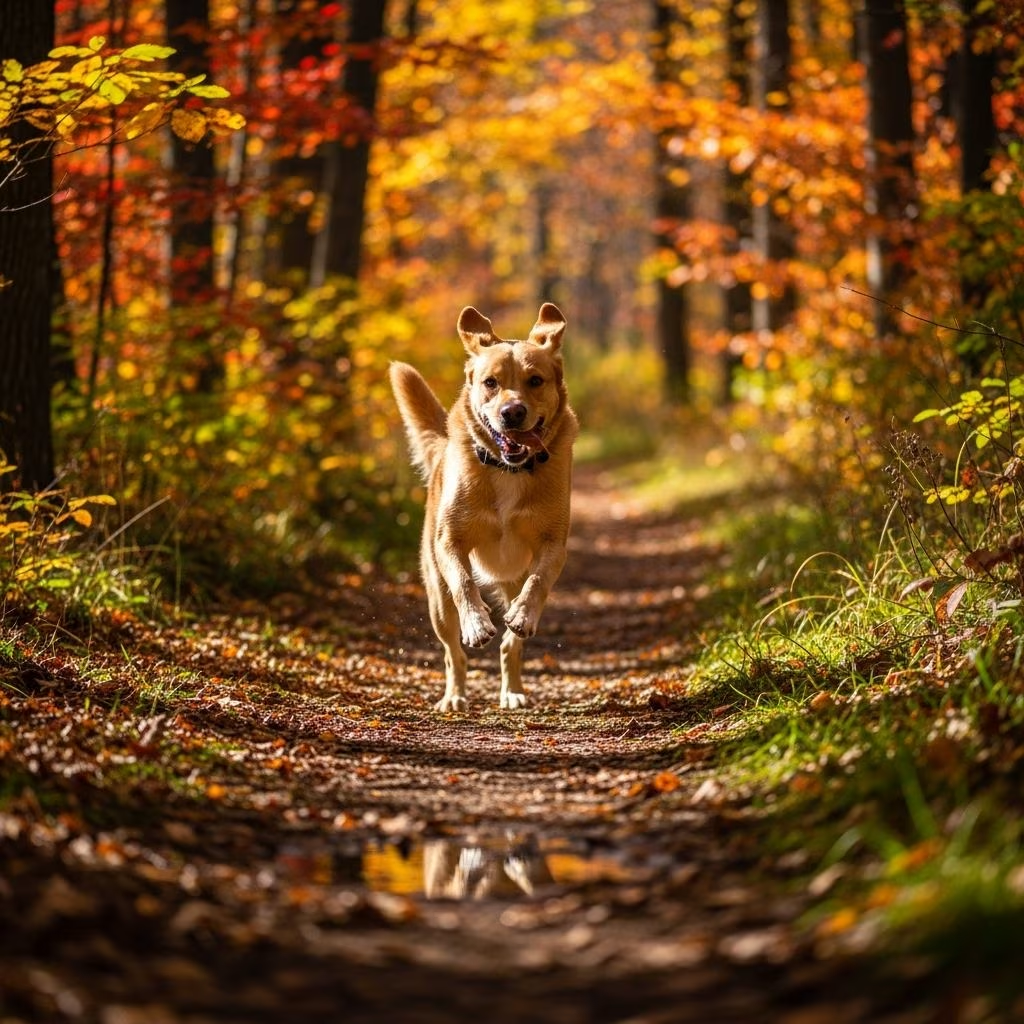
One of the most common observations dog owners make during daily walks is how frequently their pets need to stop and urinate. Whether it’s a quick trip around the block or an extended neighborhood exploration, many dogs seem compelled to pause every few meters to mark their spot. This behavior can sometimes feel excessive, leaving owners wondering if their canine companion is experiencing a health problem or simply displaying natural instincts. Understanding the reasons behind this frequent urination is essential for responsible pet ownership and ensuring your dog’s wellbeing.
The Role of Territorial Communication in Canine Behavior
The primary reason dogs engage in frequent urination during walks relates to their innate need to communicate with other animals in their environment. Territorial marking through urine serves as a form of biological messaging that allows dogs to convey information to other members of their species. When a dog urinates on various spots during a walk, they are essentially leaving behind a chemical signature that communicates their presence, identity, and status within the local canine community.
Dogs possess an incredibly sophisticated olfactory system that allows them to gather and disseminate complex information through scent marking. When one dog marks a particular location, other dogs passing through the area can detect and interpret this marking. The information conveyed includes reproductive status, health indicators, and dominance levels. This form of non-verbal communication is crucial for establishing social hierarchies and managing territorial boundaries without direct confrontation.
This behavior is particularly pronounced in male dogs, especially those that have not undergone neutering procedures. However, both male and female dogs engage in territorial marking, particularly if they have not been spayed or neutered. The behavior is considered a natural expression of canine instinct and occurs regularly in healthy dogs throughout their lives.
Competitive Marking and Social Hierarchies
Interestingly, territorial marking serves a dual purpose beyond simple boundary establishment. Dogs often choose to mark locations where other dogs have already left their scent. This behavior, sometimes called overmarking, allows dogs to assert dominance or challenge the territorial claims of other animals. In essence, a dog may be communicating through their urine that they either claim superiority over the previous marker or are contesting the territorial boundary altogether.
This competitive aspect of marking behavior explains why some dogs become particularly motivated to mark when they detect the scent of unfamiliar dogs in their neighborhood. The walking environment becomes a complex social stage where each dog’s urination serves as both a personal statement and a response to the chemical communications of others.
Reproductive Instincts and Mate-Seeking Behavior
Beyond territorial communication, another significant driver of frequent urination during walks involves reproductive behaviors. Male dogs can detect and track the scent of females in heat through urine markings. When an intact male dog encounters the urine of a receptive female, the odor triggers instinctual responses that compel them to follow the scent trail in hopes of locating a potential mate.
This behavior demonstrates the powerful influence of pheromones on canine behavior. Even neutered male dogs may exhibit this behavior to some degree, as the olfactory memory of reproductive instincts can persist even after the physical capability to reproduce has been surgically eliminated. Similarly, intact female dogs may mark more frequently when in estrus, providing signals to males in the surrounding area.
Medical Conditions Associated with Excessive Urination
While frequent urination during walks is often a normal behavioral expression, excessive urination can sometimes indicate underlying health issues that require veterinary attention. Common medical causes of increased urination include urinary tract infections, diabetes, kidney disease, liver problems, and hormonal imbalances.
A condition called pollakiuria, which refers to abnormally frequent urination, can develop due to lower urinary tract disease. This condition involves abnormalities in the bladder and urethra that cause dogs to feel the need to urinate before the bladder is completely full. Lower urinary tract diseases that cause pollakiuria include bacterial cystitis, bladder stones, and tumors or polyps within the urinary system.
Distinguishing Between Normal and Excessive Urination
Identifying whether your dog’s urination behavior falls within normal ranges can be challenging. Several factors help distinguish normal territorial marking from problematic excessive urination:
- Volume of urine produced: Normal marking deposits small amounts of urine, while health-related issues often result in larger puddles
- Frequency of attempts: Healthy dogs may attempt to mark multiple times during a walk, but excessive attempts with little urine output suggest medical issues
- Changes in routine: A sudden increase in urination frequency compared to your dog’s normal patterns warrants veterinary evaluation
- Appearance of urine: Discolored, cloudy, or unusually odorous urine may indicate infection or disease
- Associated symptoms: Increased thirst, lethargy, or behavioral changes accompanying increased urination suggest health problems
Health Conditions That Increase Urination Frequency
Diabetes represents one of the most common endocrine causes of excessive urination. In diabetic dogs, elevated blood glucose levels cause glucose to spill into the urine, which pulls additional water with it, resulting in increased urine production and frequency.
Kidney disease and liver disease both impair the organs’ ability to concentrate urine, leading to more frequent urination and increased thirst. Cushing’s disease (hyperadrenocorticism) causes hormonal imbalances that increase both water consumption and urination frequency.
Urinary tract infections and bladder infections irritate the urinary tract, creating an urgent sensation to urinate even when the bladder contains only small amounts of urine. Additionally, bladder stones and urethral obstructions can restrict normal urine flow and create pressure that leads to frequent attempts at urination.
Age-Related Changes in Urinary Function
Senior dogs frequently experience changes in their bladder control and urinary patterns. As dogs age, muscles supporting the urinary system may weaken, leading to increased frequency of urination and occasional incontinence. Hormone-responsive incontinence, which occurs most commonly in female dogs after spaying, can develop months or years following the surgical procedure.
Age-related conditions such as spinal injuries or neurological problems can disrupt the nerves that control bladder function, resulting in involuntary urination or increased frequency. Providing senior dogs with more frequent opportunities for outdoor bathroom breaks helps manage these age-related changes while maintaining their dignity and comfort.
Anxiety and Stress-Related Urination
Emotional factors can significantly influence urination behavior during walks. Dogs experiencing anxiety when encountering other dogs or unfamiliar environments may attempt to urinate more frequently as a coping mechanism. Anxiety-related frequent urination can result from household changes, new pets, or stressful encounters during walks.
Additionally, some dogs exhibit submissive urination when feeling scared or anxious, which differs from normal marking behavior. Creating a calm walking environment and gradually desensitizing anxious dogs to triggering situations can help reduce stress-related urination.
Environmental and Behavioral Factors
The physical environment during walks influences urination patterns. Dogs often show preferences for specific urination surfaces, with some favoring grass, others preferring concrete or gravel. Warmer weather and higher temperatures naturally increase water consumption, which leads to more frequent urination. Similarly, dogs may drink additional water after exercise or physical exertion, subsequently requiring more frequent urination.
Surface preferences and environmental comfort play roles in how often and where dogs choose to mark during walks. Understanding your individual dog’s preferences can help optimize their walking experience and ensure they have appropriate opportunities for relieving themselves.
When to Seek Veterinary Assessment
Certain signs warrant professional veterinary evaluation to rule out underlying health conditions:
- Sudden changes in urination frequency compared to established patterns
- Discolored, dark, or unusually odorous urine
- Increased thirst accompanying increased urination
- Straining or difficulty urinating despite frequent attempts
- Urination in inappropriate indoor locations by a previously house-trained dog
- Interrupted sleep due to nighttime bathroom needs
- Behavior changes such as lethargy or loss of appetite
- Persistent patterns lasting more than a few days
A veterinarian can perform diagnostic tests including urinalysis, urine culture, blood work, and imaging studies to identify potential health issues. Only a veterinarian can accurately diagnose the cause of excessive urination through appropriate testing.
Managing Normal Territorial Marking Behavior
For dogs exhibiting normal territorial marking without underlying health issues, management strategies focus on redirecting attention when excessive marking becomes problematic. If frequent peeing becomes extensive or bothersome, directing attention toward play activities like fetch or practicing obedience commands for rewards can reduce marking motivation.
Maintaining consistent walk schedules and providing adequate opportunities for urination helps satisfy natural behavioral needs. Some owners find that varying walking routes exposes their dogs to different territorial landscapes, which may reduce the intense need to mark every location on a familiar route.
The Importance of Urine Observation
Pet owners should regularly observe their dog’s urine during walks to identify potential health concerns early. Changes in color, clarity, or odor can indicate urinary tract infections, dehydration, or other health issues. Keeping an eye on your pet’s urine when they pee during walks helps ensure it is not discolored and assists in identifying potential health problems.
Spaying and Neutering Considerations
The reproductive status of a dog significantly influences marking behavior frequency. Spayed and neutered dogs typically mark less frequently than intact animals, as the hormonal drives motivating reproductive-related marking are reduced. However, some dogs continue marking behavior even after surgical sterilization, as territorial marking serves purposes beyond reproduction.
Building a Comprehensive Understanding
Understanding why your dog engages in frequent urination during walks requires considering multiple factors: natural instinctive behaviors, environmental influences, social interactions with other dogs, reproductive status, overall health status, and emotional wellbeing. Most dogs display normal territorial marking behavior that reflects their innate need to communicate with their canine community and establish their place within their neighborhood’s social structure. However, pet owners must remain vigilant for signs of excessive urination that might indicate underlying health conditions requiring professional evaluation.
By observing your dog’s specific urination patterns, noting any changes, and maintaining regular veterinary check-ups, you can ensure your canine companion remains healthy while satisfying their natural behavioral needs. Walking should be an enjoyable experience for both dog and owner, and understanding the motivations behind frequent urination helps foster patience and appreciation for your dog’s complex behaviors.
References
- Why Does My Dog Pee So Much on Walks? 3 Vet-Reviewed Reasons — Dogster. Retrieved from https://www.dogster.com/dog-health-care/why-does-my-dog-pee-so-much-on-walks
- Excessive Urination in Dogs: Recognizing Emergency Signs — Global Small Veterinary Surgical Society. Retrieved from https://gsvs.org/blog/dog-excessive-urination-emergency/
- Pollakiuria: Why is My Dog Urinating more Often? — Pet Health Network. Retrieved from https://www.pethealthnetwork.com/dog-health/dog-diseases-conditions-a-z/pollakiuria-why-my-dog-urinating-more-often
- Why Does My Dog Walk and Pee: Understanding Canine Behavior — UAH Pet. Retrieved from https://www.uahpet.com/blogs/post/why-does-my-dog-walk-and-pee-understanding-canine-behavior
- Why is my dog drinking lots of water and weeing more than usual? — PDSA UK. Retrieved from https://www.pdsa.org.uk/pet-help-and-advice/pet-health-hub/symptoms/is-my-dog-drinking-and-weeing-too-much
- Why Is My Dog Peeing So Much – Frequent Urination In Dogs — Wag! Retrieved from https://wagwalking.com/condition/frequent-urination
- Urinary Incontinence (Urethral Incontinence) in Dogs — VCA Hospitals. Retrieved from https://vcahospitals.com/know-your-pet/urethral-incontinence-in-dogs



