Dog Food Preparation Methods and Nutritional Impact
Understanding how different cooking techniques affect your dog's nutrition and health outcomes.
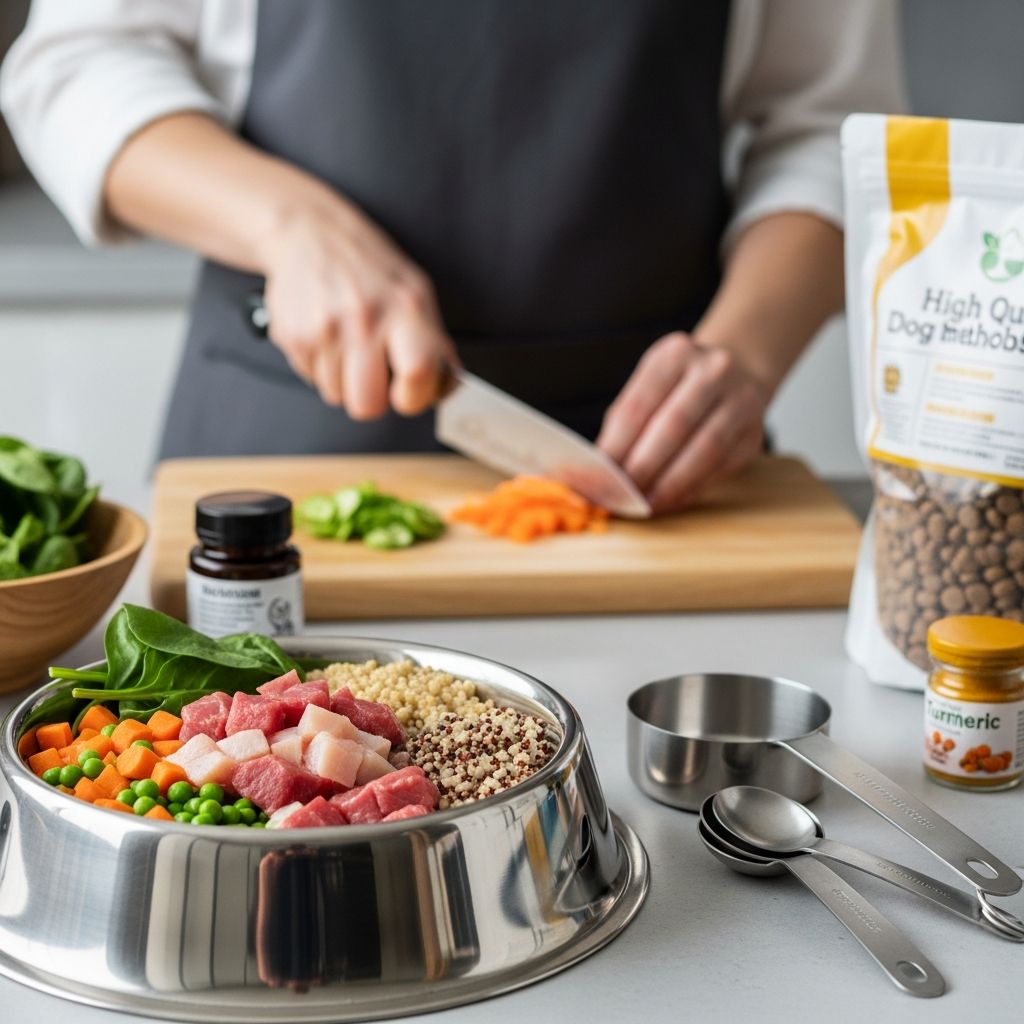
How Dog Food Preparation Methods Shape Nutritional Value and Pet Health
The way dog food is prepared fundamentally influences its nutritional composition, safety profile, and overall suitability for your pet’s dietary needs. From traditional kibble manufacturing to innovative freeze-drying techniques, each preparation method offers distinct advantages and considerations for dog owners seeking to optimize their companions’ nutrition. Understanding these differences empowers pet parents to make informed decisions aligned with their dogs’ specific health requirements and lifestyle factors.
The Foundation of Commercial Pet Food Production
Commercial dog food manufacturing encompasses multiple standardized processes designed to ensure consistency, safety, and nutritional completeness. Each method applies different combinations of heat, pressure, moisture control, and ingredient combinations to achieve shelf-stability while preserving essential nutrients. The choice of production technique directly affects ingredient bioavailability, which refers to how effectively a dog’s digestive system can absorb and utilize the nutrients present in the food.
Manufacturers carefully select ingredients based on their nutritional profiles and how they respond to specific processing conditions. The starting point involves precise ingredient selection and preliminary preparation, including washing, sorting, and sometimes grinding components before they enter the primary cooking phase. This foundational step ensures that only suitable materials enter the production line, reducing contamination risks and establishing baseline quality standards.
Extrusion: The Industry Standard for Dry Kibble
Extrusion remains the most prevalent method for manufacturing complete dry dog foods, accounting for the majority of kibble products available in retail markets. This process begins with mixing carefully selected ingredients into a uniform blend, followed by grinding to create consistent particle sizes. The prepared mixture then enters an extruder machine where controlled heat and pressure cook the food at high temperatures.
The extruded mixture exits the machine and is cut into uniform shapes and sizes, creating the characteristic kibble pieces familiar to most dog owners. Following extrusion, the food undergoes drying to remove moisture content, which prevents microbial growth and extends shelf life without requiring refrigeration. The final step involves coating the dried kibble with beneficial fats or palatants that enhance both nutritional value and palatability, making the food more appealing to dogs while introducing additional caloric content.
The advantages of extruded kibble include its affordability, convenience, and proven ability to meet complete and balanced nutritional standards. The process creates a shelf-stable product requiring no special storage conditions, and the standardized nature of kibble makes portion control straightforward for pet owners. However, the high-heat processing used in extrusion can reduce certain heat-sensitive nutrients, potentially necessitating supplementation to meet AAFCO standards.
Wet Food Processing Through Sterilization
Canned and pouched wet foods employ sterilization processes that differ fundamentally from extrusion methods. Sterilization involves cooking ingredients in sealed containers at elevated temperatures, effectively destroying pathogens while locking in both flavor and moisture. This technique allows the food to remain safe and edible for extended periods without requiring preservatives, as the sealed environment prevents recontamination.
The sterilization approach enables manufacturers to create diverse textures and presentations, including jelly-based meals, gravy-containing options, pâtés, and stew-like formulations. These varied presentations cater to different canine preferences and can enhance palatability for dogs with diminished appetites or texture preferences. The higher moisture content characteristic of sterilized wet foods provides hydration benefits that may be particularly valuable for dogs with specific health conditions or those that naturally have low water consumption habits.
Sterilized products maintain nutritional integrity through controlled temperature applications, though some heat-sensitive compounds may still experience degradation. The extended shelf life of sterilized foods makes them convenient for long-term storage, and many pet owners appreciate the portion-controlled packaging options available in this category.
Pasteurization: A Gentler Heat Application
Pasteurized dog foods represent a middle ground between raw feeding and fully sterilized products, employing lower cooking temperatures than sterilized alternatives. While pasteurization effectively eliminates pathogenic bacteria and spoilage microorganisms, it does not completely eradicate heat-resistant spores or the most resilient bacterial strains. Consequently, pasteurized products require refrigeration or freezing to maintain safety throughout their shelf life.
This processing technique offers versatility in product formulation, allowing for various complete and balanced dietary options including chubs and rolls with diverse textures, pouches featuring visible fruits and vegetables, and specialized treats. The lower temperature processing can help preserve certain heat-sensitive nutrients compared to sterilization, potentially offering enhanced nutritional profiles for dogs requiring specific micronutrient ratios. Pet owners appreciate the visible ingredient presentation in many pasteurized products, as whole pieces of meat, vegetables, and fruits remain recognizable in the final food.
Freeze-Drying: Preserving Raw Nutrition Without Refrigeration
Freeze-dried dog food represents an innovative approach to capturing the nutritional essence of raw diets while achieving shelf-stability. Freeze-drying removes moisture content from raw food without applying heat, preserving maximum nutrient retention. The process begins by freezing raw food components, then placing them in specialized freeze-dryer equipment that converts ice directly into water vapor—a transformation known as sublimation—without requiring a thawing step.
The moisture removal through freeze-drying inhibits pathogen growth, creating a shelf-stable product that requires no refrigeration while maintaining characteristics similar to raw diets. Pet owners can feed freeze-dried products directly as patties or nuggets, or rehydrate them with water or bone broth to create more traditional meal presentations. Freeze-dried dog food commands premium pricing due to the specialized equipment and careful processing required, but many pet owners consider the nutritional preservation benefits justify the additional expense.
The freeze-drying method particularly appeals to owners seeking raw-feeding benefits without the handling and storage challenges associated with frozen products. The extended shelf life and convenient packaging make freeze-dried options practical for travel, emergency preparedness, or supplemental feeding alongside other diet components.
Dehydration: Gentle Heat Processing at Low Temperatures
Dehydration shares similarities with freeze-drying in creating shelf-stable products without added preservatives, but diverges significantly in its moisture removal methodology. The dehydration process gradually cooks raw proteins at low temperatures specifically to dry them out while killing pathogens without completely cooking the food. This gentle approach maintains better nutritional integrity than traditional high-heat cooking methods while achieving the pathogenic reduction necessary for safety.
Dehydrated dog foods typically command mid-range pricing between standard kibble and freeze-dried products, offering cost-effectiveness combined with enhanced nutrient preservation compared to extrusion. The resulting texture remains somewhat softer than kibble while remaining shelf-stable, appealing to dogs with varying texture preferences or those transitioning from raw or fresh-food diets. The slow cooking process at controlled temperatures helps preserve vitamins, minerals, and beneficial compounds that might otherwise degrade under higher-heat processing.
Air-Drying: A Specialized Preservation Technique
Air-drying involves slowly removing moisture from pet food ingredients at lower temperatures without the freezing component characteristic of freeze-drying. Unlike freeze-dried products, air-dried foods gradually lose moisture through environmental exposure rather than sublimation, resulting in softer textures compared to kibble while maintaining shelf-stability without refrigeration. This method typically appears in premium raw-inspired diet lines, offering a middle ground between fully cooked kibble and raw products.
The gentle processing preserves nutrient density while creating convenient, shelf-stable options for conscientious pet owners. Air-dried products appeal to those seeking raw-diet philosophy without the complexity of frozen food management or the premium pricing of freeze-dried alternatives.
Cold-Pressing: Minimal Heat Processing Innovation
Cold-pressed pet food employs a unique manufacturing approach where ingredients combine with minimal heating before compression at low temperatures to form compact pellets. Unlike traditional extrusion methods that apply high heat and pressure, cold pressing retains more raw ingredient characteristics while creating a dense, shelf-stable product. The result mirrors the nutritional profile of raw diets while offering storage and handling convenience comparable to kibble.
Cold-pressed products occupy a distinctive niche for owners seeking raw-diet benefits combined with the practicality of non-refrigerated storage. The minimal heat application theoretically preserves more heat-sensitive nutrients, though the density of cold-pressed food means dogs typically consume smaller volumes compared to kibble to meet caloric needs.
Semi-Moist Formulations and Texture Diversity
Semi-moist dog foods achieve their characteristic soft texture through combining main ingredients with humectants—substances that attract and retain water molecules, keeping food moist while inhibiting harmful bacteria growth. Ingredients undergo cooking at controlled temperatures and extrusion into shaped pieces, followed by rapid cooling to establish uniform, safe texture. Humectants like glycerine or propylene glycol maintain softness, reduce moisture loss, and extend shelf life without requiring refrigeration, though preservatives are commonly incorporated.
Semi-moist foods bridge the gap between dry kibble and wet options, appealing to dogs preferring softer textures or owners seeking convenience without refrigeration requirements. The palatability often exceeds that of kibble, making semi-moist options useful for dogs with decreased appetite or picky eating habits.
Homemade Diet Formulation and Nutritional Considerations
Pet owners increasingly consider homemade diets to maintain direct control over ingredients and preparation methods. Successful homemade feeding requires careful attention to nutritional completeness, as improper formulation can result in significant nutrient imbalances affecting long-term health outcomes. Homemade diets must include properly selected protein sources, with different formulations required depending on whether the diet addresses maintenance needs or specific health conditions.
Effective homemade feeding typically incorporates multiple protein sources such as chicken, beef, tilapia, or lamb, complemented by appropriate carbohydrate bases like white rice and vegetable components including green beans, pumpkin, and zucchini. The specific ingredient combination varies based on the dog’s health status, with distinct formulations developed for maintenance diets versus those addressing food hypersensitivity or other medical conditions.
Proper cooking and ingredient safety represent critical considerations in homemade diet preparation. Most ingredients require cooking to eliminate harmful bacteria, parasites, and toxins present in raw foods. Conversely, certain ingredients pose inherent dangers regardless of preparation method, including chocolate, grapes, raisins, onions, macadamia nuts, avocado, alcohol, caffeine, and xylitol. Raw bones require careful consideration, as they can splinter and cause choking, intestinal obstruction, or perforation despite popular beliefs about raw-bone safety.
Homemade diets often require supplementation to achieve nutritional completeness, as whole-food ingredients alone may not provide adequate micronutrient balances. Pet owners pursuing homemade feeding should consult veterinary nutritionists to ensure formulations meet their dogs’ complete dietary requirements across all life stages and health conditions.
Comparing Nutritional Profiles Across Preparation Methods
| Preparation Method | Heat Application | Moisture Content | Storage Requirements | Nutrient Retention | Cost Range |
|---|---|---|---|---|---|
| Extrusion (Kibble) | High heat/pressure | Low (10-12%) | Shelf-stable | Moderate (supplementation needed) | Low-Moderate |
| Sterilization (Canned) | High heat | High (75-80%) | Shelf-stable | Moderate-High | Moderate |
| Pasteurization | Medium heat | High (60-70%) | Refrigerated | High | Moderate-High |
| Freeze-Drying | No heat | Very low (3-5%) | Shelf-stable | Very High | Premium |
| Dehydration | Low heat | Very low (5-10%) | Shelf-stable | High | Moderate-High |
| Air-Drying | Low heat | Very low (5-8%) | Shelf-stable | High | Moderate-High |
| Cold-Pressing | Minimal heat | Low-Moderate (8-15%) | Shelf-stable | Very High | Premium |
| Homemade (Cooked) | Variable | Variable | Refrigerated/Frozen | Variable | Low-Moderate |
Ingredient Quality and Commercial Food Labels
Real meat should consistently appear as the first ingredient listed on dog food labels, as the FDA requires ingredient listing in order of quantity by weight. The first ingredient represents the largest proportion of the recipe, and since dogs require substantial protein for optimal health, whole meat sources rather than meat meals should predominate. This distinction matters significantly, as meat meals concentrate specific components while whole meat provides broader nutrient diversity.
Discerning pet owners should scrutinize ingredient lists to identify and avoid artificial flavors, added supplements, or synthetic ingredients that indicate lower-quality formulations. Kibble and processed commercial foods employ harsh cooking methods that deplete ingredients of natural vitamins, minerals, and flavor, necessitating synthetic additives to replace lost nutrients and meet AAFCO standards. Understanding this reality helps pet owners recognize why premium formulations prioritize whole-food ingredients and gentle processing methods.
Beyond ingredient identification, evaluating AAFCO approval status and caloric content provides additional quality indicators. Proper caloric calculation based on individual dog characteristics—including weight, spay/neuter status, and activity level—ensures appropriate portion sizing and maintains healthy body weight management.
Selecting the Optimal Preparation Method for Your Dog
The ideal dog food preparation method depends on multiple individual factors including the dog’s age, health status, activity level, digestive sensitivity, and the owner’s priorities regarding convenience, cost, and nutritional philosophy. Dogs with specific health conditions may benefit from particular preparation methods—those requiring enhanced digestibility might thrive on pasteurized fresh foods, while allergy-prone dogs might benefit from homemade diets with controlled ingredient lists.
Budget considerations legitimately influence food selection, as freeze-dried and cold-pressed options command premium pricing that may prove unsustainable for larger dogs or multi-dog households. Conversely, owners prioritizing maximum nutrient retention might justify premium pricing for methods preserving nutritional integrity. Storage space and handling convenience similarly impact feasibility—refrigeration requirements eliminate some options for certain households, while others willingly accommodate frozen storage for preferred formulations.
Most nutrition experts suggest that consistency matters more than specific preparation method when selecting quality ingredients and maintaining stable formulations. Dogs thrive on varied, nutritionally complete diets regardless of whether they consume kibble, fresh food, or homemade meals, provided that nutritional requirements receive appropriate attention.
Frequently Asked Questions About Dog Food Preparation
Is kibble nutritionally inferior to fresh or raw food?
Kibble manufactured from quality ingredients and meeting AAFCO standards provides complete and balanced nutrition for most dogs. While processing reduces some heat-sensitive nutrients, manufacturers supplement formulations to maintain nutritional completeness. Individual dogs may benefit from fresher preparations, but premium kibble represents a nutritionally adequate option for many pets.
Can freeze-dried food completely replace traditional kibble?
Freeze-dried food provides nutritionally complete options suitable for primary feeding, though premium pricing typically restricts its use to supplemental feeding alongside kibble for budget-conscious owners. Some dogs thrive entirely on freeze-dried diets when owners prioritize maximum nutrient preservation and budget allows.
Are homemade diets safer than commercial options?
Homemade diets present both advantages and risks. While direct ingredient control eliminates concerns about commercial additives, improper preparation or incomplete nutrient formulation creates significant health risks. Commercial foods undergo safety testing and meet established nutritional standards, whereas homemade diets require veterinary nutritionist guidance to ensure adequacy.
How do I transition between different food preparation methods?
Gradual transitions over 7-10 days help prevent digestive upset. Replace approximately 25% of the current diet with the new food every few days, gradually increasing the new food proportion while decreasing the original diet. This slow introduction allows digestive systems to adjust to different ingredients and processing methods.
Do preparation methods affect food allergies?
Food sensitivities relate primarily to specific ingredients rather than preparation methods, though gentler processing may preserve allergenic proteins in raw-inspired diets. Dogs with true food allergies respond to ingredient elimination regardless of cooking method, while those with food sensitivities might tolerate cooked proteins better than raw versions.
Conclusion: Making Informed Nutritional Decisions
Dog food preparation methods fundamentally shape nutritional composition, safety profiles, and practical suitability for individual pets and households. From economical extruded kibble to premium freeze-dried options, each approach offers legitimate advantages worth considering alongside specific canine needs and family circumstances. Understanding how different preparation techniques affect nutrient preservation, cost, convenience, and digestibility empowers pet owners to select formulations supporting their dogs’ long-term health and wellbeing. Consulting with veterinary nutritionists provides additional guidance when selecting specialized diets or addressing health-related feeding challenges.
References
- Homemade versus extruded and wet commercial diets for dogs — National Center for Biotechnology Information (NCBI). 2020. https://pmc.ncbi.nlm.nih.gov/articles/PMC7380597/
- Different processing methods — UK Pet Food. 2024. https://www.ukpetfood.org/pet-care-advice/other-advice/how-pet-food-is-made/different-pet-food-processing-methods.html
- A Guide to Different Dog Food Types — Good Dog People. 2024. https://gooddogpeople.com/blogs/dog-talk/a-guide-to-different-dog-food-types
- Fresh vs Raw Dog Food vs Kibble: Which Diet Is Best For Your Dog? — American Kennel Club (AKC). 2024. https://www.akc.org/expert-advice/nutrition/fresh-raw-kibble-dog-food/
- How to Compare Dog Food Brands & Recipes — Sundays for Dogs. 2024. https://sundaysfordogs.com/blog/how-to-compare-dog-food-brands-recipes
- Homemade vs. Commercial Dog Food: Making the Best Nutritional Choice — Pureform Pet Health. 2024. https://pureformpethealth.com/blogs/pureform-pet-care/homemade-vs-commercial-dog-food-making-the-best-nutritional-choice
Similar Articles








Read full bio of Sneha Tete