

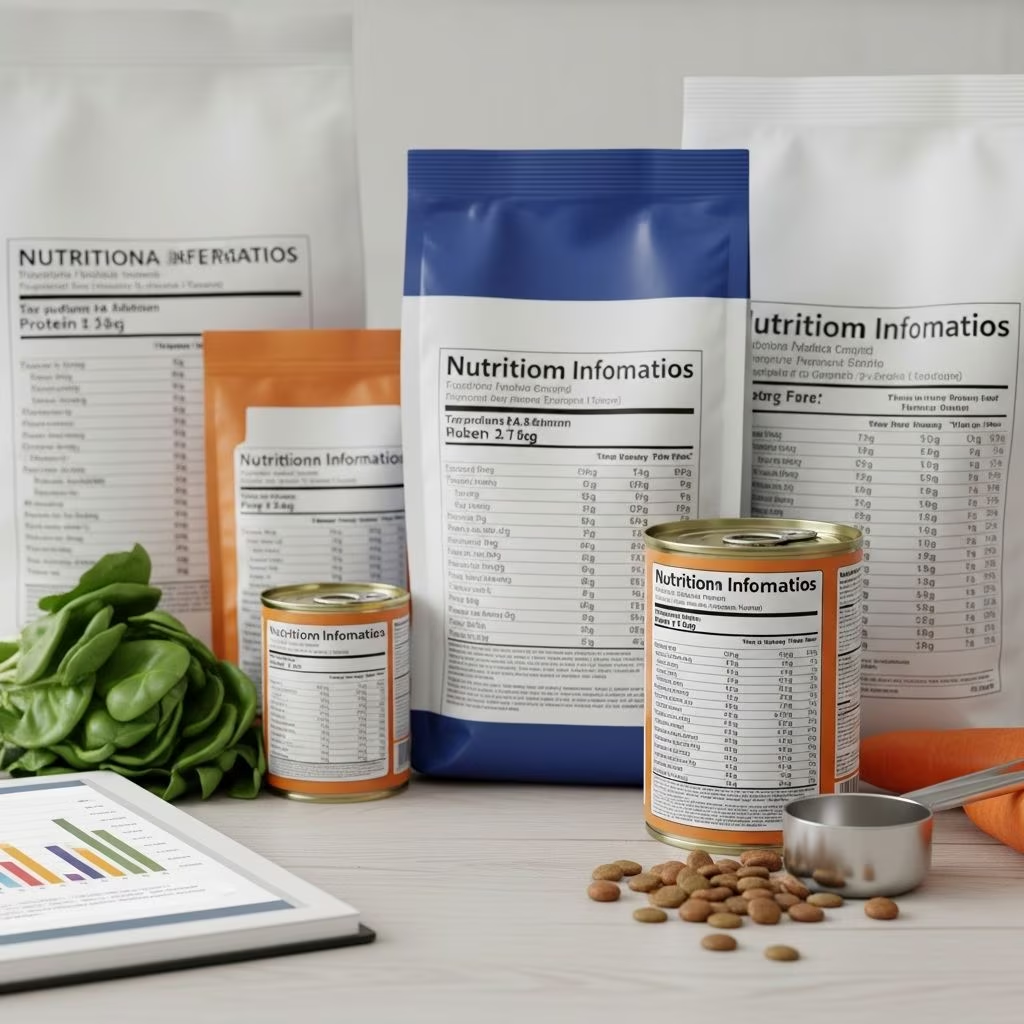
Understanding Dog Food Labels and Nutrition
Choosing the right food for your dog is one of the most important decisions you can make as a pet owner. However, with the overwhelming number of options available on store shelves, understanding how to read and interpret dog food labels becomes essential. Dog food labels serve as a crucial tool for making informed nutritional choices for your canine companion. They provide detailed information about ingredients, nutrient content, and whether the food meets established nutritional standards. By learning to decode these labels, you can ensure your dog receives a balanced, complete diet that supports their health, energy levels, and longevity.
The Essential Components of Dog Food Labels
Dog food labels are regulated documents that must follow strict formatting guidelines established by the Association of American Feed Control Officials (AAFCO) and the FDA. Understanding each component of the label helps you make better nutritional decisions for your pet.
Product Name and Brand Information
The product name and brand identifier appear at the top of the package. This information helps you identify the specific formula you’re purchasing. The name often reflects the primary ingredient, which can provide quick insight into the food’s composition.
Net Quantity Statement
This section displays the weight or volume of food in the package, typically measured in pounds or ounces for dry food and measured in fluid ounces or cans for wet food. Knowing the exact quantity helps you calculate cost-per-pound comparisons when evaluating different brands.
Intended Species Declaration
This clearly states that the product is formulated for dogs. This distinction is important because nutritional requirements differ between species, and food designed for cats or other animals may not meet your dog’s specific needs.
Decoding the Ingredient List
The ingredient list is perhaps the most important section of a dog food label. According to AAFCO regulations, ingredients must be listed in descending order by weight, meaning the first ingredient comprises the largest percentage of the food by weight.
Understanding Ingredient Order and Prominence
The ingredient listed first represents the greatest amount of the product. This is crucial when selecting a food because it tells you what your dog is primarily consuming. High-quality dog foods typically list a specific meat protein as the first ingredient, such as chicken, beef, fish, or lamb. These whole muscle proteins provide essential amino acids necessary for muscle development and maintenance.
The 95% Rule and The 25% Rule
According to AAFCO regulations, if a dog food product is named after a single ingredient, such as “Chicken Dog Food,” that ingredient must comprise at least 95% of the product (excluding water used for processing). When counting the water content added during processing, the named ingredient must represent at least 70% of the total product.
Products labeled with “with” in the name, such as “Dog Food with Chicken,” must contain between 3% and 25% of the named ingredient. This distinction is important because the “with” designation allows for a much lower percentage of the featured ingredient.
Distinguishing Between Ingredient Types
Dog food ingredients can appear in different forms that affect their nutritional value and digestibility. Whole muscle meat contains natural moisture, while meat meals are concentrated protein sources created by removing moisture. By-products are less desirable parts of animals but can still provide nutritional value. Plant-based protein sources like soy and corn gluten meal are used to increase the overall protein percentage but are less digestible for dogs than animal-based proteins.
The Importance of Reading Beyond the First Ingredient
While the first ingredient matters, examining the next several ingredients provides a more complete picture of the food’s nutritional profile. The first five ingredients typically represent the bulk of the formula and should ideally include quality protein sources, digestible carbohydrates, and beneficial fats.
Key Nutrients Your Dog Needs
Dogs require specific nutrients to maintain optimal health and support vital body functions. Understanding these requirements helps you evaluate whether a food meets your dog’s needs.
Protein Requirements
Protein is essential for building and maintaining lean muscle mass, producing new skin cells, and supporting hair growth. High-quality protein sources provide complete amino acid profiles that dogs cannot synthesize independently. These include meat (beef, lamb, poultry), fish (salmon, whitefish), and some plant-based sources. For adult dogs at maintenance, AAFCO guidelines recommend a minimum of 22% crude protein on a dry matter basis.
Fats and Fatty Acids
Dietary fats provide concentrated energy and contain essential fatty acids like omega-3 and omega-6, which support skin and coat health, cognitive function, and immune system response. Quality fat sources include fish oils, chicken fat, and flaxseed. AAFCO guidelines establish a minimum of 5% crude fat for adult dogs at maintenance.
Carbohydrates and Fiber
Carbohydrates provide energy and fiber supports gastrointestinal health and regular bowel function. Fiber sources include wheat bran, inulin (a prebiotic), powdered cellulose, beet pulp, dried chicory root, and fructooligosaccharides. These ingredients help maintain colon health and support a healthy microbiome.
Vitamins and Minerals
Dogs require essential vitamins including A, D, E, K, and B-complex vitamins. Mineral requirements include calcium, phosphorus, magnesium, potassium, sodium, chloride, iron, copper, zinc, and manganese. These micronutrients support bone health, immune function, and metabolic processes.
The Guaranteed Analysis Section
The guaranteed analysis provides crucial information about the nutrient composition of the food. This section must include minimum percentages of crude protein and crude fat, as well as maximum percentages of crude fiber and moisture. Additional nutrients may also be listed, such as calcium, phosphorus, and specific vitamins and minerals.
Understanding “Crude” Measurements
The term “crude” indicates that the measurement method provides a rough estimate of nutrient quantity rather than exact amounts. This doesn’t reflect the quality of the nutrients but rather the testing methodology used. Different testing methods can yield varying results, which is why manufacturers must use AAFCO-approved testing procedures.
Interpreting Percentage Values
The guaranteed analysis presents percentages on an “as-fed” basis, meaning the values include the moisture content of the food. This is important when comparing dry kibble to canned food, as canned products contain significantly more moisture. To make accurate comparisons between different food types, you would need to calculate the dry matter basis by removing moisture percentages, though manufacturers aren’t required to provide this calculation.
Calorie Content Information
Calories are typically listed in kilocalories per kilogram and per cup, can, or biscuit. This information helps you determine appropriate portion sizes for your individual dog based on their age, weight, activity level, and health status. Understanding calorie content prevents overfeeding, which can lead to obesity and associated health problems.
The Nutritional Adequacy Statement
The nutritional adequacy statement, also called the AAFCO statement, is the most critical piece of information on a dog food label. This statement indicates whether the food is complete and balanced according to AAFCO nutrient profiles established for specific life stages.
Life Stage Designations
AAFCO has developed nutrient profiles for different life stages including growth (puppies), reproduction (gestation and lactation), adult maintenance, and senior dogs. A separate nutrient profile exists for large-breed puppy growth, as these puppies have specific calcium and phosphorus requirements different from small-breed puppies. The nutritional adequacy statement specifies which life stages the food is appropriate for, ensuring the formula meets the specific nutritional needs of that demographic.
Complete and Balanced Claims
When a food is labeled as “complete and balanced,” it means the product has met specific government standards established by AAFCO. These foods contain the proper amount and ratio of essential nutrients necessary for all life stages of adult dogs. Complete and balanced claims are not simply marketing terms but legal statements backed by nutritional research and testing.
Additional Label Information
Beyond the primary components, dog food labels contain several other important pieces of information that guide purchasing and feeding decisions.
Feeding Guidelines and Directions
Manufacturers provide recommended daily feeding amounts based on your dog’s weight. These guidelines offer a starting point, but individual dogs may require adjustments based on age, health status, spay/neuter status, activity level, and weight management goals. Your veterinarian can help you determine the appropriate portion size for your specific dog.
Manufacturer Information
The label includes the manufacturer’s name and address, along with contact information. This allows you to verify the product’s authenticity and reach out with questions or concerns about specific batches.
Best By and Expiration Dates
These freshness dates ensure the food maintains its nutritional quality and safety. Storing dog food properly and using it before the expiration date prevents nutrient degradation and reduces the risk of contamination or spoilage.
What You Should Avoid on Dog Food Labels
While reading labels, watch for certain warning signs that indicate lower-quality products. Products listing “meat by-products” or “animal by-products” rather than specific meat sources provide less nutritional value. Vague terms like “animal protein products” are not allowed under AAFCO regulations. Additionally, products with excessive artificial colors, flavors, or preservatives may indicate lower quality formulations.
Understanding Flavor Designations
If an ingredient is listed with the word “flavor,” such as “Chicken Flavor Dog Food,” it means the product contains less than 3% of that ingredient and may actually contain none of the named ingredient at all. This designation indicates that the flavor is derived from other sources rather than the primary ingredient.
Comparing Different Food Types
When evaluating dog foods, remember that dry kibble, canned, and raw formulas have different moisture contents and nutrient densities. Comparing products on a cost-per-pound basis rather than price per bag gives you a more accurate picture of value. Additionally, converting guaranteed analysis percentages to a dry matter basis allows for more accurate comparisons across different food types.
Frequently Asked Questions (FAQs)
Q: What is the most important part of a dog food label?
A: The nutritional adequacy statement (AAFCO statement) is the most important part of a dog food label. It indicates whether the food meets government standards for complete and balanced nutrition for your dog’s specific life stage.
Q: How do I compare prices between different dog food brands?
A: Compare products on a cost-per-pound or cost-per-ounce basis rather than comparing package prices. This accounts for different package sizes and allows you to identify the best value.
Q: What percentage of protein should adult dog food contain?
A: According to AAFCO guidelines, adult dog food at maintenance should contain a minimum of 22% crude protein on a dry matter basis. However, individual dogs may have varying protein requirements based on their activity level and health status.
Q: Can I trust ingredient lists to determine food quality?
A: The ingredient list provides important information, but it should be evaluated alongside the guaranteed analysis and AAFCO statement. The order of ingredients matters, but the overall nutritional profile matters equally.
Q: What does “meat meal” mean on a dog food label?
A: Meat meal is a concentrated protein source created by removing moisture from meat. While less appealing than whole muscle meat, it provides significant protein and nutrients and is a legitimate ingredient.
Q: How do I know if a dog food is appropriate for my dog’s life stage?
A: Check the nutritional adequacy statement on the label. It specifies which life stages the food is formulated for, such as growth (puppies), reproduction, or adult maintenance.
Q: Why do canned dog foods require higher serving amounts than dry kibble?
A: Canned foods contain significantly higher moisture content than dry kibble. To meet your dog’s nutritional needs, you must feed a larger volume of canned food daily compared to the same formula in dry form.
Q: What does “complete and balanced” actually mean?
A: “Complete and balanced” means the food has met specific AAFCO standards and provides all necessary nutrients in proper amounts and ratios for your dog’s life stage. It’s a regulated claim backed by testing and research.
References
- A Guide to Dog Food Ingredients and Reading Dog Food Labels — PetMD. https://www.petmd.com/dog/nutrition/pet-food-ingredient-and-label-guide
- How to Read a Dog Food Label – Nutrition — American Kennel Club. https://www.akc.org/expert-advice/nutrition/how-to-read-a-dog-food-label/
- Deciphering Dog Food Labels — VCA Animal Hospitals. https://vcahospitals.com/know-your-pet/deciphering-dog-food-labels
- Pet Foods: How to Read Labels — University of Nebraska-Lincoln Extension. https://extensionpublications.unl.edu/assets/html/g1960/build/g1960.htm
- Reading Labels — AAFCO (Association of American Feed Control Officials). https://www.aafco.org/consumers/understanding-pet-food/reading-labels/
- Pet Food — FDA (U.S. Food and Drug Administration). https://www.fda.gov/animal-veterinary/animal-foods-feeds/pet-food



