

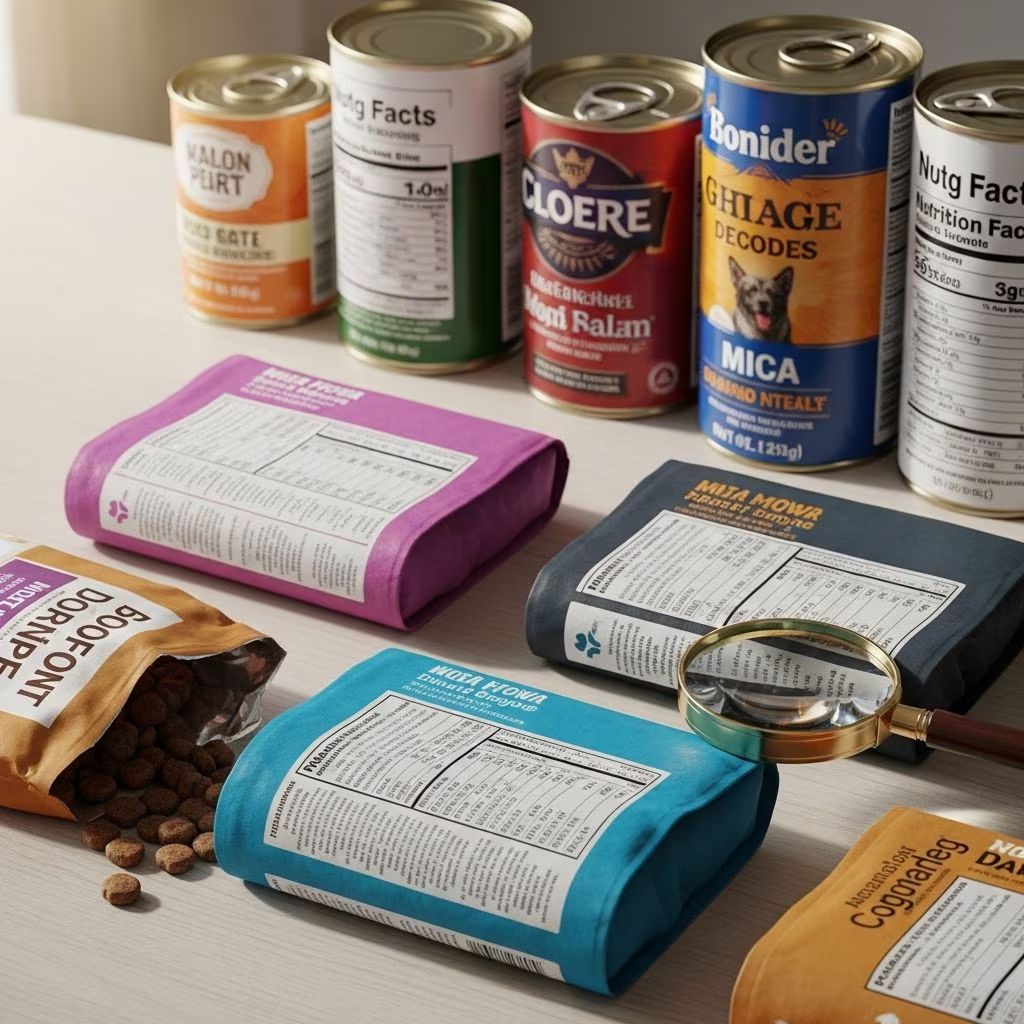
Understanding dog food labels is essential for selecting products that meet your pet’s nutritional needs. Labels provide critical details on ingredients, nutrient levels, and compliance with standards set by organizations like the Association of American Feed Control Officials (AAFCO).
Essential Components of Every Dog Food Label
Dog food packaging must include specific information mandated by regulatory bodies. These elements ensure transparency and help owners compare options effectively.
- Product and Brand Name: Identifies the specific formula and manufacturer.
- Intended Species: Confirms the food is for dogs, distinguishing it from cat or other pet foods.
- Net Weight: States the total quantity in pounds or kilograms.
- Ingredient Statement: Lists all components in descending order of weight before processing.
- Guaranteed Analysis: Provides minimum percentages for protein and fat, maximums for fiber and moisture.
- Feeding Directions: Offers guidelines based on dog size, age, and activity level.
- Nutritional Adequacy Statement: Indicates if the food is complete for growth, maintenance, or specific life stages per AAFCO guidelines.
These required sections form the foundation for evaluating any dog food product.
Mastering the Guaranteed Analysis Section
The guaranteed analysis reveals key nutrient percentages, allowing comparisons across brands. It lists minimum crude protein and fat levels, plus maximum crude fiber and moisture.
| Nutrient | Typical Range | Purpose |
|---|---|---|
| Crude Protein (min) | 20-30% | Supports muscle maintenance and growth |
| Crude Fat (min) | 10-20% | Provides energy and aids nutrient absorption |
| Crude Fiber (max) | 5-8% | Promotes digestive health |
| Moisture (max) | 10-12% (dry), 78% (wet) | Indicates water content |
Additional nutrients like calcium, phosphorus, omega-3s, and vitamins may appear, often in milligrams per kilogram. Note that ‘crude’ refers to analytical methods, not quality. For instance, dry foods typically have higher percentages than wet ones due to lower moisture.
Deciphering the Ingredient List
Ingredients appear in descending order by pre-cooking weight, a rule enforced by the FDA. The first item dominates, but moisture content can mislead—meats high in water may drop in ranking after drying.
Examples from labels illustrate this:
- Lamb might lead, followed by grains like rice flour and corn, then by-products.
- Post-processing, lower-listed items like chicken by-product meal could contribute more dry matter protein.
AAFCO defines terms: ‘chicken’ means clean flesh, skin, and organs; ‘chicken meal’ is rendered product with most water and fat removed, concentrating protein.
AAFCO Naming Rules Explained
Product names follow strict percentage-based rules to prevent misleading claims.
- 95% Rule: Names like ‘Chicken Dog Food’ require at least 95% chicken (70% including water), with 5% for additives.
- 25% Rule: ‘Dinner’ or ‘Platter’ with a named ingredient needs 25% of that item.
- 3% or ‘With’ Rule: ‘With Beef’ means at least 3% beef.
- Flavor Rule: ‘Beef Flavor’ needs only enough for taste, often extracts.
These ensure names reflect composition accurately.
Common Ingredients and Their Roles
Beyond main proteins and carbs, labels feature additives for nutrition, preservation, and palatability.
Proteins and By-Products
Named meats provide high-quality protein; by-product meals offer cost-effective alternatives with bones, organs, and tissues. Chicken by-product meal, for example, is nutrient-dense despite its name.
Grains and Carbs
Rice, corn, and wheat supply energy and fiber. Whole grains retain more nutrients than flours.
Fats and Oils
Chicken fat or fish oil deliver essential fatty acids for skin and coat health.
Vitamins, Minerals, and Additives
- Mixed Tocopherols: Natural vitamin E blend preserves freshness.
- DL-Methionine: Essential amino acid supplement, common in plant-heavy formulas.
- Calcium Carbonate: Calcium source and preservative.
- Glycerin: Moisturizer and mild sweetener.
- Probiotics: Like Lactobacillus for gut health.
The ‘salt divide’ signals minor ingredients: anything after salt (added at ~0.3-1%) is under 1%.
Calorie Content and Feeding Guidelines
Labels state calories in kcal/kg and per cup/can, crucial for weight management. Feeding amounts adjust for age, size, and activity—puppies need more, seniors less.
Consult vets for personalized advice, as labels provide general starting points.
Frequently Asked Questions
What are the ideal first five ingredients?
Prefer a named meat first, followed by quality carbs, fats, and supplements. Avoid fillers dominating.
Is ‘meal’ better than whole meat?
Meals are concentrated protein sources; neither is inherently superior—evaluate full nutrition.
What does AAFCO approval mean?
It confirms the food meets standards for complete nutrition via formulation or feeding trials.
How do dry vs. wet foods compare nutritionally?
Dry has higher nutrient percentages due to low moisture; compare on dry matter basis for fairness.
Are grain-free diets necessary?
Not for most dogs; grains provide benefits unless allergies exist.[10]
Practical Tips for Smart Shopping
Match food to your dog’s life stage, health needs, and preferences. Ignore marketing hype; prioritize AAFCO statements and balanced profiles. Transition gradually over 7-10 days to avoid digestive upset.
Consult veterinarians for breeds with special requirements, like large joints or sensitive stomachs.
References
- Deciphering Dog Food Labels pt 2: The Ingredients List — Thriving Canine. 2023. https://www.thrivingcanine.com/blog/deciphering-dog-food-labels-pt-2-the-ingredients-list/
- How to Read a Dog Food Label — American Kennel Club (AKC). 2024-02-15. https://www.akc.org/expert-advice/nutrition/how-to-read-a-dog-food-label/
- A Guide to Dog Food Ingredients and Reading Dog Food Labels — PetMD. 2025-01-10. https://www.petmd.com/dog/nutrition/pet-food-ingredient-and-label-guide
- Reading Labels — Association of American Feed Control Officials (AAFCO). 2025. https://www.aafco.org/consumers/understanding-pet-food/reading-labels/
- Deciphering Dog Food Labels — VCA Animal Hospitals. 2024. https://vcahospitals.com/know-your-pet/deciphering-dog-food-labels



