
Keeping Your Dog’s Food Fresh and Safe
Essential techniques for maintaining nutritional quality and preventing contamination
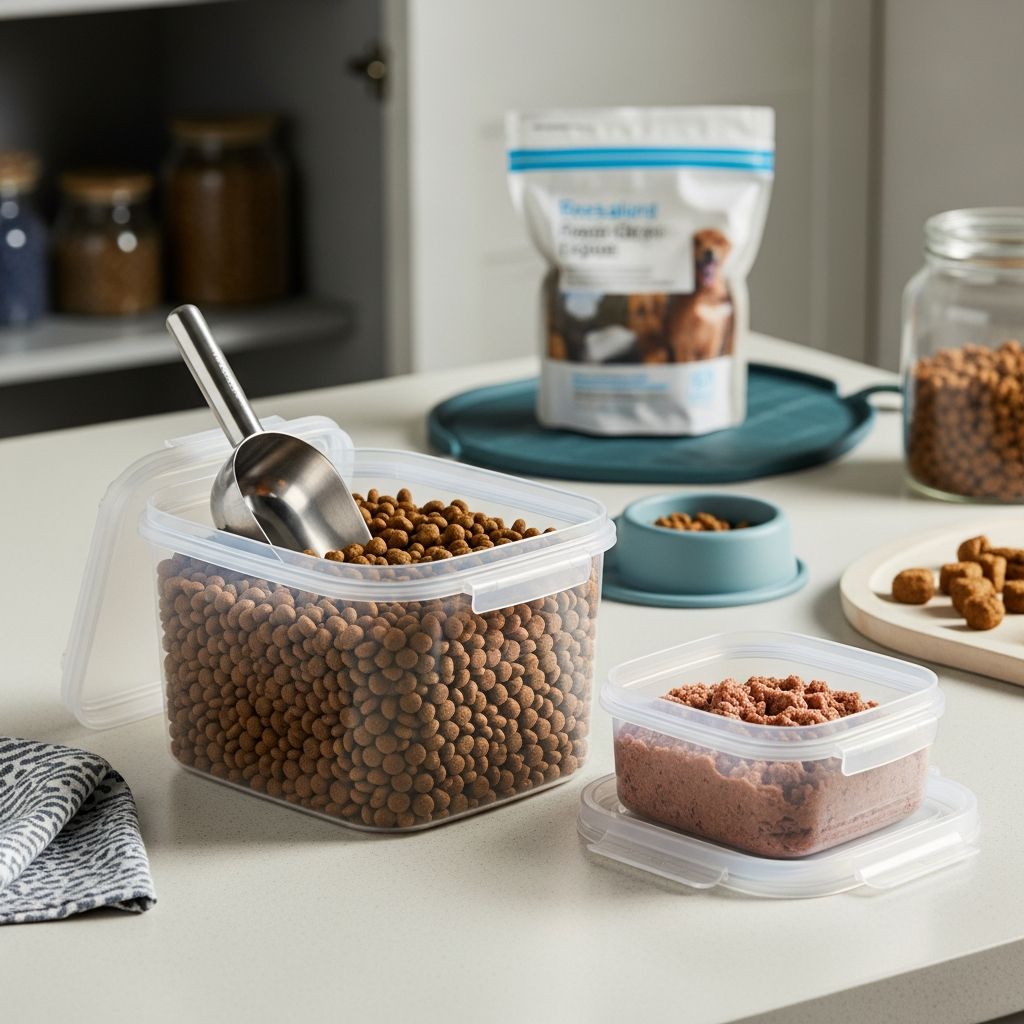
Keeping Your Dog’s Food Fresh and Safe: A Comprehensive Storage Guide
The quality of your dog’s food begins long before it reaches your pet’s bowl. Proper storage practices directly influence the nutritional integrity, freshness, and safety of what your dog consumes daily. Many pet owners overlook this critical aspect of pet care, yet inadequate storage can lead to nutrient degradation, rancidity, bacterial contamination, and potential health issues for your companion. Understanding and implementing correct storage methods protects your investment in premium nutrition while safeguarding your dog’s wellbeing.
Why Food Storage Matters for Your Dog’s Health
Dog food, particularly dry kibble, is engineered to maintain nutritional value and palatability under specific conditions. Manufacturers carefully balance ingredients and apply protective coatings to preserve nutrients over time. However, once this engineered environment is compromised through improper storage, degradation begins immediately. Exposure to air oxidizes the protective oils that coat kibble, leading to rancidity. Moisture invites mold growth and bacterial proliferation. Heat accelerates the breakdown of essential vitamins and minerals. These environmental factors don’t just diminish food quality—they can create dangerous conditions for your pet.
The stakes extend beyond nutrition. Contaminated food can introduce pathogens that cause gastrointestinal distress, allergic reactions, or more serious infections. By establishing consistent storage practices, you maintain a critical foundation of your dog’s overall health regimen.
Temperature Control: Creating the Ideal Environment
Temperature stands as the primary environmental factor affecting food stability. The U.S. Food and Drug Administration (FDA) establishes clear guidelines for pet food preservation, recommending storage temperatures below 80 degrees Fahrenheit. This threshold isn’t arbitrary—it represents the point at which heat begins accelerating nutrient degradation and fat oxidation.
Storage locations matter significantly. Many pet owners choose convenient spots like garages, sheds, or outdoor covered areas, but these environments frequently exceed safe temperature ranges, particularly in warmer seasons. Extended exposure to temperatures above 100 degrees Fahrenheit can cause vitamins to break down rapidly and fats to become rancid within hours. Even brief periods at elevated temperatures compromise food quality.
Ideal storage locations include:
- Interior closets away from appliances that generate heat
- Climate-controlled pantries or food storage areas
- Basements or interior storage rooms with stable temperatures
- Air-conditioned spaces that maintain consistent conditions year-round
Consistency proves as important as the absolute temperature. Fluctuating conditions stress the food’s stability more than steady, slightly warmer storage. Choose a location with minimal temperature variation throughout the day and across seasons.
Managing Moisture: The Hidden Enemy
Moisture represents the second critical environmental factor. Dry kibble is manufactured to contain minimal moisture content, which ensures both shelf stability and nutritional preservation. Exposure to humidity inverts this balance, creating conditions where mold thrives and nutrients deteriorate.
High moisture environments accelerate several degradation processes simultaneously. Mold growth poses direct health risks to your pet, while absorbed moisture creates clumping that makes the food less palatable. Bacteria multiply more readily in moist conditions, potentially introducing pathogens.
Combat moisture through these strategies:
- Store food away from sinks, bathrooms, and laundry areas where humidity spikes
- Avoid basements prone to dampness unless they’re actively climate-controlled
- Use dehumidifiers in storage spaces if ambient humidity is consistently high
- Keep storage areas elevated off the floor, which accumulates ground moisture
Selecting Appropriate Storage Containers
The container you choose becomes the primary barrier between your dog’s food and environmental contaminants. Material selection influences both protection and practicality.
Airtight Plastic Containers
Plastic containers offer accessibility, affordability, and ease of handling. They’re available in sizes ranging from 3 pounds to 50 pounds, accommodating various feeding schedules and living situations. When selecting plastic containers, prioritize BPA-free options to minimize your dog’s exposure to potentially harmful chemicals.
The critical requirement is true airtightness. The container must form a complete seal that prevents air infiltration and moisture exchange. Regularly inspect plastic containers for cracks or warping, as these compromise their protective function. Wash and dry plastic containers thoroughly between refills to eliminate residual oils and prevent rancidity transfer to fresh food.
Stainless Steel Containers
Stainless steel provides superior durability and cleanliness compared to plastic. These containers resist odor absorption, don’t degrade over time, and clean more easily. They’re particularly valuable for households with multiple pets or for long-term storage spanning years. While stainless steel containers typically cost more initially, their longevity represents better long-term value.
Hybrid Storage Approach
Many pet nutrition experts recommend storing the original food bag inside an airtight container. This dual-barrier method provides maximum protection. The original bag maintains the manufacturer’s protective packaging and retains critical information including the product name, lot number, manufacture date, and best-by date. This documentation proves invaluable if a product recall occurs or if you need to verify food freshness. The surrounding airtight container adds an extra shield against external moisture and air.
Handling Dry Kibble: From Package to Bowl
Dry food requires specific handling practices throughout its lifecycle. Upon purchase, inspect packaging for any damage that might have already compromised the food’s integrity. Avoid bags with holes, tears, or evidence of pest activity.
For unopened bags, storage in the original packaging is acceptable if kept in a cool, dry location. However, once opened, the bag’s protective seal no longer functions adequately. Roll down the bag’s sides tightly and secure with a clip-style closure, or better yet, transfer the contents to a dedicated airtight container.
Consumption timeline matters. Once opened, dry dog food maintains optimal nutritional quality for approximately 30 days. After this period, fat oxidation and nutrient degradation accelerate noticeably. Establish a system to track opening dates, whether through labeling containers or maintaining feeding logs.
Never store kibble directly on floors or in locations where pests can access it. Elevation reduces contact with ground moisture and creates a barrier against rodents and insects.
Preserving Wet and Canned Food: Different Requirements
Canned and wet dog foods present distinct storage challenges because their high moisture content creates fundamentally different preservation needs compared to dry kibble.
Unopened Cans and Pouches
Before opening, canned dog food can be stored in cool, dry conditions at temperatures between 50–100°F. Do not freeze unopened canned food, as freezing can alter texture and palatability, making it less appetizing to your dog. While some frozen canned food remains technically safe, the quality degradation makes it an inadvisable practice.
Store unopened cans away from heat sources and ensure adequate air circulation around storage areas. Check cans regularly for bulging, rust, or damage that might indicate spoilage or bacterial contamination.
After Opening: Refrigeration and Timelines
Once opened, canned and wet dog food transforms into a highly perishable product. Refrigerate immediately after opening, placing the food in a container set to 40°F or below. Seal the can or transfer contents to an airtight container with a plastic lid designed for pet food storage, as this prevents moisture loss, odor transfer, and contamination.
Opened wet food presents a narrow consumption window. Most sources recommend using opened canned food within 3–5 days of refrigeration. After this period, bacterial growth becomes a concern even under refrigeration. When in doubt about freshness, discard the food rather than risk your pet’s health.
Never leave wet food in your dog’s bowl for extended periods. Remove uneaten portions within 4 hours if ambient temperature exceeds 50°F, or immediately if the food has been sitting out longer than that at warmer temperatures. Leaving wet food exposed creates conditions where harmful bacteria multiply rapidly.
Can Covers and Protective Measures
Plastic can covers designed specifically for pet food cans provide optimal protection for opened canned food. These covers prevent moisture loss, minimize odor transfer to other refrigerated items, and create a physical barrier against contamination. If can covers aren’t available, plastic wrap offers a workable alternative, though it’s less effective than dedicated covers.
Fresh and Raw Food Storage: Specialized Approaches
Fresh, refrigerated dog foods require continuous refrigeration both before and after opening. Unlike canned food that can tolerate some temperature variation, fresh formulas remain highly perishable. Maintain refrigeration at 35–40°F to prevent bacterial growth.
Fresh food maintains quality for 3–4 days after opening under refrigeration. For longer storage, freeze portions in airtight containers or bags at 0°F or below. Frozen fresh food remains usable for up to three months, allowing you to buy in bulk while maintaining nutritional quality. Thaw frozen portions in the refrigerator before serving, never at room temperature.
Freezing Dog Food: When and How
Freezing extends the shelf life of both wet and fresh dog food significantly. Freeze food in airtight bags or containers specifically designed for freezer storage, as regular containers may become brittle at freezing temperatures. When frozen properly, wet and fresh foods remain safe for 6–9 months.
Dry kibble can also be frozen if you purchase in large quantities and want to preserve freshness. Transfer kibble to airtight freezer containers and maintain at 0°F or below. Thaw kibble to room temperature before opening containers to prevent condensation that could introduce moisture.
Container Maintenance: Essential Cleaning Practices
Storage containers require regular cleaning to maintain their protective function. Between bags of food, wash containers with warm soapy water and dry completely. Residual oils from previous kibble accumulate on container surfaces, potentially becoming rancid and contaminating fresh food.
Inspect containers for damage, discoloration, or signs of pest activity during cleaning. Replace containers that show cracks, warping, or compromised seals. Store cleaning supplies separately from food storage areas to prevent cross-contamination.
Recognizing Spoiled Dog Food: Warning Signs
Despite following proper storage practices, occasionally food may spoil. Learn to recognize warning indicators:
- Odor changes: Any unusual, sour, or unpleasant smell indicates spoilage
- Discoloration: Look for spots, discoloration, or unusual coloring in kibble or canned food
- Texture changes: Clumping, mushiness, or unusual texture suggests moisture contamination or age
- Visible mold: Any mold growth, regardless of location, requires immediate disposal
- Pest evidence: Droppings, insects, or damage indicate contamination
When uncertain about food safety, err on the side of caution and discard it. The minimal cost of replacing questionable food is insignificant compared to potential veterinary expenses from foodborne illness.
Tracking Freshness: Documentation Systems
Implement a simple tracking system to ensure you use food within recommended timeframes. Label containers with purchase dates and opening dates using waterproof markers. This prevents accidentally serving expired food and helps you rotate stock efficiently.
For households feeding multiple dogs or using combination feeding strategies, maintain a brief log noting which food was opened when. This becomes invaluable if your dog experiences digestive upset and you need to trace recent dietary changes.
Location Considerations: Where to Store Food
Beyond temperature and humidity, location determines accessibility and protection. Consider these factors:
- Security from pets: Store food in locations where determined dogs cannot access it independently
- Pest prevention: Choose areas protected from rodents and insects through elevation and distance from entry points
- Convenience: Balance ideal conditions with practical daily access for feeding
- Separation from human food: Maintain dedicated storage space for pet food to prevent cross-contamination and confusion
Frequently Asked Questions
How long does dog food stay fresh once opened?
Dry kibble maintains quality for approximately 30 days after opening. Canned and fresh foods should be consumed within 3–5 days of opening and refrigeration. These timelines assume proper storage conditions are maintained.
Can I store dog food in my refrigerator?
Dry kibble doesn’t require refrigeration and shouldn’t occupy valuable refrigerator space. Fresh and opened canned foods absolutely require refrigeration at 40°F or below. If space is limited, prioritize fresh food storage and maintain dry kibble in airtight containers elsewhere.
Is plastic storage safe for dog food?
Yes, plastic containers are safe when BPA-free and properly maintained. Wash thoroughly between refills and inspect regularly for damage. The convenience and affordability of plastic make it a practical choice for most households.
Should I keep food in the original bag?
The original bag provides valuable protection and retains critical information like lot numbers and best-by dates. The ideal approach is storing the original bag inside an airtight container for dual protection.
Summary: Creating Your Storage System
Proper dog food storage combines multiple elements into a cohesive system. Maintain temperatures below 80°F in dry, cool locations. Select airtight containers—whether plastic or stainless steel—and clean them thoroughly between refills. Track opening dates and consume food within recommended timeframes. Refrigerate wet and fresh foods immediately, and freeze for longer storage. By implementing these practices consistently, you protect your dog’s nutrition, extend food freshness, and contribute to long-term health and wellbeing.
References
- Dog Food Storage: How To Store Dog Food — Chewy. Accessed March 2026. https://www.chewy.com/education/dog/food-and-nutrition/best-practices-for-proper-dog-food-storage
- Tips on How to Store Your Dog or Cat Food Properly — Hill’s Pet Nutrition. Accessed March 2026. https://www.hillspet.com/pet-care/nutrition-feeding/cat-and-dog-food-storage-tips
- Proper Storage of Pet Food & Treats — U.S. Food and Drug Administration. Accessed March 2026. https://www.fda.gov/animal-veterinary/animal-health-literacy/proper-storage-pet-food-treats
- Dog Food Storage: How to Store Dog Food — Purina US. Accessed March 2026. https://www.purina.com/articles/dog/feeding/guides/how-to-store-dog-food
- Safe handling of pet food and pet treats — American Veterinary Medical Association. Accessed March 2026. https://www.avma.org/resources-tools/pet-owners/petcare/safe-handling-pet-food-and-pet-treats
- How To Store Dog Food — PetMD. Medical review by Hannah Hart, DVM. Accessed March 2026. https://www.petmd.com/dog/nutrition/how-to-store-dog-food
- How To Handle And Store Pet Food — Pet Food Institute. Accessed March 2026. https://www.petfoodinstitute.org/how-to-handle-and-store-pet-food/
Similar Articles








Read full bio of medha deb




