

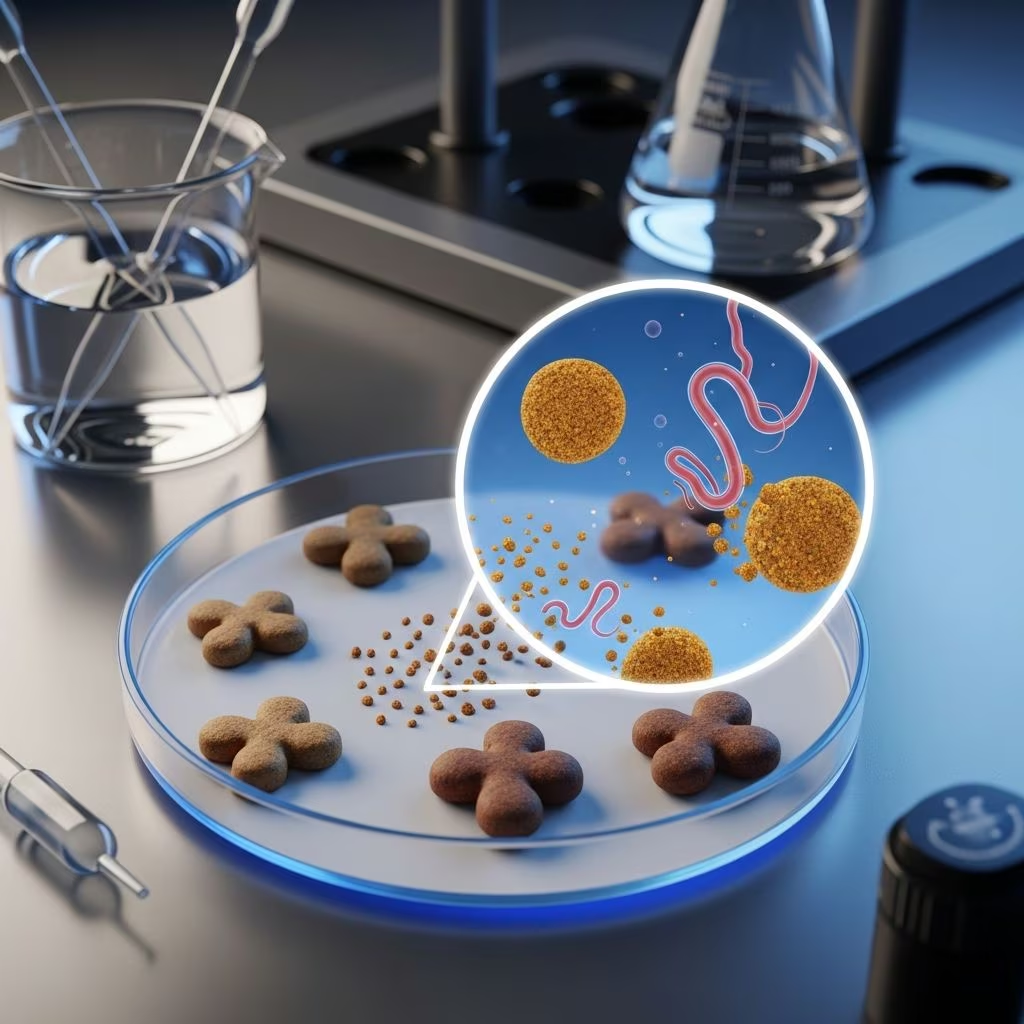
Dog food digestibility measures how effectively a dog’s body breaks down and absorbs nutrients from their diet, directly influencing energy levels, coat quality, and overall vitality. Higher digestibility means more nutrition reaches the bloodstream rather than being excreted as waste, leading to tangible benefits like firmer stools and reduced flatulence.
The Fundamentals of Digestibility in Canine Diets
At its core, digestibility quantifies the percentage of a food’s nutrients that a dog can utilize after eating. This process begins in the mouth and stomach, continuing through the small intestine where most absorption occurs. Factors like ingredient quality and processing methods play pivotal roles in determining this value.
Research defines digestibility as the proportion of nutrients absorbed into the bloodstream, excluding what passes undigested into the colon. For instance, proteins, fats, and carbohydrates must be broken into amino acids, fatty acids, and sugars to be bioavailable. Poorly digestible foods result in larger stool volumes because undigested matter ferments in the gut, producing gas and odors.
Why Digestibility Directly Impacts Your Dog’s Health
Optimal digestibility ensures dogs extract maximum value from every meal, supporting muscle maintenance, immune function, and skin health. Dogs on highly digestible diets often exhibit shinier coats, brighter eyes, and sustained energy without digestive upset.
- Reduced Waste Output: More nutrients absorbed means less fecal matter, making cleanup easier and indicating efficient nutrition.
- Improved Gut Microbiome: Balanced digestion fosters beneficial bacteria, enhancing immunity and reducing inflammation.
- Lower Flatulence: Minimized undigested fibers prevent excessive gas production.
- Enhanced Nutrient Bioavailability: Essential vitamins and minerals are better utilized, preventing deficiencies.
Studies confirm that diets with superior digestibility lead to healthier long-term outcomes, including better weight management and disease resistance.
Scientific Scales for Evaluating Dog Food Digestibility
Experts categorize digestibility using a straightforward scale based on empirical testing:
| Digestibility Range | Quality Rating | Typical Outcomes |
|---|---|---|
| <75% | Poor | Large, loose stools; nutrient loss |
| 75-82% | Moderate | Average stool quality; fair absorption |
| 82-88% | High | Firm stools; good energy levels |
| >88% | Exceptional | Minimal waste; optimal health markers |
This benchmark helps owners assess labels and choose wisely. Foods exceeding 88% are rare but deliver premium results.
Precision Testing Methods for Accurate Measurements
Laboratories employ rigorous protocols like the apparent total tract digestibility (ATTD) assay, where dogs consume test diets followed by total fecal collection over days. Nutrients in food and feces are analyzed to calculate absorption rates for dry matter, organic matter, protein, fat, and energy.
Another advanced technique, the precision-fed cecectomized rooster assay, involves feeding samples to specially prepared roosters whose digestive systems mimic canine protein digestion. This isolates amino acid digestibility without interference from gut bacteria. Such methods provide gold-standard data trusted by regulators like the AAFCO.
How Processing Alters Digestibility Profiles
Manufacturing techniques profoundly affect nutrient integrity. Extrusion for kibble involves extreme heat (up to 250°F) and pressure, which can denature proteins and damage amino acids like lysine, reducing digestibility by 10-20%.
In contrast, gently cooked or fresh foods preserve enzymatic structures, yielding digestibility scores above 90%. Rendering—high-heat processing of meat byproducts—further diminishes quality, as seen in meals where fish outperforms poultry or lamb due to better heat stability.
Ingredient Quality: The Cornerstone of High Digestibility
Whole, human-grade meats like chicken breast digest at 88%+, far surpassing rendered meals at 80%. Named meat meals from reputable sources retain more essential amino acids (e.g., methionine, leucine), crucial for muscle repair.
Fillers like corn or wheat bran lower scores due to fibrous indigestibility, while premium fibers like beet pulp aid balance without excess bulk. Peer-reviewed trials show human-grade recipes excel in protein and energy ATTD, producing 20-30% less feces than extruded kibble.
Human-Grade vs. Conventional: A Research-Backed Comparison
A landmark study on 12 adult dogs compared human-grade (HG), fresh, and extruded diets in a Latin square design. HG foods achieved higher ATTD for dry matter (DM), organic matter (OM), and energy (P < 0.05), with reduced fecal output and stable serum chemistry.
Dogs on HG diets had firmer stools and shifted microbiota toward beneficial strains, without hematology changes. Fresh outperformed extruded but trailed HG, underscoring ingredient sourcing over mere freshness.
Interpreting Labels: What to Look for in Digestibility Claims
Guaranteed analysis lists minimums, not digestibility. Seek brands conducting AAFCO-compliant trials reporting ATTD values. Terms like “highly digestible” require substantiation; ignore unsubstantiated boasts.
Protein digestibility above 85%, fat over 90%, and energy >85% signal excellence. Transition gradually to new foods to monitor stool changes as a real-world digestibility test.
Practical Signs of Excellent Digestibility at Home
Observe these indicators post-diet switch:
- Feces: Small, firm, low-odor volume (half kibble amount).
- Digestion: No vomiting, diarrhea, or gas within 7-10 days.
- Energy/Coat: Increased vitality, glossy fur, healthy weight.
- Appetite: Enthusiastic eating without begging.
Persistent issues warrant veterinary input to rule out allergies or sensitivities.
Boosting Digestibility for Dogs with Special Needs
Seniors benefit from 85%+ digestibility to counter reduced enzyme production. Puppies need high protein ATTD for growth. For sensitive stomachs, avoid high-starch kibble; opt for limited-ingredient fresh formulas.
Supplements like probiotics or digestive enzymes can enhance moderate diets, but prioritize food-first approaches.
FAQs on Dog Food Digestibility
What digestibility percentage is ideal for dogs?
Aim for 82%+ overall, with protein >85%. Exceptional foods hit 88-93%.
Does wet food digest better than dry?
Often yes, due to less processing, but quality varies. Check trials.
Can I calculate digestibility from ingredients alone?
No—testing is essential. Labels hint, but data confirms.
Why do some premium kibbles have low digestibility?
High-heat extrusion degrades nutrients despite quality starts.
How long to see digestibility improvements?
Stool changes in 3-7 days; full benefits in 4 weeks.
Choosing the Best Digestible Dog Food for Your Pup
Prioritize brands transparent about ATTD trials, using whole proteins and minimal fillers. Human-grade or gently processed options consistently outperform, as validated by independent research. Your dog’s thriving body will thank you with every wag and firm stool.
References
- Nutrient digestibility and fecal characteristics, microbiota, and metabolites in dogs fed human-grade foods — Journal of Animal Science, Oxford Academic (PMC). 2021-10-21. https://pmc.ncbi.nlm.nih.gov/articles/PMC8611730/
- Science Confirms It: Human-Grade Dog Food Is More Digestible — Identity Pet. 2023-05-15. https://www.identitypet.com/blogs/news/science-confirms-it-human-grade-dog-food-is-more-digestible-here-s-why-that-matters
- Why Digestibility is Crucial for Dog Food — Dog Food Advisor. 2024-02-10. https://www.dogfoodadvisor.com/canine-nutrition/dog-food-digestibility/
- All About Pet Food Digestibility — American Kennel Club (AKC). 2023-08-05. https://www.akc.org/expert-advice/nutrition/pet-food-digestibility/
- How Important is the Digestibility of Dog Food — Whole Dog Journal. 2024-01-12. https://www.whole-dog-journal.com/food/dog-food-digestibility-levels-matter/



