

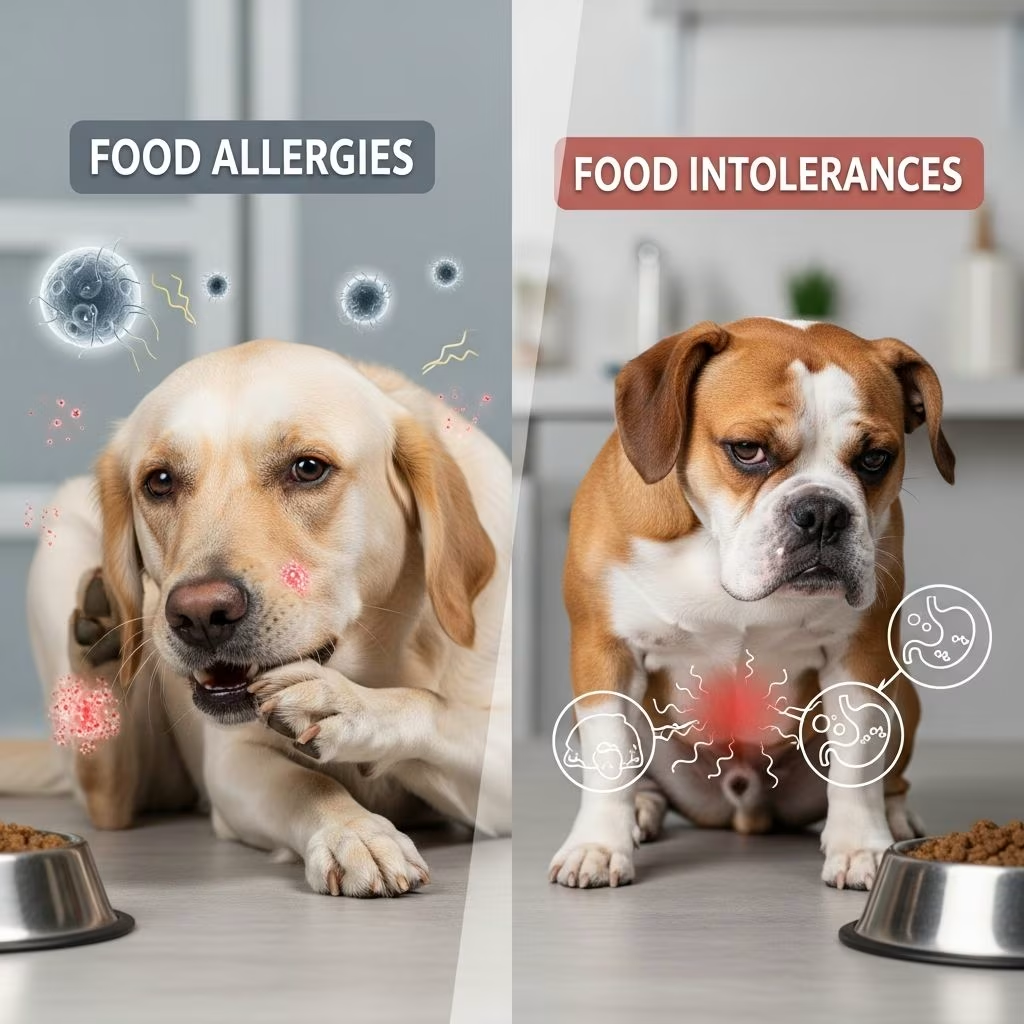
Dog Food Allergies vs Food Intolerances: Understanding the Difference
If your dog experiences digestive issues, skin problems, or other adverse reactions to food, you may wonder whether your pet has a food allergy or a food intolerance. While these two conditions can produce similar symptoms and are often confused, they have distinct differences in how they affect your dog’s body. Understanding these differences is essential for providing appropriate care and choosing the right dietary solutions for your furry companion.
Both food allergies and food intolerances fall under the umbrella term of adverse food reactions (AFRs), which describe abnormal responses to normal foods. However, the underlying mechanisms that cause these reactions differ significantly. Food allergies involve your dog’s immune system, while food intolerances do not. This fundamental difference affects how these conditions develop, manifest, and are treated.
What is a Food Allergy in Dogs?
A food allergy is an immune system response to specific ingredients in your dog’s diet. When a dog with a food allergy consumes an allergen, the body mistakenly identifies that ingredient as a threat, similar to a pathogen or invader. The immune system then mounts a defensive response, triggering a cascade of reactions throughout the body.
Most commonly, proteins are the culprits behind food allergies in dogs. The immune system recognizes these proteins as foreign substances and initiates an antibody response. When antibodies encounter the allergen, they connect to mast cells—specialized immune cells that contain histamines. While histamines are designed to fight allergens, they also cause the inflammatory symptoms associated with allergies, including redness, itching, swelling, and sneezing.
Food allergies typically develop over time rather than appearing immediately after a dog tries a new food for the first time. This delayed response occurs because the immune system needs repeated exposure to the allergen before becoming sensitized. Interestingly, food allergies are relatively rare in dogs, affecting less than 1% of the canine population. This means that if your dog is experiencing food-related symptoms, it’s more likely due to food intolerance than a true food allergy.
Common Dog Food Allergens
The most frequent food allergens in dogs are proteins, particularly those found most often in commercial pet diets. Dogs develop allergies to these proteins because they encounter them frequently, providing increased opportunity for sensitization to occur. The most common dog food allergens include:
- Beef
- Chicken
- Dairy
- Fish
- Eggs
- Wheat
- Soy
- Corn
It’s important to note that grain allergies are often misunderstood. Dogs are far more likely to be allergic to specific proteins than to grains themselves. While wheat, corn, and soy are common triggers for some dogs, they typically cause issues due to their protein content rather than the grain itself.
Symptoms of Food Allergies in Dogs
Food allergies can produce both skin and gastrointestinal symptoms in dogs. The manifestation of symptoms varies from dog to dog, but common signs include:
- Itchy skin and chronic scratching
- Skin redness and inflammation
- Hair loss or patchy coat
- Chronic ear infections
- Facial swelling or hives
- Vomiting
- Diarrhea
- Excessive gas
- Weight loss
- Lethargy or decreased energy levels
In rare cases, severe food allergies can trigger anaphylaxis, a life-threatening allergic reaction that requires immediate veterinary attention. Symptoms of anaphylaxis include hives, severe facial swelling, difficulty breathing, and collapse.
What is Food Intolerance in Dogs?
A food intolerance, also called a food sensitivity, occurs when a dog’s body cannot properly digest or process a particular ingredient or additive. Unlike food allergies, food intolerances do not involve the immune system. Instead, they represent a digestive or metabolic inability to handle certain foods, similar to lactose intolerance in humans.
Food intolerances can occur on first exposure to a food or develop gradually over time. Some dogs may tolerate small amounts of a problematic ingredient but react if the quantity increases or if their regular diet changes. This differs from allergies, where even trace amounts of an allergen can trigger an immune response.
The good news for pet owners is that true food allergies are quite rare. When dogs display adverse food reactions, food intolerances are far more likely to be the culprit. However, because both conditions can produce similar symptoms, distinguishing between them requires careful observation and sometimes veterinary guidance.
Common Causes of Food Intolerance
Several ingredients and additives can trigger food intolerances in dogs, including:
- Lactose in dairy products
- Artificial additives and preservatives
- Artificial dyes and colorants
- Flavor enhancers and emulsifiers
- Fillers and low-quality ingredients
- Certain proteins, particularly when fed in excess
- Grains and carbohydrates
- Hormones and chemicals used in food production
Research has shown that fillers and low-quality ingredients commonly found in commercial pet foods are not biologically appropriate for dogs. These ingredients can stress the digestive and immune systems, potentially leading to hypersensitivity and intolerance responses over time.
Symptoms of Food Intolerance in Dogs
Dogs with food intolerances often experience gastrointestinal symptoms, though some may also develop skin issues. Common signs include:
- Vomiting
- Diarrhea
- Excessive gas and bloating
- Abdominal discomfort
- Weight loss
- Decreased energy levels
- Skin irritation and itching
- Ear infections
Food intolerances often worsen gradually over time, and dogs typically exhibit symptoms that develop slowly rather than appearing suddenly. This progressive nature can make it challenging to identify the culprit ingredient, as the onset of symptoms may not be immediately connected to a specific dietary change.
Key Differences Between Food Allergies and Food Intolerances
| Characteristic | Food Allergy | Food Intolerance |
|---|---|---|
| Immune System Involvement | Yes, triggers immune response | No immune system involvement |
| Onset of Symptoms | Develops after repeated exposure | Can occur on first or any exposure |
| Symptom Development | May appear suddenly | Usually develops gradually |
| Primary Symptoms | Skin issues (itching, redness), ear infections | Gastrointestinal issues (vomiting, diarrhea) |
| Severity | Can be life-threatening (anaphylaxis) | Generally not life-threatening |
| Prevalence | Affects less than 1% of dogs | Much more common than allergies |
| Trigger Amount | Even trace amounts trigger reaction | Some tolerance possible at low amounts |
Breeds at Higher Risk
While food allergies and intolerances can occur in any breed at any age, certain breeds appear to have increased susceptibility. Breeds commonly affected by food-related issues include Labrador Retrievers, West Highland White Terriers, Cocker Spaniels, and other breeds with a genetic predisposition to atopy and food sensitivities. If your dog belongs to one of these breeds, working closely with your veterinarian to identify and manage food-related issues is particularly important.
Diagnosis and Treatment Options
Diagnosing whether your dog has a food allergy or intolerance typically involves an elimination diet trial. This process involves feeding your dog a novel protein source and limited ingredient diet for 8-12 weeks to see if symptoms improve. If symptoms resolve, ingredients are gradually reintroduced to identify the specific trigger.
Treatment for both food allergies and intolerances usually involves dietary modification. Common approaches include:
- Switching to a limited ingredient diet
- Feeding a hydrolyzed protein diet, where proteins are broken down into smaller molecules less likely to trigger immune responses
- Using novel protein sources your dog hasn’t previously consumed
- Eliminating artificial additives and fillers
- Providing high-quality, whole-food-based diets
In cases of food allergies, strict avoidance of the allergen is essential. Your veterinarian may also recommend supplements, omega-3 fatty acids, or medications to manage inflammation and symptoms while dietary changes take effect.
When Food Allergies Can Develop
An interesting and important fact is that dogs can develop allergies or sensitivities to ingredients they’ve eaten repeatedly throughout their lives, even if they’ve never previously reacted to them. This means that a protein your dog has tolerated for years can suddenly cause problems. Conversely, some dogs tolerate small amounts of problematic ingredients but react if the quantity increases or if their diet changes.
This phenomenon occurs because food allergies require immune sensitization through repeated exposure. Over time, a dog’s immune system may become increasingly sensitive to a particular protein, eventually triggering an allergic response. This underscores the importance of monitoring your dog for changes in health and being prepared to adjust their diet if new symptoms appear.
Can Incessant Itching Indicate Food Allergies?
While itching is often associated with food problems, it’s worth noting that while incessant itching can indicate food allergies or intolerances, it’s not necessarily a definitive sign. Food allergies do commonly cause skin issues including chronic itching, ear infections, and other dermatological symptoms. However, itching can also result from environmental allergies, parasites, or other skin conditions.
The key is to work with your veterinarian to rule out other potential causes and to monitor the pattern of symptoms. If your dog’s itching improves significantly after dietary changes, it’s more likely related to a food issue. If itching persists despite dietary modifications, environmental allergies or other dermatological conditions may be responsible.
Frequently Asked Questions
Q: Is food allergy common in dogs?
A: No, food allergies are relatively rare, affecting less than 1% of the canine population. If your dog experiences food-related symptoms, food intolerance is much more likely to be the cause.
Q: Can a dog be allergic to food it has eaten for years without problems?
A: Yes, dogs can develop allergies or sensitivities to ingredients they’ve tolerated for years. Allergies require repeated immune exposure, so sensitization can develop over time.
Q: How long does an elimination diet take to work?
A: An elimination diet typically requires 8-12 weeks of strict adherence to see if symptoms improve. This timeframe allows your dog’s system to clear the problematic ingredient and for inflammation to subside.
Q: Can food intolerances be cured?
A: Food intolerances cannot be cured but can be managed through dietary avoidance of trigger ingredients. Unlike allergies, which involve permanent immune sensitization, intolerances may be manageable by adjusting diet and food quality.
Q: What is the difference between food sensitivity and food intolerance?
A: The terms sensitivity and intolerance are often used interchangeably and describe the same condition—a non-immune response to a food ingredient. Both refer to a dog’s inability to properly digest or process a particular food.
Q: Are grain allergies common in dogs?
A: Grain allergies are often misunderstood. Dogs are far more likely to be allergic to specific proteins than to grains themselves. If a grain appears problematic, it’s usually due to the protein content or additives rather than the grain itself.
Q: What should I do if I suspect my dog has a food allergy or intolerance?
A: Contact your veterinarian to rule out other potential causes of symptoms and to discuss conducting an elimination diet trial. Your vet can provide guidance on appropriate dietary changes and help identify trigger ingredients.
Conclusion
Understanding the difference between food allergies and food intolerances is essential for pet owners seeking to improve their dog’s health and quality of life. While both conditions can produce uncomfortable symptoms, they differ fundamentally in how they develop and affect your dog’s body. Food allergies involve the immune system and are relatively rare, while food intolerances are far more common and involve digestive or metabolic issues.
If your dog exhibits signs of a food problem, working closely with your veterinarian to identify the cause through appropriate testing and dietary trials is the best approach. By pinpointing whether your dog has a food allergy or intolerance and adjusting their diet accordingly, you can help your pet feel better and live a healthier, more comfortable life.
References
- Food Allergies and Intolerances in Dogs — PetMD. 2024. https://www.petmd.com/dog/conditions/digestive/food-allergies-dogs
- Pet Food Allergy and Food Intolerance — Purina Institute. 2024. https://www.purinainstitute.com/centresquare/therapeutic-nutrition/food-allergy-and-food-intolerance
- IBD vs. Food Allergies in Pets: What’s the Difference? — Overland Park Veterinary Specialists. 2024. https://www.overlandparkveterinaryspecialists.com/blog/ibd-vs-food-allergies-in-pets-what-s-the-difference
- Food Intolerance in Dogs — VCA Animal Hospitals. 2024. https://vcahospitals.com/know-your-pet/adverse-reactions-to-food-in-dogs
- Dog Food Sensitivity vs Allergy: What’s The Difference? — Pet Honesty. 2024. https://www.pethonesty.com/blogs/blog/dog-food-sensitivity-vs-allergy-what-s-the-difference
- Pet Food Allergies and Intolerances — Steve’s Real Food. 2024. https://stevesrealfood.com/2018/11/25/pet-food-allergies-and-intolerances/
- Food Allergies vs Food Intolerance: What’s the Difference? — Fromm Family. 2024. https://frommfamily.com/articles/dog-health-wellness/pet-food-allergies-or-food-intolerance-in-dogs/



