

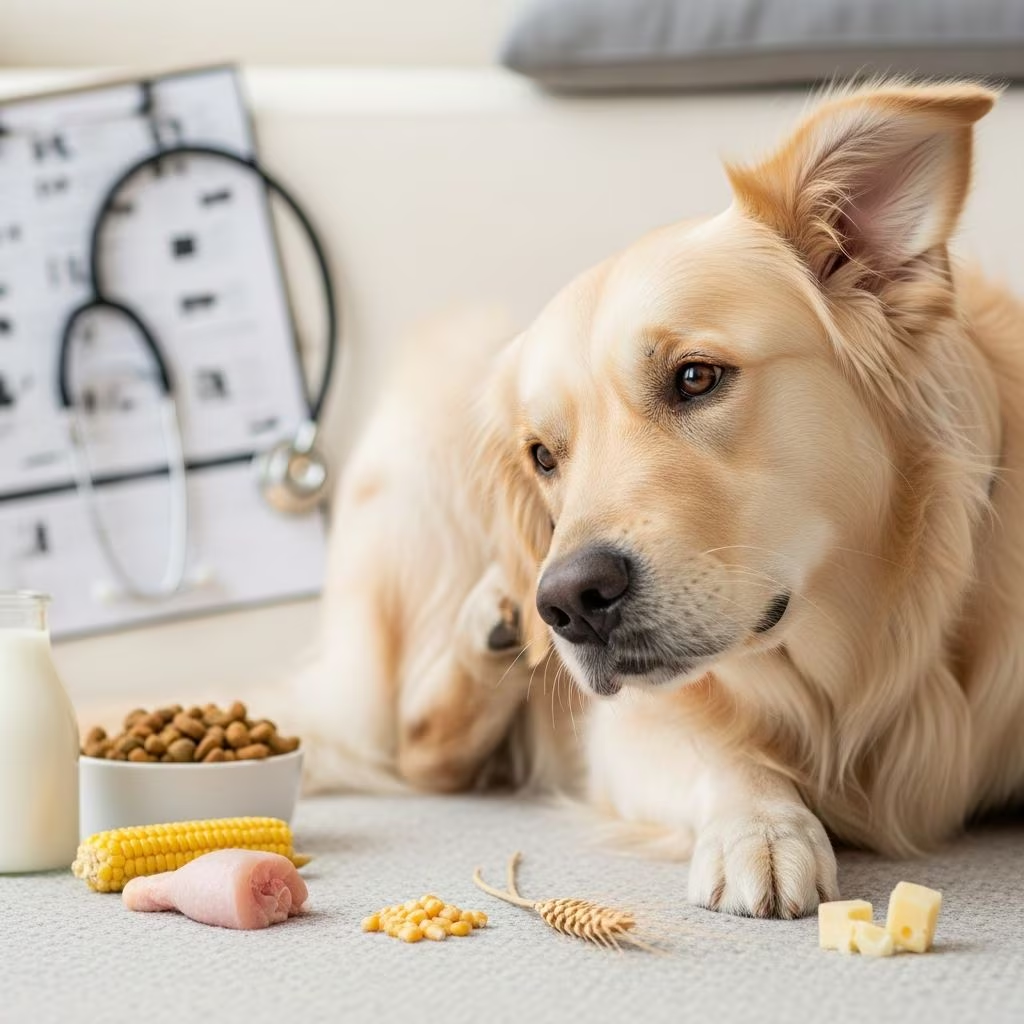
Understanding Dog Food Allergies
Dog food allergies are an increasingly common concern for pet owners seeking to maintain their furry companions’ health and well-being. A food allergy occurs when a dog’s immune system overreacts to a specific food ingredient, typically a protein source. This immune overreaction triggers inflammation throughout the body, leading to a range of uncomfortable symptoms that can significantly impact your dog’s quality of life. Unlike food intolerances, which are digestive issues unrelated to immune response, true food allergies involve the immune system mounting a defense against harmless food components. Understanding the difference between these conditions is crucial for proper diagnosis and treatment.
It’s important to note that food allergies are relatively uncommon in dogs, affecting only about 0.2% of the canine population. However, when they do occur, they can cause persistent discomfort and require careful management. Many dog owners mistakenly attribute their pet’s symptoms to food allergies when environmental factors may be responsible. This is why professional veterinary diagnosis is essential before making significant dietary changes.
Recognizing Food Allergy Symptoms in Dogs
Identifying food allergies in dogs can be challenging because symptoms often mimic other conditions. However, there are specific signs that warrant further investigation. The most prevalent symptom of food allergies in dogs is itching. This itching typically manifests on particular areas of the body including the paws, face, ears, belly, and under the tail. Dogs may excessively lick, scratch, bite, or rub these affected areas, sometimes causing secondary skin damage.
Skin-Related Symptoms
Food allergies commonly present through visible skin changes and inflammation. These dermatological signs include:
- Redness of skin and ears
- Dryness and flaking skin
- Increased dandruff production
- Oily skin and hair coat
- Hair loss and alopecia
- Hot spots or eczema-like lesions
- Hives
- Over-grooming and excessive licking
Gastrointestinal Symptoms
While skin symptoms are most common, food allergies can also affect the digestive system. Gastrointestinal signs appear in up to 20% of food-allergic dogs and may include vomiting, diarrhea, soft stools, excessive gas, and increased frequency of bowel movements. Weight loss and decreased energy levels can also occur in some cases.
Other Clinical Signs
Additional symptoms associated with food allergies include ear infections and inflammation, conjunctivitis with red or watery eyes, eye discharge, and sneezing. Some dogs may also experience behavioral changes due to discomfort and itching.
Common Food Allergens for Dogs
Understanding which foods most commonly trigger allergies can help pet owners make informed dietary decisions. Research has identified specific ingredients that are more likely to cause allergic reactions in susceptible dogs.
Most Common Protein Allergens
Proteins are by far the most common food allergens in dogs. The most frequently identified triggers include:
- Beef (34% of dogs with food allergies)
- Dairy products (17% of dogs with food allergies)
- Chicken (15% of dogs with food allergies)
- Wheat (13% of dogs with food allergies)
- Lamb (5% of dogs with food allergies)
- Soy, corn, eggs, pork, fish, and rice (less common allergens)
It’s crucial to understand that a dog may develop an allergy to foods they’ve eaten for years without incident. Food allergies can develop at any age, though they most commonly emerge before one year of age. Additionally, virtually any food ingredient can potentially cause an allergy in individual dogs, as sensitivities vary significantly from one animal to another.
Diagnosing Food Allergies in Dogs
Proper diagnosis of food allergies requires a systematic approach under veterinary supervision. While various tests and methods exist, the elimination diet trial remains the gold standard diagnostic tool for confirming food allergies.
The Elimination Diet Trial
An elimination diet trial involves feeding your dog a very limited ingredient diet using a protein source they have not been previously exposed to. This controlled feeding protocol must be performed under veterinary supervision and typically lasts 2-3 months, though some veterinarians recommend 4-8 weeks minimum. During this period, your dog should consume only the prescribed diet with no treats, table scraps, or other food items.
The elimination diet trial is not simply changing your dog’s food or trying multiple diets; it is a carefully controlled diagnostic procedure. Sometimes additional treatments may be necessary for a reliable food trial. You should observe at least 50% improvement in symptoms within 4 weeks to suggest a food allergy, with continued improvement expected over 8-12 weeks.
Types of Elimination Diets
Veterinarians typically recommend one of two approaches for elimination diets:
- Prescription Hydrolyzed Protein Diets: These specialized foods have proteins broken down into tiny amino acid chains so small that the immune system cannot recognize them as allergens. This prevents allergic reactions while still providing complete nutrition.
- Novel Protein/Carbohydrate Diets: These diets feature unusual protein or carbohydrate sources with limited ingredients that your dog has likely never encountered, reducing the likelihood of an allergic reaction.
The Challenge Phase
If your dog improves on the elimination diet, your veterinarian may recommend a challenge phase to pinpoint the specific allergen. This involves reintroducing individual ingredients one at a time for 10-14 days each while monitoring for symptom flare-ups. This process helps identify the exact food component causing the allergy, allowing for more targeted dietary management.
Treatment Options for Dog Food Allergies
Once a food allergy is confirmed, treatment becomes straightforward: avoidance of the allergen. However, managing symptoms during diagnosis and providing comfort for your dog may require additional interventions.
Dietary Management
The primary treatment for food allergies is feeding a diet that avoids the identified allergen while meeting all nutritional requirements. Once your veterinarian determines which food works for your dog, you’ll continue that diet long-term while avoiding foods not yet assessed or ingredients previously identified as problematic.
Medications for Symptom Relief
Because itching associated with food allergies may take 8-12 weeks to improve, your veterinarian may prescribe medications to keep your dog comfortable during the diagnostic and initial treatment phases. Common medications include:
- Cytopoint (Lokivetmab): A monoclonal antibody that blocks itch mediators, providing relief for several weeks with minimal side effects.
- Apoquel (Oclacitinib): A Janus-Kinase inhibitor that blocks immune messenger production, rapidly reducing itching for 18-24 hours but unsuitable for dogs under one year of age.
- Atopica (Cyclosporine): A calcineurin inhibitor addressing both inflammation and itching with mild to moderate potential side effects.
- Antihistamines: Very safe options like Benadryl or Zyrtec, though variable absorption in dogs limits their effectiveness for many allergic symptoms.
Managing Secondary Infections
Food allergies often lead to secondary bacterial or yeast infections from excessive scratching and skin damage. Treatments may include:
- Antibiotics for bacterial infections
- Antifungal medications for yeast overgrowth
- Topical antimicrobial shampoos, sprays, or ointments
- Specialized ear medications and cleaners
Nutritional Supplements
Omega fatty acid supplements can support skin health and reduce inflammation in dogs with food allergies. These supplements boost the natural barrier function of the skin and may provide additional comfort during treatment.
Follow-Up Care
Regular follow-up appointments with your veterinarian are essential to track your dog’s progress and make necessary dietary adjustments. Your veterinarian will monitor symptom improvement and may modify treatment protocols based on your dog’s response.
When Food Trials Aren’t Helpful
If a food trial provides little or no improvement in symptoms, environmental allergies are likely the primary cause. Dogs frequently experience both food and environmental allergies simultaneously. In such cases, your veterinarian may recommend intradermal skin testing to identify environmental allergens like pollen, dust mites, or mold. Allergy shots (immunotherapy) offer a non-drug, non-immune-suppressive method to desensitize your dog’s immune system to environmental allergens.
Prevention and Long-Term Management
While there are no cures for allergies, only long-term management strategies, several approaches can help prevent flare-ups:
- Strictly adhere to the approved diet recommended by your veterinarian
- Avoid treating with human foods or new dog treats without veterinary approval
- Read pet food labels carefully to identify potential allergens
- Maintain regular grooming to support skin health
- Consider environmental allergy testing if symptoms persist despite dietary management
- Schedule periodic veterinary check-ups to monitor your dog’s condition
Frequently Asked Questions
Q: How long does it take to diagnose a food allergy?
A: The diagnostic elimination diet trial typically takes 2-3 months. You should observe at least 50% improvement in symptoms within 4 weeks, with most improvement occurring within 8-12 weeks.
Q: Can food allergies develop suddenly?
A: Yes. Dogs can develop allergies to foods they’ve eaten for years without incident. Food allergies can begin at any age, though they most commonly develop before one year of age.
Q: Are food allergies common in dogs?
A: No. Food allergies affect only about 0.2% of dogs. Environmental allergies like seasonal or flea allergies are much more common.
Q: Can I simply switch to limited ingredient dog food without a veterinarian?
A: While limited ingredient foods may help, an elimination diet trial should always be performed under veterinary supervision. Your veterinarian ensures the trial is conducted properly and rules out other potential causes of symptoms.
Q: What should I do if my dog has multiple food allergies?
A: Your veterinarian can recommend hydrolyzed protein diets or novel protein options that avoid all identified allergens while meeting complete nutritional requirements.
Q: Will my dog’s food allergy go away?
A: Food allergies cannot be cured but can be successfully managed through lifetime dietary avoidance of the allergen and supportive care when needed.
References
- Food Allergies in Pets: Signs, Common Triggers, Diagnosis, and Treatment — Vet Derm Clinic. Accessed 2025. https://www.vetdermclinic.com/food-allergies-in-pets-signs-common-triggers-diagnosis-treatment/
- Food Allergies in Dogs: Does My Dog Have Food Allergies? — MedVet. Accessed 2025. https://www.medvet.com/food-allergy-dog/
- Food Allergies In Dogs — Veterinary Skin & Ear. Accessed 2025. https://veterinaryskinandear.com/food-allergies-in-dogs/
- Food Allergens — Pet Dermatology Clinic. Accessed 2025. https://www.petdermatologyclinic.com/food-allergens
- Food Allergies and Intolerances in Dogs — PetMD. Accessed 2025. https://www.petmd.com/dog/conditions/digestive/food-allergies-dogs
- Food Allergies in Dogs — VCA Animal Hospitals. Accessed 2025. https://vcahospitals.com/know-your-pet/food-allergies-in-dogs



