Dog Foaming at Mouth: Causes and Solutions
Discover why your dog foams at the mouth, from harmless panting to serious threats like toxins or rabies, and learn vital steps for care.
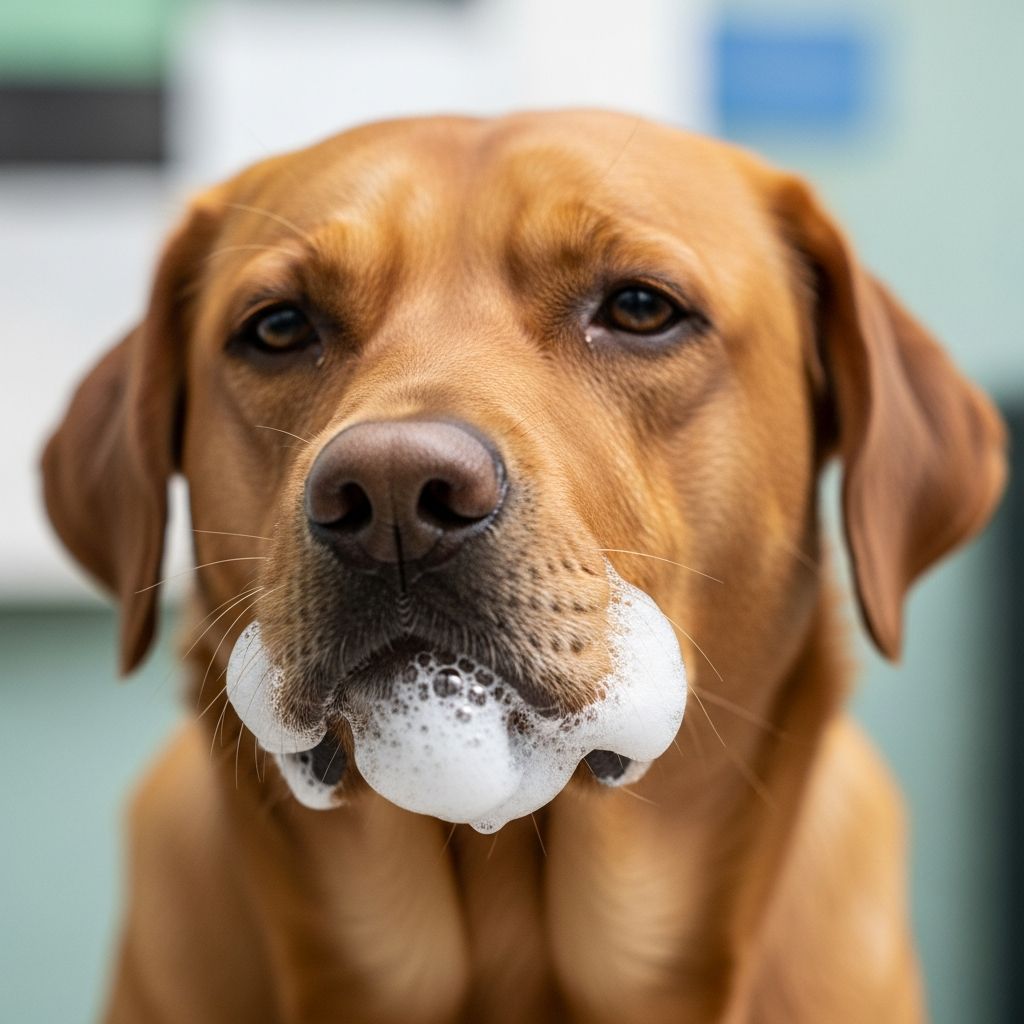
Seeing your dog foam at the mouth can spark immediate alarm, as it signals something disrupting normal saliva flow and swallowing. This frothy discharge often stems from excessive salivation mixed with air from panting or breathing difficulties. While popularized in media as a rabies hallmark, numerous other factors contribute, ranging from everyday exertion to life-threatening conditions. Understanding these helps pet owners respond appropriately, potentially saving lives through timely action.
Benign Triggers Behind Mouth Foaming
Not every instance of foaming requires panic. Many dogs experience this during routine activities or mild stressors, where saliva builds up harmlessly due to heavy breathing.
- Intense Physical Activity: After chasing balls or running laps, dogs pant vigorously, aerating saliva into foam. This cools the body but mimics distress if prolonged.
- Excitement or Play: High-energy moments like fetch sessions whip saliva into froth via rapid mouth movements and open-mouth breathing.
- Bad Tastes or Irritants: Chewing bitter plants, sprays, or foul items prompts drooling reactions that foam briefly before resolving.
These cases typically self-resolve with rest, water, and a calm environment. Monitor for persistence beyond 10-15 minutes, as it may indicate escalation.
Serious Medical Reasons for Excessive Foaming
When foaming accompanies lethargy, vomiting, or odd behavior, deeper issues lurk. Prompt veterinary evaluation prevents complications.
Gastrointestinal Distress and Nausea
Upset stomachs from dietary indiscretions or infections cause hypersalivation, turning drool frothy amid retching efforts. Dogs may paw at their mouth or refuse food, signaling nausea that could stem from gastritis or blockages.
Dental and Oral Problems
Painful conditions like gum disease, abscesses, ulcers, or tumors provoke constant drooling. Foaming worsens with eating discomfort or infections, often paired with halitosis or facial swelling. Breeds prone to dental woes, such as small dogs, face higher risks.
Neurological Events Like Seizures
During seizures, involuntary muscle contractions halt swallowing, pooling saliva into foam. Accompanying tremors, disorientation, or collapse demand emergency care, as they hint at epilepsy, low blood sugar, or metabolic diseases.
| Symptom Combo | Possible Neurological Issue | Action Needed |
|---|---|---|
| Foaming + Shaking + Staring | Seizure Episode | Clear space, time it, vet post-event |
| Foaming + Weakness + Confusion | Possible Stroke | Immediate ER visit |
| Foaming + Vomiting + Ataxia | Distemper or Toxin | Urgent diagnostics |
Environmental and Toxic Hazards
Overheating and poisons rank among top emergencies. Heatstroke prompts frantic panting and drooling in hot weather, risking organ failure if unchecked. Toxins from pesticides, human meds, chocolate, or plants like lilies trigger rapid foaming, often with vomiting or tremors.
- Common Toxins: Xylitol (gum), rodenticides, antifreeze—effects hit within hours.
- Prevention Tip: Secure cabinets, use pet-safe products, supervise outdoors.
Rabies: The Feared but Rare Culprit
Though vaccinated dogs rarely contract rabies, unvaccinated ones showing prolonged foaming, aggression, paralysis, or hydrophobia need isolation and quarantine protocols. This viral disease progresses fatally without intervention. Annual shots via vets avert tragedy.
Decoding Symptoms: When to Worry
Context clues differentiate harmless from harmful foaming. Isolated post-exercise foam differs vastly from rest-time episodes with behavioral shifts.
| Observation | Likely Cause | Urgency |
|---|---|---|
| Post-play, resolves quickly | Exertion | Low—rest and hydrate |
| Sudden, with vomiting | Toxin/Nausea | High—call vet now |
| During sleep or idle | Dental/Seizure | Medium—schedule check |
| Persistent + aggression | Rabies/Neurological | Emergency—do not delay |
Track duration, triggers, and extras like diarrhea or fever for vet reports.
First Aid Essentials for Foaming Dogs
Stay composed to aid your pet effectively.
- Ensure Safety: Muzzle if agitated (post-seizure), but allow breathing.
- Cool Down: Wet towels, fans for heatstroke; avoid ice.
- Prevent Aspiration: Elevate head gently, clear mouth debris.
- Contact Pros: Phone vet or poison hotline (e.g., ASPCA at 888-426-4435) with details.
- Transport: Use crate or blanket for secure travel.
Never induce vomiting sans guidance—some toxins worsen it.
Veterinary Diagnostics and Treatments
Vets employ bloodwork, imaging, toxin screens, and neuro exams to pinpoint causes. Treatments vary: anti-nausea meds for GI woes, dentals for oral pain, anticonvulsants for seizures, or antidotes for poisons. Rabies suspects undergo observation per CDC guidelines.
Preventive Strategies for a Foam-Free Life
Proactive care minimizes risks.
- Annual wellness exams catch dental/neuro issues early.
- Vaccinate against rabies/distemper.
- Dental chews and brushings combat plaque.
- Secure toxins; know yard hazards.
- Limit exercise in heat; provide shade/water.
FAQs: Dog Foaming at Mouth
Q: Is mouth foaming always rabies?
A: No, it’s rarely rabies in vaccinated dogs; exertion or nausea often causes it.
Q: How fast does toxin foaming start?
A: Minutes to hours, depending on substance—act swiftly.
Q: Can stress alone cause foaming?
A: Yes, via heavy panting in anxious dogs.
Q: What breeds foam more?
A: Brachycephalics (Pugs, Bulldogs) due to airway issues; dental-prone small breeds.
Q: Post-seizure foaming normal?
A: Yes, but consult vet for recurrence patterns.
Long-Term Management for Chronic Cases
Dogs with epilepsy or dental disease benefit from tailored diets, meds, and follow-ups. Track episodes in journals for pattern insights, enhancing quality of life.
In summary, while alarming, dog mouth foaming spans mild to severe etiologies. Vigilance, quick response, and prevention empower owners to safeguard their companions effectively.
References
- Why is my dog foaming at the mouth? — WagWalking. 2023. https://wagwalking.com/symptom/why-is-my-dog-foaming-at-the-mouth
- Foaming, Seizures, and Other Signs of Serious Distress in Dogs — 1st Pet Vet. 2024. https://1stpetvet.com/pet-health-information/foaming-seizures-and-other-signs-of-serious-distress-in-dogs/
- Why Is My Dog Foaming at the Mouth? — Hill’s Pet Nutrition. 2023. https://www.hillspet.co.id/dog-care/healthcare/why-is-my-dog-foaming-at-the-mouth
- What do I do when My dog is foaming at the mouth? — Braselton ER Vet. 2024. https://braseltonervet.com/what-do-i-do-when-my-dog-is-foaming-at-the-mouth/
- Dog Foaming at the Mouth – Potential Reasons Why — Waggel. 2023. https://www.waggel.co.uk/blog/post/dog-foaming-at-mouth-causes-concerns
- Why is My Pet Foaming at the Mouth? — Canidae. 2024. https://canidae.com/blog/why-is-my-pet-foaming-at-the-mouth
- My Dog is Foaming at the Mouth, What Do I Do? — VEG ER for Pets. 2023. https://www.veg.com/post/dog-foaming-at-the-mouth
Similar Articles





Read full bio of medha deb