

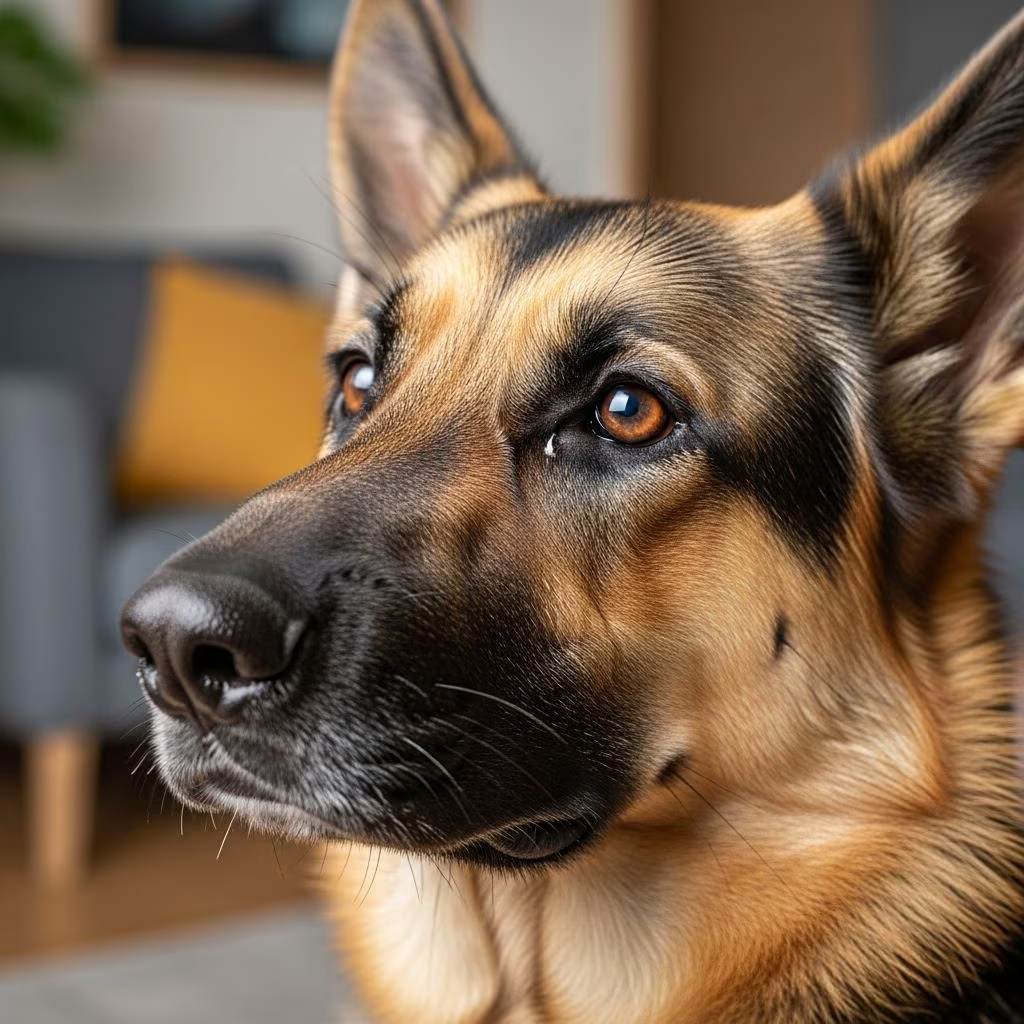
Canine influenza, commonly known as dog flu, is a highly contagious respiratory disease that affects dogs of all breeds and ages. Similar to human influenza, dog flu is caused by a viral infection that impacts the respiratory system and can lead to various flu-like symptoms. Understanding the signs, symptoms, and treatment options for canine influenza is essential for dog owners to ensure their pets receive prompt medical attention and appropriate care. This comprehensive guide covers everything you need to know about dog flu, from recognition to recovery.
Common Dog Flu Symptoms
Because dog flu is a virus that affects the lungs, your dog will experience respiratory and flu-like symptoms. It is crucial to recognize these signs early to seek veterinary care promptly. The symptoms of canine influenza can vary in severity, ranging from mild to severe, depending on the individual dog’s immune system and overall health status.
The primary symptoms of dog flu include:
- A dry cough, which often persists for weeks
- Fever (103°F and above)
- Nasal and eye discharge
- Lethargy or decreased energy
- Sneezing
- Runny nose
- Reduced appetite
- Difficulty breathing or labored breathing
The most distinctive symptom of canine influenza is a persistent cough that typically lasts between 10 to 21 days. This cough may be dry (non-productive) or wet (productive), and it often does not respond to typical antibiotic or cough suppressant therapy. Dogs infected with the H3N2 strain appear to be at greater risk of developing more severe clinical signs compared to other strains.
Severe Cases and Complications
In severe cases of dog flu, your dog may experience secondary bacterial infections, high fever, and even pneumonia, which can be life-threatening if left untreated. Secondary bacterial infections can develop as a result of the initial viral infection, making the condition more serious. Dogs that are very young, very old, have weakened immune systems, or have other health issues are at higher risk of developing severe complications. If your dog begins to experience flu-like symptoms, take them to the vet immediately for proper diagnosis and treatment.
How Veterinarians Diagnose Dog Flu
Symptoms of dog flu will resemble many other types of respiratory infections, including kennel cough and distemper. Because of this similarity, it is important that your dog be tested so they receive the right treatment. A proper diagnosis ensures that your veterinarian can prescribe the most appropriate care plan for your pet.
Diagnostic Testing Methods
To diagnose dog flu, your vet will perform a PCR panel. During this test, a swab is obtained from your dog’s nose, conjunctiva (the pink mucus membrane inside the eyelid), or pharynx (the back of the throat where the esophagus and trachea/windpipe meet the mouth). The PCR panel is highly reliable and can quickly confirm the presence of canine influenza virus.
Another reliable diagnostic method is paired serologic testing, which involves taking two blood samples. The first sample is taken during the first week of illness, and the second sample is taken 2 to 3 weeks later. This method compares antibody levels between the two samples to confirm canine influenza infection. Your veterinarian will determine which diagnostic approach is most appropriate for your dog’s situation.
Treatment of Dog Flu
Treatment of dog flu is largely supportive, as there is no specific cure for this viral infection. The focus of treatment is to keep your dog comfortable while their immune system fights off the infection. Keeping your dog calm, rested, and hydrated is paramount to ensuring a speedy recovery.
Supportive Care at Home
For dogs with mild cases of canine influenza, home care is often sufficient. Supportive care includes:
- Adequate rest in a warm, dry area away from other dogs
- Fresh water to maintain proper hydration
- High-quality, nutritious food to support immune function
- Cough suppressants to help manage symptoms
- Non-steroidal anti-inflammatory drugs (NSAIDs) to reduce fever and discomfort
- A body harness instead of a collar to protect the throat during coughing
Hospital Treatment for Severe Cases
In severe cases or when dogs are unable to eat or drink on their own, hospitalization may be necessary. Hospital treatment may include intravenous (IV) fluids to maintain hydration, cough suppressants, nutritional support through feeding tubes if needed, and monitoring for complications. Dogs that develop secondary bacterial infections or pneumonia will require more intensive medical intervention.
Secondary Bacterial Infections
Many dogs infected with canine influenza will develop a secondary bacterial upper respiratory infection. These dogs typically have thick green or yellow mucous discharge from their nose and benefit from broad-spectrum antibiotic therapy. Common antibiotics prescribed include Clavamox, doxycycline, and other broad-spectrum options. Dogs that develop pneumonia may require hospitalization, intravenous fluids and medications, and potent broad-spectrum antibiotics for extended periods.
Recovery and Isolation
Most dogs fully recover from canine influenza within two to three weeks, though the cough may persist longer. However, recovery times can vary based on the severity of the infection and the presence of any secondary infections. Dogs affected with secondary bacterial infections or pneumonia may take longer to recover and require extended treatment.
Dogs exposed to the virus should be isolated for a minimum of four weeks to prevent further spread, even if they do not develop any respiratory signs. Some dogs may be infected but show no symptoms while still being contagious to other dogs. To decrease the chance of spreading the virus, it is best not to hospitalize dogs with influenza if they can be treated safely at home. This reduces the risk of transmitting the virus to other hospitalized animals.
Prevention of Canine Influenza
Preventing canine influenza involves a combination of vaccination, good hygiene practices, and environmental control measures. While prevention strategies cannot guarantee complete protection, they significantly reduce the risk of infection and severity of disease.
Vaccination
Vaccines are available to prevent canine influenza and are an important part of your dog’s preventative care plan. Ask your veterinarian if vaccinations for respiratory illnesses should be included in your dog’s overall health maintenance strategy. Keep in mind that vaccines may not always prevent infection but will make it less likely. If your dog is vaccinated and does get infected, symptoms are often milder, and the course of disease is shorter. This can significantly reduce veterinary expenses and prevent serious complications.
Hygiene and Environmental Control
Maintaining good hygiene is crucial in preventing the spread of canine influenza. The following practices can help minimize transmission:
- Wash your hands thoroughly after handling sick dogs or their belongings
- Clean your dog’s paws when returning from public places
- Use a dog paw cleaner to remove potential contaminants
- Ensure proper separation of sick dogs from healthy ones
- Use disinfectants to clean surfaces, toys, and bedding
- Maintain good ventilation in areas where multiple dogs are present
Fortunately, the influenza virus is easily killed in the environment, typically with routine household cleaners like bleach and soapy water. This makes sanitation relatively straightforward for dog owners.
Environmental and Facility Management
For facilities that house groups of dogs, such as boarding facilities, shelters, and dog parks, implementing strict hygiene and infection control practices is essential. These facilities should:
- Separate sick dogs from healthy ones immediately
- Use appropriate disinfectants regularly
- Train staff on proper infection control procedures
- Screen dogs for respiratory symptoms before admission
- Maintain records of sick animals to track outbreaks
Important Safety Information
One reassuring fact about canine influenza is that there is no evidence to suggest that the canine influenza virus can spread from dogs to people. Dog owners do not need to worry about contracting flu from their infected pets. However, humans can serve as vectors for disease transmission between dogs, which is why proper hygiene practices are important.
It is essential to consult with your veterinarian to determine the best course of treatment for your individual dog. Your vet can assess your dog’s specific condition, health history, and risk factors to create an appropriate treatment plan. Regular veterinary check-ups and open communication with your healthcare provider for your pet are vital for maintaining optimal health.
Frequently Asked Questions
Q: Can canine influenza be fatal?
A: While canine influenza is rarely fatal in healthy adult dogs, it can become serious in very young puppies, senior dogs, dogs with weakened immune systems, or dogs with other underlying health conditions. Complications such as pneumonia can become life-threatening if left untreated. Most dogs recover within 2-3 weeks with appropriate care.
Q: How long is my dog contagious with dog flu?
A: Dogs exposed to the canine influenza virus should be isolated for at least 4 weeks to prevent spreading the infection to other dogs, even if they don’t show symptoms. Some infected dogs may be contagious without displaying any clinical signs.
Q: Is the dog flu vaccine mandatory?
A: The canine influenza vaccine is not mandatory in most places, but it is recommended for dogs that are frequently exposed to other dogs, such as those that visit dog parks, boarding facilities, or shelters. Your veterinarian can help you determine if the vaccine is appropriate for your dog’s lifestyle and risk factors.
Q: What should I do if I suspect my dog has the flu?
A: If you suspect your dog has canine influenza, contact your veterinarian immediately and schedule an appointment. Early diagnosis and treatment can prevent complications and speed up recovery. Keep your dog away from other dogs until a diagnosis is confirmed.
Q: Can antibiotics treat dog flu?
A: Antibiotics cannot treat the canine influenza virus itself, as it is a viral infection. However, antibiotics may be prescribed if your dog develops a secondary bacterial infection as a result of the flu. Your veterinarian will determine if antibiotics are necessary based on your dog’s symptoms and condition.
Q: How can I help my dog recover from the flu?
A: To help your dog recover, ensure they get adequate rest, maintain proper hydration, provide high-quality nutrition, and follow your veterinarian’s treatment recommendations. Keep your dog calm and avoid strenuous activity during the recovery period. Monitor for any signs of secondary infections or complications.
References
- Dog Flu (Canine Influenza): Symptoms and Treatment — PetMD. 2025-11-27. https://www.petmd.com/dog/conditions/respiratory/dog-flu-canine-influenza-dogs
- Canine Influenza: The Dog Flu — VCA Animal Hospitals. https://vcahospitals.com/know-your-pet/canine-influenza-the-dog-flu
- About Dog Flu — Centers for Disease Control and Prevention (CDC). https://www.cdc.gov/flu-in-animals/about/canine-flu.html
- Canine Influenza (Flu) – Dog Owners — Merck Veterinary Manual. https://www.merckvetmanual.com/dog-owners/lung-and-airway-disorders-of-dogs/canine-influenza-flu
- Dog Flu: Symptoms, Causes, and Treatment — WebMD. https://www.webmd.com/pets/dog-flu-symptoms-causes-treatment
- Dog Flu (Canine Influenza) — Small Door Veterinary. https://www.smalldoorvet.com/learning-center/medical/dog-flu-canine-influenza
- Canine Influenza Virus — Oregon Veterinary Medical Association. https://www.oregonvma.org/care-health/companion-animals/health-safety/canine-influenza-virus



