Dog Fleas: Spot, Treat, Prevent
Comprehensive guide to identifying fleas on dogs, effective treatments, and year-round prevention strategies for a flea-free home.
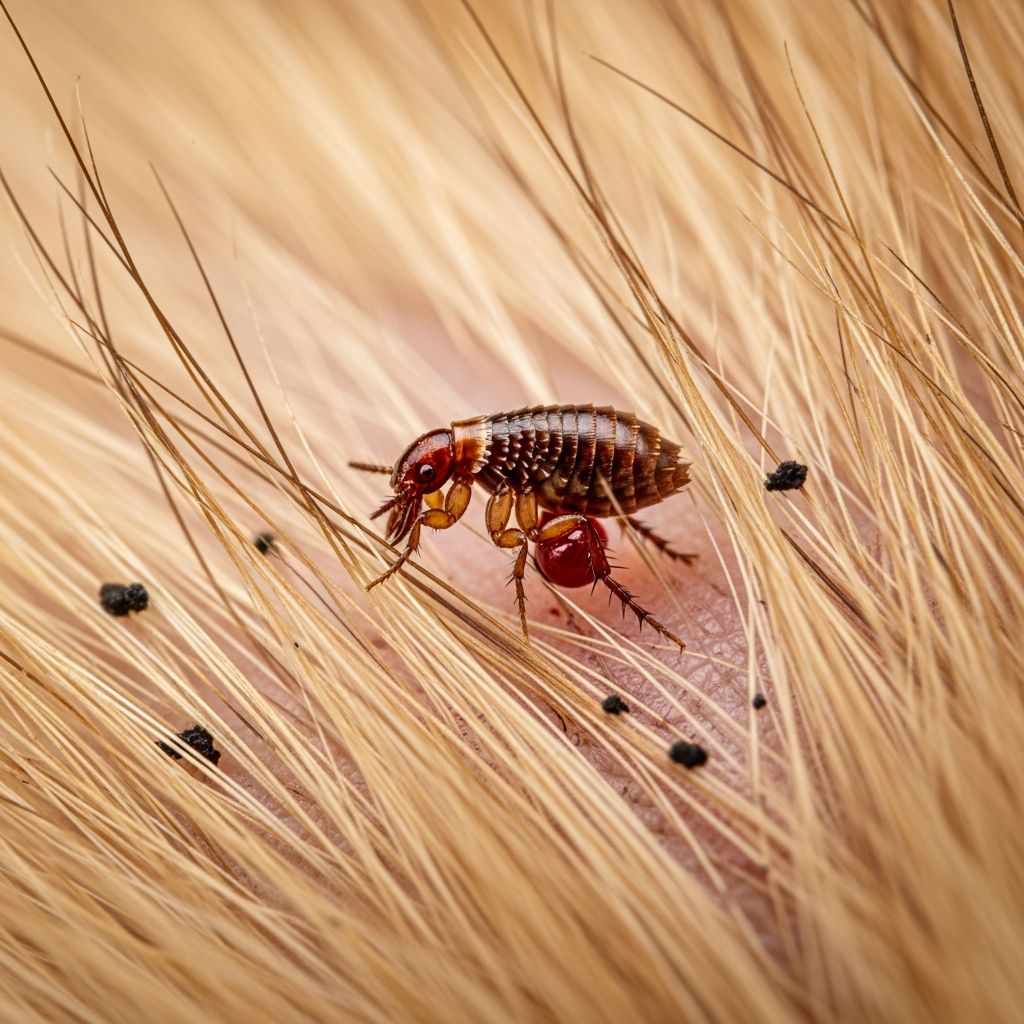
Fleas are tiny parasites that can quickly turn a comfortable home into an itchy nightmare for dogs and their owners. These pests not only cause discomfort but can lead to serious health issues if not addressed promptly. This guide provides a complete roadmap for identifying fleas, selecting safe treatments, sanitizing your living spaces, and implementing ongoing prevention to keep your canine companion flea-free.
Recognizing Flea Infestations in Dogs
Early detection is key to stopping fleas before they multiply. Watch for these common signs: excessive scratching, particularly around the base of the tail, belly, and groin areas; red, inflamed skin from bites; small black specks in your dog’s fur known as flea dirt, which is actually digested blood; and visible fleas jumping on the skin or bedding.
To confirm an infestation, use a fine-toothed flea comb. Run it through your dog’s coat over a white paper towel. If black specks turn red when wet, it’s flea dirt. Check high-risk spots like the neck, armpits, and hindquarters daily during warmer months.
Understanding the Flea Life Cycle
Fleas go through four stages: egg, larva, pupa, and adult. Only 5% of the flea population lives on your dog as adults; the rest hides in the environment. Eggs fall off into carpets, furniture, and yards, hatching into larvae that feed on organic debris and flea dirt. Pupae are resilient, encased in cocoons that can lie dormant for months, emerging when conditions are right, like vibrations from footsteps.
Breaking this cycle requires treating both your pet and surroundings simultaneously. Without environmental control, new adults will reinfest your dog within days.
Immediate Treatment Options for Dogs
Once fleas are confirmed, act fast with vet-recommended products. Treatments fall into three main categories: topicals, orals, and collars. Consult your veterinarian for the best fit based on your dog’s age, weight, health, and lifestyle.
Topical Spot-On Treatments
These liquid applications are squeezed onto the skin, typically between the shoulder blades or along the back. Active ingredients spread via the dog’s oils, killing fleas and ticks on contact. Most provide 30 days of protection but require reapplication.
- Avoid bathing 48 hours before and after application to ensure absorption.
- Keep dogs separated from cats until dry, as some formulas are toxic to felines.
- Popular options include those with fipronil or imidacloprid for broad-spectrum control.
Application Steps:
- Calm your dog in a quiet space; use a lick mat for distraction.
- Part the fur to expose skin at the base of the neck.
- Squeeze the full dose directly onto skin, not fur.
- For larger dogs, apply in 2-3 spots down the back.
- Prevent rubbing with a cone or crate for 24 hours.
Oral Flea Medications
Chewable tablets are convenient for picky eaters or swimmers, as they aren’t affected by water. They work systemically: fleas ingest blood containing the active ingredient and die quickly.
- Examples: Credelio kills fleas in 12 hours; Simparica in 3 hours; Trifexis also prevents heartworms and intestinal worms.
- Administer monthly with food; monitor to ensure full ingestion.
- Prescription-only for most, offering fast action during active infestations.
Flea Collars and Other Devices
Collars like Seresto release imidacloprid and flumethrin over 8 months, killing fleas in 24 hours and ticks in 48. Ideal for low-maintenance prevention, though efficacy may wane with frequent swimming.
Shampoos and sprays provide quick knockdown but don’t prevent reinfestation; use them alongside long-term options.
Treatment Comparison Table
| Product Type | Duration | Kill Time (Fleas) | Best For | Notes |
|---|---|---|---|---|
| Topical Spot-On | 1 month | 24-48 hours | Dry-coated dogs | Dries in 24 hrs; cat caution |
| Oral Chewable | 1 month | 3-12 hours | Swimmers, picky eaters | Prescription; fast-acting |
| Collar | 8 months | 24 hours | Long-term prevention | Replace if wet often |
Environmental Cleanup: Essential for Success
Treating your dog alone won’t suffice. Vacuum daily, focusing on carpets, furniture crevices, baseboards, and pet bedding. Dispose of vacuum bags immediately to kill pupae.
- Wash all fabrics in hot water weekly.
- Use pet-safe sprays with insect growth regulators (IGRs) on hotspots to stop larvae development.
- For severe cases, consider foggers after evacuating for several hours, then air out thoroughly.
Target shaded yard areas where your dog rests with pet-friendly granules killing eggs and larvae. Repeat every 14-21 days for 3-5 applications.
Preventing Future Infestations
Year-round prevention is crucial, even in cooler climates, as indoor fleas thrive. Use vet-approved products consistently.
- Combine flea control with heartworm and tick preventives for comprehensive protection.
- Discourage wildlife like raccoons from your yard to reduce flea sources.
- Regular grooming and combing catch early signs.
Monitor multi-pet homes closely, treating all animals simultaneously.
Health Risks of Fleas and When to See a Vet
Beyond itching, fleas transmit tapeworms, cause flea allergy dermatitis, and anemia in puppies. Severe scratching leads to hot spots or secondary infections. Seek vet care if you see pale gums, lethargy, or unrelenting scratching.
Pregnant or nursing dogs require specific safe products; never use over-the-counter without guidance.
FAQs
Can fleas live in winter?
Yes, indoor fleas survive year-round in warm homes. Consistent prevention is vital.
How long until flea treatments work?
Most kill adults within hours to days, but full environmental control takes 3-6 months.
Are natural remedies effective?
Limited; essential oils can be toxic. Stick to FDA-approved products.
What if my dog swims often?
Opt for oral treatments or waterproof collars; topicals may lose efficacy.
Is it safe for puppies?
Many products are for 7-8 weeks+; consult vet for younger pups.
Safe Product Use Tips
Follow dosages precisely by weight. Store securely away from children. If adverse reactions like vomiting occur, contact your vet or FDA hotline immediately.
References
- A Guide to Topical Flea Treatment for Dogs — Chewy. 2023. https://www.chewy.com/education/dog/flea-and-tick/topical-flea-treatment-dogs
- How to Get Rid of Dog Fleas — American Kennel Club. 2023. https://www.akc.org/expert-advice/health/how-to-get-rid-of-fleas/
- The Complete Guide to Flea and Tick Prevention and Treatment for Dogs — PetMD. 2023. https://www.petmd.com/dog/general-health/flea-and-tick-prevention-and-treatment-dogs
- Fleas: Treatment & Prevention — Oregon Veterinary Medical Association. 2023. https://www.oregonvma.org/care-health/companion-animals/health-safety/fleas-treatment-prevention
- Flea Control in Dogs — VCA Animal Hospitals. 2023. https://vcahospitals.com/know-your-pet/flea-control-in-dogs
- Flea and Tick Prevention for Dogs: A Complete Guide — PetWellClinic. 2023-03-15. https://www.petwellclinic.com/wp/2023/03/15/flea-and-tick-prevention-for-dogs-a-complete-guide/
- Your Guide to Preparing for Flea and Tick Season — ASPCA. 2023. https://www.aspca.org/news/your-guide-preparing-flea-and-tick-season
- Flea and Tick Prevention — Cornell University College of Veterinary Medicine. 2023. https://www.vet.cornell.edu/departments-centers-and-institutes/riney-canine-health-center/canine-health-topics/flea-and-tick-prevention
- Safe Use of Flea and Tick Products in Pets — FDA. 2023. https://www.fda.gov/consumers/consumer-updates/safe-use-flea-and-tick-products-pets
Similar Articles








Read full bio of Sneha Tete