Dog Flea Control Guide
Comprehensive strategies to protect your dog from fleas year-round with safe, effective methods.
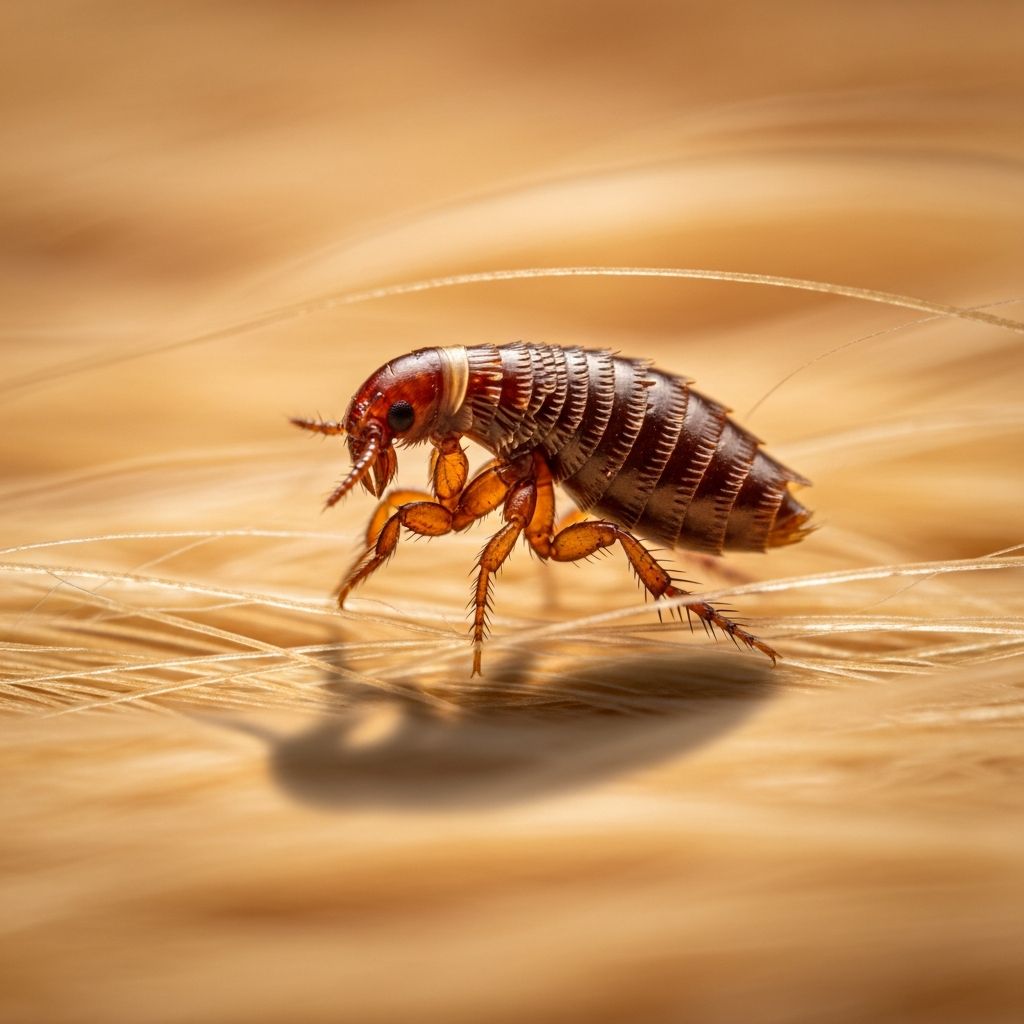
Fleas pose a significant threat to canine health, causing discomfort, allergies, and disease transmission. Effective control requires consistent prevention using vet-recommended products alongside rigorous environmental management.
Understanding the Flea Life Cycle
Fleas progress through four stages: egg, larva, pupa, and adult. Adults represent only 5% of the infestation, with eggs and larvae thriving in carpets, bedding, and yards. Disrupting this cycle demands targeting all stages simultaneously.
- Eggs: Laid on the host, they fall into surroundings and hatch in 1-10 days.
- Larvae: Feed on organic debris and dried blood, avoiding light.
- Pupae: Cocooned, resistant to treatments, emerging when sensing hosts via vibration.
- Adults: Jump onto dogs, feeding immediately and reproducing rapidly.
One female flea can produce up to 50 eggs daily, leading to explosive population growth without intervention.
Signs Your Dog Has Fleas
Detect infestations early through these indicators:
- Excessive scratching, biting, or licking, especially at tail base and groin.
- Flea dirt: Black specks turning red when wet (digested blood).
- Visible fleas: Tiny, fast-moving insects (1/8 inch), dark brown.
- Hair loss, red inflamed skin, hot spots from allergies.
- Tapping test: Comb fur over white paper; flea dirt confirms presence.
Allergic dermatitis affects 15-40% of flea-bitten dogs, causing severe itching. Pale gums or lethargy signal anemia in heavy infestations, particularly puppies.
Top Prevention Strategies for Dogs
Year-round preventives are essential, as fleas survive indoors in mild climates. Consult vets for prescriptions matching your dog’s age, weight, and health.
Topical Treatments
Liquid spot-ons applied to skin spread via oils, killing fleas on contact. Most last 30 days; some up to 12 weeks.
| Product | Min Age | Duration | Protects Against |
|---|---|---|---|
| Frontline Plus | 8 weeks | Monthly | Fleas, ticks |
| K9 Advantix II | 7 weeks | Monthly | Fleas, ticks, mosquitoes, flies |
| Bravecto | 6 months | 12 weeks | Fleas, ticks |
| Revolution | 6 weeks | Monthly | Fleas, heartworm, mites |
Apply between shoulders; avoid bathing 48 hours prior/post. Larger dogs need multiple spots.
Oral Medications
Chewables ingested like treats absorb systemically, killing fleas within hours. Monitor to ensure full consumption.
- NexGard: Kills fleas/ticks in 4 hours; monthly.
- Trifexis: Adds intestinal parasite protection; monthly prescription.
- Simparica: Broad-spectrum, beef-flavored.
Convenient for bath-loving dogs but risk vomiting reduces efficacy.
Flea Collars
Slow-release collars like Seresto provide 8 months protection, killing/repelling on contact. Efficacy may wane with frequent swimming. Safe for puppies over 7 weeks; not for water dogs primarily.
Treating Active Infestations
Combine pet treatment with environmental clean-up for success. Treat all household pets simultaneously.
- Bathe dog: Use mild soap; drown adults. Wait 48 hours before preventives.
- Apply treatment: Start preventives immediately post-bath.
- Comb daily: Flea comb removes adults/eggs; dip in soapy water.
Shampoos kill adults but miss eggs/larvae; use as adjunct.
Environmental Decontamination
95% of fleas live off-host. Intensive cleaning breaks the cycle.
- Vacuum daily: Carpets, furniture, cracks; dispose bag immediately.
- Wash bedding: Hot water (>140°F), dry high heat weekly.
- Indoors IGR sprays: Methoprene/pyriproxyfen prevent hatching; repeat 2-3 weeks.
- Yard treatment: IGR sprays in shaded/sleeping areas; avoid pollinators. Discourage wildlife.
Foggers for severe cases; evacuate 4-6 hours, open windows post-use.
Safety Considerations and Common Mistakes
FDA warns against overuse/misapplication. Follow labels precisely.
- Dose correctly: By weight; never double-up products.
- Age/breed specific: Avoid permethrin products with cats (toxic). Collies sensitive to some orals.
- No natural-only reliance: Essential oils unproven, risky (e.g., tea tree toxic).
- Monitor reactions: Redness, tremors warrant vet visit.
Pregnant/nursing dogs need vet-approved options.
Product Comparison Table
| Type | Pros | Cons | Best For |
|---|---|---|---|
| Topical | Fast-acting, waterproof | Messy, cat toxic (some) | Outdoor dogs |
| Oral | Easy, systemic | Vomit risk, not waterproof | Bath lovers |
| Collar | Long-lasting, no monthly apps | Less effective wet dogs | Indoor/low-maintenance |
Seasonal and Regional Tips
Fleas peak spring-fall but persist indoors. Southern climates demand year-round prevention. Ticks co-occur; choose multi-parasite products.
FAQs
Can fleas live in winter?
Yes, indoors on heated floors/carpets. Prevent year-round.
How long to eliminate fleas?
2-3 months with consistent treatment/cleaning.
Are over-the-counter products safe?
Some yes, but vet Rx more reliable. Consult first.
What if my dog is allergic to fleas?
Steroids/antihistamines plus strict prevention; vet essential.
Do flea combs work alone?
No, combine with preventives/environmental control.
Long-Term Management Plan
Success hinges on diligence:
- Monthly preventives without lapse.
- Weekly vacuum/wash.
- Annual vet checks for resistance.
- Multi-pet households: Uniform treatment.
Resistance emerges; rotate products under guidance. Track via flea counts post-treatment.
References
- A Guide to Topical Flea Treatment for Dogs — Chewy. 2023. https://www.chewy.com/education/dog/flea-and-tick/topical-flea-treatment-dogs
- Flea Control in Dogs — VCA Animal Hospitals. 2023. https://vcahospitals.com/know-your-pet/flea-control-in-dogs
- Flea and Tick Prevention for Dogs: A Complete Guide — PetWellClinic. 2023-03-15. https://www.petwellclinic.com/wp/2023/03/15/flea-and-tick-prevention-for-dogs-a-complete-guide/
- The Complete Guide to Flea and Tick Prevention and Treatment for Dogs — PetMD. 2023. https://www.petmd.com/dog/general-health/flea-and-tick-prevention-and-treatment-dogs
- Your Guide to Preparing for Flea and Tick Season — ASPCA. 2023. https://www.aspca.org/news/your-guide-preparing-flea-and-tick-season
- Safe Use of Flea and Tick Products in Pets — FDA. 2023. https://www.fda.gov/consumers/consumer-updates/safe-use-flea-and-tick-products-pets
- Safe use of flea and tick preventive products — AVMA. 2023. https://www.avma.org/resources-tools/pet-owners/petcare/safe-use-flea-and-tick-preventive-products
Similar Articles








Read full bio of Sneha Tete