

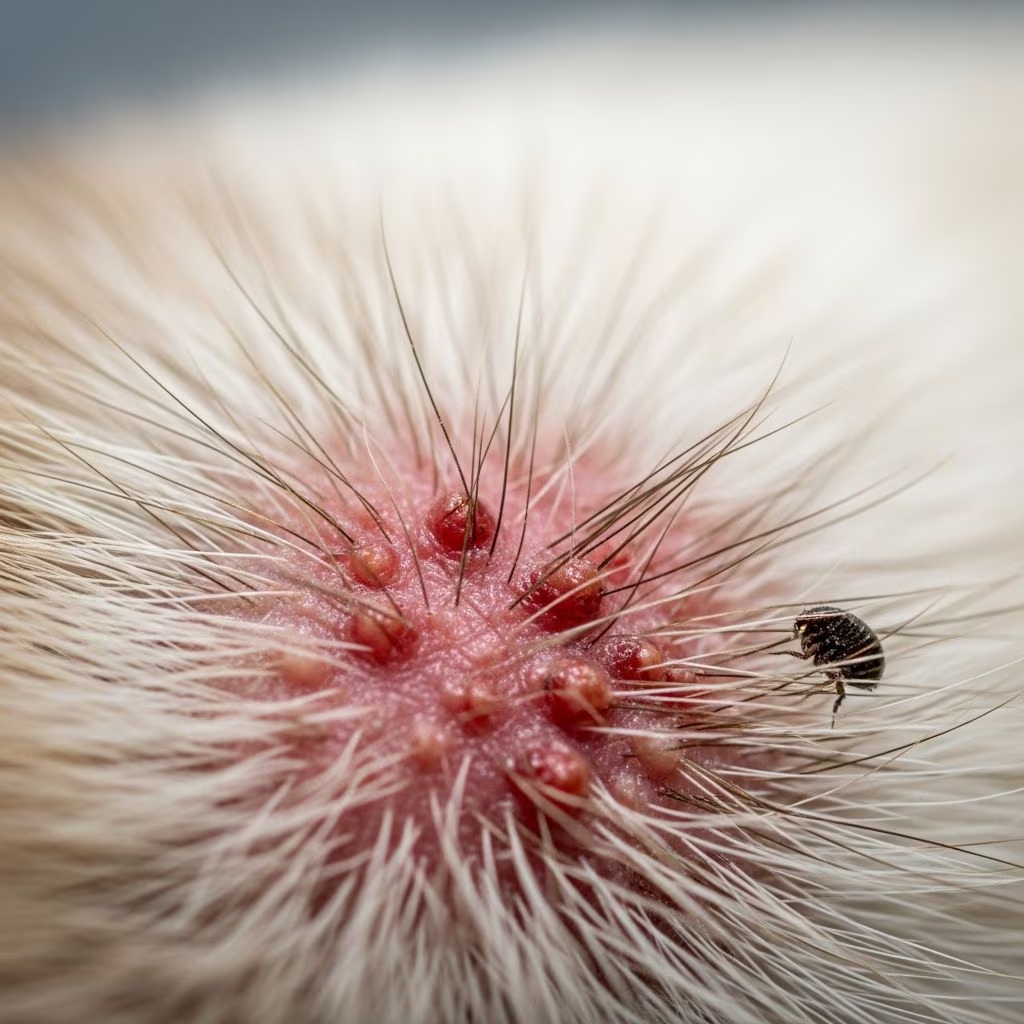
Understanding Flea Allergy Dermatitis in Dogs
Flea allergy dermatitis (FAD) is one of the most common allergic conditions affecting dogs, caused by an allergic reaction to proteins found in flea saliva. Unlike other dogs that may tolerate flea bites without significant reaction, dogs with FAD experience an intense immune response to even a single flea bite. This hypersensitivity can lead to severe itching, skin damage, and secondary infections if left untreated. Understanding this condition is crucial for dog owners to provide timely relief and prevent long-term complications.
What Causes Flea Allergy Dermatitis?
When a flea bites your dog, it injects a small amount of saliva into the skin. For most dogs, this causes minor irritation. However, dogs with FAD have an overactive immune system that perceives the flea saliva proteins as a serious threat. This triggers an exaggerated allergic response, leading to intense itching and inflammation. Interestingly, the severity of the reaction is not proportional to the number of fleas present—a dog with FAD can experience weeks of intense itching from just one or two flea bites. This makes year-round flea prevention particularly important for affected dogs, as exposure should be minimized entirely.
Recognizing the Symptoms of Flea Allergy Dermatitis
The symptoms of FAD can vary in severity but typically develop rapidly after flea exposure. Recognizing these signs early allows for prompt veterinary intervention and prevents complications.
Common symptoms include:
- Persistent itching — often focused around the base of the tail, lower back, thighs, belly, and neck
- Hair loss — resulting from excessive scratching, chewing, or licking
- Crusting and scabbing — visible on affected skin areas
- Red or irritated skin — indicating inflammation and irritation
- Open sores or hot spots — developing from repeated trauma to the skin
- Bad odor from the skin — often a sign of secondary infection
- Bleeding or oozing — from severe scratching and skin damage
- Anemia — in severe cases due to blood loss
- Lethargy — resulting from discomfort and ongoing irritation
- Signs of pain or restlessness — indicating the dog’s distress
The characteristic pattern of itching in the “flea triangle” area—spanning from the middle of the back to the tail base and down the rear legs—is often a classic indicator of FAD. If your dog exhibits these symptoms, contact your veterinarian promptly for diagnosis and treatment recommendations.
How Is Flea Allergy Dermatitis Diagnosed?
Veterinarians typically diagnose FAD based on clinical signs and the dog’s response to treatment. The characteristic distribution of itching and hair loss in the flea triangle area often provides strong diagnostic clues. However, to confirm the diagnosis and rule out other allergic conditions, veterinarians may recommend additional testing:
- Intradermal allergy tests — skin tests similar to those used in human allergy testing
- Specialized blood tests — IgE blood tests that measure allergic antibodies
- Skin scrapings or cultures — to identify secondary bacterial or yeast infections
In many cases, formal allergy testing may not be necessary because the signs are classic and the response to treatment occurs quickly. Your veterinarian will recommend testing only when needed to provide a definitive diagnosis or rule out other conditions.
Treatment of Flea Allergy Dermatitis
Treating FAD requires a two-pronged approach: controlling fleas and managing symptoms. Both components are essential for effective treatment and preventing recurrence.
Step 1: Flea Control and Prevention
Eliminating fleas is the foundation of treatment. Without effective flea control, symptoms will persist or recur, making this step absolutely critical. Your veterinarian will recommend a fast-acting flea preventative to kill adult fleas and break the flea life cycle. Multiple effective products are available:
- Topical flea preventatives — Applied directly to the skin, such as Bravecto topical solution, Revolution, or Advantage
- Oral medications — Given as chewable tablets or administered by mouth, including Simparica, NexGard, and Capstar
- Flea collars — Long-acting collars like Seresto provide continuous protection
- Flea repellents — Products like Vectra 3D can minimize flea bites when used alongside regular flea control
It is essential to consult your veterinarian to determine the best flea and tick medication for your individual dog, as options vary in effectiveness, duration, and suitability for different dogs. Some products, such as Capstar, begin killing fleas within 30 minutes.
Step 2: Environmental Treatment
Controlling fleas extends beyond treating the dog—the environment must also be managed to eliminate flea eggs and larvae. Effective environmental control includes:
- Regular vacuuming — of carpets, rugs, and furniture where flea eggs and larvae hide
- Washing bedding — in hot water to kill all life stages of fleas
- Treating furniture and carpets — with pet-safe insect sprays or chemicals
- Removing or replacing bedding — in severe infestations
- Treating all pets in the household — to prevent cross-infestation
Environmental treatment must be thorough and consistent, as fleas can persist in carpets and furniture for extended periods. Multiple applications may be necessary to eliminate all life stages of the flea population.
Step 3: Symptom Relief and Management
While flea control is being implemented, medications to relieve itching and promote healing are essential for the dog’s comfort and to prevent further skin damage. Several medication options are available:
- Oral corticosteroids — Such as prednisone or dexamethasone, which reduce inflammation and itching
- Oclacitinib (Apoquel) — An oral medication that specifically targets itching and inflammation without the side effects of steroids
- Lokivetmab (Cytopoint) — An injectable alternative that provides relief from itching and inflammation
- Antihistamines — Such as hydroxyzine, often combined with other treatments
- Omega-3 and fatty acid supplements — Supporting skin health and reducing inflammation
Modern flea control products have made steroids often unnecessary in today’s treatment of FAD, as newer medications provide more effective symptom relief with fewer side effects. Your veterinarian will recommend the most appropriate option based on your dog’s specific needs and medical history.
Step 4: Treating Secondary Infections
If FAD is not caught early, dogs can develop secondary bacterial or yeast infections from repeated scratching and skin trauma. When infection is present, additional treatments may be needed:
- Oral antibiotics — Such as cephalexin, Simplicef, or Clavamox to treat bacterial infections
- Topical treatments — Ointments, shampoos, or conditioners with antimicrobials, antifungals, and steroids
- Regular skin monitoring — To detect signs of infection early, such as increasing redness, swelling, discharge, or unusual warmth
Dogs typically begin recovering within a few days of starting treatment, with symptoms improving noticeably as fleas are eliminated and medications take effect.
When to Seek Emergency Veterinary Care
While FAD is usually manageable with standard treatment, certain situations require immediate emergency veterinary care. Take your dog to an emergency vet if you notice:
- Open wounds from scratching that are not healing
- Large areas of hair loss
- Signs of infection such as pus, swelling, or discharge
- Severe discomfort or behavioral changes indicating pain
- Widespread skin damage
If you notice any of these signs, call ahead to confirm the clinic can see your dog right away. Prompt veterinary care prevents complications and provides faster relief for your suffering pet.
Temporary Relief Before a Vet Visit
If your dog is experiencing acute discomfort and you cannot reach your veterinarian immediately, several temporary measures can help:
- Apply cool, damp cloths — to inflamed areas for 5-10 minutes to reduce itching and inflammation
- Avoid using ice directly — on the skin, as this can cause further damage
- Contact your veterinarian — for guidance on other safe, temporary measures while awaiting an appointment
Your veterinarian may recommend specific products suitable for use until your appointment. A recovery cone may also be necessary to prevent self-trauma from excessive biting and chewing.
Prevention of Flea Allergy Dermatitis
Prevention is far more effective than treatment when managing FAD. Once a dog has developed flea allergy dermatitis, strict year-round flea prevention is essential to prevent recurrence.
Key prevention strategies include:
- Year-round flea prevention — Consistent use of vet-recommended preventatives throughout the entire year, not just summer months
- Environmental control — Regular vacuuming, washing bedding, and treating living spaces
- Treating all household pets — To prevent cross-infestation
- Regular veterinary check-ups — For dogs with frequent or severe reactions to maintain skin health
- Monitoring for fleas — Even with prevention, regular checks ensure early detection if exposure occurs
Many pet owners mistakenly believe fleas are only a problem during warmer months; however, indoor environments can sustain flea populations even in cooler months. Consistent flea prevention year-round is the best defense against flea bites and allergic reactions.
Advanced Treatment Options
For dogs with persistent or severe FAD despite standard treatment, additional management strategies may be considered:
Desensitization Therapy
Desensitization involves administering increasing doses of diluted flea antigen over a prolonged period. However, this approach is not considered very successful in treating flea allergies and is rarely used in modern veterinary practice. If recommended, these allergy injections may be required for the duration of the pet’s life. It is important not to confuse desensitization therapy with corticosteroid injections, which provide symptom relief during acute flare-ups.
Long-Term Management Plans
Dogs with frequent or severe reactions may benefit from comprehensive long-term allergy management plans developed in consultation with your veterinarian or a veterinary dermatologist. These plans typically include consistent flea prevention, regular skin monitoring, periodic medication adjustments, and frequent veterinary check-ups to maintain optimal skin health.
Recovery and Prognosis
Dogs can recover fully from FAD with appropriate treatment, and symptoms typically improve within a few days of starting therapy. The prognosis is excellent for dogs with FAD when owners maintain strict flea prevention and follow their veterinarian’s treatment recommendations. Most dogs experience significant relief and return to normal comfort levels quickly once treatment begins.
Frequently Asked Questions
Q: Can a dog have flea allergy dermatitis without visible fleas?
A: Yes, dogs with FAD can experience symptoms from even one or two flea bites, and the allergic reaction may persist for weeks. It is important to continue rigorous flea treatment and maintain environmental control even if you do not see fleas on your dog.
Q: How long does it take to see improvement in flea allergy dermatitis?
A: Dogs typically begin showing improvement within a few days of starting treatment. Some products like Capstar begin killing fleas within 30 minutes, with noticeable symptom relief following shortly thereafter.
Q: Is year-round flea prevention really necessary?
A: Yes, for dogs with FAD, year-round flea prevention is essential. Indoor environments can sustain flea populations even during cooler months, and even a single flea bite can trigger allergic reactions in sensitive dogs.
Q: What should I do if my dog develops a secondary skin infection?
A: Contact your veterinarian immediately. Secondary bacterial or yeast infections require oral antibiotics and topical treatments with antimicrobials and antifungals. Check affected skin areas daily for increasing redness, swelling, discharge, or unusual warmth.
Q: Are there alternatives to steroids for treating flea allergy dermatitis?
A: Yes, modern alternatives like Apoquel (oclacitinib) and Cytopoint (lokivetmab) provide effective relief from itching and inflammation without the side effects associated with steroids. Your veterinarian can discuss which option is best for your dog.
Q: How can I help my dog before scheduling a vet appointment?
A: Apply cool, damp cloths to inflamed areas for 5-10 minutes to reduce itching and inflammation, but avoid using ice directly on the skin. Contact your veterinarian for guidance on other safe temporary measures while awaiting your appointment.
References
- Flea Allergy Dermatitis in Dogs: Everything a Pet Parent Needs to Know — PetMD. https://www.petmd.com/dog/conditions/skin/flea-allergy-dermatitis-dogs-everything-pet-parent-needs-know
- A Veterinary Dermatologist’s Guide to Flea Allergy Dermatitis: Prevention, Symptoms and Treatment — Haarstad Veterinary Dermatology. https://www.haarstadveterinarydermatology.com/blogs/news/flea-allergy-dermatitis-prevention-symptoms-and-treatment
- Flea Allergy Dermatitis in Dogs: Causes, Symptoms & Treatment — Express Vets. https://www.expressvets.com/blog/flea-allergy-dermatitis-in-dogs-causes-symptoms-treatment—express-vets
- Flea Allergic Dermatitis in Dogs: Urgent Signs & Rapid Relief Guide — GSVS. https://gsvs.org/blog/urgent-flea-allergic-dermatitis-dogs/
- More Than Just Fleas: What You Need to Know About Flea Allergy Dermatitis — Emerald Animal. https://emeraldanimal.com/more-than-just-fleas-what-you-need-to-know-about-flea-allergy-dermatitis/
- Flea Allergy Dermatitis in Dogs — VCA Animal Hospitals. https://vcahospitals.com/know-your-pet/allergy-flea-allergy-dermatitis-in-dogs
- Flea Allergy Dermatitis in Dogs and Cats — Integumentary System — Merck Veterinary Manual. https://www.merckvetmanual.com/integumentary-system/fleas-and-flea-allergy-dermatitis/flea-allergy-dermatitis-in-dogs-and-cats



