

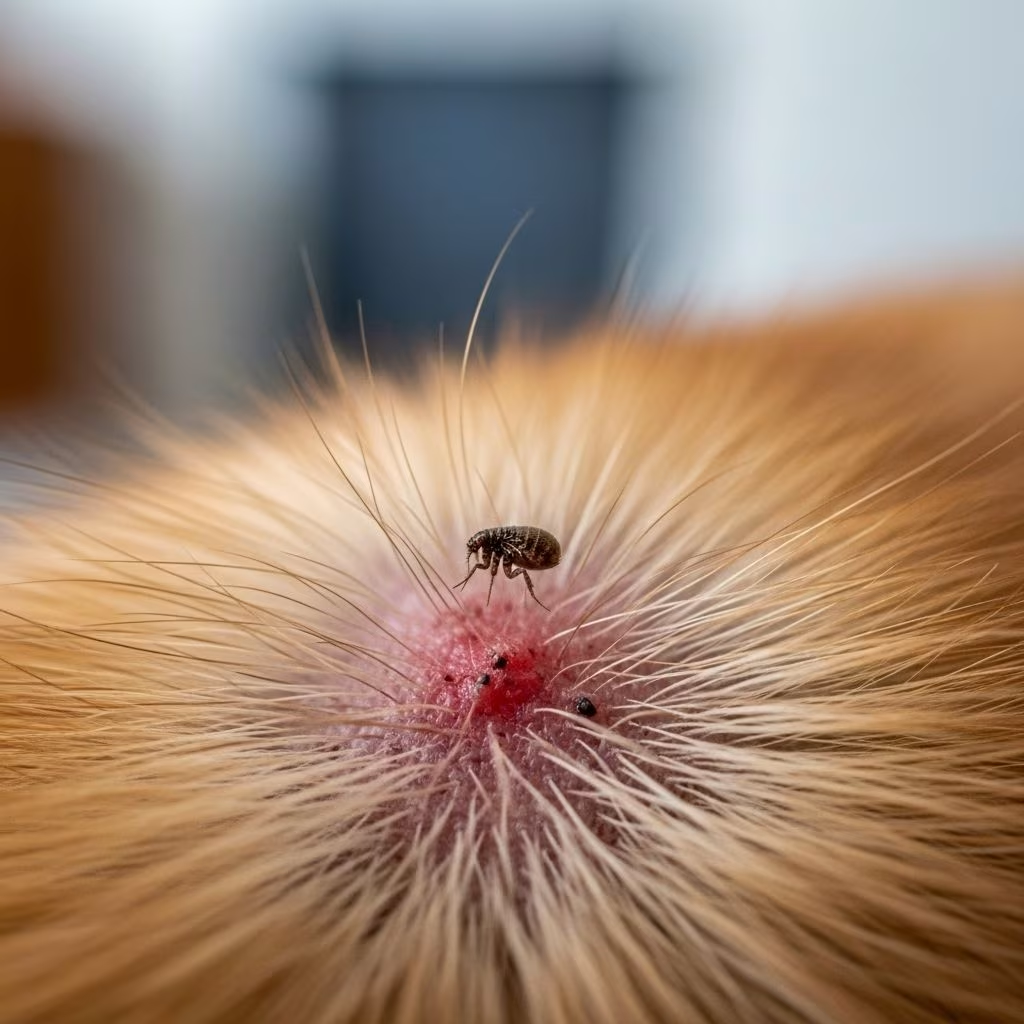
Understanding Dog Flea Allergy Dermatitis
Flea allergy dermatitis (FAD) is one of the most common skin conditions affecting dogs today. Unlike a simple flea infestation, FAD represents a hypersensitivity reaction to proteins found in flea saliva. What makes this condition particularly challenging is that it doesn’t require a heavy flea burden to develop. In fact, some dogs with FAD may experience severe symptoms from just a single flea bite, making prevention and swift treatment essential for their comfort and health.
The immune system of an allergic dog overreacts to the proteins introduced when a flea bites and injects saliva into the skin. This exaggerated immune response triggers intense itching and inflammation, often leading to secondary complications if left untreated. Understanding this distinction is crucial for pet owners, as it explains why their dog might suffer dramatically from what appears to be minimal flea exposure.
Recognizing the Symptoms of Flea Allergy Dermatitis
The symptoms of FAD can vary in severity, but certain signs are particularly characteristic of this condition. Recognizing these symptoms early allows for prompt intervention and prevents the development of more serious complications.
Primary Signs to Watch For
- Persistent itching and scratching: The most prominent symptom, often focused on specific body areas including the base of the tail, back and hind legs, abdomen, and inner thighs.
- Hair loss and thinning fur: Excessive scratching and chewing lead to bald patches and sparse coat areas.
- Red, inflamed skin: The affected areas become visibly irritated and swollen.
- Scabs and open sores: Continuous scratching causes bleeding, crusting, and sore development.
- Behavioral changes: Dogs may become restless, irritable, or show signs of pain and discomfort.
- Bad odor from the skin: A foul smell may indicate secondary bacterial or yeast infections.
The distribution pattern of symptoms often follows what veterinarians call the “flea triangle”—primarily affecting the lower back, tailhead, and rear legs—though affected areas can vary between individual dogs.
How Veterinarians Diagnose Flea Allergy Dermatitis
Diagnosis of FAD typically begins with a clinical examination. Your veterinarian will assess the characteristic itching patterns, hair loss distribution, and skin condition to identify FAD. In many cases, the classic presentation of symptoms and the rapid response to appropriate treatment make formal testing unnecessary.
However, for confirmation or when symptoms are ambiguous, your veterinarian may recommend:
- Intradermal allergy tests: Skin tests similar to those used in human allergy diagnosis, which can pinpoint specific allergen sensitivities.
- Specialized blood tests: IgE blood tests that measure immune responses to flea allergens.
These diagnostic tools become particularly valuable when a dog shows signs of multiple allergies or when FAD occurs alongside other dermatological conditions.
The Two-Part Treatment Approach for FAD
Effective treatment of flea allergy dermatitis requires a comprehensive two-pronged strategy: eliminating fleas and treating the symptoms. Both components are equally important for complete recovery and long-term management.
Part 1: Flea Control and Elimination
Flea control is the foundation of FAD treatment. Without addressing the flea population, symptoms will persist or recur regardless of other interventions. Your veterinarian will recommend fast-acting flea preventatives designed to kill adult fleas and disrupt the flea life cycle.
Available flea control options include:
- Topical treatments: Applied directly to the skin, products like Bravecto, Revolution, and Advantage offer reliable protection and often kill fleas within 30 minutes of application.
- Oral medications: Chewable or tablet formulations such as Simparica, NexGard, and Capstar provide convenient administration and systemic flea control.
- Flea collars: Long-acting collars like Seresto offer continuous protection over extended periods, making them ideal for year-round prevention.
It’s essential to treat all pets in the household simultaneously, as fleas can spread between animals. Additionally, environmental management is critical—thoroughly vacuum carpets, wash all bedding, and treat furniture to eliminate flea eggs and larvae that may be present in your home.
Part 2: Symptom Relief and Skin Healing
While flea control addresses the root cause, symptom management provides immediate relief and prevents complications. Multiple medication options are available to reduce itching, inflammation, and discomfort:
- Anti-inflammatory medications: Corticosteroids such as prednisone or dexamethasone reduce inflammation and itching rapidly.
- Newer anti-itch alternatives: Oclacitinib (Apoquel) and Lokivetmab (Cytopoint) offer effective itch relief without traditional steroids, reducing potential side effects.
- Antihistamines: Medications like hydroxyzine provide additional itch relief for some dogs.
- Medicated topicals: Antibacterial and antifungal shampoos help reduce infection risk and calm irritated skin.
- Natural soothing treatments: Oatmeal or aloe vera baths provide gentle relief for inflamed skin.
Dogs typically show improvement within days of starting appropriate treatment, with many experiencing significant relief within the first week.
Addressing Secondary Skin Infections
One of the most serious complications of untreated FAD is the development of secondary bacterial or yeast infections. When dogs scratch excessively, they create openings in the skin barrier that allow pathogens to invade. These infections cause additional pain, odor, and require more intensive treatment.
If your veterinarian identifies a secondary infection, treatment may include:
- Oral antibiotics: Medications such as cephalexin, Simplicef, or Clavamox target bacterial infections systemically.
- Topical antimicrobial treatments: Specialized ointments and shampoos with antimicrobial and antifungal properties help eliminate surface infections.
- Anti-inflammatory medications: Steroids or other anti-inflammatory drugs address both the infection-related inflammation and the underlying allergic response.
Early detection and treatment of secondary infections prevent prolonged discomfort and reduce the overall duration of treatment.
Long-Term Management and Prevention Strategies
Preventing future FAD flare-ups requires a year-round commitment to flea prevention. Many pet owners mistakenly believe flea problems are seasonal, occurring only during warm summer months. However, indoor environments can sustain flea populations throughout the entire year, making consistent prevention essential.
Year-Round Flea Prevention
Your veterinarian will recommend a year-round flea prevention regimen tailored to your dog’s specific needs. Consistent use of veterinary-recommended preventatives offers the best defense against flea bites and allergic reactions. Options discussed earlier—topical treatments, oral medications, and flea collars—all provide effective year-round protection when used as directed.
Environmental Management
Maintaining a flea-free environment is equally important as treating your pet. Regular vacuuming of carpets and furniture removes flea eggs and larvae. Washing dog bedding in hot water and drying on high heat kills fleas at all life stages. For severe infestations, professional pest control services may be necessary.
Allergy Immunotherapy
For dogs with severe or recurrent FAD that requires intensive management, immunotherapy (allergy shots) may be considered. This treatment gradually desensitizes the dog’s immune system to flea allergens over time, potentially reducing the severity of reactions to flea bites. While this approach requires patience and commitment, it can significantly improve quality of life for dogs with chronic FAD.
Home Care and Immediate Relief Measures
While professional veterinary care is essential, several home care measures can provide temporary relief and support recovery:
- Cool compresses: Apply a cool, damp cloth to inflamed areas for 5-10 minutes to reduce itching and inflammation. Never use ice directly on the skin, as this can cause further damage.
- Prevention of self-trauma: Use an Elizabethan collar (cone) if necessary to prevent your dog from excessively licking or chewing affected areas, which can worsen the condition and introduce infection.
- Regular monitoring: Check affected skin areas daily for signs of increasing redness, swelling, or discharge. Feel the skin for unusual warmth, which may indicate developing infection.
- Behavioral observation: Note changes in your dog’s behavior, such as increased irritability or low energy, as these may signal worsening condition or infection.
When to Contact Your Veterinarian
Seek immediate veterinary attention if you notice:
- Your dog’s condition doesn’t improve within a few days of starting treatment
- Signs of secondary infection, such as increased redness, swelling, discharge, or bad odor
- Severe behavioral changes, such as extreme restlessness or lethargy
- Development of anemia (pale gums, weakness, lethargy) from severe scratching and blood loss
- Any signs of adverse reactions to prescribed medications
Frequently Asked Questions About Dog Flea Allergy
Q: Can a dog get flea allergy dermatitis even with minimal flea exposure?
A: Yes. Dogs with FAD can experience severe symptoms from just one or two flea bites if they are hypersensitive to flea saliva proteins. The severity of reaction is not proportional to the number of fleas present.
Q: How quickly will my dog improve with treatment?
A: Dogs typically show improvement within days of starting appropriate flea control and symptomatic treatment. Some flea products like Capstar begin killing fleas within 30 minutes, with noticeable relief occurring within the first week.
Q: Is flea allergy dermatitis contagious to other pets?
A: FAD itself is not contagious, but fleas are. All pets in the household should receive flea treatment simultaneously to prevent cross-infestation and protect allergic dogs.
Q: Do I need to continue flea prevention during winter months?
A: Yes. While flea infestations are more common in warmer weather, indoor environments can sustain flea populations year-round. Year-round prevention is essential for dogs with FAD.
Q: What should I do if my dog develops a secondary skin infection?
A: Contact your veterinarian immediately. Secondary infections require oral antibiotics and additional topical treatments to resolve. Continued flea control and itch management remain important during this time.
Q: Are steroids necessary to treat flea allergy dermatitis?
A: Modern flea control products have made steroids less necessary in FAD treatment. Newer alternatives like Apoquel and Cytopoint provide effective itch relief without traditional steroid side effects.
Conclusion: Managing Your Dog’s Flea Allergy
Flea allergy dermatitis is a manageable condition when addressed promptly and comprehensively. By combining effective flea control with appropriate symptom management and environmental treatment, most dogs experience significant relief and return to normal comfort levels quickly. Work closely with your veterinarian to develop a customized treatment plan that addresses your dog’s specific needs and maintains year-round flea prevention to prevent future flare-ups. With proper management, dogs with FAD can enjoy healthy, comfortable lives free from the distress of allergic reactions.
References
- Flea Allergy Dermatitis in Dogs: Everything Pet Parents Need to Know — PetMD. 2024. https://www.petmd.com/dog/conditions/skin/flea-allergy-dermatitis-dogs-everything-pet-parent-needs-know
- Comprehensive Care for Flea Allergy Dermatitis: A Santa Monica Pet Owner’s Guide — Santa Monica Veterinary Medical Clinic. 2024. https://santamonicavet.com/comprehensive-care-for-flea-allergy-dermatitis-a-santa-monica-pet-owners-guide/
- A Veterinary Dermatologist’s Guide to Flea Allergy Dermatitis: Prevent, Symptoms, and Treatment — Haarstad Veterinary Dermatology. 2024. https://www.haarstadveterinarydermatology.com/blogs/news/flea-allergy-dermatitis-prevention-symptoms-and-treatment
- Flea Allergy Dermatitis in Dogs: Causes, Symptoms & Treatment — Express Vets. 2024. https://www.expressvets.com/blog/flea-allergy-dermatitis-in-dogs-causes-symptoms-treatment—express-vets
- Flea Allergic Dermatitis in Dogs: Urgent Signs & Rapid Relief Guide — Golden State Veterinary Specialists. 2024. https://gsvs.org/blog/urgent-flea-allergic-dermatitis-dogs/
- Flea Allergy Dermatitis: What You Need to Know — Emerald Animal Hospital. 2024. https://emeraldanimal.com/more-than-just-fleas-what-you-need-to-know-about-flea-allergy-dermatitis/
- Flea Allergy Dermatitis in Dogs — VCA Animal Hospitals. 2024. https://vcahospitals.com/know-your-pet/allergy-flea-allergy-dermatitis-in-dogs



