

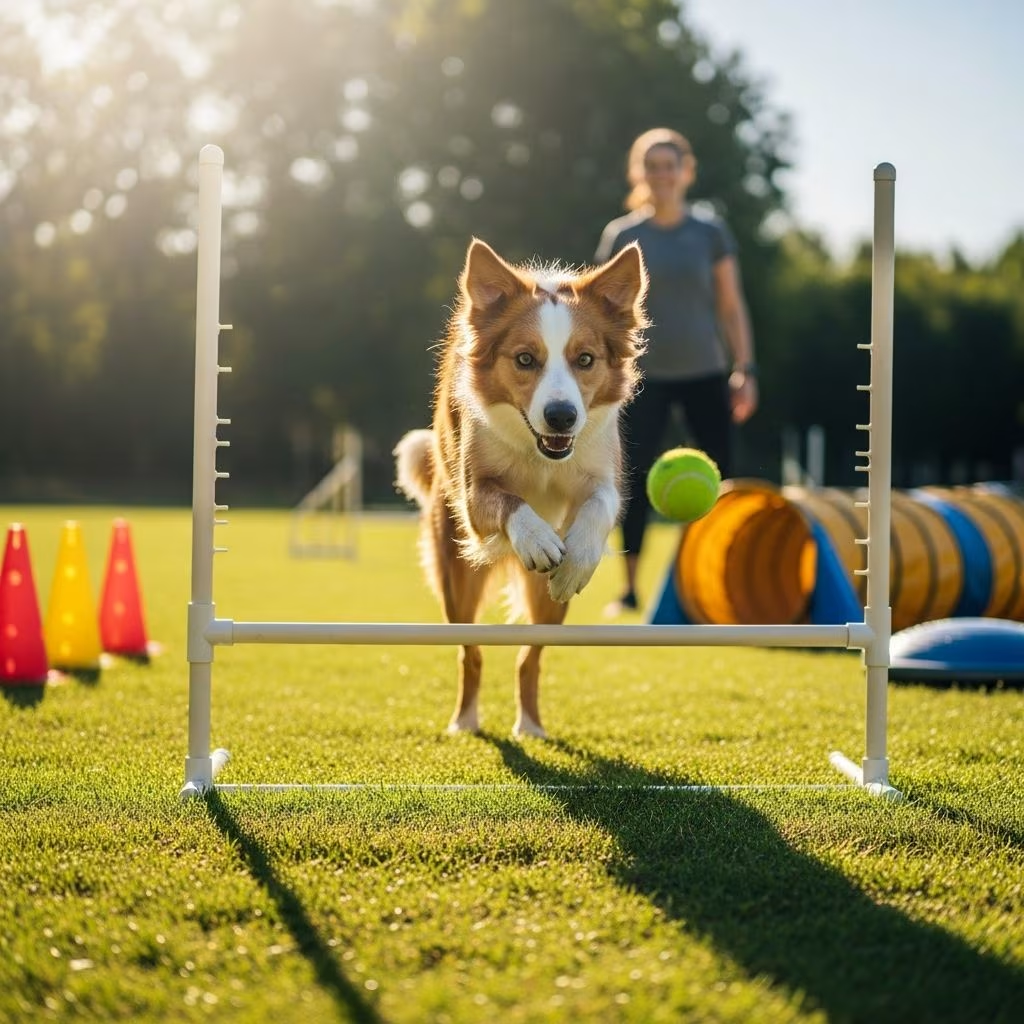
All dogs benefit from a structured fitness routine tailored to their age, breed, size, and current activity level. Regular exercise maintains healthy weight, strengthens muscles and cardiovascular health, improves flexibility, reduces anxiety, and promotes graceful aging. Whether your dog is a high-energy Border Collie or a senior companion, incorporating walks, stretches, conditioning tricks, and fun workouts ensures physical and mental wellbeing.
Does Your Dog Need an Exercise Routine?
Yes, every dog needs regular physical activity regardless of breed, size, or age. Sedentary lifestyles lead to obesity, joint issues, and behavioral problems like reactivity or anxiety. Exercise builds endurance, supports heart health, and enhances emotional stability. High-energy breeds like herding or sporting dogs require 30-60 minutes of vigorous daily activity, while seniors or low-energy dogs thrive on shorter 15-30 minute sessions.
Start by assessing your dog’s current fitness: observe energy levels post-activity, check for limping or fatigue, and consult a vet for clearance, especially for puppies under 12 months or dogs with health conditions. Gradually introduce routines to prevent injury, mirroring human fitness principles.
Benefits of Regular Dog Exercise
- Physical Health: Maintains ideal weight, strengthens muscles and joints, improves cardiovascular function, and lowers disease risk.
- Mental Health: Reduces anxiety, curbs destructive behaviors, and boosts confidence through mental stimulation.
- Bonding: Shared activities like walks or tricks deepen the human-dog relationship.
- Aging Gracefully: Enhances mobility in seniors, preventing stiffness and supporting longevity.
Get Out and Walk: Building Endurance Through Regular Walks
Walking is the foundation of any dog fitness routine—low-impact, accessible, and calorie-burning. Aim for brisk paces to elevate heart rates without strain. Regular walks prevent sedentary habits and provide environmental enrichment.
Walking Tips for Fitness:
- Start Slow: Begin with 10-minute walks for inactive dogs, increasing duration weekly.
- Build Endurance: Progress to 30-minute daily walks; high-energy breeds need 30-60 minutes of vigorous activity like jogging.
- Warm-Up: Start with a slow 5-minute pace to loosen muscles.
- Variety: Mix flat paths, hills, and trails for balanced conditioning.
- Frequency: 1-2 walks daily, plus play; adjust for age—puppies multiple short sessions, seniors shorter ones.
Advanced Walking Workouts: Incorporate stair walking for cardio and leg strength. Use varied stair types (spiral, straight) on safe surfaces, building confidence gradually. Avoid open stairs until proficient.
Stretching and Conditioning Exercises for Flexibility
Stretching improves range of motion, prevents injuries, and enhances mobility, akin to yoga for humans. Teach via treat-based tricks integrated into daily routines. Practice 5-10 minutes daily, both directions for balance.
Essential Stretching Tricks:
- Spin/Circle: Lure dog in a circle with a treat overhead. Cue “spin”; repeat 5-10 times per direction. Stretches spine and hips.
- High Five: From sit, hold treat above paw level. Mark and reward paw lift. Targets shoulders and upper body.
- Paw/Front Limb Stretch: Gently extend front leg forward while seated; reward hold.
- Rear Limb Stretch: Encourage backward stretch or play bow.
- Core Work: Teach “down-stay” with twists or balance exercises.
Combine with massage: Gently knead muscles post-exercise to aid recovery.
Circuits with Your Dog: Strength and Stamina Training
Circuit training builds power, balance, endurance via fast-paced exercise sets. Ideal for gym-goers; do at home, parks, or dog-friendly classes. Perform 3-5 exercises, rest, repeat 2-3 sets.
Sample Beginner Circuit (5 reps each, 2 sets):
| Exercise | Description | Benefits |
|---|---|---|
| Front/Rear Limb Stretch | Gently extend limbs | Flexibility |
| Cardio (Treadmill/Stairs, 1 min) | Brisk movement | Endurance |
| Core Strength (Plank/Stay) | Dog holds down position | Balance |
| Compound (Lunges + Play Bow) | Human lunges, dog bows | Strength |
During rests, practice commands: sit, stay, shake. Increase intensity as fitness improves.
Advanced Workouts: Canicross, Dancing, and More
Canicross
Team running where dog pulls via harness on soft trails. Builds teamwork, strength, focus for fit dogs 18+ months. Complement—not replace—walks. Join clubs for training.
Dancing with Your Dog
Freestyle to music: start with spins, paw lifts at home. Progress to classes for agility and performance. Fun, sweat-building without feeling like work.
Other Activities
- Doga (dog yoga): Zen stretches.
- Agility/Fetch/Swim: Breed-specific fun.
Tailoring Routines by Age, Breed, and Fitness Level
| Dog Type | Daily Exercise | Focus |
|---|---|---|
| Puppies (<12 mo) | Short, frequent play/walks | Fun, no intensity |
| Adults (High-Energy) | 60+ min vigorous | Running, circuits |
| Seniors/Low-Energy | 15-30 min gentle | Stretches, swims |
Monitor for overexertion: heavy panting, limping. Hydrate, cool-down always.
Frequently Asked Questions (FAQs)
Q: How often should I walk my dog?
A: 1-2 times daily; 30-60 minutes for active breeds, shorter for others. Include vigorous elements.
Q: When can puppies start intense exercise?
A: Harness/pulling at 12 months, intensity at 18 months.
Q: Is walking enough exercise?
A: Great start, but add stretches/conditioning for full fitness.
Q: How do I stretch my dog safely?
A: Use positive reinforcement tricks; never force. 5-10 mins daily.
Q: What if my dog hates walks?
A: Try fetch, swimming, or agility based on breed preferences.
References
- Workouts You Can Do With Your Dog – From Doga to Canicross — Kinship. 2023. https://www.kinship.com/uk/dog-lifestyle/workouts-with-your-dog
- Does Your Dog Need an Exercise Routine? — Kinship (American Kennel Club FIT DOG Instructor). 2023. https://www.kinship.com/dog-health/dog-fitness-routine
- Is Walking Your Dog Good Exercise? — Kinship. 2023. https://www.kinship.com/dog-lifestyle/is-walking-your-dog-good-exercise
- How Often Should You Walk Your Dog? Why It’s Important — Kinship. 2023. https://www.kinship.com/dog-lifestyle/how-often-do-you-walk-your-dog
- American Kennel Club Canine Fitness Guidelines — AKC.org. 2024-10-15. https://www.akc.org/expert-advice/health/canine-fitness/
- Exercise Recommendations for Dogs — AVMA (American Veterinary Medical Association). 2025-01-01. https://www.avma.org/resources-tools/pet-owners/petcare/exercise-your-dog



