

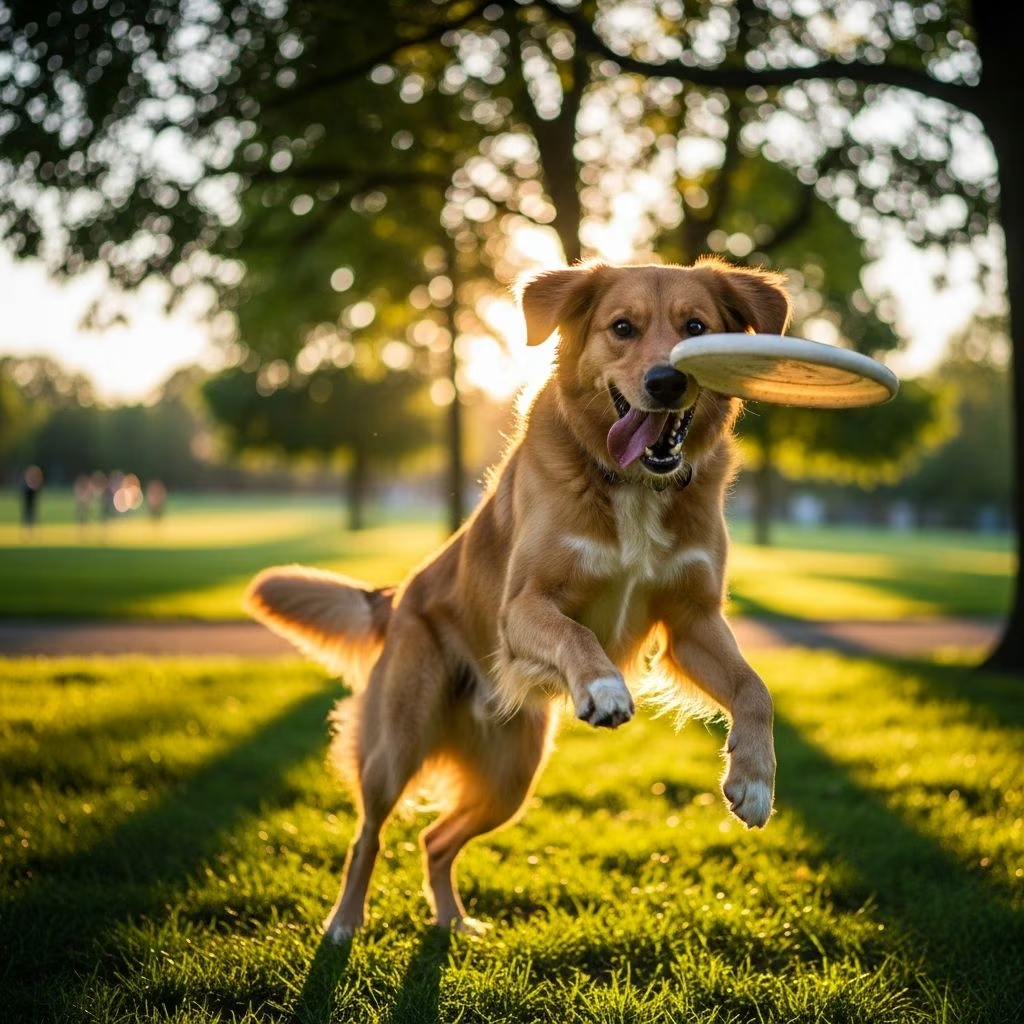
Does Your Dog Need an Exercise Routine?
Just like humans, dogs thrive when they have regular physical activity built into their daily lives. While some dogs, especially breeds like Border Collies, are known for needing significant amounts of exercise, the truth is that all dogs—regardless of age, size, or breed—need regular exercise to maintain optimal health and wellbeing. Whether your dog is a high-energy athlete or a laid-back companion, incorporating a structured fitness routine is one of the best investments you can make in their long-term health.
Creating a fitness plan for your dog doesn’t require you to be a CrossFit champion or a marathon runner. However, your dog should be getting their daily steps and stretches in. The benefits of regular exercise extend far beyond physical fitness; they encompass emotional health, behavioral improvement, and disease prevention. As an American Kennel Club FIT DOG Instructor, understanding how to develop an appropriate fitness routine for your canine companion is essential for any responsible dog owner.
Why Exercise Matters for Your Dog
Regular physical activity is critical for your dog’s overall health and wellbeing. Exercise provides numerous benefits that contribute to a longer, healthier life:
- Healthy weight management: Exercise helps dogs reach and maintain a healthy weight by burning excess calories and improving metabolism.
- Cardiovascular health: Regular activity strengthens the heart and improves overall cardiovascular function.
- Muscle strength: Consistent exercise builds and maintains muscle tone, supporting bone health and mobility.
- Graceful aging: Active dogs tend to age more gracefully, maintaining better mobility and quality of life in their senior years.
- Disease prevention: Regular exercise lowers the risk of various diseases and health conditions.
- Emotional wellbeing: Physical activity improves mental health by reducing anxiety and stress.
- Behavioral improvement: Exercise can decrease symptoms of reactivity and anxiety, leading to a calmer, more well-adjusted dog.
Getting Out and Walking: The Foundation of Canine Fitness
Walking is one of the easiest and most accessible ways to add structured exercise into your dog’s regular routine. Regular walks are an excellent way to keep your pup physically conditioned, burn excess calories, and maintain a healthy weight. Walking is also a relatively low-impact form of exercise that helps prevent your dog from becoming sedentary while building cardiovascular endurance.
Starting Your Walking Routine
If you’re looking to implement a more fitness-focused walking program with your dog, here are some essential tips to get you started on the right track:
- Start slow: Especially if your dog doesn’t regularly get out for walks, begin with short walks lasting about 10 minutes. This allows your dog’s body to adjust to regular exercise and prevents injury or exhaustion.
- Build up endurance: Gradually increase the distance you walk until your dog becomes comfortable with 30-minute walks. This progression should happen over several weeks, depending on your dog’s current fitness level.
- Add in a warm-up: Just as humans benefit from warming up before exercise, dogs need to prime their bodies for activity. Start each walk at a comfortable pace before moving into a more brisk tempo.
- Maintain consistency: Establish a regular walking schedule that your dog can depend on, whether that’s daily walks or several times per week.
Advanced Walking Techniques
Once your dog has built a solid foundation with regular walking, you can incorporate more advanced walking techniques to challenge them further:
Stair Walking
For a terrific workout that benefits both the cardiovascular system and leg muscles, find a stairwell, either outdoors or indoors. A variety of stairs—such as spiral or half-turn stairs—and different stair surfaces like wooden, concrete, or brick can add mental stimulation and build overall confidence. However, many dogs don’t enjoy open stairs, so ensure your dog is a well-seasoned stair climber before attempting this activity.
Resistance Walks
Lakes and beaches are prime territory for resistance walks, which involve walking in shallow water and on dry or wet sand. Dry sand is the more strenuous option, as walking in it exhausts muscles quite quickly. This type of exercise is excellent for building strength and endurance while remaining easy on the joints.
Power Walks
If you are physically fit, power walking provides a thorough workout for both you and your dog. The brisk pace interspersed with intervals of jogging, running, or arm pumping doesn’t allow time for your dog to stop and sniff. You can also mix up power walks with squats, fetch, or other activities you both enjoy to keep things interesting and challenging.
Stretching and Conditioning Exercises
Just as it’s helpful for humans to stretch or practice yoga to increase flexibility and prevent injury, the same is true for dogs. Stretching-based exercises improve range of motion, flexibility, and mobility while reducing the risk of injury. The easiest way to incorporate stretching into your dog’s routine is by teaching them stretching-based trick skills that double as conditioning exercises.
Simple Stretching Exercises for Daily Routines
Here are some simple stretching exercises you can add into your dog’s daily routine:
1. Treat-Stretches
For this stretch, have your dog follow your hand with their body as you hold a treat. This simple technique helps your dog stretch their spine and increase range of motion and overall flexibility. Move the treat slowly around your dog’s body, encouraging them to follow it in different directions. Be sure to practice doing this in both directions so your dog is stretching both ways for optimal results. Repeat several times, and when your dog is consistently following the treat, you can introduce a cue of your choice like “spin,” “circle,” or “left” and “right.” Over time, you’ll be able to phase out the treat and simply give your dog the cue, rewarding them with a treat after they complete the stretch.
2. High Five
Not only is the high five a cute trick for your dog to learn, but it’s also an effective way to stretch your dog’s upper body, especially their shoulder muscles. The easiest way to teach this behavior is to ask your dog to sit, then have a treat in your hand. This motion engages the front limbs and shoulders, providing excellent stretching benefits while reinforcing a fun, interactive behavior.
Comprehensive Circuit Training
Circuit training is a fast-paced method of conditioning your dog through a series of exercises designed to improve strength, power, balance, endurance, and stamina. A circuit consists of three to five different exercises performed in succession, followed by a rest period, then repeated for additional sets.
Sample Home Circuit Routine
You can create a simple circuit at home by following these guidelines:
- Front limb stretch and rear limb stretch
- Cardio exercise (one minute on a treadmill or stair climbing)
- Core strength exercise
- Compound strength exercise (you could lunge while your dog repeats a play bow movement)
Start with five repetitions of each exercise and two sets of the circuit, then increase as your dog advances. You can find detailed instructions through YouTube videos or online courses, or check with local gyms to see if they offer dog circuit classes.
Other Effective Ways to Exercise Your Dog
Beyond walking and stretching, there are many creative ways to get active with your dog while keeping exercise enjoyable and engaging.
Swimming
Swimming is an excellent low-impact exercise that’s easy on the joints and great for building endurance. Introduce your pup to water slowly, perhaps starting with resistance walks in warm, shallow water. Once they’re comfortable, add a floatable ball and retrieves can be enjoyed by all. Swimming is particularly beneficial for older dogs or those with joint issues, as it provides excellent cardiovascular benefits without the impact of land-based exercise.
Dog Dancing and Playful Movement
Exercising doesn’t have to feel like a chore. If you’re moving along to music, you’ll build up a sweat without realizing it. Dog dancing is a popular sport and one you can take seriously with your dog or enjoy casually at home. Start playfully by turning on music and rehearsing simple exercises such as turning or pawing. If your dog shows enthusiasm for this type of activity, you might consider attending a dog dancing course for beginners to learn the fundamentals of this engaging canine sport.
Dog Agility and Other Sports
There are many other creative ways to get active with your dog, such as dog agility courses and specialized training programs. However, it’s essential to start slowly with any new program. Just as someone shouldn’t run a full marathon without training, dogs need to be worked up slowly, especially if they haven’t been highly active in the past.
Creating a Balanced Exercise Plan
The key to a successful dog fitness routine is balance and consistency. Your exercise plan should include a combination of:
| Exercise Type | Frequency | Duration | Benefits |
|---|---|---|---|
| Daily Walks | Once or twice daily | 20-30 minutes | Cardiovascular health, weight management, mental stimulation |
| Stretching Exercises | Daily | 5-10 minutes | Flexibility, mobility, injury prevention |
| Circuit Training | 2-3 times per week | 15-20 minutes | Strength, endurance, power development |
| Advanced Activities | 1-2 times per week | 20-30 minutes | Mental engagement, skill development, variety |
Important Considerations Before Starting
Before beginning any new exercise routine with your dog, consider the following factors:
- Age and development: Puppies and young dogs require different exercise levels than adult or senior dogs. Consult your veterinarian about appropriate exercise for your dog’s age.
- Health status: Dogs with existing health conditions or injuries need modified exercise plans. Always consult your vet before starting a new fitness routine.
- Breed characteristics: Different breeds have different exercise needs and physical capabilities. Research your dog’s breed to understand their specific requirements.
- Current fitness level: Assessment of your dog’s current fitness level is crucial for designing an appropriate routine that prevents injury and overexertion.
- Weather conditions: Adjust your exercise routine based on temperature, humidity, and seasonal changes to keep your dog safe and comfortable.
Frequently Asked Questions (FAQs)
Q: How much exercise does my dog really need?
A: While requirements vary by age, size, and breed, most adult dogs benefit from at least 30 minutes of structured exercise daily. High-energy breeds may need 60 minutes or more, while senior dogs may need less intense, shorter sessions. Consult your veterinarian for personalized recommendations.
Q: Is walking enough exercise for my dog?
A: Walking is an excellent foundation for exercise, but combining it with stretching, conditioning, and play activities provides more comprehensive fitness benefits. You don’t have to run for hours with your dog to benefit from exercise, but variety helps prevent boredom and works different muscle groups.
Q: Can I exercise my puppy the same way as an adult dog?
A: No, puppies have different exercise needs and limitations. Their growing bones and joints are more vulnerable to injury from intense or repetitive exercise. Generally, puppies should have short, frequent exercise sessions rather than long, strenuous workouts.
Q: What if my dog has joint problems or health issues?
A: Dogs with joint problems or other health issues should follow a modified exercise plan approved by your veterinarian. Swimming and other low-impact exercises are often recommended for dogs with arthritis or joint pain.
Q: How do I know if my dog is getting enough exercise?
A: A well-exercised dog typically displays calm behavior at home, maintains a healthy weight, and shows enthusiasm for activities. If your dog exhibits excessive energy, destructive behavior, or anxiety, they may need more exercise or mental stimulation.
Q: Can I start an exercise routine in hot weather?
A: Yes, but take extra precautions. Exercise during cooler parts of the day, provide plenty of water, watch for signs of overheating, and avoid hot surfaces that can burn paw pads. Consider low-impact activities like swimming during very hot weather.
Q: How long does it take to see results from a fitness routine?
A: Most dogs show improved fitness and behavioral benefits within 2-4 weeks of consistent exercise. Weight loss and significant conditioning changes may take 8-12 weeks, depending on the dog’s starting fitness level and diet.
References
- Does Your Dog Need an Exercise Routine? — Kinship. 2024. https://www.kinship.com/dog-health/dog-fitness-routine
- Is Walking Your Dog Good Exercise? — Kinship. 2024. https://www.kinship.com/dog-lifestyle/is-walking-your-dog-good-exercise
- Workouts You Can Do With Your Dog – From Doga to Canicross — Kinship. 2024. https://www.kinship.com/uk/dog-lifestyle/workouts-with-your-dog
- Physical Activity and Dog Health — American Kennel Club. 2024. https://www.akc.org/dog-breeds/



