

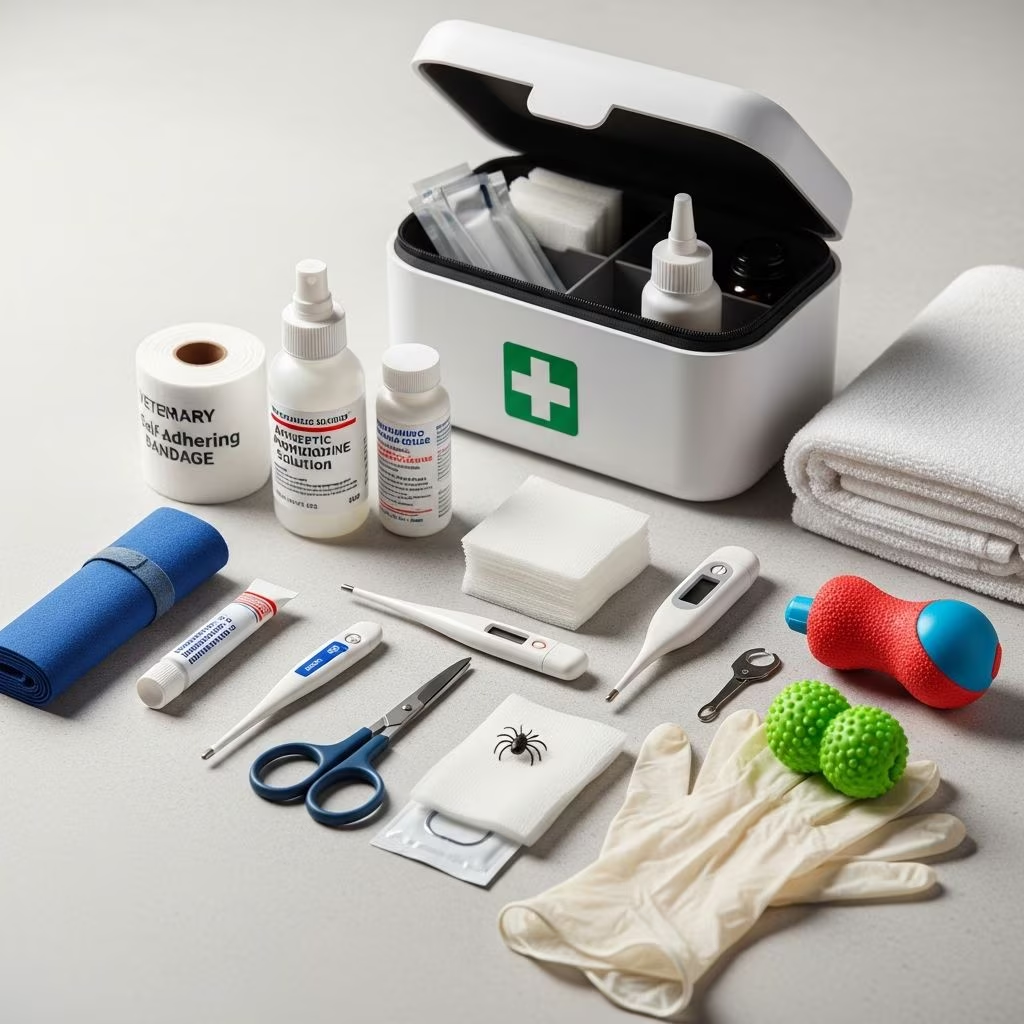
Emergencies can strike any dog at any time, whether from accidents, injuries, or sudden illnesses. Knowing basic first aid techniques allows pet owners to stabilize their dogs until professional veterinary help arrives, potentially making the difference between life and death. This guide provides practical, step-by-step instructions drawn from expert veterinary recommendations to help you respond confidently.
Building Your Dog’s Emergency Kit
A well-prepared first aid kit is the foundation of effective emergency response. Customize it based on your dog’s size, breed, and common risks in your environment. Store it in a waterproof, portable container accessible at home, in the car, and on walks.
- Gauze pads and rolls: For covering wounds and applying pressure to stop bleeding.
- Adhesive tape and self-adherent bandages: To secure dressings without sticking to fur.
- Blunt-ended scissors and tweezers: For cutting bandages and removing splinters or ticks safely.
- Antiseptic wipes, antibiotic ointment, and styptic powder: To clean wounds and control minor bleeding from nails or cuts.
- Digital rectal thermometer and lubricant: For monitoring temperature accurately.
- Instant cold packs and towels: To reduce swelling from sprains or bites.
- Muzzle, leash, and carrier: To safely restrain an injured or panicked dog.
- Syringe or turkey baster: For administering fluids or flushing wounds.
- Flashlight, gloves, and contact lists: Including your vet, emergency clinic, and poison control hotline.
Check and restock your kit every few months, replacing expired items like ointments or batteries in thermometers. Tailor additions for specific needs, such as corn syrup for hypoglycemic episodes in diabetic dogs.
Core Principles of Emergency Response
When faced with a crisis, follow these universal steps to maximize your dog’s chances of recovery:
- Stay calm and secure the scene: Assess dangers before approaching to avoid further injury.
- Restrain safely: Use a muzzle if the dog is in pain, as even gentle pets may bite instinctively.
- Check vital signs: Airway, breathing, circulation (pulse), and consciousness.
- Control bleeding and stabilize: Apply pressure to wounds and keep the dog warm and still.
- Seek professional help immediately: Call your vet or an emergency clinic while providing care.
Maintain composure to think clearly—panicking can worsen the situation. Always prioritize veterinary attention over home treatment alone.
Performing CPR on Your Dog
Cardiopulmonary resuscitation (CPR) restores breathing and heartbeat in dogs that have stopped. Act only if there’s no pulse or breathing; incorrect CPR can cause harm.
Steps for Rescue Breathing
- Clear the airway: Gently pull the tongue forward and remove visible obstructions with fingers or tweezers, avoiding pushing objects deeper.
- Position the head: Extend the neck to straighten the airway.
- Breathe: For large dogs, close the mouth and blow into the nose until the chest rises (10 breaths per minute). For small dogs, cover mouth and nose. Repeat 10 times.
Chest Compressions Technique
Place the dog on a firm surface on its right side. Locate the heart (behind the left elbow).
- Large, deep-chested dogs: Stack hands on the widest chest area; compress 100-120 times per minute, 1/3-1/2 chest depth.
- Barrel-chested or small dogs: One hand over the sternum or heart; lighter pressure for smaller breeds.
- Combine: 30 compressions to 2 breaths, continuing until the dog responds or help arrives.
Practice these on a stuffed animal to build muscle memory, as timing is critical—aim for 100-120 compressions per minute.
Handling Choking Hazards
Dogs often choke on toys, bones, or food. Symptoms include pawing at the mouth, drooling, blue gums, or collapse.
| Dog Size | Heimlich Method |
|---|---|
| Large | Stand behind, fists on abdomen just behind ribs; thrust upward and forward sharply 3-5 times. |
| Small | Hold upside down by hind legs; deliver firm belly thrusts or rib pressure. |
If conscious, restrain calmly and look in the mouth—never blind-sweep. For unconscious dogs, combine with rescue breathing. Rush to a vet if unresolved, as swelling can block airways further.
Managing Bleeding and Wounds
External bleeding ranges from minor cuts to arterial spurts. Internal bleeding shows pale gums, rapid breathing, or abdominal swelling.
- Minor cuts: Clean with saline or antiseptic, apply ointment, and bandage loosely to monitor.
- Severe bleeding: Direct pressure with gauze for 10-15 minutes; elevate if possible without causing pain. Use tourniquet only as last resort on limbs.
- Nail trims gone wrong: Apply styptic powder or cornstarch to clot.
For burns, flush with cool (not ice-cold) water for 20 minutes and cover loosely. Suspect fractures if the dog won’t bear weight—immobilize with splints from rigid materials like magazines.
Recognizing and Treating Heatstroke, Poisoning, and Seizures
Heatstroke
Signs: Excessive panting, bright red gums, vomiting. Cool gradually with wet towels and fans; offer small water sips. Transport to vet ASAP—body temp over 104°F is life-threatening.
Poisoning
Common culprits: Chocolate, xylitol, rodenticides. Do not induce vomiting unless vet instructs (use 3% hydrogen peroxide via syringe). Note symptoms and toxin for poison control.
Seizures
Clear space, time the episode (under 5 minutes is typical), and prevent injury. Do not restrain or put hands near mouth. Vet evaluation post-seizure is essential.
Allergies, Bites, and Shock Prevention
Bee stings or insect bites cause swelling—remove stinger, apply cold pack, and monitor for anaphylaxis (face swelling, collapse). For snakebites, immobilize and seek antivenom urgently.
Shock signs: Weak pulse, cold extremities. Keep warm, elevate hindquarters slightly, and cover with blankets.
FAQs
What should I do if my dog stops breathing?
Check airway, perform rescue breathing (10 breaths/min), and CPR if no pulse. Call emergency services immediately.
Can I give my dog human painkillers?
No—many are toxic. Only use vet-approved meds.
How do I check my dog’s pulse?
Feel the femoral artery inside the upper hind leg; normal rate 60-160 bpm depending on size.
Is pet insurance worth it for emergencies?
It can cover costly treatments; research policies covering first aid follow-ups.
When to skip first aid and go straight to the vet?
Always prioritize professional care for unconsciousness, heavy bleeding, or breathing issues.
Training and Prevention Tips
Enroll in pet CPR classes from organizations like the Red Cross. Prevent emergencies with secure toxins, supervision during play, and regular vet checkups. Microchip and ID tags aid recovery if lost during crises.
Word count: 1678 (excluding HTML tags).
References
- Pet First Aid Guide: How to Give Your Dog Basic First Aid — Stine Animal Hospital. 2024-05-15. https://www.stinevet.com/site/blog/2024/05/15/pet-dog-first-aid
- First Aid for Dogs: Everything You Need to Know — American Kennel Club. Recent update. https://www.akc.org/expert-advice/health/first-aid-dogs/
- Pet First Aid: The Basics — Zoetis Petcare. Recent. https://www.zoetispetcare.com/blog/article/pet-first-aid
- First Aid For Your Dog — RSPCA. Recent. https://www.rspca.org.uk/adviceandwelfare/pets/dogs/health/firstaid
- Pet First Aid Tips — Veterinary Emergency Group. Recent. https://www.veg.com/post/pet-first-aid-tips
- Your Comprehensive Guide: Pet First Aid — Animal Emergency Service. Recent. https://animalemergencyservice.com.au/blog/your-comprehensive-guide-pet-first-aid/



