

Emergencies can strike any dog at any time, whether during a walk, playtime, or at home. Being prepared with knowledge and supplies can make the difference between a minor incident and a life-threatening situation. This guide equips dog owners with practical steps to respond effectively, focusing on assessment, stabilization, and seeking veterinary care promptly.
Building Your Dog’s Emergency Response Kit
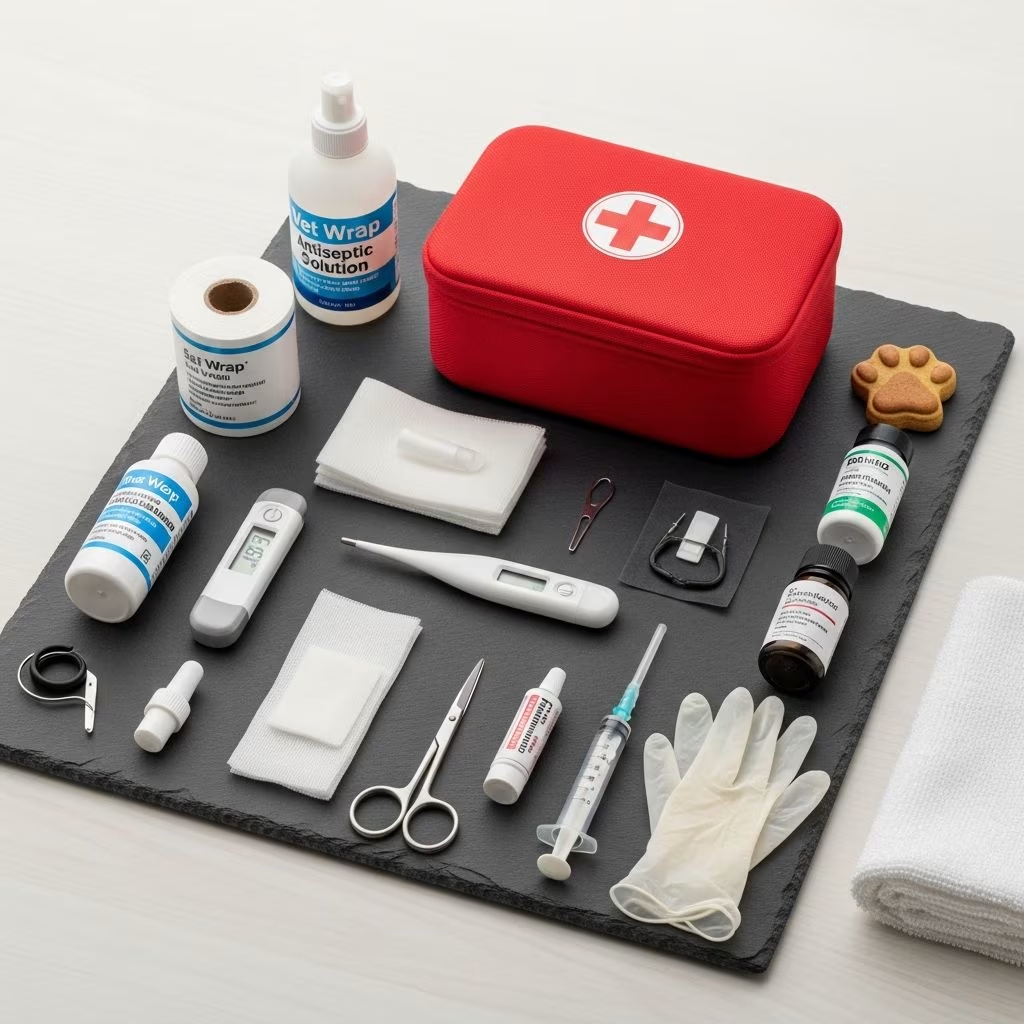
A dedicated first aid kit is the cornerstone of emergency preparedness. Tailor it to your dog’s size and lifestyle, storing it in a waterproof container accessible within seconds. Essential items ensure you can address wounds, temperature issues, and transport needs immediately.
- Gauze pads and rolls: Various sizes for padding and wrapping wounds, including non-stick options to prevent adhesion.
- Antiseptic solutions: Pet-safe wipes or sprays like chlorhexidine to clean injuries without stinging.
- Bandage materials: Self-adhering wraps, conforming gauze, and blunt scissors for safe cutting.
- Tools: Tweezers for splinters or ticks, digital rectal thermometer with lubricant, and disposable gloves.
- Temperature control: Instant cold packs, mylar blankets, and towels for cooling or warming.
- Safety gear: Basket muzzle, spare leash, Elizabethan collar, and flashlight for low-light assessments.
- Specialty items: Styptic powder for nails, saline for flushing eyes or wounds, and syringes for irrigation.
Customize further: larger dogs need more gauze, while small breeds require finer tools. Include emergency contacts: your vet, a 24-hour clinic, and poison hotline.
Initial Assessment: Checking Vital Signs
Approach calmly and securely muzzle if needed, even for gentle dogs in pain. Scan the scene for hazards like traffic before touching your dog.
- Observe: Look for bleeding, limping, labored breathing, or altered consciousness.
- Touch: Feel for heartbeat behind the elbow or femoral pulse on the inner thigh.
- Capillary refill test: Press gums; color should return in under 2 seconds.
- Temperature: Normal is 100-102.5°F rectally; use lubricant and insert gently 1-2 inches.
- Respiration: Normal 10-30 breaths per minute; count chest rises.
If vitals are unstable, prioritize stabilization over full treatment.
Treating Common Wounds and Bleeding
Wounds range from scrapes to deep lacerations. Act quickly to prevent infection and blood loss.
Minor Cuts and Scrapes
- Apply direct pressure with sterile gauze for 3-5 minutes.
- Flush with saline using a syringe (100-250 mL).
- Dab pet-safe antiseptic and cover with non-stick pad, securing with wrap.
- Check circulation every 10 minutes by pressing toes; they should pink up quickly.
Change bandages daily and monitor for swelling.
Torn Nails
Bleeding nails are painful but manageable.
| Step | Action | Duration |
|---|---|---|
| 1 | Trim ragged edges with blunt scissors | Quickly |
| 2 | Apply styptic powder firmly | 60 seconds |
| 3 | Bandage if needed | 12-24 hours |
| 4 | Restrict activity | 24 hours |
Seek vet care if bleeding exceeds 10 minutes.
Severe Bleeding
For arterial spurts, elevate the limb if possible and apply firm pressure. Use a tourniquet only as a last resort, noting time applied. Rush to vet.
Handling Choking and Breathing Emergencies
Choking often involves toys or bones. Signs include pawing at mouth, gagging, blue gums.
- Safe removal: Open mouth, sweep with fingers or tongue depressor under light.
- Heimlich adaptation: For standing dog, hug from behind and thrust upward on belly. For flat dog, compress abdomen sharply.
- If unsuccessful, start CPR.
Dog CPR Procedure
Follow ABCs: Airway, Breathing, Circulation.
- Airway: Extend head/neck, clear obstructions.
- Breathing: Cover muzzle, blow into nostrils 20 breaths/min until chest rises.
- Circulation: Compress chest 100-120/min (30-50% depth); small dogs use thumb-fingers, large use stacked hands on side.
Alternate 30 compressions:2 breaths. Continue until breathing resumes or vet arrives. Survival rates are low, so focus on rapid transport.
Temperature-Related Crises
Heatstroke Management
Symptoms: excessive panting, weakness, temperature over 104°F.
- Move to cool shade.
- Wet groin, armpits, belly with cool (not ice) water.
- Fan for evaporation; monitor temp every 5 min, stop at 103°F.
- Offer small water sips if alert.
Urgent vet care needed.
Hypothermia
Shivering, lethargy in cold exposure.
- Warm gradually with blankets or body heat.
- Avoid direct heat sources.
Allergic Reactions and Stings
Bee stings cause rapid swelling.
- Scrape stinger with card edge (don’t squeeze).
- Apply cold pack 10 min on/off.
- Watch for facial swelling, vomiting, or breathing issues; call vet for Benadryl dosing.
Poisoning and Ingestion Hazards
Never induce vomiting without vet guidance; use 3% hydrogen peroxide only if instructed.
- Prevent access to toxins like chocolate, xylitol, grapes.
- Collect sample/label for vet.
- Activated charcoal may bind toxins per vet advice.
Call poison control immediately.
Safe Transport to Veterinary Care
Secure in crate or on blanket; muzzle for safety. Keep warm unless overheating. Drive cautiously, updating vet en route.
Prevention Strategies for Common Incidents
Minimize risks: supervise play, secure hazards, train recall, microchip, and attend pet first aid classes.
Frequently Asked Questions
What if my dog won’t let me treat a wound?
Muzzle first and work calmly; enlist help or seek professional care.
How often should I check my first aid kit?
Monthly, and after every use; replace expired items.
Can I use human medications?
No; dosages and ingredients differ dangerously.
What’s the most common dog emergency?
Wounds and trauma from play or accidents.
When is CPR indicated?
No breathing and no pulse; confirm unresponsiveness first.
References
- Complete Pet First Aid Guide 2026: Easy Supplies That Save Lives — Rubyloo.co. 2026. https://rubyloo.co/blogs/news/complete-pet-first-aid-supplies
- First Aid for Dogs: A Guide to Basic Supplies and Procedures — Bond Vet. Recent. https://bondvet.com/blog/first-aid-for-dogs
- Doggy First Aid: A Complete Guide to Dog Wound Care — Montecito Vets. 2022-03-15. https://www.montecitovets.com/site/blog/2022/03/15/guide-dog-wound-care
- Your Comprehensive Guide: Pet First Aid — Animal Emergency Service. Recent. https://animalemergencyservice.com.au/blog/your-comprehensive-guide-pet-first-aid/
- First Aid Kit for Pets — American Red Cross. Recent. https://www.redcross.org/content/dam/redcross/atg/PDF_s/Preparedness___Disaster_Recovery/Disaster_Preparedness/Home_Fire/First_Aid_Kit_for_Pets.pdf



