

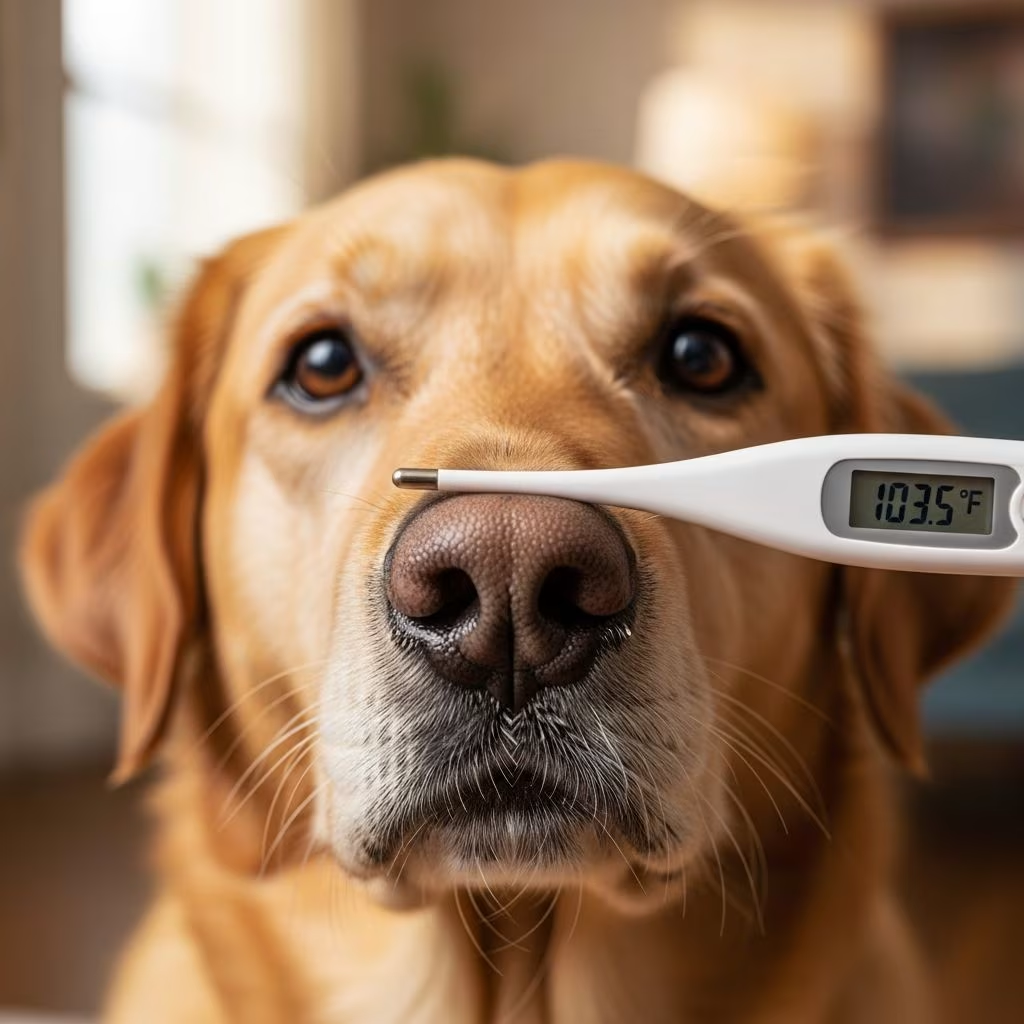
Fever in dogs signals the body’s immune response to underlying issues, typically marked by a rectal temperature exceeding 103°F (39.4°C). Prompt recognition and action can prevent complications from infections, toxins, or other triggers.
Normal Temperature Range in Canines
Healthy dogs maintain a body temperature between 100°F and 102.5°F (37.8°C to 39.2°C), varying slightly by age, size, activity, and time of day. Puppies and smaller breeds often run warmer, while larger dogs trend cooler.
- Temperatures below 99°F (37.2°C) indicate hypothermia.
- 103°F to 104°F (39.4°C to 40°C) suggests mild fever requiring monitoring.
- Above 104°F (40°C) demands immediate veterinary evaluation.
Recognizing Fever Indicators
Dogs cannot verbalize discomfort, so owners must observe behavioral and physical changes. Common signs include lethargy, shivering, rapid breathing, and warm ears or nose.[10]
| Symptom | Description | Associated Concerns |
|---|---|---|
| Lethargy | Reluctance to play or move | Energy loss from immune fight |
| Shivering or Panting | Uncontrolled trembling or fast breaths | Body’s cooling attempt |
| Warm Ears/Nose | Hot to touch | Early vascular response |
| Glassy Eyes | Red or watery appearance | Inflammation signal |
| Loss of Appetite | Refusal of food/water | Dehydration risk |
Respiratory symptoms like coughing or nasal discharge often accompany infectious fevers.
Primary Triggers of Elevated Temperatures
Fever arises when pyrogens from infections or inflammation reset the brain’s hypothalamus thermostat. Causes range from treatable infections to serious diseases.
Infectious Agents
Bacterial invasions, such as urinary tract infections (UTIs) or abscessed wounds, top the list. Viral threats like parvovirus or influenza, and fungal infections, also provoke strong responses.
- Ear infections cause localized pain and systemic fever.
- Tooth abscesses lead to facial swelling and malaise.
- Organ infections (kidneys, lungs) present with organ-specific signs.
Non-Infectious Contributors
Inflammatory diseases like pancreatitis or arthritis inflame tissues, raising core temperature. Autoimmune disorders prompt self-attacks, mimicking infections.
Cancer stimulates immune activity, resulting in persistent fevers. Vaccine reactions cause transient spikes within 24-48 hours post-injection.
Toxin Exposure Risks
Ingestion of poisons like antifreeze, xylitol, or toxic plants triggers hyperthermia. Infected bites or scratches introduce bacteria rapidly.
Accurate Methods for Temperature Assessment
Rectal thermometers provide the gold standard reading; ear or axillary methods are less precise but useful for trends. Lubricate digital thermometers with petroleum jelly, insert gently 1-2 inches, and hold for 1 minute or until beeping.
- Normal: 100-102.5°F
- Fever: >103°F
- Critical: >105°F – Emergency!
Safe Cooling Strategies at Home
While awaiting vet care, cool mildly febrile dogs (103°F+) with damp towels on paws, ears, and groin. Offer ice chips for hydration, but avoid ice baths which shock the system.
Do NOT administer human drugs like ibuprofen or acetaminophen – they cause toxicity, organ failure, or death.
Veterinary Diagnostic Procedures
Vets start with history, physical exams, and bloodwork to pinpoint causes. Imaging (X-rays, ultrasounds) and cultures follow if needed.
- Blood panels assess infection markers, organ function.
- Urinalysis detects UTIs.
- Fevers of unknown origin (FUO) may require advanced tests like biopsies.
Treatment Protocols by Cause
Therapy targets root issues: antibiotics for bacteria (e.g., doxycycline), antifungals (e.g., fluconazole), or immunosuppressants for autoimmunity.
| Cause Type | Treatments | Duration |
|---|---|---|
| Bacterial Infection | Antibiotics, fluids | 7-14 days |
| Viral | Supportive care, rest | Variable |
| Inflammatory | Corticosteroids, NSAIDs | Weeks |
| Toxin | Decontamination, antidotes | Immediate |
IV fluids combat dehydration; fever-reducers are used sparingly to preserve immune benefits.
Preventive Measures for Pet Wellness
Vaccinate routinely to curb viral risks. Inspect skin after outdoor play for wounds. Provide chew toys to prevent dental issues, and secure toxins.
- Annual check-ups catch brewing infections.
- Parasite control reduces secondary fevers.
- Balanced diet supports immunity.
When to Rush to the Vet
Seek emergency care for temperatures over 104°F, persistent symptoms >24 hours, seizures, collapse, or bloody discharge. Early intervention improves prognosis dramatically.
Frequently Asked Questions (FAQs)
What is a dangerous fever level for dogs?
Anything above 103°F warrants attention; over 105°F is life-threatening.
Can I treat my dog’s fever with over-the-counter meds?
No – human medications are toxic. Consult a vet only.
How often should I check temperature if fever is suspected?
Every 4-6 hours initially, recording trends for the vet.
Do puppies get fevers more easily?
Yes, due to immature immunity – monitor closely.
Is fever always from infection?
No, toxins, vaccines, cancer, or inflammation can cause it.
Long-Term Monitoring After Recovery
Post-treatment, track appetite, energy, and temperature daily for a week. Recheck with vet if relapse occurs. FUO cases may need ongoing diagnostics.
Understanding fever equips owners to act decisively, safeguarding canine companions from escalation.
References
- Fever in Dogs: Signs, Symptoms and Treatments — Parrish Veterinary Clinic. 2023. https://parrishvetclinic.com/blog/fever-in-dogs/
- Fever in Dogs: Symptoms & Treatment — Bear Creek Veterinary Clinic. 2023-11-22. https://www.bearcreekvetonline.com/site/blog/2023/11/22/fever-dogs
- Fever in Dogs: Signs, Symptoms, and Treatment — PetMD. N/A. https://www.petmd.com/dog/care/why-do-dogs-get-fevers
- Fever in Dogs: Symptoms & Treatment — Westmoreland Animal Hospital. 2024-03-15. https://www.westmorelandah.com/site/blog/2024/03/15/fever-dogs
- Fever of Unknown Origin in Dogs — Merck Veterinary Manual. N/A. https://www.merckvetmanual.com/dog-owners/metabolic-disorders-of-dogs/fever-of-unknown-origin-in-dogs
- Fever in Dogs: Symptoms & How It’s Treated — Veterinary Referral Center. 2023-12-15. https://www.vetreferralcenter.com/site/blog/2023/12/15/fever-dogs
- Fever in Dogs: Signs, Symptoms, Treatments — American Kennel Club. N/A. https://www.akc.org/expert-advice/health/dog-fever-and-temperature/



