

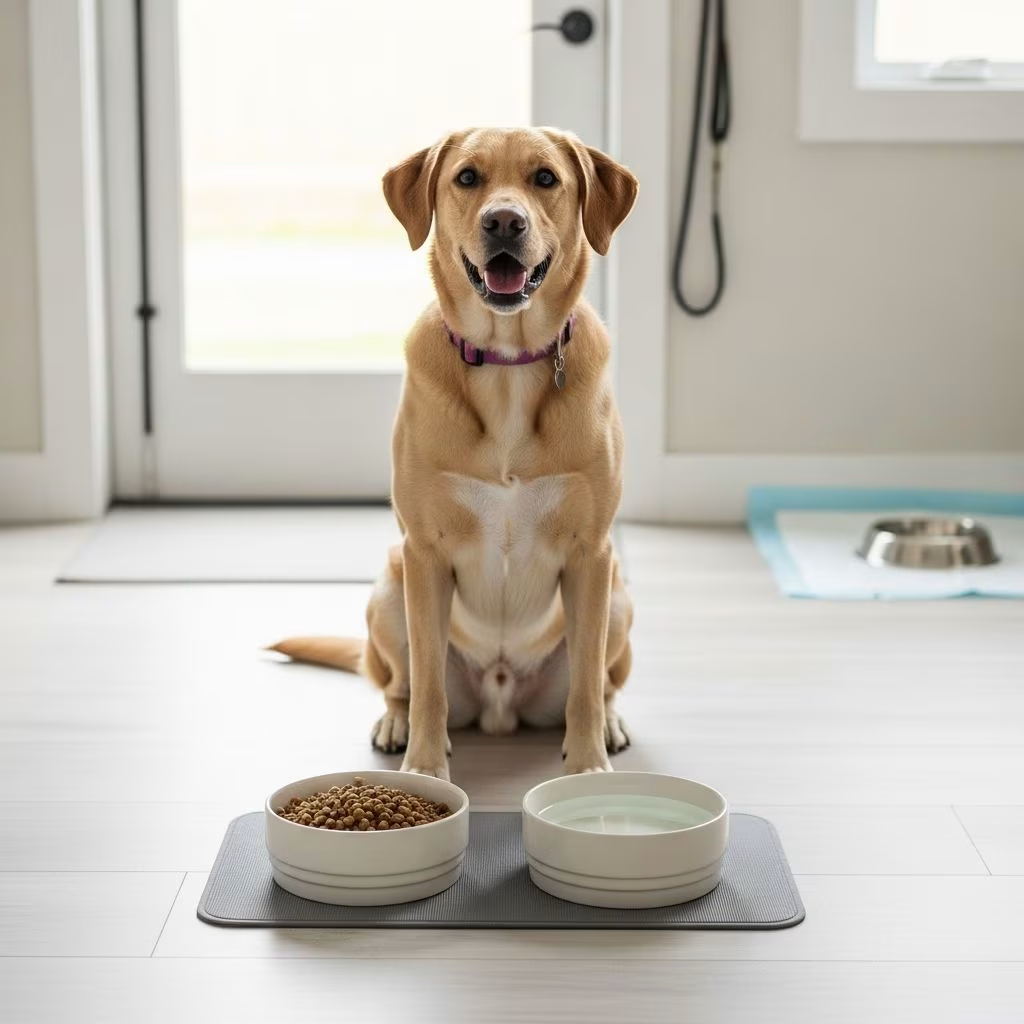
Establishing a reliable schedule for your dog’s meals and bathroom breaks forms the foundation of good behavior, health, and training success. Dogs thrive on predictability, which aids digestion, supports housebreaking, and creates opportunities for positive reinforcement during daily activities.
Why Routines Matter for Canine Well-Being
Dogs are naturally habitual animals, and consistent patterns in eating and elimination help regulate their internal clocks. A structured approach prevents digestive upset, reduces begging, and makes house training far more effective, especially for puppies who need to go out shortly after meals. Regularity also facilitates smoother transitions to new foods and reinforces your role as the pack leader through controlled mealtimes.
Without routines, dogs may develop irregular bowel movements, anxiety around food, or resource guarding issues. By contrast, dogs on fixed schedules show improved focus during training sessions and better overall temperament.
Designing Optimal Feeding Schedules by Life Stage
Tailor meal frequency and timing to your dog’s age, size, breed, and activity level. Adult dogs generally do best with two meals daily, spaced 10-12 hours apart, while growing puppies benefit from more frequent, smaller portions.
For Puppies: Frequent Small Meals
Puppies have tiny stomachs and high energy needs, so divide daily calories into 3-4 meals. For example, feed at 7 AM, noon, 5 PM, and 9 PM for young pups under 6 months. This supports steady growth without overwhelming their digestive system and aligns potty breaks with post-meal urges, as they typically need to eliminate 10-15 minutes after eating.
- Measure portions precisely using a scale or cup to match breed-specific guidelines.
- Transition to fewer meals around 6-12 months, monitoring weight and stool quality.
- Avoid free-feeding; it complicates potty prediction and training.
For Adult Dogs: Twice-Daily Consistency
Most adults flourish on breakfast around 7 AM and dinner at 6 PM. This timing ensures you’re home, avoids nighttime accidents, and syncs with typical human schedules. High-energy working dogs might need one larger post-exercise meal, but two is ideal for gastric health.
| Life Stage | Recommended Meals/Day | Sample Times | Portion Notes |
|---|---|---|---|
| Puppy (under 6 mo) | 3-4 | 7AM, 12PM, 5PM, 9PM | Small, frequent; 10-15 min potty after each |
| Adult | 2 | 7AM, 6PM | Equal portions; high-fiber for satiety |
| Senior/Small Breed | 2-3 | 7AM, 2PM, 6PM | Adjust for metabolism; vet consult |
Special Cases: Seniors, Working Dogs, and Medical Needs
Seniors or small breeds may require three meals to manage slower digestion. Dogs with conditions like GERD need smaller, more frequent feeds to prevent reflux. Hardworking bird dogs often get one post-activity meal to optimize nutrient absorption after exertion. Always consult a vet for personalized plans.
Potty Training Through Meal-Timed Breaks
Link bathroom opportunities directly to feeding for foolproof housebreaking. Pups eliminate soon after eating due to stomach stimulation of the colon, making post-meal walks prime training windows.
Step-by-Step Potty Routine Integration
- Feed at set times and take outside immediately after (within 10-15 min).
- Use a cue like “Go potty” upon success, rewarding with praise or treats.
- Schedule additional breaks: upon waking, pre-bed, and every 4-6 hours for adults; hourly for young pups.
- Supervise indoors with tethering or crates to prevent errors.
For stubborn cases, shorten free access and increase successful outdoor trips. Consistency yields results in days.
Turning Mealtimes into Training Opportunities
Mealtimes double as impulse control sessions. Use kibble from the bowl for rewards, teaching sits, waits, and stays without extra calories.
Impulse Control Drills
Practice “wait” before bowl placement: Have your dog sit, lower the bowl gradually, rewarding stillness with a piece of food. If they break, lift it away calmly—negative punishment works wonders. Repeat at every meal for reinforced manners.
- Start with bowl on counter, progress to floor.
- Incorporate commands like “place” or heel for advanced control.
- For multi-dog homes, feed separately to curb guarding; use gates or crates.
Leadership Reinforcement
Preparing food while dog is in a “place” position builds deference. Hand-feeding portions initially transitions to bowl eating, solidifying your leadership.
Nutrition Tips for Schedule Success
Choose kibble with high fiber and low air content to sustain fullness between meals, curbing begging. Supplements like raw veggies (carrots) provide healthy chews. Measure daily totals and adjust based on body condition scores from your vet.
Transition from free-feeding: Offer full day’s portion at set times over 48 hours; most dogs adapt quickly.
Common Pitfalls and Fixes
Avoid feeding before bed or exercise to prevent bloat. Don’t cave to begging—it’s habit, not hunger. Track intake to spot under/overfeeding early.
- Problem: Begging – Stick to schedule; distract with toys.
- Problem: Refusal to eat – Check food quality; consult trainer for picky eaters.
- Problem: Accidents – Tighten potty timing; rule out medical issues.
Sample Full-Day Schedules
| Time | Puppy Activity | Adult Activity |
|---|---|---|
| 6:30 AM | Wake & potty | Wake & potty |
| 7:00 AM | Breakfast + potty | Breakfast + walk |
| 12:00 PM | Lunch + potty | Exercise break |
| 5:00 PM | Dinner + potty | – |
| 6:00 PM | – | Dinner + potty |
| 9:00 PM | Snack + final potty | Evening walk |
| 10:00 PM | Bed (crate if training) | Bed |
Frequently Asked Questions
How long after eating do dogs need to potty?
Typically 10-15 minutes, making it ideal to schedule immediate outdoor time.
Can I free-feed my dog?
Not recommended; it hinders potty training and behavior consistency. Switch to meals for better results.
What if my dog skips a meal?
Offer it once more, then remove. Hunger motivates next time; check for health issues if persistent.
How to handle multi-dog feeding?
Separate spaces, equal portions, and supervised intros to prevent conflicts.
Best foods for routine adherence?
High-fiber, nutrient-dense kibble keeps dogs satisfied longer.
References
- Feeding Times and Frequency for Your Dog — VCA Animal Hospitals. 2023. https://vcahospitals.com/know-your-pet/feeding-times-and-frequency-for-your-dog
- How to Set a Consistent Routine for Your Dog’s Training and Care — Cape Cod Dog Center. 2024. https://capecoddogcenter.com/how-to-set-a-consistent-routine-for-your-dogs-training-and-care/
- Getting Stubborn Dogs on a Feeding Schedule — All Dogs Unleashed. 2023. https://www.alldogsunleashed.com/blog/getting-stubborn-dogs-on-a-feeding-schedule/
- Utilize Feeding Time as Training Time — Whole Dog Journal. 2022. https://www.whole-dog-journal.com/training/utilize-feeding-time-as-training-time/
- Using Food to Train Your Dog: the Power of Mealtime — Coach Your Dog. 2024. https://coachyourdog.com/blog/food-dog-training-mealtime/
- Stop Free-Feeding: How to Feed Your Dog Regular Meals — Crossbones Dog. 2023. https://crossbonesdog.com/stop-free-feeding-how-to-feed-your-dog-regular-meals/
- Six Reminders for Feeding Hardworking Bird Dogs — Pheasants Forever. 2023. https://www.pheasantsforever.org/BlogLanding/Blogs/Dog-Training-Tips/Six-Reminders-for-Feeding-Hardworking-Bird-Dogs.aspx
(Word count: 1678)



