

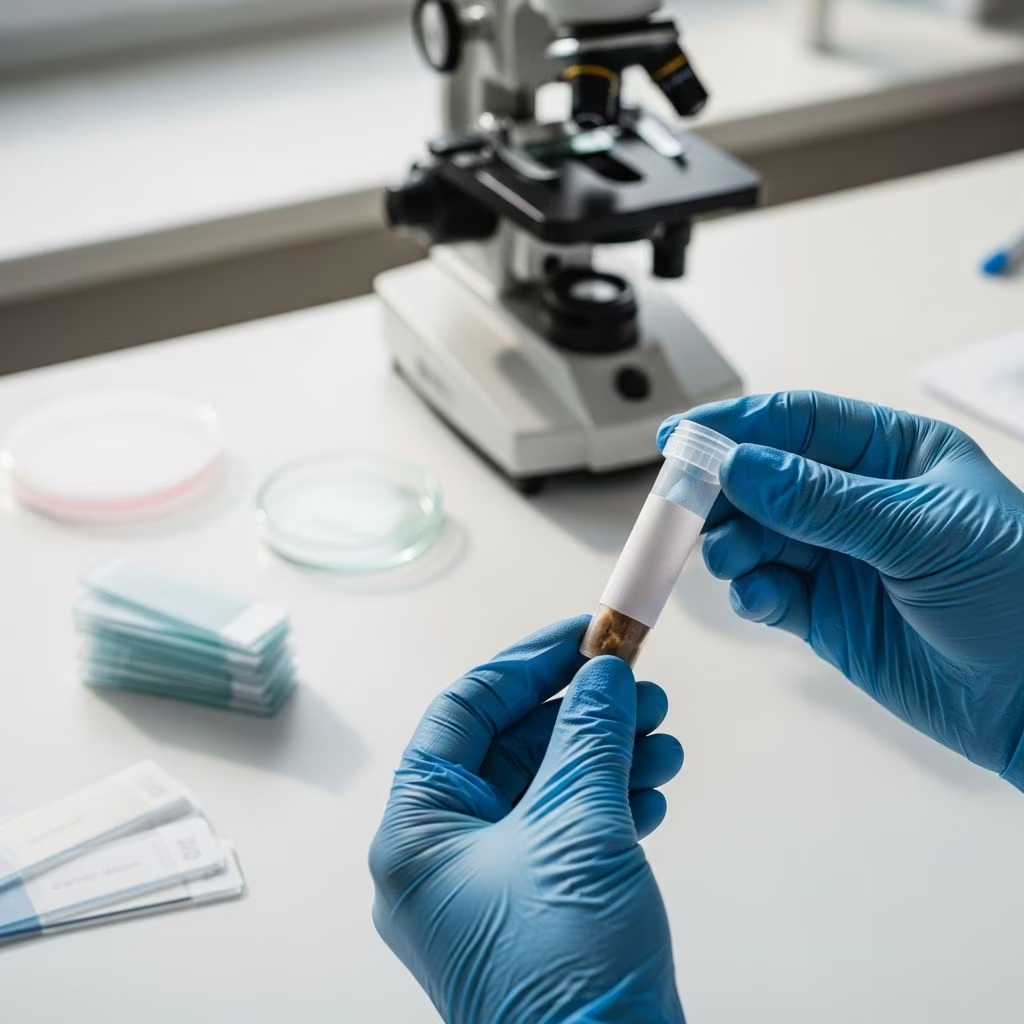
Regular fecal testing stands as a cornerstone of preventive care for dogs, enabling early detection of intestinal parasites that could otherwise lead to severe health complications. This guide explores the critical role of stool analysis, practical collection techniques, various testing methods, and strategies to ensure reliable results.
Why Fecal Exams Matter for Your Dog’s Health
Intestinal parasites affect dogs of all ages, often without obvious symptoms, making routine fecal screening indispensable. These organisms, including roundworms, hookworms, whipworms, and protozoa like Giardia, can cause diarrhea, vomiting, weight loss, and anemia. Puppies and dogs in high-risk environments, such as parks or kennels, face elevated threats.
According to veterinary guidelines, annual or semi-annual tests align with wellness visits, while more frequent checks suit young pups or symptomatic animals. Early identification prevents zoonotic transmission to humans, particularly vulnerable family members like children or immunocompromised individuals.
Understanding Common Types of Fecal Tests
Veterinarians employ several techniques to analyze stool samples, each targeting different parasites with varying sensitivity levels. Here’s a breakdown:
- Fecal Flotation: The standard initial test mixes stool with a density-specific solution, allowing parasite eggs to float for microscopic examination. Simple and quick, it takes about 20 minutes but may miss low egg counts.
- Centrifugal Flotation: An enhanced version spins the mixture in a centrifuge, concentrating eggs at the surface for higher accuracy, especially for dense parasites.
- Fecal Smear: A thin stool layer on a slide reveals bacteria, motile organisms, or protozoa not detected by flotation.
- PCR Testing: Detects parasite DNA, identifying species even without eggs, ideal for hard-to-spot infections like Coccidia.
- Antigen Tests: Lab-based detection of parasite proteins offers superior sensitivity, catching immature or non-egg-shedding stages.
- Fecal Culture: Grows bacteria to diagnose infections causing chronic diarrhea.
| Test Type | Sensitivity | Time Required | Best For |
|---|---|---|---|
| Fecal Flotation | Moderate | 20 minutes | Common eggs |
| Centrifugal Flotation | High | 30 minutes | Dense parasites |
| PCR | Very High | Days (lab) | Specific DNA |
| Antigen | Very High | Days (lab) | Non-egg stages |
Step-by-Step Guide to Collecting a Fresh Stool Sample
Success hinges on sample freshness and quality. Parasite eggs degrade, hatch, or become unviable in old, dry, or frozen stool, skewing results.
- Timing: Collect within 4-24 hours of the vet visit. Post-meal walks yield ideal soft samples.
- Amount: Aim for 1-2 grams (teaspoon-sized, sugar cube volume) from the stool’s interior.
- Tools: Use gloves, inverted ziplock bag, spoon, or vet-provided container. Avoid contamination with urine, litter, or debris.
- Storage: Seal tightly, refrigerate (not freeze), label with dog’s name, owner’s name, and date/time.
- Transport: Keep cool; deliver promptly to maintain viability.
For reluctant poopers, rectal retrieval by the vet is an option, though less preferred due to discomfort.
Factors Affecting Test Accuracy and Reliability
Not all samples test equally. Hard, dry feces resist mixing; liquid diarrhea absorbs into substrates; outdoor exposure invites fly larvae. Sample size matters: soft stool needs 2g, liquid up to 6g.
Intermittent egg shedding means single tests can false-negative; repeat sampling or combined methods boost detection. Puppies require testing every 2-3 weeks until 4-5 months, adults biannually.
When and How Often to Schedule Fecal Testing
- Puppies: Every 2-3 weeks until 16-20 weeks, coinciding with vaccines.
- Adults: 1-2 times yearly during checkups.
- Symptoms (diarrhea, weight loss): Immediately with fresh sample.
- High-risk (travel, boarding): Quarterly.
Integrate with heartworm prevention, as many products cover intestinal parasites.
Interpreting Fecal Test Results
Negative means no detectable eggs/antigens that day, not parasite-free status. Positives specify parasites, guiding deworming protocols. Follow-up tests confirm clearance.
Common findings: Roundworms (large eggs), hookworms (tiny oval), Giardia (antigen/PCR).
Home Tips and Common Mistakes to Avoid
- Mistake: Old/dry samples – Solution: Fresh only.
- Mistake: Tiny amounts – Solution: Golf ball size.
- Mistake: Freezing – Solution: Refrigerate.
- Tip: Walk after meals for reliable output.
- Tip: Multiple samples pooled if intermittent shedding suspected.
FAQs on Dog Fecal Testing
Q: How fresh must the sample be?
A: Ideally under 4-6 hours; max 24 hours refrigerated.
Q: Can I collect from litter box?
A: Yes for non-clumping; ensure pure feces.
Q: What if my dog won’t poop?
A: Vet can obtain via rectal exam.
Q: Is one test enough?
A: No; repeat for accuracy, especially low shedders.
Q: Cost range?
A: $20-50 basic; $100+ advanced PCR/antigen.
Advanced Testing for Persistent Issues
For chronic cases, combine centrifugation, antigen, and PCR. Sedimentation settles heavy parasites; direct smears spot protozoa. Culture identifies bacterial culprits.
Guidelines from bodies like CAPC advocate centrifugal flotation as routine.
References
- Fecal Testing for Dogs: What They Are and Why They Are Important — Midtown Veterinary Practice. 2023. https://midtownveterinarypractice.com/blog/fecal-testing-for-dogs/
- What to Know About Dog Fecal Tests — American Kennel Club (AKC). 2024-10-15. https://www.akc.org/expert-advice/health/dog-fecal-tests/
- How to Collect a Stool Sample — Mallard Creek Animal Hospital. 2023. https://www.mallardcreekvet.com/dr-waldens-blog/how-to-collect-a-stool-sample
- Microscopic Fecal Exam Procedures — Companion Animal Parasite Council (CAPC). 2024. https://capcvet.org/articles/fecal-exam-procedures/
- Stool Sample Collection — Smiths Station Animal Hospital. 2023. https://smithsstationah.com/stool-sample-collection



