

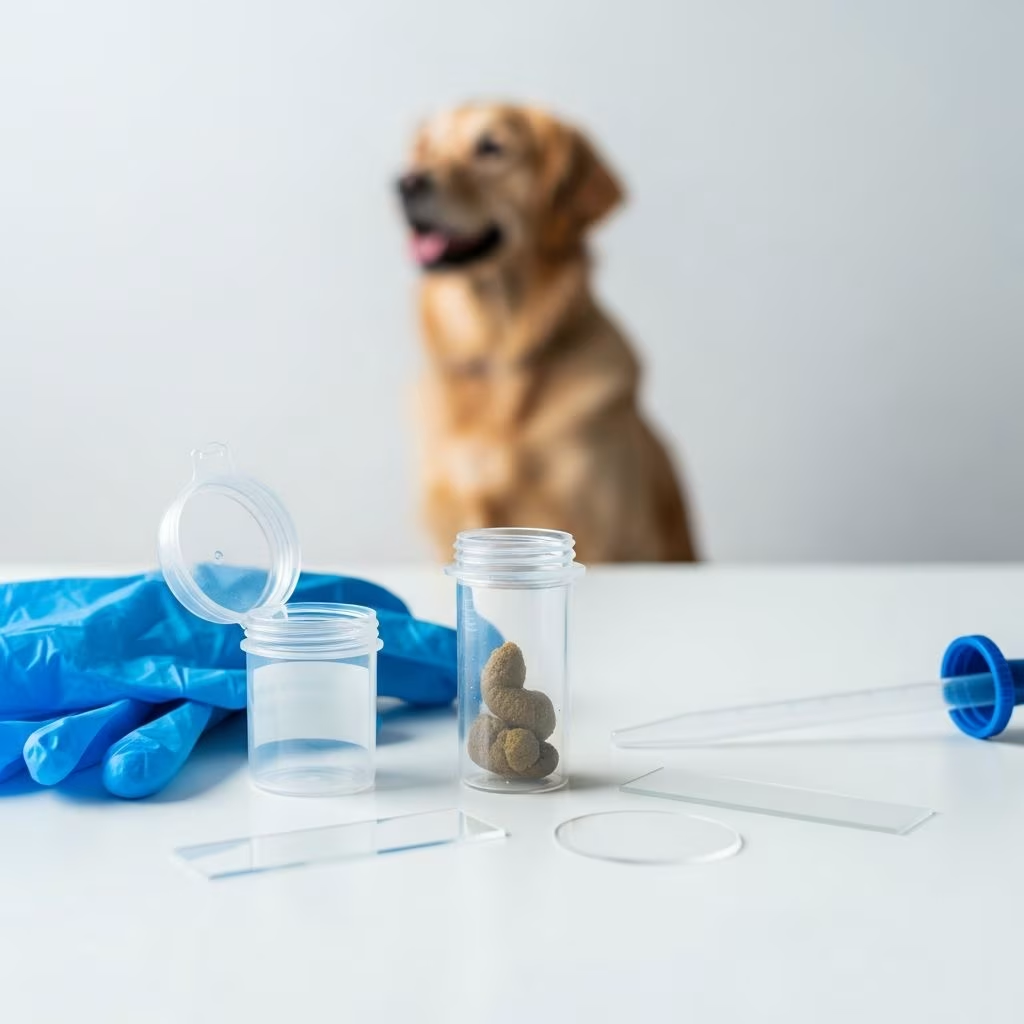
Regular fecal testing is a cornerstone of preventive care for dogs, enabling early detection of intestinal parasites that can cause serious health problems. This guide covers everything from sample collection to advanced testing methods, empowering dog owners to support their pet’s well-being effectively.
Why Fecal Exams Matter for Your Dog’s Health
Intestinal parasites like roundworms, hookworms, whipworms, and giardia affect millions of dogs annually, often without obvious symptoms. These organisms can lead to diarrhea, weight loss, vomiting, and anemia, particularly in puppies and immunocompromised adults. Early identification through fecal analysis prevents transmission to other pets, humans, and the environment.
Fecal tests are recommended biannually for adult dogs and more frequently for puppies. They also play a critical role during wellness exams or when symptoms like persistent diarrhea arise. By catching issues early, veterinarians can prescribe targeted dewormers, reducing long-term complications.
Common Types of Fecal Tests Explained
Veterinarians use several techniques to analyze stool samples, each with strengths in detecting specific parasites. Understanding these helps owners appreciate the thoroughness of their pet’s care.
- Fecal Flotation: The standard initial test mixes stool with a density-specific solution, allowing parasite eggs to float for microscopic examination. It’s quick but may miss low egg counts.
- Centrifugal Flotation: An enhanced version spins the mixture in a centrifuge, concentrating eggs at the surface for higher accuracy, as endorsed by parasite control experts.
- Fecal Smear: A thin stool layer on a slide reveals bacteria, motile parasites, or protozoa not caught by flotation.
- PCR Testing: Detects parasite DNA, identifying hard-to-spot organisms like giardia or coccidia even without eggs present.
- Antigen Testing: Identifies parasite proteins directly, offering superior sensitivity for active infections.
- Fecal Culture: Grows bacteria to diagnose infections like salmonella.
| Test Type | Best For | Accuracy Level | Time Required |
|---|---|---|---|
| Fecal Flotation | Common eggs (roundworms, hookworms) | Moderate | 20 minutes |
| Centrifugal Flotation | All egg types | High | 30 minutes |
| PCR | DNA-based detection | Very High | Lab-based (days) |
| Antigen | Active parasites sans eggs | Highest | Lab-based |
Step-by-Step Guide to Collecting a Perfect Stool Sample
Success hinges on freshness and proper handling. Aim for a sample less than 24 hours old, ideally 4-6 hours, when stool is soft and moist for optimal mixing.
- Prepare Supplies: Gloves, clean container (e.g., yogurt cup, ziplock bag), marker for labeling. Vet-provided kits often include spoons.
- Timing is Key: Walk your dog 1-2 hours post-meal for reliable elimination. Collect immediately after defecation.
- Gather Sample: Use a bag over your hand or utensil to scoop 1-2 teaspoons (sugar cube size) from the center—avoid surface contamination.
- Seal and Label: Note dog’s name, your contact, date/time. Refrigerate (not freeze) if delaying delivery.
- Transport Safely: Bring to vet within 24 hours. Avoid heat exposure.
For reluctant poopers, vets can perform rectal exams, though this yields smaller samples and may discomfort the dog.
Factors Affecting Sample Quality and Test Results
Not all stool works equally well. Dry, old feces hinder egg flotation, while diarrheal liquid absorbs into substrates poorly. Contaminants like fly larvae from outdoor samples can skew findings.
Puppies require testing every 2-3 weeks until 4-5 months due to high parasite risk from moms or environments. Adults: every 6 months or with symptoms. Multiple samples over days boost detection if initial tests are negative.
Interpreting Your Dog’s Fecal Test Results
Negative doesn’t guarantee parasite-free status—shedding is intermittent. Positive results specify parasites, guiding treatments like fenbendazole for whipworms or metronidazole for giardia.
Follow-up testing confirms clearance. Lifestyle factors (e.g., outdoor access, raw diets) increase reinfection risk, warranting vigilant monitoring.
FAQs on Dog Fecal Testing
Q: How fresh must the sample be?
A: Ideally under 6 hours; max 24 hours refrigerated.
Q: What if my dog won’t poop before the vet visit?
A: Vets can obtain via rectal exam or reschedule.
Q: Is home testing reliable?
A: Over-the-counter kits exist but lack lab precision; professional analysis preferred.
Q: How often for puppies?
A: Every 2-3 weeks until 16-20 weeks.
Q: Can parasites spread to humans?
A: Yes, especially hookworms/giardia; hygiene crucial.
Preventing Parasites Beyond Testing
Pair fecal exams with monthly preventives (e.g., Heartgard), yard cleanup, and avoiding high-risk areas. Puppies need early deworming protocols. Educate family on zoonotic risks.
Annual comprehensive panels combine fecal with bloodwork for holistic health snapshots.
References
- Fecal Testing for Dogs: What They Are and Why They Are Important — Midtown Veterinary Practice. 2023. https://midtownveterinarypractice.com/blog/fecal-testing-for-dogs/
- What to Know About Dog Fecal Tests — American Kennel Club (AKC). 2024-01-15. https://www.akc.org/expert-advice/health/dog-fecal-tests/
- How to Collect a Stool Sample — Mallard Creek Animal Hospital. 2023. https://www.mallardcreekvet.com/dr-waldens-blog/how-to-collect-a-stool-sample
- Microscopic Fecal Exam Procedures — Companion Animal Parasite Council (CAPC). 2024. https://capcvet.org/articles/fecal-exam-procedures/
- Stool Sample Collection — Smiths Station Animal Hospital. 2023. https://smithsstationah.com/stool-sample-collection



