

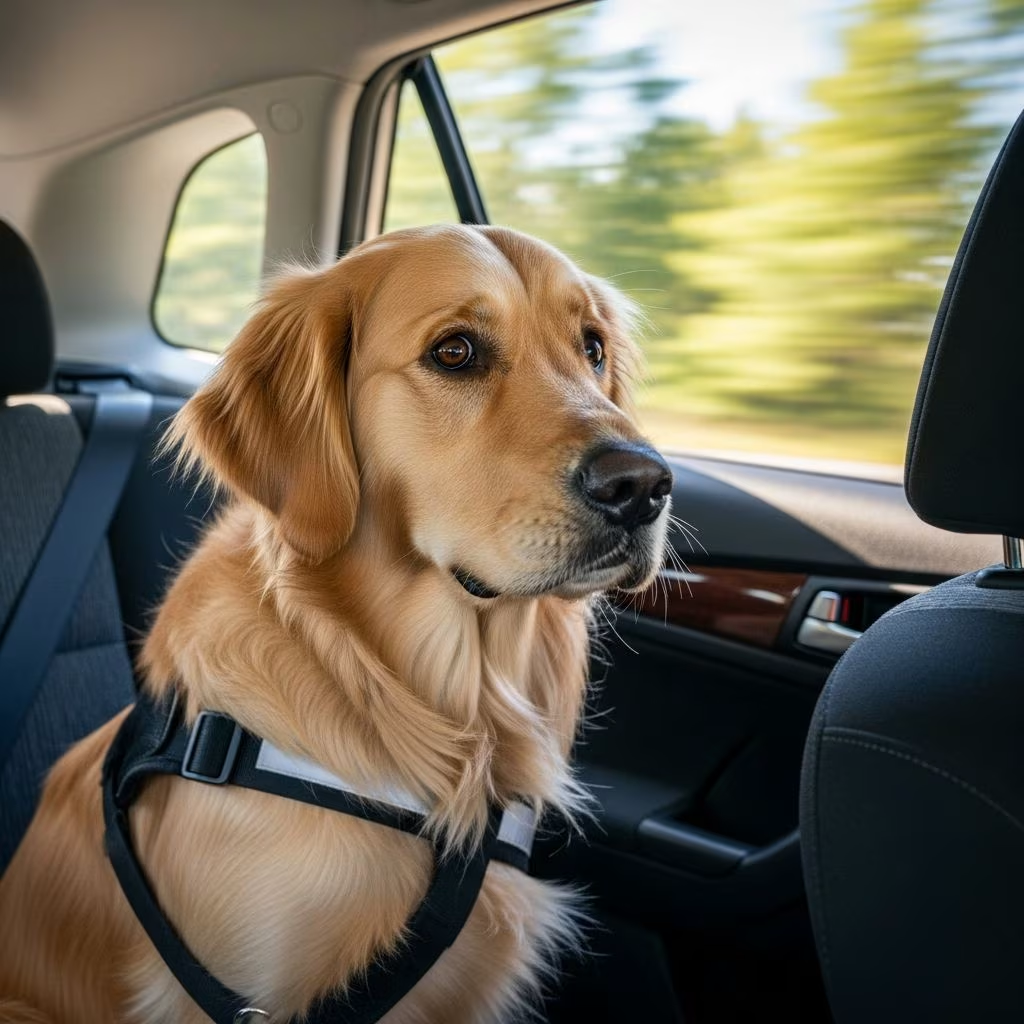
What to Do When Your Dog Fears Car Rides
Many dog owners face a common challenge: their furry companion becomes anxious, nervous, or downright terrified at the mere mention of a car ride. Whether your dog exhibits signs of distress like whining, drooling, excessive panting, or refusal to enter the vehicle, car anxiety is a legitimate concern that affects both your pet’s wellbeing and your ability to transport them safely. The good news is that with patience, consistency, and the right approach, you can help your dog overcome this fear and transform car rides into a positive experience.
Understanding Dog Car Anxiety
Before addressing solutions, it’s important to understand why dogs develop car anxiety. Some dogs may have had a negative experience in a vehicle, while others might be sensitive to the unfamiliar sensations, sounds, and movements associated with driving. Motion sickness, lack of early exposure, or even a genetic predisposition toward anxiety can all contribute to car-related fears. Additionally, dogs may experience stress from the confinement, the change in their environment, or the vibrations and noises that accompany a moving vehicle.
Recognizing the signs of car anxiety in your dog is the first step toward helping them. Common indicators include heavy breathing, drooling, whining, barking, pacing, trembling, or attempts to hide. Some dogs may refuse to board the vehicle altogether, while others show signs of motion sickness. Understanding your individual dog’s anxiety triggers will help you tailor your training approach.
The Power of Desensitization and Counter-Conditioning
The most effective approach to helping a dog overcome car anxiety involves two complementary techniques: desensitization and counter-conditioning. Desensitization is a gradual, step-by-step process of introducing your dog to the car in increasingly challenging scenarios. Counter-conditioning, on the other hand, works to change your dog’s emotional response from negative to positive by pairing the car with rewarding experiences.
Together, these methods help your dog learn that the car is not something to fear, but rather a place where good things happen. This approach respects your dog’s individual comfort level and prevents you from moving too quickly, which could reinforce their anxiety rather than resolve it.
Creating a Step-by-Step Training Plan
Success in helping your dog overcome car anxiety requires patience and a structured approach. Here’s how to implement a comprehensive training plan:
Step 1: Start at a Comfortable Distance
Begin your desensitization process at a distance where your dog feels relaxed and comfortable. This might mean starting 10 feet away from the parked car in your driveway. During this phase, reward your dog simply for being near the vehicle. Offer treats, toys, or engaging activities that your dog loves. The goal is to create positive associations with the car’s presence.
Step 2: Gradual Approach and Exploration
Once your dog is comfortable at their initial distance, gradually move closer to the car over multiple training sessions. Allow your dog to investigate the vehicle at their own pace—let them sniff around, explore the exterior, and get familiar with its appearance and scent. This exploration phase is crucial for building confidence. Pair this exploration with high-value rewards to reinforce that proximity to the car brings good things.
Step 3: Opening Doors and Interior Exploration
When your dog is ready, open the car doors and let them explore the interior while the vehicle remains stationary. Let them climb in and out freely, investigating seats, the floor, and the general environment. Continue rewarding exploration with treats and praise. This phase helps your dog understand that the car’s interior is a safe space.
Step 4: Introducing Engine Sounds
Start the engine while remaining parked, allowing your dog to acclimate to the sound and vibrations without the stress of actual movement. Sit in the car with your dog, speaking in calm, happy tones while rewarding them with treats. This helps your dog associate engine sounds with positive interactions rather than fear.
Step 5: Practice with Car Elements
Before actual driving, practice other car-related actions that precede a trip, such as sitting in the driver’s seat, closing doors, engaging door locks, or adjusting mirrors. Each of these elements should be paired with rewards to maintain positive associations. This gradual introduction to all car components ensures your dog won’t be startled by unexpected occurrences.
Step 6: First Short Drives
When your dog demonstrates comfort with stationary car activities, take your first short drive on quiet streets at slow speeds. Keep this initial trip brief—even just around the block. Take your dog somewhere positive immediately after, such as their favorite park or a friend’s house, to reinforce that car rides lead to enjoyable destinations.
Essential Safety and Comfort Measures
While training, ensure your dog is always safely secured in the vehicle. Use a crash-tested harness, carrier, or travel crate that provides both security and comfort. These containment methods serve multiple purposes: they keep your dog safe during sudden stops or accidents, prevent distraction while driving, and often provide a den-like atmosphere that naturally calms anxious dogs.
Several environmental factors can significantly impact your dog’s comfort during car rides:
| Comfort Factor | Recommendation | Benefit |
|---|---|---|
| Temperature | Keep the car cool | Prevents overheating and discomfort |
| Air Circulation | Lower windows for fresh air | Reduces stuffiness and car sickness |
| Food/Water Intake | Limit a few hours before trips | Reduces motion sickness risk |
| Pre-Trip Exercise | Exercise 20 minutes before departure | Decreases stress and excess energy |
| Window Coverage | Block or cover with screens if needed | Reduces overwhelming visual stimulation |
Calming Aids and Supplements
In addition to behavioral training, several aids can help reduce your dog’s car anxiety. Dog pheromone products, available as collars, diffusers, or sprays, mimic the scent of a nursing mother dog and have a naturally calming effect on dogs of all ages. These products are non-pharmaceutical and safe for long-term use.
If your dog experiences severe anxiety or motion sickness, consult your veterinarian about pharmaceutical options. Anti-anxiety medications or motion sickness medications may be appropriate for your dog’s specific situation, particularly during the initial phases of training or for necessary trips that occur before your dog is fully desensitized.
Positive Destination Training
One of the most effective counter-conditioning strategies is taking your dog to places they love by car. Regular trips to the dog park, playdates with friends, dog-friendly cafes, or other enjoyable destinations help your dog learn that car rides lead to fun experiences. Over time, many dogs begin to associate the car with excitement and positive anticipation rather than fear.
Start with short trips to positive destinations and gradually work toward longer journeys as your dog’s confidence builds. This creates a positive feedback loop where your dog learns that riding in the car directly results in rewarding experiences.
Reading Your Dog’s Body Language
Throughout the training process, carefully monitor your dog’s body language and stress signals. If your dog stops eating treats, refuses to play, shows stiffness, avoids eye contact, or displays excessive panting and drooling, you’ve likely progressed too quickly. Recognizing these signs means it’s time to take a step backward in your training plan and allow your dog more time at their current comfort level.
Remember that every dog progresses at their own pace. Some dogs may become comfortable with car rides in a matter of days or weeks, while others might require several weeks or months of consistent, patient training. Respecting your dog’s individual timeline is crucial for success.
Advanced Considerations for Severe Anxiety
For dogs with severe car anxiety, you might consider practicing desensitization with a substitute object first. For example, practice the training protocol with a grill or chair that resembles a car. This allows your dog to understand and master the training process in a less anxiety-provoking environment before transferring the skills to the actual vehicle. Once your dog masters the technique with the substitute, they’ll be better equipped to apply it to the real car.
Additionally, ensure your dog has a comfortable resting spot in the vehicle. Travel crates and dog beds that provide stability and a sense of security can significantly reduce anxiety. Include familiar toys and bedding that carry comforting scents from home.
When to Seek Professional Help
While many cases of car anxiety respond well to owner-implemented training, some situations warrant professional intervention. If your dog exhibits extreme panic, aggression related to car anxiety, or shows no improvement after several weeks of consistent training, consult a certified professional dog trainer or veterinary behaviorist. They can assess your dog’s specific situation and recommend specialized techniques or treatments tailored to your dog’s needs.
Long-Term Maintenance and Success
Once your dog has overcome car anxiety and enjoys car rides, maintain positive experiences through continued use and occasional reinforcement. Regular short trips to enjoyable destinations help keep your dog’s confidence strong. Even occasional treats during car rides can reinforce that the vehicle remains a place where good things happen.
Remember that occasional setbacks are normal, particularly if your dog experiences a stressful car event. Simply return to earlier steps in your desensitization protocol and work back up gradually. Consistency and patience throughout the process are key to long-term success.
Frequently Asked Questions
Q: How long does it typically take to help a dog overcome car anxiety?
A: Timeline varies significantly depending on the severity of your dog’s anxiety and their individual temperament. Some dogs show improvement within days or weeks, while others may require several months of consistent training. The key is moving at your dog’s pace rather than rushing the process.
Q: Can I use punishment to stop my dog’s car anxiety?
A: No. Punishment can actually worsen car anxiety by creating additional negative associations with the vehicle. Positive reinforcement and counter-conditioning are proven to be far more effective and humane approaches to resolving car-related fears.
Q: Is it safe to give my dog medication for car anxiety?
A: Medication can be a helpful tool when recommended by your veterinarian, particularly for severe anxiety or during initial training phases. However, medication works best when combined with behavioral training rather than used as a standalone solution.
Q: What if my dog refuses to get in the car at all?
A: Start even further back in the desensitization process. Begin by rewarding your dog simply for being near the car from a distance, then gradually work toward proximity and eventual entry. Never force your dog into the car, as this will reinforce their fear.
Q: Can older dogs overcome car anxiety?
A: Absolutely. While it may take longer with older dogs compared to puppies, dogs of any age can learn to associate cars with positive experiences through consistent desensitization and counter-conditioning.
Q: Should my dog sit in the front or back seat?
A: The back seat is safer for your dog and less distracting for the driver. Additionally, back seat positioning reduces your dog’s visual stimulation from passing scenery, which can help some anxious dogs feel calmer during rides.
Q: What treats work best for car training?
A: Use high-value treats that your dog doesn’t normally receive—items that are particularly special and motivating. These might be small pieces of chicken, cheese, or commercial training treats. Train before mealtimes when your dog is hungrier and more motivated by food rewards.
References
- Teach Your Dog to Ride in the Car: Preventing Anxiety and Motion Sickness — American Kennel Club (AKC). https://www.akc.org/expert-advice/travel/teach-dog-ride-car-prevent-anxiety/
- Let’s Go for a Ride: Overcoming Dog Car Anxiety — Don O’Harmon Dog Training. https://www.donoharmdogtraining.com/blog/lets-go-for-a-ride
- Helping a Dog with a Fear of Car Rides — Dog Gone Problems. https://www.doggoneproblems.com/akira-stop-fearing-car-rides/
- Training Your Dog for Long Car Rides — Sit Means Sit Fort Worth. https://fortworthdogtraining.com/blog/car-ride-training-1996/
- Calming Your Dog Down in the Car: A Road Trip Guide — Diggs Pet. https://www.diggs.pet/blogs/posts/how-to-calm-dog-car



