

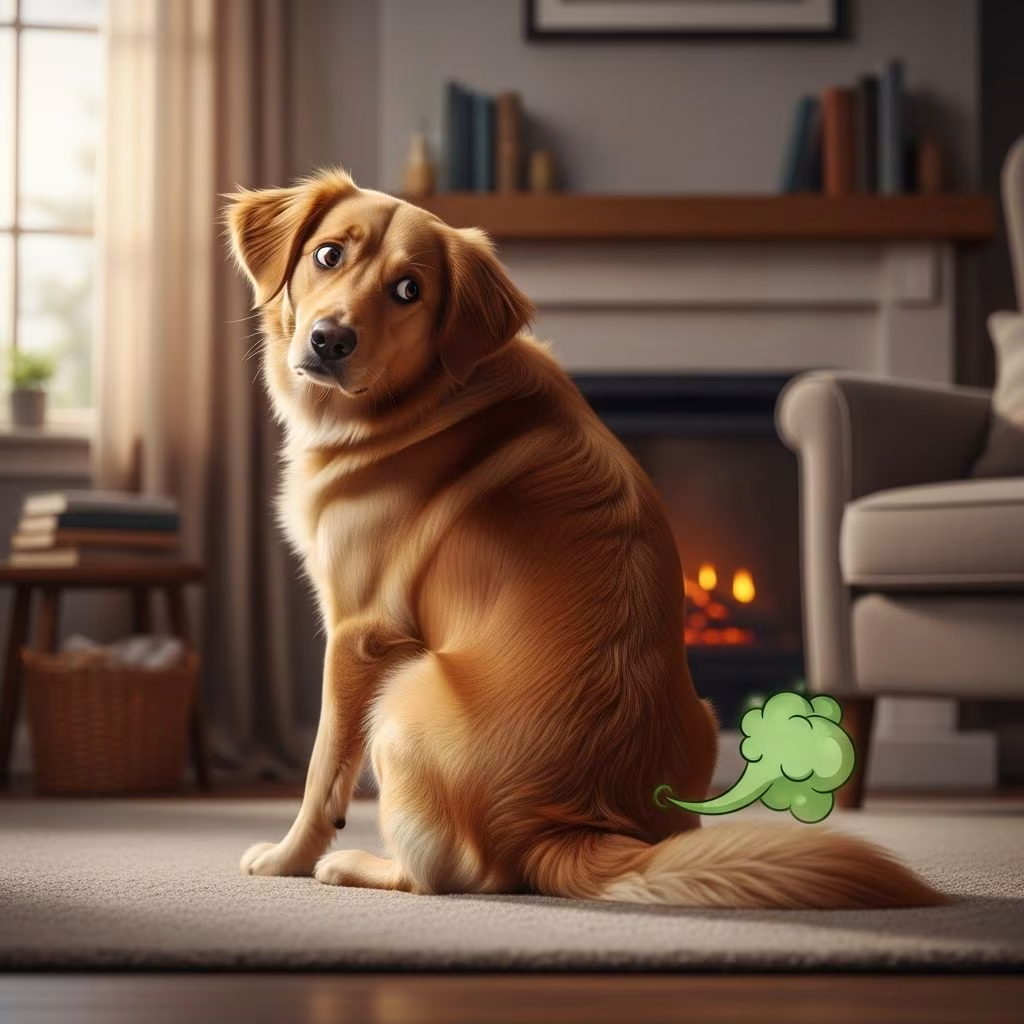
Dog farts, while often comical in theory, can be a smelly reality for pet owners. These gaseous emissions are a normal biological process resulting from excess gas in the dog’s intestinal tract, produced during digestion, by gut bacteria, or from swallowed air.
Why does my dog fart so much?
Most dog farts—over 99%—are odorless, stemming from the natural digestion process where air is swallowed during eating, gases diffuse from the bloodstream, or bacteria in the intestines produce gas. However, when farts become frequent or foul, it signals potential issues like rapid eating, which increases air swallowing (aerophagia), or dietary factors that feed gas-producing bacteria in the colon.
Dogs that gulp food quickly, especially during mealtime excitement, ingest more air, leading to burps and farts. Competitive eaters or those with high-energy feeding behaviors exacerbate this.
What causes gas in dogs?
Gas buildup in dogs arises from multiple sources. Vets first evaluate diet and rule out diseases like infections, parasites, colitis, pancreatitis, inflammatory bowel disease (IBD), food allergies, pancreatic insufficiency, dysbiosis, or even cancer. Dietary fiber, though beneficial, is hard for dogs to digest enzymatically; colon bacteria break it down, producing hydrogen sulfide—the culprit behind rotten-egg smells.
High-fiber diets create a thriving environment for gas-producing bacteria, amplifying flatulence. Other contributors include:
- Swallowed air: From fast eating or mouth breathing.
- Indigestible foods: Beans, peas, dairy (lactose intolerance), fatty meats, sulfur-rich veggies like broccoli or cabbage.
- Dietary indiscretion: Eating trash, spoiled food, or feces introduces disruptive bacteria.
- Parasites: Roundworms, Giardia, Coccidia inflame the gut.
Are certain breeds more likely to have gas?
Yes, brachycephalic breeds—those with short muzzles like Pugs, French Bulldogs, Boston Terriers, and Boxers—are prone to excessive farting. Their anatomy favors mouth breathing over nasal, leading to more swallowed air and thus more flatulence.
| Breed | Why Prone to Gas | Examples |
|---|---|---|
| Brachycephalic | Mouth breathing swallows air | Pugs, French Bulldogs, Boxers |
| Large Breeds | Fast eating habits | Labradors, Great Danes |
| Sensitive Digestion | Food intolerances | Bulldogs, Shih Tzus |
Is there a way to stop dog farts? Here are some remedies for gassy dogs
Reducing dog farts starts with diet tweaks and habits, always under vet guidance to avoid masking serious issues. Transition foods gradually over 7-10 days to prevent upset.
Key remedies:
- Low-residue, highly digestible diet: Ensures nutrients absorb before reaching the colon, starving gas bacteria.
- Slow feeding: Use puzzle feeders, slow bowls, or divide meals to curb gulping.
- Avoid triggers: Cut beans, dairy, high-fiber, sulfur foods; opt for vet-recommended kibble.
- Probiotics/prebiotics: Balance gut flora; consult vet for strains like Enterococcus faecium.
- Enzyme supplements: Aid digestion of tough carbs/proteins.
- Exercise: Promotes gut motility, reducing gas buildup.
For persistent cases, vets may prescribe antiflatulents or test for allergies via elimination diets.
Why do my dog’s farts smell so bad?
Smelly farts trace to hydrogen sulfide from bacterial breakdown of sulfur-rich or hard-to-digest foods. While most gas is odorless, stink indicates poor digestion, allergies, or illness. Common culprits:
- High-sulfur foods (cauliflower, cabbage).
- Dairy in lactose-intolerant dogs.
- Fatty meats or complex carbs overwhelming enzymes.
- Gut disruptions from garbage gut or parasites.
Accompanying symptoms like diarrhea or lethargy warrant immediate vet care.
When should you take a dog to the vet for gas?
Occasional farts are fine, but see a vet if there’s sudden increase, pain (whining, hunching), vomiting, diarrhea, bloating (GDV risk in deep-chested breeds), weight loss, or bloody stool. Chronic gas may signal IBD, exocrine pancreatic insufficiency, or tumors.
Frequently Asked Questions (FAQs)
Are dog farts normal?
Yes, dog farts are a normal biological function, much like in humans, resulting from digestion and swallowed air.
Do dogs fart more during pregnancy?
No definitive research, but anecdotal reports note increased gas due to hormonal/dietary shifts pressing on the gut.
Can a dog’s age affect flatulence?
Yes, senior dogs often fart more as digestion slows and sensitivities rise, altering gut bacteria balance.
Why do dogs fart?
Dogs fart from gas accumulation in the stomach/intestines during normal digestion, worsened by air swallowing or digestive issues.
What foods cause bad farts in dogs?
Sulfur-rich foods like broccoli, cauliflower, cabbage, fatty meats, and dairy produce hydrogen sulfide via gut bacteria.
Should I change my dog’s food if he farts a lot?
Yes, gradually switch to a digestible diet; if unchanged, vet check for underlying issues.
References
- Why Do Dogs Fart? Causes and Remedies for Dog Flatulence — Kinship.com. 2023. https://www.kinship.com/dog-health/dog-farts
- Why Do My Dog’s Farts Smell So Bad? Causes And What To Do — Kinship.com. 2023. https://www.kinship.com/dog-health/why-does-my-dogs-fart-smell-so-bad
- Exocrine Pancreatic Insufficiency Diagnosis and Management — PMC (NIH). 2022-08-15. https://pmc.ncbi.nlm.nih.gov/articles/PMC9410053/
- Canine Gastrointestinal Parasites — Merck Veterinary Manual. 2024. https://www.merckvetmanual.com/dog-owners/disorders-of-the-stomach-and-intestines-of-dogs/intestinal-parasites-in-dogs
- Brachycephalic Airway Syndrome — AKC Canine Health Foundation. 2023-05-10. https://www.akcchf.org/disease/brachycephalic-airway-syndrome.html



