

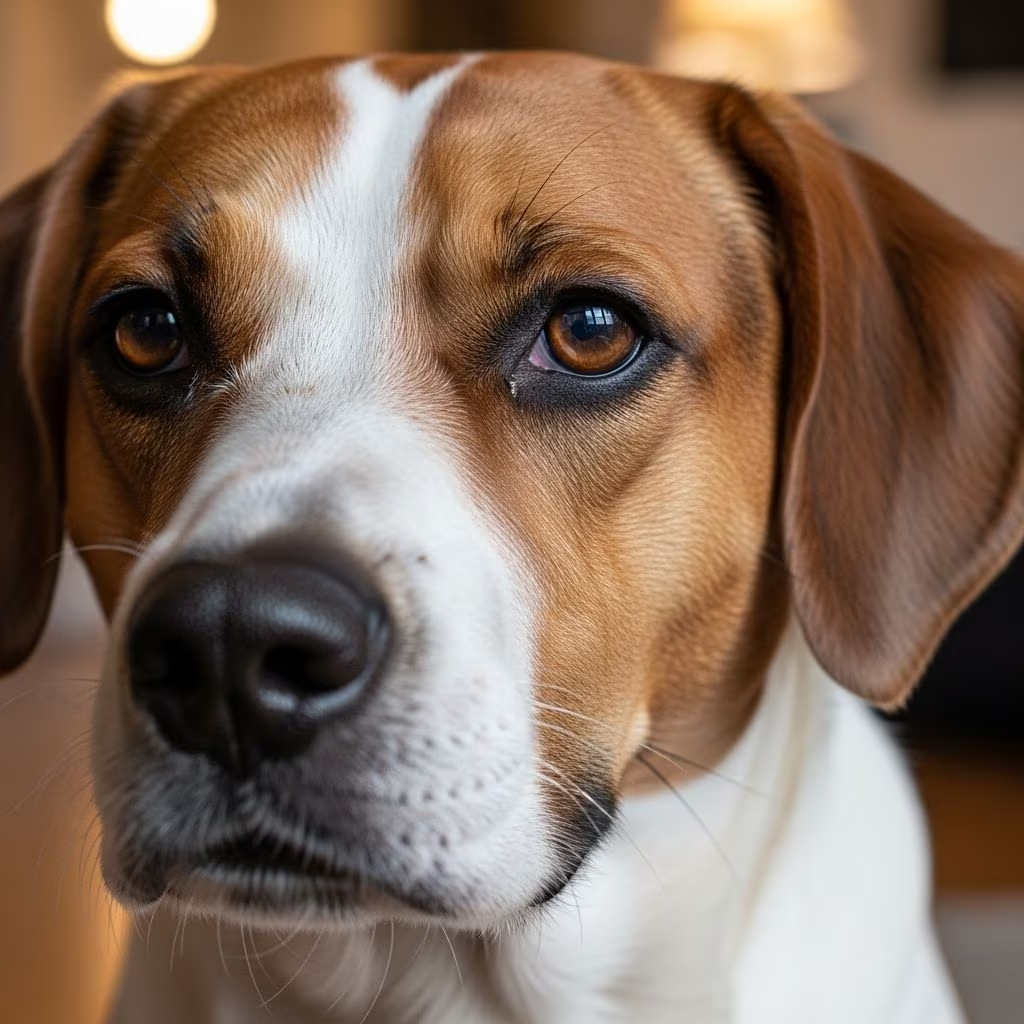
Many dog owners experience an uncomfortable situation: their beloved pet approaches for affection, but an unpleasant smell emanates from their face. This common problem affects numerous households and can stem from various underlying conditions. Rather than simply masking the odor with products, identifying the root cause allows for targeted treatment and long-term relief. Understanding what triggers facial odors in dogs empowers owners to take proactive steps toward maintaining their pet’s health and comfort.
The Primary Sources of Facial Odor in Canines
Facial odor in dogs typically originates from specific anatomical regions that are prone to moisture retention and bacterial accumulation. The face encompasses several areas that warrant individual attention when investigating unpleasant smells. These zones include the eye region, mouth cavity, ear canals, and the surrounding facial skin. Each location presents unique challenges and requires different approaches to prevention and treatment.
Inflammatory Skin Conditions and Secondary Infections
One of the most prevalent causes of facial odor involves inflammation of the skin, commonly referred to as dermatitis. This condition manifests in various ways, ranging from mild redness to severe crusty patches that ooze fluid. When the skin becomes inflamed, dogs instinctively scratch and lick the affected areas to seek relief from discomfort.
This scratching behavior, while providing temporary comfort, damages the protective skin barrier and creates openings for bacterial and yeast infiltration. Once microorganisms colonize the compromised skin, secondary infections develop, intensifying both the itchiness and the foul smell. This creates a problematic cycle: the infection causes more itching, which leads to further skin damage and worsening odor.
The underlying triggers for dermatitis vary significantly among individual dogs. Environmental allergens such as pollen and grass can initiate inflammatory responses in sensitive animals. Food allergies represent another common culprit, as certain ingredients trigger immune reactions manifesting as skin inflammation. Additionally, parasitic infestations—particularly flea allergies and mite infections—frequently cause dermatitis. When dermatitis develops, veterinary intervention becomes essential to break the infection cycle and restore skin health.
Ear Canal Infections and Their Characteristic Odors
While many people assume that only dogs with large, floppy ears experience ear infections, any canine can develop this condition. Ear infections produce particularly noticeable facial odors because yeast and bacteria colonizing the ear canal release distinctive smells that permeate the surrounding face area.
The warm, moist environment of the ear canal provides ideal conditions for microbial growth. Dogs with anatomical features that trap moisture—such as floppy ears that limit airflow—face increased susceptibility. However, genetics alone do not determine infection risk; environmental factors, allergies, and overall immune function also play significant roles.
Identifying whether ears contribute to facial odor involves a simple assessment: gently lift your dog’s ear flap and smell the inner ear. A pronounced, unpleasant odor strongly suggests an active ear infection requiring veterinary attention. Treatment typically involves medicated drops or solutions prescribed by veterinarians, along with regular cleaning protocols to maintain ear health.
Excessive Tear Production and Eye-Related Odors
The eye region presents unique challenges for facial odor management. While tear production serves essential functions in maintaining eye health, excessive tearing creates conditions conducive to bacterial growth and odor development. Accumulated tear residue, combined with eye discharge, forms crusty buildup that harbors bacteria in the facial fur surrounding the eyes.
Certain dog breeds demonstrate increased susceptibility to excessive tearing due to their facial structure. Short-nosed breeds such as pugs and bulldogs, along with poodles and Shih Tzus, frequently experience excessive tear production. Additionally, dogs with shallow eye sockets or excessive fur around the eye area tend to accumulate more tear buildup.
Veterinarians refer to pathological excessive tear production as epiphora, which can result from blocked tear ducts, conjunctivitis, or inward-rolling eyelids (entropion). When tear buildup becomes particularly pronounced or your dog displays eye discomfort, professional evaluation becomes necessary. Veterinarians can assess tear duct function and, when needed, perform duct flushing procedures under anesthetic to restore proper drainage.
Daily maintenance helps prevent odor development from eye discharge. Using soft, dog-friendly facial wipes to gently remove tear buildup before it hardens and crusts prevents bacterial accumulation. Alternatively, a soft cloth dampened with warm water or saline solution provides an effective cleaning solution for most dogs.
Dental Health and Its Impact on Facial Odor
Poor dental hygiene represents one of the most common yet frequently overlooked causes of unpleasant facial odors. Many pet owners inadvertently neglect oral care, and some dogs resist mouth examination, making dental assessment challenging. However, the mouth significantly contributes to overall facial smell.
Plaque and tartar accumulation on teeth—a condition veterinarians term periodontal disease—creates ideal environments for bacterial colonies. These bacteria produce foul-smelling compounds that manifest as bad breath and contribute to general facial odor. The statistics surrounding this condition are sobering: approximately 80% of dogs over three years old experience some degree of periodontal disease.
Preventive measures include regular tooth brushing, which removes plaque before mineralization occurs. Dental chews formulated to reduce plaque buildup also provide support for oral health. However, when periodontal disease advances significantly, brushing and chews alone prove insufficient. In these cases, veterinarians may recommend professional dental cleaning performed under anesthesia to remove accumulated calculus and treat underlying infections.
Beyond simple bad breath, severe dental disease can indicate systemic health issues. Sweet-smelling breath may suggest diabetes, while urine-like odors can indicate kidney disease. Veterinarians assess these subtle scent clues when evaluating facial odor complaints.
Skin Fold and Wrinkle-Related Odor Issues
Certain dog breeds possess facial characteristics that create perfect conditions for odor development. Wrinkled breeds such as bulldogs and pugs develop odors emanating directly from skin folds and facial wrinkles. These anatomical features trap moisture, dead skin cells, and food debris, creating environments where bacteria and yeast flourish.
Unlike the other causes discussed, wrinkle-related odors cannot be eliminated through standard treatment but require ongoing management. Owners of wrinkled breeds must implement regular cleaning and drying protocols to prevent bacterial overgrowth. Specialized wipes designed for skin folds, combined with thorough drying, help maintain hygiene in these challenging areas. Some owners find that barrier ointments applied to wrinkles after cleaning provide additional protection against moisture retention.
Severe cases of wrinkle-related infection occasionally require veterinary intervention, including medicated washes and, in extreme situations, surgical procedures to reduce fold depth.
The Role of Basic Hygiene and Bathing
Sometimes the solution to facial odor proves straightforward: the dog simply requires a thorough bath. Dogs that enjoy swimming, rolling in mud, or frequent outdoor adventures accumulate dirt and environmental debris that contribute to unpleasant smells. Additionally, retained moisture from wet fur promotes that characteristic “doggy” odor familiar to most pet owners.
Bathing frequency varies considerably based on individual dog breeds, lifestyle, and seasonal factors. Active dogs spending significant time outdoors require more frequent bathing than sedentary indoor companions. However, excessive bathing can strip natural oils from the coat, potentially causing its own problems. Finding the appropriate bathing schedule for your specific dog’s needs maintains hygiene without over-washing.
When Odor Indicates Systemic Conditions
While localized causes account for most facial odor complaints, occasionally unpleasant smells signal underlying systemic diseases requiring medical attention. Skin odors frequently indicate allergies or yeast infections that may respond to dietary changes, medication, or environmental modifications. Seborrhea, an inflammatory skin condition, produces a distinctive odor often compared to corn chips. This condition often requires lifelong management involving regular medicated baths and ear cleaning protocols.
Endocrine disorders such as hypothyroidism and Cushing’s disease can cause skin and coat changes leading to odor development. Dogs with hypothyroidism receive hormone replacement therapy through levothyroxine, administered orally for life. Cushing’s disease requires lifelong medication with Vetoryl. Proper diagnosis and treatment of these underlying conditions typically resolve secondary odor issues.
Professional Grooming Versus At-Home Management
Regular professional grooming provides significant benefits for managing facial odor, particularly for breeds prone to excessive tear production or skin fold complications. Skilled groomers possess expertise in properly cleaning sensitive facial areas without causing irritation. However, when odor returns quickly after grooming, this indicates an underlying condition requiring veterinary diagnosis rather than a grooming deficiency.
At-home maintenance between professional appointments strengthens odor management efforts. Daily wiping of tear buildup, regular tooth brushing, and consistent ear cleaning all contribute to reducing facial odors. For wrinkled breeds, daily wrinkle cleaning becomes essential rather than optional.
Treatment Approach Based on Underlying Cause
Addressing facial odor effectively requires identifying the specific cause, as treatment varies significantly by condition. Dermatitis management might involve medicated baths, antibiotics for secondary infections, and anti-inflammatory medications. Allergic dermatitis may require dietary modifications or allergy medications. Ear infections respond to prescription medicated drops and thorough cleaning protocols.
When dental disease causes odor, professional cleaning removes accumulated tartar, and subsequent home care prevents rapid recurrence. Eye-related odors improve with consistent tear cleanup and treatment of underlying eye conditions. Skin fold odors require ongoing maintenance rather than curative treatment.
Preventive Strategies for Long-Term Odor Management
Maintaining a dog’s facial freshness involves consistent preventive practices tailored to individual risk factors. Regular veterinary checkups catch developing conditions before they produce noticeable odors. High-quality nutrition supports skin and coat health, potentially reducing allergy-related odor issues. Appropriate exercise and environmental management minimize excessive stress on the immune system that can trigger secondary infections.
Breed-specific considerations inform preventive strategies. Owners of floppy-eared dogs implement regular ear-cleaning protocols. Wrinkled breed owners establish daily wrinkle maintenance routines. Short-nosed breeds benefit from daily eye area cleaning. These proactive measures significantly reduce the frequency and intensity of facial odor problems.
Frequently Asked Questions About Dog Facial Odor
Why does my dog’s face smell like corn chips?
A corn chip-like smell typically originates from yeast overgrowth on the skin or in skin folds, a condition called seborrhea. This distinctive odor requires veterinary evaluation and often benefits from medicated baths and consistent topical treatment.
Can diet changes reduce my dog’s facial odor?
Yes, dietary modifications can significantly impact odor in dogs with food allergies or digestive sensitivities. Consulting with your veterinarian about elimination diets or prescription food formulations may reveal dietary triggers contributing to skin inflammation and associated odors.
How often should I clean my dog’s ears to prevent infection-related odor?
Cleaning frequency depends on your dog’s breed, ear shape, and history of infections. Breeds prone to ear problems may benefit from weekly cleaning, while others require monthly maintenance. Your veterinarian can recommend an appropriate schedule based on your dog’s individual needs.
Is professional dental cleaning necessary for odor management?
Professional cleaning becomes necessary when plaque and tartar buildup reach levels where home care cannot manage them effectively. Many dogs benefit from professional cleaning, particularly as they age and periodontal disease progresses.
What products work best for cleaning wrinkled dog faces?
Dog-specific facial wipes formulated with hypoallergenic ingredients work well for regular maintenance of wrinkled faces. Ensure thorough drying after cleaning to prevent moisture-related odor issues.
References
- How to Cure Stinky Dog Face: 5 Vet-Explained Causes & Treatment — Dogster. 2025. https://www.dogster.com/ask-the-vet/how-to-cure-stinky-dog-face
- Smelly Dog: Why Does My Dog Stink? — Best Friends Animal Society. https://bestfriends.org/pet-care-resources/smelly-dog-why-does-my-dog-stink
- Does Your Dog Have a Stinky Face? This Might Be the Cause — New Life K9s. https://www.newlifek9s.org/post/does-your-dog-have-a-stinky-face-this-might-be-the-cause
- Smelly Dog? Here’s Why—and How To Get Rid of Dog Smell for Good — Chewy. https://www.chewy.com/education/dog/grooming/the-dog-odor-answer
- 9 Causes Of Bad Dog Smells & How To Fix Them — Walkerville Veterinary Clinic. https://www.walkervillevet.com.au/blog/stop-dog-smell/
- Seborrhea in Dogs: Symptoms and Treatment — PetMD. https://www.petmd.com/dog/conditions/skin/c_dg_canine_seborrhea
- Why Does My Dog Have Smelly Skin? — Revival Animal Health. https://www.revivalanimal.com/learning-center/vet-minute-why-does-my-dog-have-smelly-skin



