

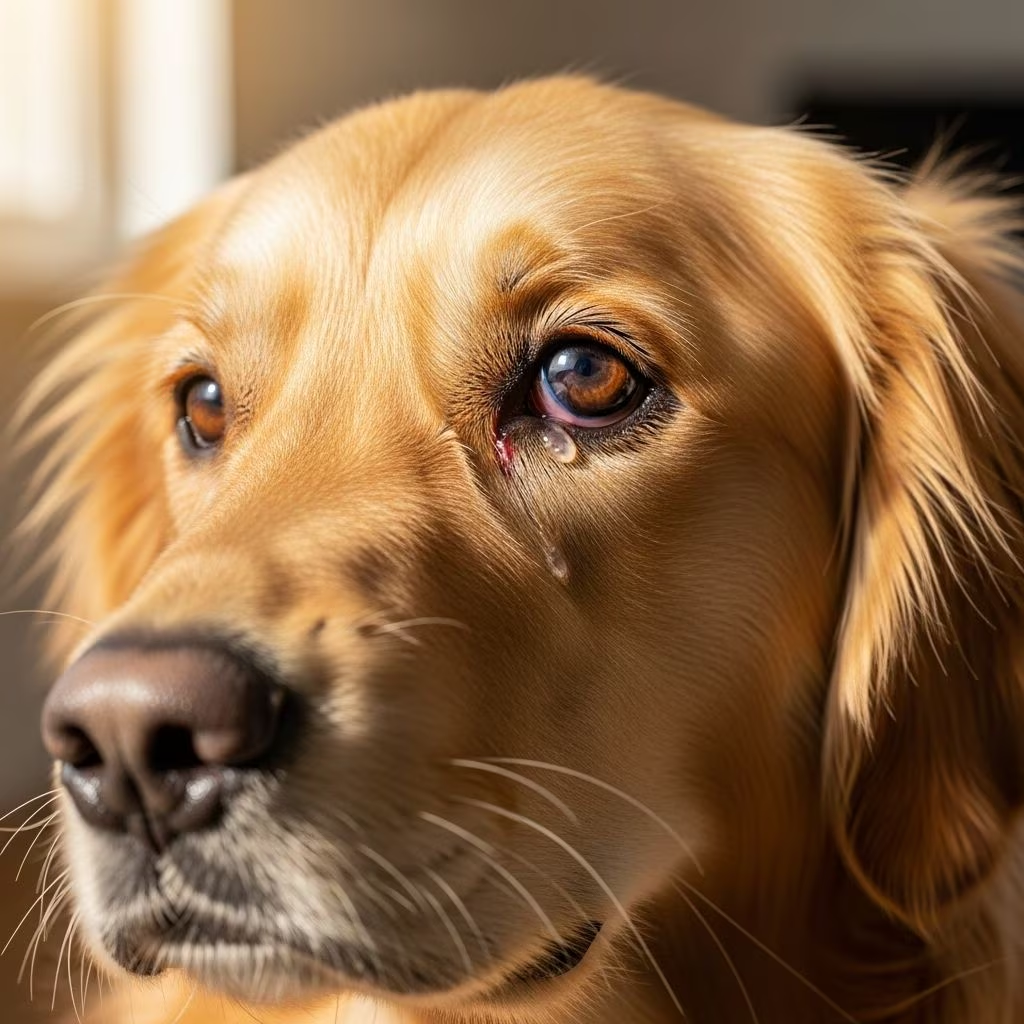
Swollen eyes in dogs can arise suddenly or develop gradually, often accompanied by discomfort that affects their daily activities. Recognizing the underlying reasons promptly allows for effective intervention, preventing potential vision loss or chronic issues.
Recognizing Symptoms of Eye Swelling in Dogs
Early detection of eye swelling involves observing changes in your dog’s behavior and physical appearance. Common indicators include puffiness around one or both eyes, redness in the whites, excessive tearing or thick discharge, frequent blinking or squinting, and pawing at the face. Dogs may also show sensitivity to light, avoiding bright areas, or rubbing their head against furniture for relief.
- Redness and irritation: Bloodshot appearance signals inflammation.
- Discharge types: Clear watery fluid suggests allergies; yellow-green pus points to infection.
- Pain signs: Squinting, head tilting, or reluctance to open the eye.
- Behavioral changes: Lethargy, reduced appetite, or avoidance of play.
These symptoms vary by cause but warrant attention if persisting beyond a few hours.
Primary Causes Behind Swollen Dog Eyes
Multiple factors contribute to eye swelling, ranging from environmental triggers to medical emergencies. Understanding these helps in initial assessment before professional care.
Allergies as a Frequent Culprit
Allergic reactions trigger immune responses leading to inflamed tissues around the eyes. Pollen, dust mites, mold, grass, or food proteins like grains and certain meats act as common allergens, especially in younger dogs. Symptoms often include bilateral swelling, intense itching causing face rubbing, sneezing, and skin irritation elsewhere. Seasonal patterns or exposure to new environments heighten risks.
Infections Affecting the Eyes
Bacterial, viral, or fungal pathogens cause conjunctivitis (pink eye), leading to swollen, red conjunctiva with discharge. Contaminated water, shared bedding, or weakened immunity from illness facilitate spread. One or both eyes may be involved, with additional signs like nasal discharge or coughing.
Trauma and Physical Injuries
Scratches from claws, thorns, or fights, blunt impacts, or insect stings result in rapid unilateral swelling. Bruising, bleeding, or corneal cloudiness accompanies these, often with acute pain causing the eye to partially close.
Glaucoma and Pressure Buildup
This serious condition involves fluid accumulation raising intraocular pressure, compressing the optic nerve and causing painful bulging. Affected eyes appear enlarged, hazy, with dilated pupils and vision impairment risks if untreated.
Structural Eyelid Issues
Entropion (inward-rolling lids) or ectropion (outward sagging) irritate the cornea, fostering secondary swelling and infections. Breeds like Bulldogs or Shar-Peis are prone due to genetics.
Dry Eye Syndrome (KCS)
Keratoconjunctivitis sicca reduces tear production, drying the cornea and causing painful inflammation. Thick mucus discharge and recurrent ulcers mark this chronic issue.
Less Common Triggers: Tumors and Foreign Bodies
Slow-growing masses in older dogs push tissues outward, while lodged debris like dirt or seeds provoke immediate reactions. These demand diagnostic imaging for confirmation.
Immediate Home Care Steps
While awaiting veterinary evaluation, gentle measures can alleviate discomfort without worsening the problem. Always avoid human medications or forceful interventions.
- Gently flush the eye with sterile saline or vet-recommended eyewash to remove debris.
- Apply a cool compress (clean cloth with cool water) for 5-10 minutes, 2-3 times daily to reduce swelling.
- Prevent rubbing by using an Elizabethan collar (cone).
- Keep the environment clean, free of dust or irritants, and limit outdoor exposure during allergy peaks.
Monitor for improvement within 24 hours; escalation signals professional need.
Professional Diagnosis and Treatment Options
Veterinarians employ targeted exams for accurate diagnosis. Fluorescein staining reveals ulcers, Schirmer tests measure tears, tonometry assesses pressure, and cultures identify infections.
| Condition | Diagnostic Test | Common Treatment |
|---|---|---|
| Allergies | Allergy history, skin tests | Antihistamines, hypoallergenic diet |
| Infection | Cytology, culture | Antibiotic drops/ointments |
| Trauma/Ulcer | Fluorescein stain | Protective collar, meds, surgery if deep |
| Glaucoma | Tonometry | Pressure-lowering drops, surgery |
| Dry Eye | Schirmer tear test | Tear stimulants, immunosuppressants |
| Eyelid Disorders | Physical exam | Surgical correction |
Treatments include topical antibiotics for infections, anti-inflammatories for allergies, or surgery for structural defects. Pain management and follow-ups ensure recovery.
When to Rush to the Vet
Seek emergency care if swelling protrudes the eyeball, involves severe pain (yelping, non-stop pawing), vision changes, bleeding, or accompanies systemic signs like vomiting or breathing issues. Delays in glaucoma or deep ulcers can lead to blindness.
Preventing Future Eye Swelling Episodes
Proactive steps minimize recurrence. Regular grooming removes debris-prone fur, hypoallergenic bedding controls allergens, and routine vet check-ups catch breed predispositions early. Avoid irritants like smoke or chemicals, supervise play to prevent trauma, and maintain vaccinations against viral threats.
- Annual eye exams for at-risk breeds.
- Seasonal allergy management with vet guidance.
- Protective eyewear during dusty activities.
- Balanced diet supporting immune health.
Frequently Asked Questions (FAQs)
Can I use human eye drops for my dog’s swollen eye?
No, human drops may contain harmful preservatives or incorrect strengths. Consult a vet for canine-specific products.
How long does allergic eye swelling last in dogs?
With allergen removal and treatment, 1-3 days; persistent cases need professional allergy testing.
Is swollen eye always an emergency?
Not if mild and isolated, but cloudiness, protrusion, or pain demand immediate vet attention.
Can diet cause my dog’s eye swelling?
Yes, food allergies trigger reactions; trial hypoallergenic foods under vet supervision.
What breeds are prone to eye swelling?
Brachycephalics like Pugs, Bulldogs, and Shih Tzus due to anatomy; also Cocker Spaniels for glaucoma.
Long-Term Eye Health for Your Dog
Maintaining ocular wellness involves holistic care. Nutritional supplements with omega-3s support tear film, while environmental controls reduce triggers. Early intervention preserves quality of life, ensuring your dog enjoys clear vision and comfort.
References
- Dog Eye Swollen: Causes and How to Treat It — Veteris. 2023. https://veteris.co.uk/petcare-advice/dog-eye-swollen-causes-and-how-to-treat-it
- Treating Dog Eye Swelling — Bayshore Veterinary Hospital. 2024. https://bayshore-vet.com/blog/dog-eyes-swelling/
- Swollen Eye in Dogs — All About Vision. 2023. https://www.allaboutvision.com/eye-care/pets-animals/dog-eye-swollen/
- Why is My Dog’s Eye Swollen? — Muffins Halo. 2024. https://www.muffinshalo.com/blogs/news/dog-eye-swollen
- Why Is My Dog’s Eye Swollen? 10 Reasons — ToeGrips. 2023. https://toegrips.com/why-is-my-dogs-eye-swollen/
- What Should You Do If Your Dog’s Eyeball Is Swollen — GoodRx. 2025. https://www.goodrx.com/pet-health/dog/dogs-eyeball-is-swollen
- Causes for Swollen Eyes in Dogs — North Jersey Animal Hospital. 2024. https://northjerseyanimalhospital.com/blog/swollen-eyes-in-dogs/



