

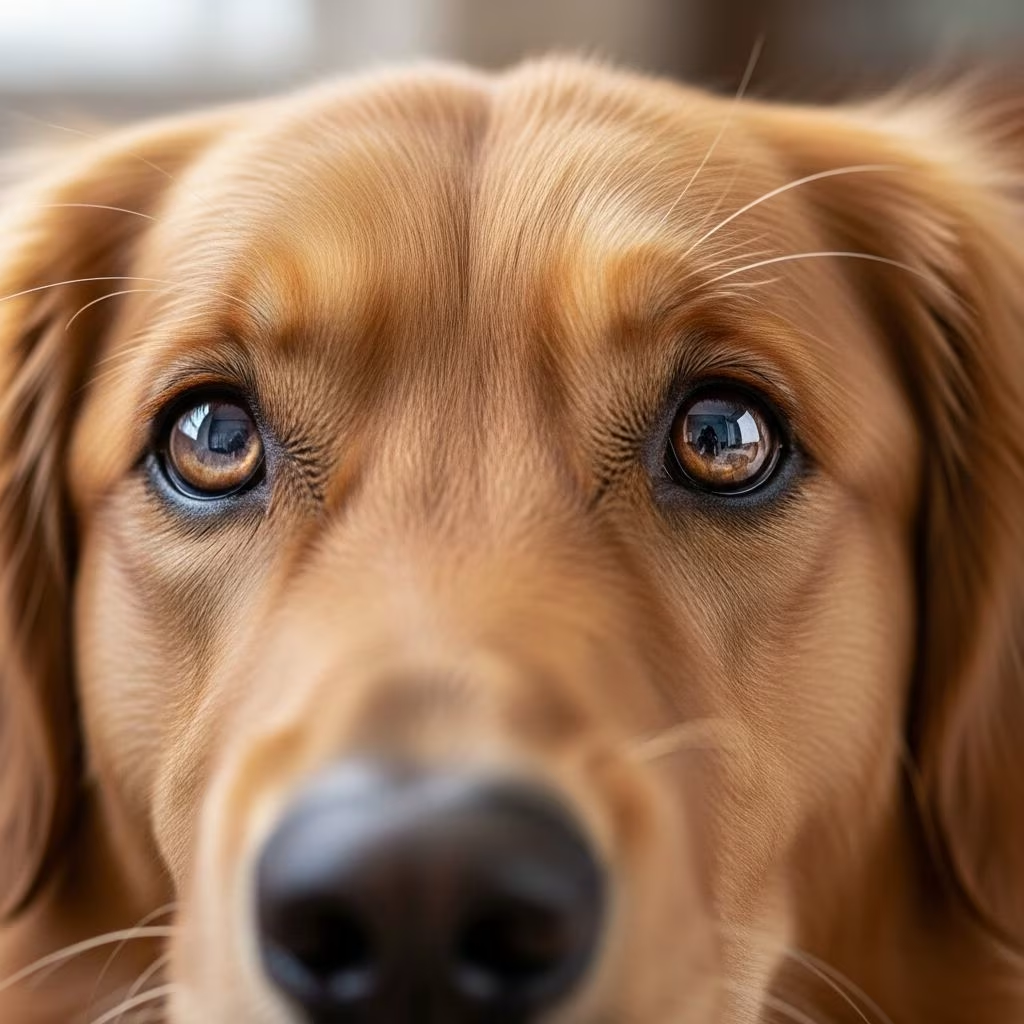
Canine eye conditions affect dogs of all ages and breeds, often stemming from infections, injuries, or genetic factors. Early detection through observing changes in appearance, behavior, or discharge can lead to effective treatments that preserve vision and comfort.
Understanding the Canine Eye Anatomy
The dog’s eye consists of the cornea (clear outer layer), conjunctiva (mucous membrane covering the white part), iris (colored portion controlling light), lens (focuses light), and retina (processes images). Tear glands produce lubrication to protect against debris and infections. Disruptions in any part can cause discomfort or vision loss.
Prevalent Canine Eye Disorders
Several conditions commonly impact dog eyes, each with distinct triggers and manifestations. Recognizing patterns helps owners act promptly.
Conjunctivitis in Dogs
This inflammation of the conjunctiva, akin to pink eye in humans, arises from bacterial, viral, allergic, or irritant sources like pollen, dust, or smoke. Affected dogs exhibit red, swollen tissues around the eye, excessive tearing, thick discharge, and frequent pawing or blinking. Certain breeds with prominent eyes, such as Bulldogs, face higher risks.
Dry Eye Syndrome (Keratoconjunctivitis Sicca)
Keratoconjunctivitis sicca (KCS) occurs when tear production drops due to immune issues, medications, or gland damage, failing to lubricate the cornea adequately. Symptoms include persistent redness, thick mucus discharge, dull corneal shine, squinting, and pawing. Untreated KCS leads to ulcers and scarring, potentially causing blindness.
Corneal Ulcers and Abrasions
Scratches or erosions on the cornea result from trauma, foreign objects like grass seeds, or rubbing due to irritation. Deep ulcers cause intense pain, squinting, tearing, and cloudiness. Hunting breeds encounter these frequently from environmental hazards.
Uveitis and Inner Eye Inflammation
Uveitis involves swelling in internal structures like the iris or ciliary body, triggered by infections (distemper, Lyme), trauma, cancer, or autoimmune diseases. Signs encompass eye redness, light sensitivity, constricted pupils, and vision impairment.
Cherry Eye and Gland Prolapse
In breeds like Cocker Spaniels, the third eyelid’s tear gland protrudes as a red mass. This genetic issue reduces tear production if untreated, demanding surgical repositioning.
Entropion and Ectropion
Entropion rolls eyelids inward, rubbing lashes against the cornea, common in brachycephalic breeds. Ectropion droops lids outward, exposing the eye to drying and infections. Both cause irritation, ulcers, and require surgical correction in severe cases.
Recognizing Warning Signs
Monitor for these indicators of eye distress:
- Redness or bloodshot appearance
- Swelling around eyes or lids
- Cloudy, hazy, or bluish cornea
- Thick, yellow/green, or watery discharge
- Squinting, blinking excess, or light avoidance
- Pawing, rubbing, or head tilting
- Visible third eyelid or color changes
- Sudden vision loss clues like bumping objects
Breeds like Pugs, Shih Tzus, and Shar-Peis are predisposed due to facial structures. Puppies and seniors warrant extra vigilance.
Veterinary Diagnostic Approaches
Vets employ:
- Fluorescein Stain: Dye highlights ulcers under blue light.
- Tear Production Test (Schirmer): Measures wetting of strips in eyes.
- Intraocular Pressure Check: Tonometer detects glaucoma.
- Slit-Lamp Exam: Magnifies internal structures.
- Cultures/Samples: Identify bacteria, viruses, or fungi.
Referral to veterinary ophthalmologists occurs for complex cases.
Treatment Strategies by Condition
Tailored therapies address root causes:
| Condition | Primary Treatments | Duration/Notes |
|---|---|---|
| Conjunctivitis | Antibiotic/anti-inflammatory drops, antihistamines for allergies | 1-2 weeks; isolate contagious cases |
| Dry Eye (KCS) | Cyclosporine/tacrolimus ointments, artificial tears 3-4x daily | Lifelong management often needed |
| Corneal Ulcers | Antibiotic drops, pain meds, surgery for deep lesions | Monitor healing with rechecks |
| Uveitis | Topical/systemic steroids, treat underlying disease | Reduce inflammation rapidly |
| Cherry Eye | Surgical tucking of gland | Prevents dry eye complications |
| Entropion/Ectropion | Lubricants initially, surgery for correction | Breeds like Labs common |
Severe glaucoma or tumors may necessitate enucleation (eye removal), though dogs adapt well. Never use human drops, as they harm canine eyes.
Home Care and Supportive Measures
While awaiting vet care:
- Gently clean discharge with saline or vet-approved wipes.
- Prevent rubbing with Elizabethan collars.
- Avoid irritants like smoke or dust.
- Administer prescribed meds precisely.
For chronic issues, daily artificial tears maintain moisture.
Breed-Specific Vulnerabilities
- Brachycephalic (Pugs, Boston Terriers): Protruding eyes prone to ulcers, dry eye.
- Spaniels, Beagles: Cherry eye, entropion.
- Large Breeds (St. Bernards): Ectropion, lid laxity.
- Hunting Dogs: Trauma from scratches.
Preventive Practices for Healthy Eyes
Minimize risks by:
- Regular vet eye exams during checkups.
- Trimming face fur to avoid lash irritation.
- Protective goggles for rough play or outdoors.
- Balanced diet with omega-3s for tear health.
- Tick preventives to block Lyme-related uveitis.
- Flush eyes post-swimming or dusty exposure.
When to Seek Emergency Care
Rush to an emergency vet if noting:
- Severe pain (constant squinting, yelping).
- Profuse bloody discharge or protrusion.
- Sudden blindness or pupil changes.
- Cloudy cornea with trauma history.
Delays exacerbate damage, especially in ulcers or glaucoma.
Frequently Asked Questions (FAQs)
Can dog eye problems resolve without treatment?
Minor irritations might self-heal, but infections or ulcers worsen rapidly, risking permanent vision loss. Always consult a vet.
Are over-the-counter eye drops safe for dogs?
No; formulations differ, potentially causing harm. Use only vet-prescribed products.
How often should I clean my dog’s eyes?
Daily for discharge-prone breeds; use soft cloths and saline.
Is dry eye curable in dogs?
Manageable lifelong with meds, but rarely fully cured.
Do puppies outgrow eye issues like cherry eye?
No; surgery often needed by 6 months.
Long-Term Management for Chronic Conditions
Dogs with ongoing KCS or allergies benefit from consistent routines: morning/evening meds, environmental controls (air purifiers), and biannual ophthalmologist visits. Owners report improved quality of life with adherence. Nutritional supplements like fish oil support ocular health, though evidence varies.
Genetic screening for at-risk breeds aids breeders in reducing incidences. Community education via pet groups fosters proactive care.
References
- A Guide to Common Dog Eye Diseases: Causes, Symptoms, and Treatment — Safari Veterinary Care Centers. 2023. https://www.safarivet.com/blog/a-guide-to-common-dog-eye-diseases-causes-symptoms-and-treatment/
- Dog Eye Infection – Causes & Treatments — Veterinary Specialty Center of the Ozarks. 2021-05-17. https://www.vscot.com/site/blog/2021/05/17/dog-eye-infection
- Eye Infections in Dogs: Causes and Treatment — Animal Care Center. N/A. https://www.animalcarectr.com/blog/eye-infections-in-dogs-causes-and-treatment
- Dog Eye Infections: Symptoms, Causes, and Treatment — American Kennel Club (AKC). N/A. https://www.akc.org/expert-advice/health/dog-eye-infections/
- Common Dog Eye Problems – Doncaster Veterinary Hospital — Doncaster Vet. N/A. https://www.doncastervet.com.au/pet-advice/common-dog-eye-problems-you-should-be-aware-of
- Cloudy Eyes in Dogs: Causes, Symptoms, and Treatments — Wedgewood Pharmacy. N/A. https://www.wedgewood.com/blog/cloudy-eyes-in-dogs-causes-symptoms-and-treatments/



