

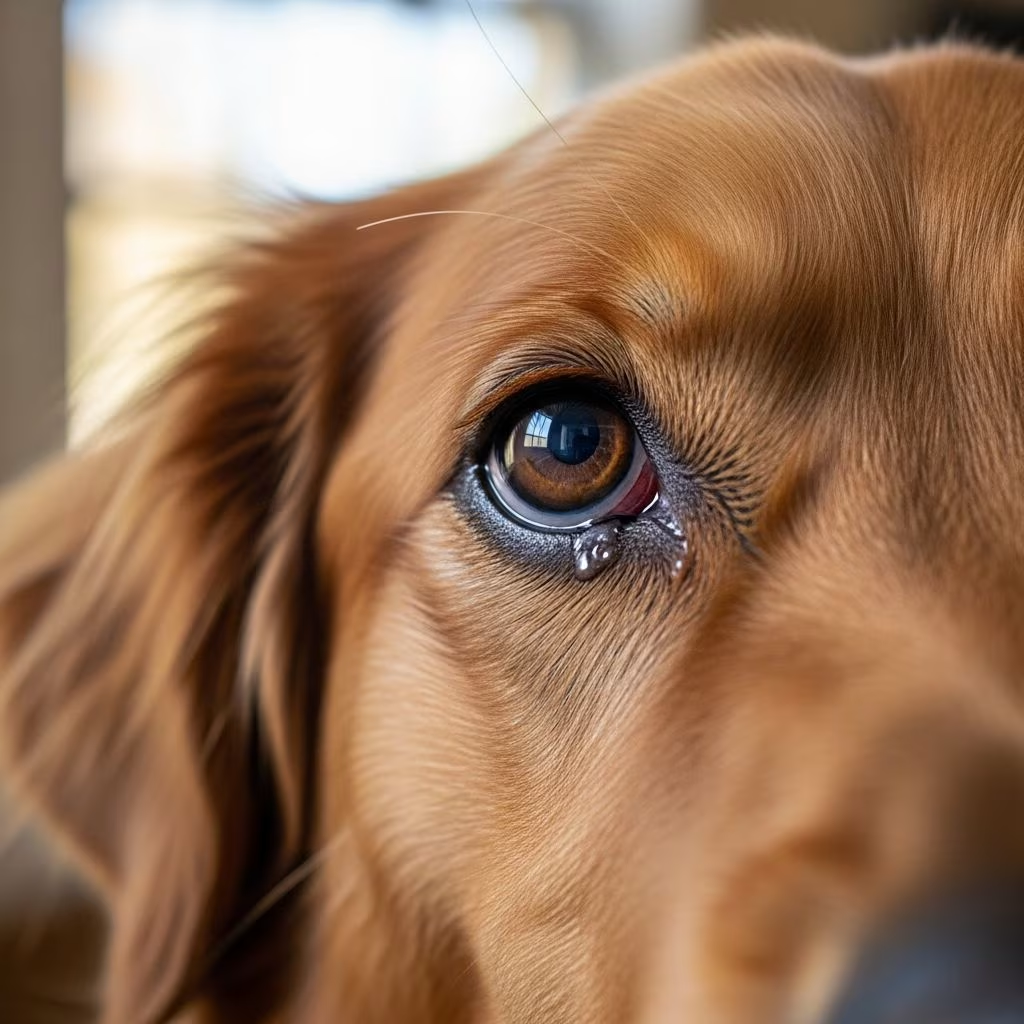
Dog eye infections, often manifesting as conjunctivitis or other inflammatory conditions, affect the sensitive tissues around and within the eye. These issues can stem from infectious agents, environmental irritants, or structural abnormalities, leading to discomfort and potential vision impairment if untreated. Early recognition and veterinary intervention are crucial for resolution.
Understanding Canine Eye Anatomy Basics
The canine eye comprises the cornea, sclera, conjunctiva (the thin membrane covering the white part), and tear glands. The conjunctiva protects against debris, while tears lubricate and flush irritants. Disruptions here invite infections. Breeds with prominent eyes like Pugs or short-nosed dogs face higher risks due to exposure.
Primary Causes of Eye Infections in Dogs
Multiple factors contribute to eye infections. Infectious pathogens top the list, but non-infectious triggers often predispose eyes to secondary bacterial overgrowth.
- Bacterial Invaders: Common culprits include Staphylococcus, Streptococcus, and Bordetella, thriving in moist environments.
- Viral Pathogens: Canine distemper and herpesvirus inflame eyes alongside respiratory symptoms.
- Fungal Elements: Aspergillus or Blastomyces in endemic areas cause deeper infections.
- Parasitic Threats: Leishmania or fly larvae irritate ocular surfaces.
- Allergic Reactions: Pollen or pollutants mimic infections with bilateral itching.
- Trauma and Foreign Bodies: Scratches from play or grass seeds embed, inviting bacteria.
- Structural Issues: Entropion (inward-rolling lids), ectropion (outward), or cherry eye expose tissues.
- Dry Eye (KCS): Insufficient tears from lacrimal gland failure leads to mucoid buildup and ulcers.
- Systemic Diseases: Glaucoma, uveitis, or Lyme disease manifest ocularly.
Recognizing Key Symptoms Early
Owners spot issues through visible changes. Infections progress from mild irritation to severe pain.
| Symptom | Description | Common Causes |
|---|---|---|
| Redness | Hyperemia in conjunctiva from inflammation | Bacteria, allergies, uveitis |
| Discharge | Clear watery to thick yellow/green pus | Infection vs. allergies (watery) |
| Swelling (Chemosis) | Puffy conjunctiva around eye | Trauma, infection |
| Squinting/Pawing | Pain-induced closure, rubbing | Ulcers, foreign bodies |
| Cloudiness | Corneal haze from ulcers | Dry eye, bacteria |
| Third Eyelid Prolapse | Visible nictitating membrane | Systemic illness, dehydration |
Bilateral symptoms suggest allergies or dry eye; unilateral points to trauma or localized infection.
When to Seek Veterinary Care Urgently
Do not delay if discharge persists beyond 24 hours, vision seems impaired, or pain is evident (cloudy cornea, lethargy). Untreated cases risk corneal scarring or blindness. Vets perform fluorescein staining for ulcers, Schirmer tear tests for KCS, and cultures for pathogens.
Diagnostic Approaches by Veterinarians
Exams include:
- Fluorescein dye to detect scratches/ulcers.
- Tear production measurement.
- Cytology/swabs for microbes.
- Tonometry for glaucoma pressure.
- Bloodwork for systemic links like Lyme.
Treatment Strategies Tailored to Cause
Therapy targets the root while easing symptoms. Never use human drops; they harm dogs.
Bacterial Cases
Topical antibiotics (e.g., erythromycin ointment) combined with steroids for inflammation, avoiding steroids on ulcers. Oral antibiotics for deeper involvement.
Viral and Fungal
Supportive care; antivirals rare. Fungals need systemic meds like itraconazole.
Allergy Management
Antihistamines, steroid drops short-term, or allergy testing.
Dry Eye Therapy
Cyclosporine/tacrolimus drops stimulate tears; artificial lubricants frequently.
Surgical Interventions
Correct entropion, remove foreign bodies, or flush tear ducts. E-collars prevent self-trauma.
Treatment duration: 7-14 days typically, with follow-ups.
Home Care and Supportive Measures
Complement vet care:
- Clean gently with saline or vet-approved wipes.
- Apply meds as directed; warm compresses soothe.
- Prevent rubbing with cone.
- Boost immunity via balanced diet, omega-3s.
Preventive Measures for Healthy Eyes
Proactive steps reduce risks:
- Regular vet checkups, especially for predisposed breeds.
- Avoid irritants like smoke, chemicals.
- Protect during play/outdoors with goggles for brachycephalics.
- Maintain vaccinations against distemper.
- Tick prevention for Lyme.
- Monitor for early signs post-swimming/hiking.
Common Myths About Dog Eye Issues
- Myth: All red eyes need antibiotics. Fact: Allergies or dry eye respond poorly; mis-treatment worsens.
- Myth: Home remedies like tea bags cure infections. Fact: They risk contamination; vet care essential.
FAQs on Dog Eye Infections
Q: Can dog eye infections spread to humans?
A: Rare; most bacterial/viral are species-specific.
Q: How long do symptoms take to resolve?
A: 1-2 weeks with proper treatment; monitor closely.
Q: Is cherry eye an infection?
A: No, prolapsed gland; surgery often needed, prevents secondary infections.
Q: What breeds are prone to dry eye?
A: Bulldogs, Westies, Cocker Spaniels.
Q: Can over-the-counter drops help?
A: No; consult vet to avoid damage.
Long-Term Eye Health for Canines
Annual exams catch subclinical issues. Nutrition with antioxidants (vitamin E, lutein) supports ocular tissues. For chronic cases like KCS, lifelong meds maintain comfort. Owners of high-risk breeds should learn breed-specific quirks, like Collie nodular episcleritis.
Integrate grooming to remove facial fur irritating eyes. Hydration aids tear production. Stress reduction via routine prevents flare-ups in allergy-prone dogs.
By understanding these dynamics, owners empower timely action, preserving their dog’s sight and quality of life.
References
- Causes & Treatments for Conjunctivitis in Dogs — Greensboro.CarolinaVet.com. 2020-07-24. https://www.greensboro.carolinavet.com/site/greensboro-specialty-veterinary-blog/2020/07/24/causes–treatments-for-conjunctivitis-in-dogs
- Dog Eye Infection: Causes, Symptoms, and Treatment — ToeGrips.com. N/A. https://toegrips.com/dog-eye-infection/
- Dog Eye Infections: Symptoms, Causes, and Treatment — AKC.org. N/A. https://www.akc.org/expert-advice/health/dog-eye-infections/
- Eye Infections in Dogs: Causes and Treatment — AnimalCareCtr.com. N/A. https://www.animalcarectr.com/blog/eye-infections-in-dogs-causes-and-treatment
- Dog Eye Infection — WillowGlenPetHospital.com. N/A. https://willowglenpethospital.com/dog-eye-infection/
- Pet Eye Infections — TrumbullAnimalHospital.com. N/A. https://www.trumbullanimalhospital.com/pet-eye-infections



