

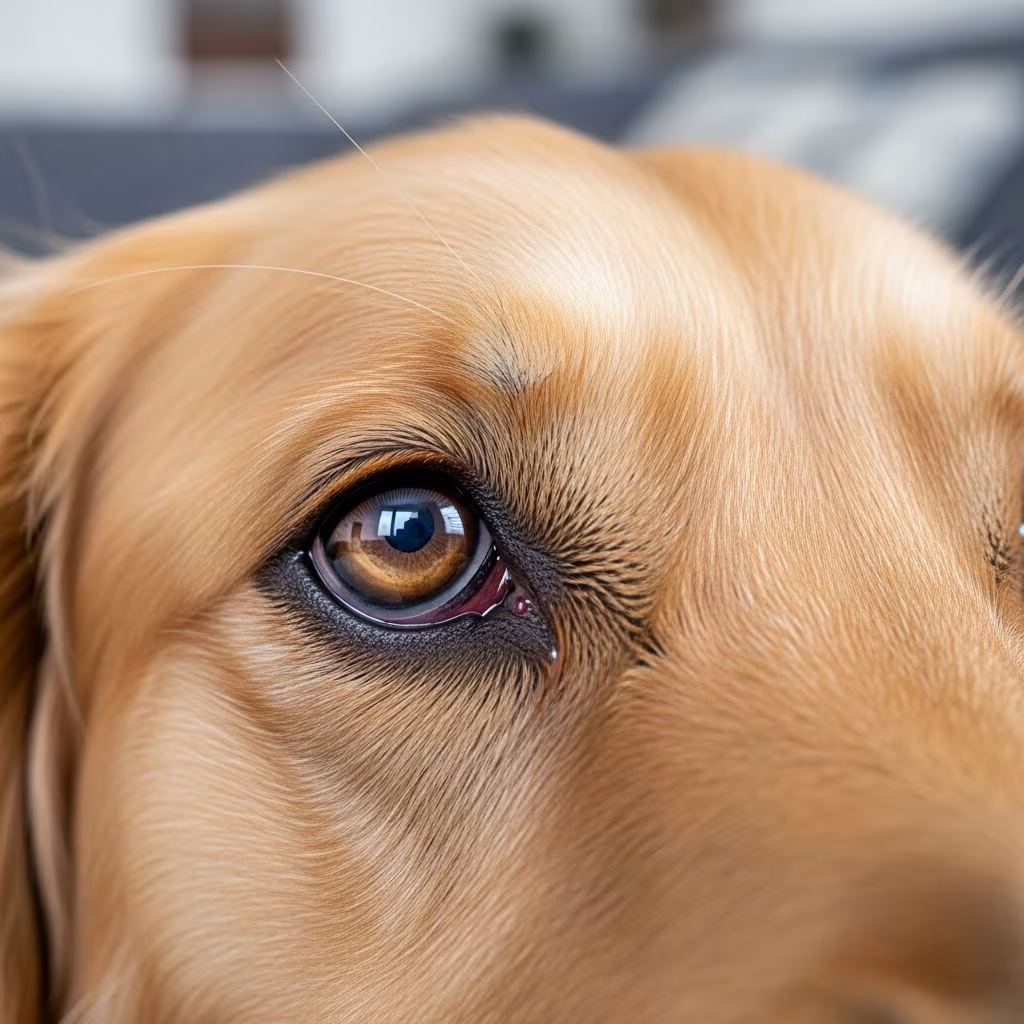
Your dog’s eyes are windows into their overall health and quality of life. When eye infections occur, they can cause discomfort, affect vision, and potentially lead to more serious complications if left untreated. Understanding the causes, symptoms, and treatment options for dog eye infections is essential for any pet owner who wants to keep their furry companion healthy and comfortable.
What Is a Dog Eye Infection?
A dog eye infection refers to inflammation or infection of one or more structures within or around the eye. These infections can develop in various parts of the eye, including the conjunctiva (the membrane covering the white part of the eye and inner eyelids), the cornea, the tear glands, or the inner structures of the eye. Eye infections in dogs are relatively common and can affect dogs of any age, breed, or gender, though some breeds may be predisposed to certain eye conditions.
Eye infections can range from mild and manageable to severe and potentially vision-threatening. The severity depends on the underlying cause, how quickly treatment begins, and the overall health of your dog. Some infections are contagious to other animals, making prompt diagnosis and treatment important for multi-pet households.
Common Types of Dog Eye Infections
Several distinct types of eye infections can affect dogs, each with its own characteristics and treatment approach:
Conjunctivitis (Pink Eye)
Conjunctivitis is one of the most common eye infections in dogs, characterized by inflammation of the conjunctiva—the mucous membrane that covers the outer portion of the eyeball and the inside of the eyelids. This condition is often called “pink eye” because the white portion of the eye becomes noticeably reddened. Allergic conjunctivitis is particularly common, especially after dogs swim in dirty water or are exposed to environmental irritants.
Corneal Inflammation and Ulceration
The cornea is the clear outer layer of the eye. Inflammation or ulceration of this structure can result from trauma, foreign objects, dry eyes, or infections. Corneal problems require prompt veterinary attention, as they can progress quickly and threaten vision.
Uveitis
Uveitis involves inflammation of one or more inner structures of the eye, such as the iris, ciliary body, or choroid. This condition can be caused by infections, immune-mediated disorders, or trauma and often requires multiple medications and careful monitoring.
Dry Eye (Keratoconjunctivitis Sicca)
Dry eye occurs when the tear glands don’t produce adequate tears to keep the eye moist. When dogs have overly dry eyes, mucus can form and prevent tears from flushing bacteria from the eye, potentially leading to infection. This condition is particularly common in certain breeds and requires ongoing management.
Causes of Dog Eye Infections
Dog eye infections can stem from various causes, and often multiple factors work together to create conditions favorable for infection. Understanding these causes can help pet owners recognize risk factors and take preventive measures.
Infectious Agents
Bacterial infections: Bacteria from household surfaces, dog beds, other animals, or dirt can cause eye infections. Specific bacteria associated with eye infections include Staphylococci, and bacteria responsible for tick-borne diseases such as canine brucellosis, leptospirosis, canine ehrlichiosis, and Lyme disease.
Viral infections: Several viruses can cause eye infections in dogs, including distemper, herpes, hepatitis, and canine influenza. These viruses may cause eye discharge and conjunctivitis as symptoms.
Fungal infections: Fungi and mold reproduce by releasing spores into the air, which can irritate your dog’s eyes and lead to infection.
Environmental and Physical Factors
Foreign matter and debris: Dirt, grass seeds, dust, and even your dog’s own hair can irritate the eye and introduce bacteria, causing infection. Foreign bodies like grass seeds are particularly common culprits, especially in dogs that spend time outdoors.
Irritants and allergens: Smoke, shampoo, harsh chemicals, dust, and other environmental irritants can cause eye irritation and inflammation, leading to conjunctivitis. Allergic reactions to environmental triggers are especially common after swimming in dirty water.
Trauma: Eye injuries, scratches, or cuts on the cornea can create openings for bacteria to enter and cause infection. Chemical exposure and corneal abrasions from various causes can predispose eyes to infection.
Underlying Health Conditions
Dry eye: Insufficient tear production prevents the natural flushing of bacteria from the eye, allowing infections to develop.
Eyelid and eyelash abnormalities: Conditions like entropion (inward-turning eyelid), ectropion (outward-turning eyelid), or abnormal eyelash placement can cause lashes to rub against the eyeball, creating irritation and infection risk.
Tear duct problems: Blocked or diseased tear ducts prevent proper tear drainage and flushing, making infection more likely. These problems are more common in certain breeds.
Other eye diseases: Glaucoma, cataracts, and other eye conditions can increase the risk of secondary infection.
Parasites: Parasitic infections can cause eye irritation and lead to secondary bacterial or fungal infections.
Symptoms of Dog Eye Infections
Recognizing the signs of an eye infection is crucial for early detection and treatment. Common symptoms include:
- Redness and swelling of the eye or surrounding tissues
- Excessive tearing or watery discharge
- Thick, colored discharge from the eye
- Excessive blinking or squinting
- Sensitivity to light
- Cloudiness or haziness in the eye
- Visible irritation or inflammation
- Pawing at the eye or rubbing the face
- Keeping the eye closed or partially closed
- Behavioral changes like reluctance to play or go outside
If you notice any of these symptoms, veterinary care should be sought promptly. Conditions like allergic conjunctivitis can lead to increased trauma to the eyelids due to rubbing, making early intervention important.
Diagnosis of Dog Eye Infections
When you bring your dog to the veterinarian with suspected eye problems, the vet will perform a thorough examination. This typically includes:
- Visual inspection of the eye and surrounding structures
- Assessment of tear production (Schirmer tear test)
- Examination with specialized equipment like an ophthalmoscope
- Fluorescein staining to detect corneal ulcers
- Culture or sensitivity tests to identify bacteria or other organisms
- Evaluation for underlying conditions like glaucoma or immune-mediated disorders
Proper diagnosis is essential because the treatment varies significantly depending on the underlying cause.
Treatment Options for Dog Eye Infections
Treatment for dog eye infections depends on the underlying cause and may involve a combination of topical and oral medications, or in some cases, surgery.
Medication-Based Treatments
Antibiotics: When bacterial infection is identified as the underlying cause, antibiotics and antibiotic eye drops are typically prescribed. For corneal ulceration, topical antibiotics are warranted, with the choice of antibiotic depending on the severity.
Antifungals and Antivirals: Fungal and viral infections require specific antifungal or antiviral medications to combat the infection effectively.
Anti-inflammatory medications: Topical steroids and other anti-inflammatory drugs may be prescribed to reduce inflammation and discomfort. These are particularly useful for eyelid infections, where veterinarians may prescribe oral antibiotics and anti-inflammatory drugs.
Eye drops for dry eye: For dry eye symptoms, artificial tears provide temporary relief when given three to four times daily. However, what is really needed is a veterinarian-prescribed tear stimulant that promotes natural tearing. Dogs suffering from dry eye or keratoconjunctivitis sicca (KCS) may be prescribed medications such as cyclosporine or tacrolimus.
Antihistamines: When allergies are the suspected cause of eye infections, the veterinarian may prescribe antihistamines to help soothe your dog’s eyes. Allergy management involves identifying and eliminating allergic triggers when possible.
Procedural Treatments
Foreign body removal: If a foreign body or debris is irritating the eye, your veterinarian may need to remove it while your dog is under sedation or local anesthetic.
Surgery: Several eye conditions require surgical intervention for proper treatment and prevention of future infections:
- Blocked tear ducts typically require surgery followed by eye drops and antibiotics
- Eyelid or eyelash abnormalities causing lashes to rub against the eyeball are generally treated with surgery to correct the issue
- Conditions like entropion, ectropion, or cherry eye may require surgical correction
- Corneal ulcers, glaucoma, or uveitis often require multiple different eye and oral medications in addition to any necessary surgical intervention
When to Seek Veterinary Care
Any eye problems in dogs should be treated by a veterinarian to avoid causing unnecessary pain and minimize the threat to your dog’s sight. Veterinary care should be sought in the first 24 hours if you notice signs of eye infection or injury. While some minor eye irritations might resolve on their own, infections can progress rapidly and cause permanent damage to vision.
Seek immediate veterinary attention if your dog experiences:
- Sudden onset of severe pain or sensitivity to light
- Significant discharge or bleeding from the eye
- Cloudiness or apparent loss of vision
- Visible trauma or injury to the eye
- Signs of infection that don’t improve within 24-48 hours
Prevention of Dog Eye Infections
While not all eye infections can be prevented, several measures can reduce your dog’s risk:
- Keep the eye area clean: Gently wipe away any discharge with a clean, damp cloth
- Avoid irritants: Minimize exposure to smoke, harsh chemicals, and other environmental irritants
- Protect during outdoor activities: Be cautious around rough vegetation, water, and other potential hazards
- Maintain overall health: Proper nutrition and general health support the immune system and eye health
- Manage allergies: Work with your veterinarian to identify and manage allergies that might affect the eyes
- Regular eye checks: Examine your dog’s eyes regularly and report any changes to your veterinarian
- Limit contact with other animals: While many eye issues in dogs are not contagious, it is wise to limit contact between pets until a veterinarian has examined your dog.
Frequently Asked Questions About Dog Eye Infections
Q: How long does it take for a dog eye infection to heal?
A: The healing time varies depending on the type and severity of infection. Bacterial infections typically respond to antibiotics within 5-7 days, while other infections may take longer. Always complete the full course of prescribed medication.
Q: Can dog eye infections spread to other dogs?
A: Some eye infections are contagious between dogs, particularly viral and certain bacterial infections. Until your veterinarian has examined your dog and determined the cause, it’s best to limit contact with other animals.
Q: Are there any home remedies for dog eye infections?
A: While you can gently clean the eye area with a clean, damp cloth, professional veterinary care is necessary to properly diagnose and treat infections. Home remedies should never replace veterinary treatment, as they may allow infections to worsen.
Q: Can I use my eye drops on my dog?
A: No, you should never use human medications on your dog without veterinary guidance. Dogs require specific veterinary eye medications formulated for their needs. Human eye drops can be harmful to dogs.
Q: What breeds are more prone to eye infections?
A: Breeds with flat faces (like Bulldogs and Pugs), dogs with droopy eyelids, and certain breeds prone to dry eye are more susceptible. Additionally, tear duct problems are more common in certain breeds.
Q: How can I prevent my dog from rubbing their infected eye?
A: Your veterinarian may recommend an Elizabethan collar (cone) to prevent your dog from further irritating the eye while it heals. This is particularly important for preventing additional trauma.
References
- Dog Eye Infection – Causes & Treatments — Veterinary Specialty Center of Texas. 2021-05-17. https://www.vscot.com/site/blog/2021/05/17/dog-eye-infection
- Eye Infections in Dogs: Causes and Treatment — Animal Care Center. https://www.animalcarectr.com/blog/eye-infections-in-dogs-causes-and-treatment
- Dog Eye Infection: Symptoms & Treatment — MetLife Pet Insurance. https://www.metlifepetinsurance.com/blog/pet-health/dog-eye-infections/
- Dog Eye Infection – Causes & Treatments — Animal Eye Guys Veterinary Services. 2022-06-20. https://www.animaleyeguys.com/site/blog/2022/06/20/dog-eye-infection
- Dog Eye Infection — Willow Glen Pet Hospital. https://willowglenpethospital.com/dog-eye-infection/
- Dog Eye Infections: Symptoms, Causes, and Treatment — American Kennel Club. https://www.akc.org/expert-advice/health/dog-eye-infections/
- Conjunctivitis in Dogs — VCA Animal Hospitals. https://vcahospitals.com/know-your-pet/conjunctivitis-in-dogs



