

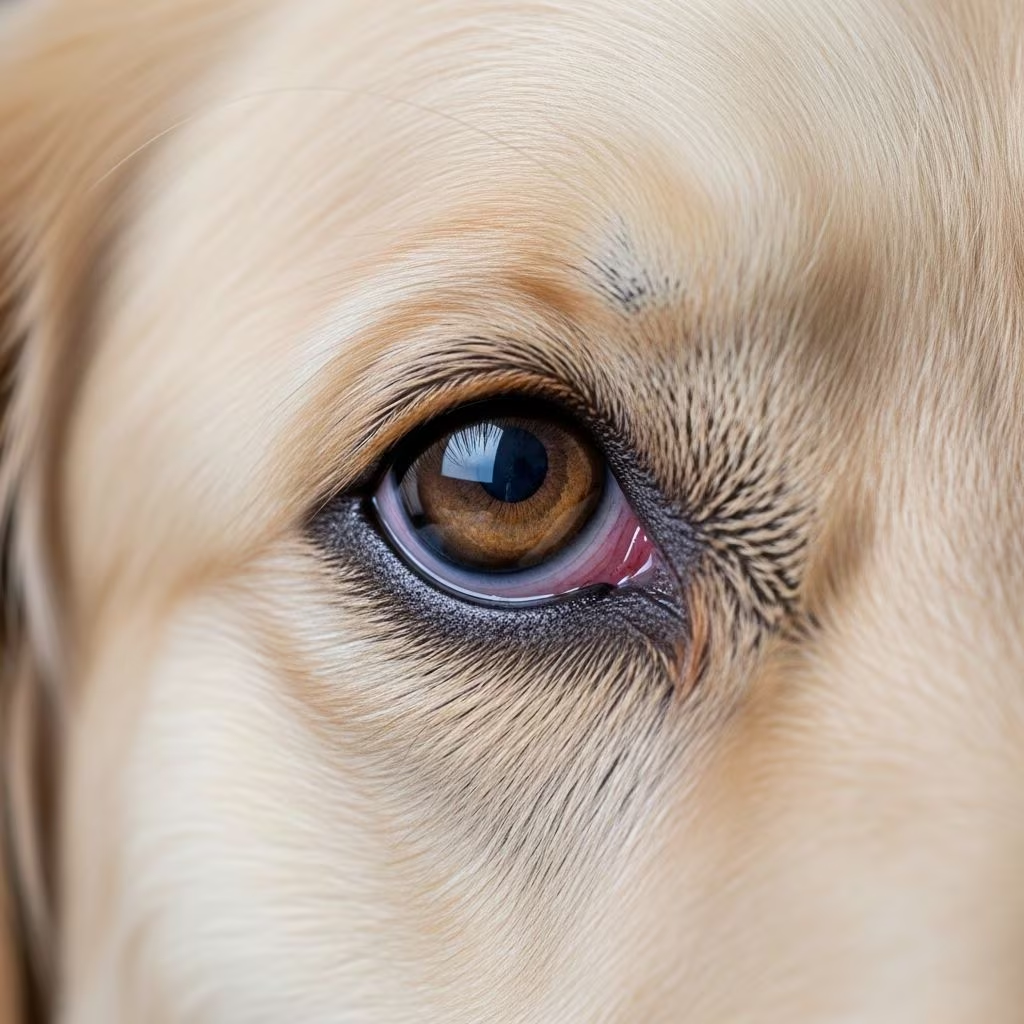
Understanding Dog Eye Infections
Dog eye infections are a common health concern that can affect pets of any age or breed. These infections occur when harmful bacteria, viruses, fungi, or parasites invade the eye or surrounding tissues, causing inflammation and discomfort. Eye infections can range from mild conjunctivitis to more serious conditions affecting the cornea or internal eye structures. Understanding the causes, recognizing symptoms early, and seeking prompt veterinary care are essential for protecting your dog’s vision and overall eye health.
Common Causes of Dog Eye Infections
Eye infections in dogs develop from various underlying causes, each requiring different treatment approaches. Identifying the specific cause is crucial for effective treatment and preventing future infections.
Infectious Agents
- Bacterial infections: Bacteria from household surfaces, dog beds, other animals, or dirt can cause eye infections. Specific bacteria include canine brucellosis, leptospirosis, canine ehrlichiosis, and Lyme disease.
- Viral infections: Viruses such as canine distemper, canine influenza, herpes, and hepatitis can trigger eye infections and discharge.
- Fungal infections: Fungi and mold reproduce by releasing spores into the air, which can irritate your dog’s eyes and lead to infection.
- Parasites: Various parasitic organisms can infect the eye and surrounding tissues, causing irritation and inflammation.
Environmental and Physical Factors
- Foreign matter and debris: Dirt, grass seeds, dust, or even your dog’s own hair can irritate the eye and cause infection if not removed promptly.
- Irritants and allergens: Smoke, harsh chemicals, shampoo, dust, and other environmental irritants can trigger allergic reactions leading to conjunctivitis.
- Trauma: Eye injuries, corneal abrasions, or scratches create openings for bacterial invasion and infection.
- Dry eye (KCS): When dogs have overly dry eyes, mucus can form and prevent tears from flushing bacteria, allowing bacterial buildup that causes infection.
Underlying Health Conditions
- Eye abnormalities: Conditions like cherry eye, entropion (inward-turning eyelids), and ectropion (outward-turning eyelids) can lead to repeated infections.
- Blocked tear ducts: Obstruction of tear drainage is more common in certain dog breeds and predisposes eyes to infection.
- Glaucoma: Elevated eye pressure can damage tissues and increase infection susceptibility.
- Tumors: Growths in or around the eye can interfere with normal eye function and increase infection risk.
- Vitamin deficiency and immune issues: Nutritional deficiencies and immune system dysfunction can weaken the eye’s natural defenses.
Recognizing Symptoms of Eye Infections
Early recognition of eye infection symptoms allows for prompt veterinary intervention and faster recovery. If you notice any of the following signs in your dog, contact your veterinarian promptly:
- Redness: The eye or tissue surrounding the eye appears red or inflamed
- Swelling: Puffiness or swelling around the eye area
- Discharge: Watery discharge, tearing, or thick, smelly discharge from the eye
- Excessive blinking: Frequent blinking or squinting, indicating discomfort
- Eye rubbing: Your dog frequently pawing at or rubbing their eyes
- Sensitivity to light: Reluctance to open eyes in bright conditions
- Cloudiness: A hazy or cloudy appearance to the eye
- Behavioral changes: Lethargy, decreased appetite, or general discomfort
According to veterinary experts, allergic conjunctivitis may develop especially after swimming in dirty water, causing the pink tissue around the eye (conjunctiva) to become irritated and red, leading to increased tearing and blinking. Seek veterinary care within the first 24 hours when these symptoms appear, as delayed treatment can lead to increased trauma to the eyelids from excessive rubbing.
Types of Canine Eye Infections
Conjunctivitis (Pink Eye)
Conjunctivitis is inflammation of the mucous membrane covering the outer portion of the eyeball and the inside of the eyelids. This common condition can result from bacterial, viral, allergic, or immune-mediated causes. Symptoms include pink or red tissue around the eye, discharge, and excessive tearing.
Corneal Inflammation and Ulceration
The cornea is the clear outer layer of the eye. Inflammation or ulceration of the cornea can result from trauma, foreign objects, infections, or chemical exposure. This condition requires prompt treatment to prevent permanent vision loss.
Uveitis
Uveitis involves inflammation of the inner structures of the eye, including the iris, ciliary body, or choroid. This serious condition can develop from infections, trauma, or underlying systemic diseases and requires immediate veterinary attention.
Tear Gland Problems
Issues affecting tear production or drainage, such as blocked tear ducts or keratoconjunctivitis sicca (KCS), can lead to dry eye and secondary infections.
Diagnostic Process
When you bring your dog to the veterinarian with suspected eye infection symptoms, they will perform a thorough examination to identify the underlying cause. Diagnostic procedures may include:
- Visual examination of the eye and surrounding structures
- Staining tests to identify corneal damage or ulceration
- Culture and sensitivity testing to identify specific bacteria or fungus
- Tonometry to measure eye pressure in cases of suspected glaucoma
- Imaging studies if tumors or structural abnormalities are suspected
- Blood work to identify underlying systemic infections or diseases
Accurate diagnosis is essential because treatment varies significantly based on the underlying cause, and inappropriate treatment can worsen the condition.
Treatment Options for Dog Eye Infections
Treatment for your dog’s eye infection depends on the underlying cause and may involve topical medications, oral medications, or surgical intervention. Your veterinarian will develop a customized treatment plan based on their diagnosis.
Medication-Based Treatments
Antibiotics
When bacterial infection is identified as the cause, antibiotics in the form of eye drops or ointments are typically prescribed. For more serious bacterial infections, oral antibiotics combined with topical medications may be necessary. Topical antibiotics are particularly warranted for corneal ulceration, with the choice of antibiotic depending on severity and the specific bacteria identified through culture testing.
Antihistamines and Anti-Inflammatory Medications
When allergies are the suspected cause of eye infections, veterinarians may prescribe antihistamines to help soothe your dog’s eyes and reduce inflammation. Anti-inflammatory medications, including topical steroids, may also be recommended to reduce redness and swelling associated with various types of conjunctivitis.
Antifungal and Antiviral Medications
For fungal infections, antifungal medications are prescribed, while viral infections may be treated with antiviral agents. Treatment duration varies depending on the severity and type of infection.
Tear Stimulants
Dogs suffering from dry eye or keratoconjunctivitis sicca (KCS) may be prescribed medications such as cyclosporine or tacrolimus to stimulate tear production. Additionally, artificial tears used three to four times daily can provide temporary relief, though veterinarian-prescribed tear stimulants offer longer-term solutions.
Surgical Treatments
Foreign Body Removal
If a foreign body or debris is irritating the eye, your veterinarian may need to remove it while your dog is under sedation or local anesthetic. This procedure prevents ongoing irritation and reduces infection risk.
Eyelid and Eyelash Correction
Eyelid or eyelash abnormalities that cause lashes to rub against the eyeball are generally treated with surgery to correct the issue. Conditions like entropion and ectropion can be surgically corrected to prevent recurrent infections.
Tear Duct Surgery
Blocked tear ducts typically require surgical intervention, followed by eye drops and antibiotics to prevent infection during healing.
Treatment Comparison Table
| Infection Type | Primary Cause | Treatment Approach |
|---|---|---|
| Bacterial Conjunctivitis | Bacteria | Topical/oral antibiotics, eye drops |
| Viral Conjunctivitis | Viruses | Antiviral medications, supportive care |
| Allergic Conjunctivitis | Allergens | Antihistamines, allergen removal |
| Fungal Infection | Fungal spores | Antifungal medications |
| Corneal Ulceration | Trauma/infection | Topical antibiotics, pain relief |
| Dry Eye (KCS) | Insufficient tear production | Tear stimulants, artificial tears |
| Eyelid Abnormality | Structural defect | Surgical correction |
| Blocked Tear Duct | Obstruction | Surgery, antibiotics, eye drops |
Home Care and Prevention
While veterinary treatment is essential, you can support your dog’s recovery and prevent future infections through proper home care:
- Administer medications as prescribed: Follow your veterinarian’s instructions precisely regarding medication frequency and duration, even if symptoms improve
- Keep the eye clean: Gently remove discharge with a clean, damp cloth, using a fresh cloth for each wipe to prevent spreading infection
- Avoid irritants: Keep your dog away from smoke, dust, harsh chemicals, and other environmental irritants
- Prevent rubbing: Use an Elizabethan collar if necessary to prevent your dog from rubbing their eyes and causing additional damage
- Monitor for changes: Watch for any worsening of symptoms and contact your veterinarian immediately if you notice increased discharge, swelling, or behavior changes
- Maintain hygiene: Regularly clean your dog’s bedding and toys to reduce bacterial contamination
- Limit pet contact: Keep your infected dog separated from other pets until your veterinarian confirms the infection is no longer contagious
When to Seek Emergency Veterinary Care
Contact your veterinarian immediately or seek emergency care if your dog experiences:
- Sudden vision loss or eye trauma
- Severe pain or inability to open the eye
- Clouding of the entire eye
- Blood in the eye
- Discharge that worsens despite treatment
- Swelling that spreads to the face or head
Frequently Asked Questions
Q: Are dog eye infections contagious to other pets?
A: While many eye infections are not contagious, it is wise to limit contact between pets until a veterinarian has examined your dog, as some bacterial and viral infections can spread between animals.
Q: How long does it take for a dog eye infection to heal?
A: Healing time varies depending on the cause and severity of the infection. Mild bacterial conjunctivitis may improve within days of starting treatment, while more serious infections or surgical cases may require weeks for complete recovery.
Q: Can I treat my dog’s eye infection at home without veterinary care?
A: No, professional veterinary diagnosis is essential to identify the cause of the infection and prescribe appropriate treatment. Home remedies alone cannot cure infections and may delay necessary treatment.
Q: What is the cost of treating dog eye infections?
A: Treatment costs vary widely depending on the cause, severity, and whether surgery is needed. Bacterial conjunctivitis treated with antibiotics may cost less than surgical corrections or treatment of serious conditions like uveitis.
Q: Can certain dog breeds be more prone to eye infections?
A: Yes, certain breeds are predisposed to eye infections due to anatomical features like flat faces, tear duct problems, or eyelid abnormalities that affect drainage and create conditions favorable for infection.
Q: Will my dog go blind if they have an eye infection?
A: Most eye infections respond well to prompt treatment and do not result in vision loss. However, untreated severe infections, particularly corneal ulcers or uveitis, can lead to permanent vision damage if not addressed quickly.
Q: How can I prevent eye infections in my dog?
A: Prevention involves maintaining good eye hygiene, avoiding environmental irritants, protecting eyes from trauma, keeping your dog’s immunizations current, and scheduling regular veterinary check-ups to catch early signs of eye problems.
References
- Dog Eye Infection – Causes & Treatments — Veterinary Services Committee of Scotland. 2021-05-17. https://www.vscot.com/site/blog/2021/05/17/dog-eye-infection
- Eye Infections in Dogs: Causes and Treatment — Animal Care Centre. https://www.animalcarectr.com/blog/eye-infections-in-dogs-causes-and-treatment
- Dog Eye Infection: Symptoms & Treatment — MetLife Pet Insurance. https://www.metlifepetinsurance.com/blog/pet-health/dog-eye-infections/
- Dog Eye Infection – Causes & Treatments — Animal Eye Guys Vets. 2022-06-20. https://www.animaleyeguys.com/site/blog/2022/06/20/dog-eye-infection
- Dog Eye Infection — Willow Glen Pet Hospital. https://willowglenpethospital.com/dog-eye-infection/
- Dog Eye Infections: Symptoms, Causes, and Treatment — American Kennel Club. https://www.akc.org/expert-advice/health/dog-eye-infections/
- Conjunctivitis in Dogs — VCA Animal Hospitals. https://vcahospitals.com/know-your-pet/conjunctivitis-in-dogs



