

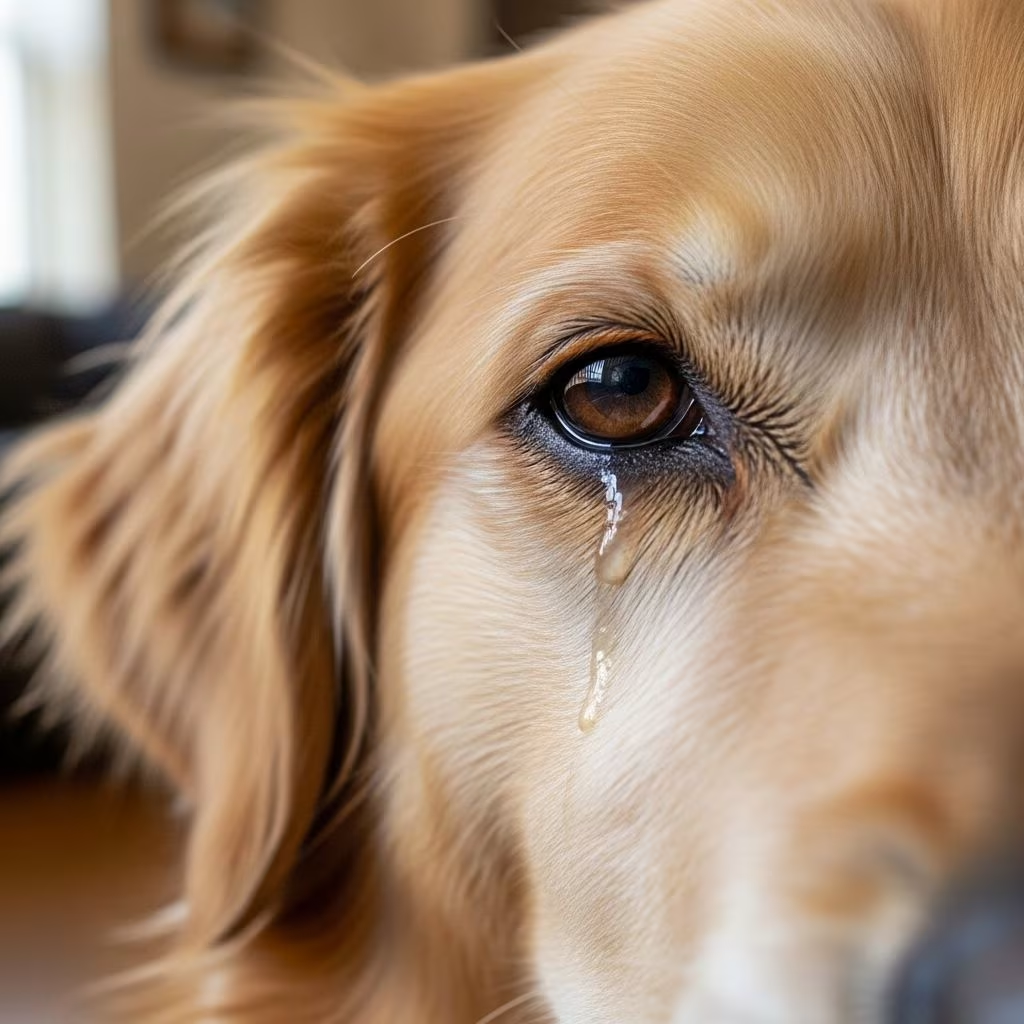
Dog eye discharge is a common issue that can range from harmless to indicative of serious health problems. While some discharge is normal, changes in color, consistency, or amount often signal underlying conditions like infections, allergies, or anatomical issues. Understanding the types and causes helps pet owners respond appropriately, potentially preventing vision loss or discomfort.
What Is Dog Eye Discharge?
Dog eye discharge, also known as epiphora when excessive, refers to fluid buildup from tears, mucus, or pus around the eyes. Healthy dogs produce tears to lubricate and protect their eyes, with natural drainage through tear ducts. Excess or abnormal discharge occurs when production increases or drainage fails. Epiphora is a symptom, not a disease, linked to irritations, infections, or structural problems.
Normal discharge is typically clear or slightly watery, appearing as ‘eye boogers’ that can be wiped away easily. It protects against dust and debris. However, abnormal discharge—thick, colored, or persistent—warrants attention.
Normal vs. Abnormal Dog Eye Discharge
Distinguishing normal from abnormal discharge is crucial for timely intervention. Normal discharge is minimal, clear, and occasional, often drying into crusty bits removable with a damp cloth.
Abnormal signs include:
- **Clear and watery discharge**: Often from allergies, dust, wind, or irritants; excessive in flat-faced breeds.
- **Thick yellow or green discharge**: Indicates bacterial infection like conjunctivitis; pus-like and sticky.
- **Rusty or brownish discharge**: Tear staining from porphyrins in tears oxidizing on fur; common in light-coated breeds or with blocked ducts.
- **White or gray discharge**: Suggests dry eye (keratoconjunctivitis sicca), with sticky mucus due to low tear production.
Accompanying symptoms like redness, squinting, pawing, or swelling elevate concern.
Common Causes of Dog Eye Discharge
Several factors cause eye discharge in dogs. Here’s a breakdown:
Allergies
Allergens like pollen, dust, mites, or household chemicals trigger watery discharge, redness, and itching. Seasonal or environmental, it mimics human allergies.
Conjunctivitis (Pink Eye)
Inflammation of the conjunctiva from bacteria, viruses, or irritants. Symptoms: redness, puffy lids, stringy discharge, squinting. Bacterial types (strep/staph) are contagious; viral linked to distemper.
Dry Eye (Keratoconjunctivitis Sicca – KCS)
Insufficient tear production causes sticky, mucus discharge, inflammation, and ulcer risk. Triggers: immune issues, distemper, trauma.
Corneal Ulcers
Painful sores from injury, infection, or dry eye. Signs: watery eyes, light sensitivity, rubbing, film over eye. Requires prompt treatment to avoid deepening.
Glaucoma
Increased eye pressure causes pain, cloudiness, bulging, and discharge. Emergency condition risking blindness.
Blocked Tear Ducts
Obstruction prevents drainage, leading to overflow and staining. Common in brachycephalic breeds.
Eye Injuries or Foreign Bodies
Scratches, lashes, or debris cause irritation and discharge.
Breed Predispositions
Brachycephalic breeds (Bulldogs, Shih Tzus) have shallow sockets and poor drainage. Genetic issues like progressive retinal atrophy (PRA) lead to discharge before blindness.
Other Causes
Entropion/ectropion (eyelid rolling), tumors, distemper.
When to Worry About Dog Eye Discharge
Not all discharge needs a vet, but worry if:
- Thick, yellow/green, or bloody.
- One eye only (foreign body/injury).
- Pain signs: squinting, pawing, closed eye.
- Swelling, redness, cloudiness, vision changes.
- Persists >1-2 days despite cleaning.
Immediate vet for colored discharge or pain to prevent complications like ulcers or blindness.
How to Clean Dog Eye Discharge at Home
Gentle cleaning manages mild cases:
- Saline solution or vet-approved wipes.
- Soft cloth/damp cotton ball; wipe outward.
- One cloth per eye; daily if needed.
- Avoid human products.
For tear staining, use approved cleaners. Never flush without vet advice.
Treatments for Dog Eye Discharge
Treatment targets the cause:
| Condition | Treatments |
|---|---|
| Infections (Bacterial) | Antibiotic drops/ointments. |
| Viral Conjunctivitis | Cold compresses, artificial tears, steroids. |
| Allergies | Antihistamines, anti-inflammatory drops. |
| Dry Eye | Lubricating drops, cyclosporine. |
| Ulcers/Glaucoma | Antibiotics, repair drops, surgery, pressure meds. |
| Blocked Ducts/Eyelids | Flushing, surgery. |
Vets diagnose via exam, tear tests (Schirmer), fluorescein dye for ulcers, pressure checks.
Prevention Tips for Dog Eye Discharge
Minimize risks:
- Regular cleaning.
- Avoid allergens/smoke.
- Protect eyes outdoors.
- Monitor breeds.
- Routine vet exams.
Frequently Asked Questions (FAQs)
What does normal dog eye discharge look like?
Clear, minimal, crusty ‘boogers’ that wipe away easily.
Is yellow dog eye discharge serious?
Yes, often bacterial infection; see vet promptly.
Can I use human eye drops on my dog?
No, they may worsen issues; use vet products.
How do you treat tear staining in dogs?
Clean daily, address cause (ducts/allergies); vet for tints.
Why do some breeds have more eye discharge?
Brachycephalic faces cause poor drainage.
References
- Dog Eye Discharge: Normal vs. Abnormal — Reed Animal Hospital. 2023. https://www.reedanimalhospital.com/blog/dog-eye-discharge-normal-vs-abnormal/
- 7 Causes Of Dog Eye Discharge & How To Handle Them — Tractive. 2023. https://tractive.com/blog/en/health/dog-eye-discharge
- Dog Discharge from Eye — WebMD Pets. 2023-10-20. https://www.webmd.com/pets/dogs/dog-discharge-from-eye
- Eye Discharge and Burr in Dogs — VetAmerikan. 2023. https://www.vetamerikan.org/health-information/dog-diseases/eye-discharge-and-burr-in-dogs
- Eye Discharge (Epiphora) in Dogs — VCA Animal Hospitals. 2023. https://vcahospitals.com/know-your-pet/eye-discharge-or-epiphora-in-dogs
- When Should You Worry About Your Pet’s Eye Discharge? — Companion Animal Clinic Iowa. 2023. https://www.companionanimalcliniciowa.com/blog/when-should-you-worry-about-your-pets-eye-discharge



