

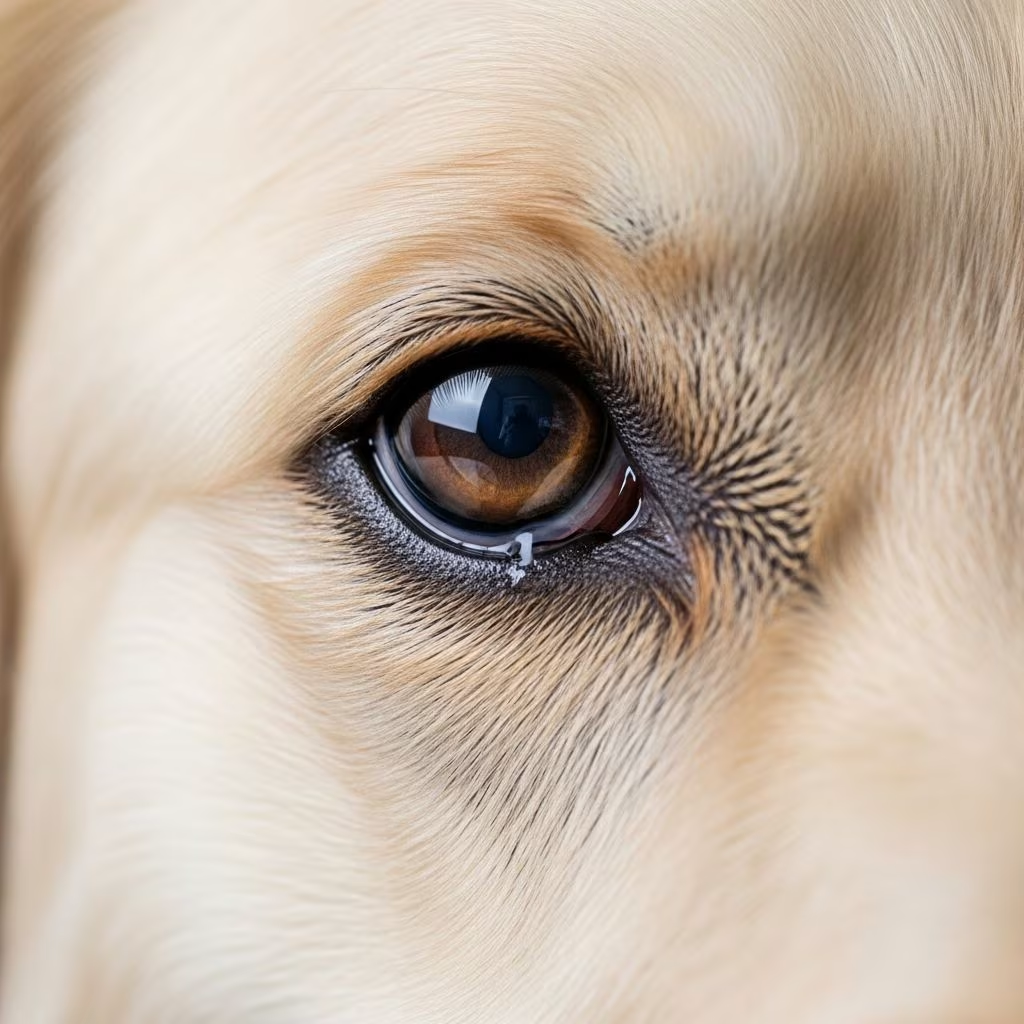
Understanding Dog Eye Discharge: A Comprehensive Guide
Dog eye discharge is a common concern for pet owners, and while some types are completely normal, others may indicate a serious underlying health issue. The key to keeping your dog’s eyes healthy is understanding the difference between normal discharge and signs that warrant veterinary attention. Eye discharge, medically known as epiphora when it involves excessive tearing, can range from clear and watery to thick and colored, each presenting different concerns and requiring different approaches to treatment.
Tears play a crucial role in maintaining your dog’s eye health. They lubricate the eyes, protect against infection, and help wash away debris. When you notice discharge around your dog’s eyes, it’s often your pet’s natural defense mechanism at work. However, persistent or abnormal discharge can signal infections, allergies, injuries, or other medical conditions that require professional evaluation.
Type 1: Clear and Watery Discharge
Clear and watery discharge is typically the most common type of eye discharge in dogs and is often nothing to worry about. This type of discharge frequently occurs after your dog wakes up from a nap or has been exposed to environmental irritants like wind or dust. Some breeds, particularly those with prominent or bulging eyes, naturally produce more tear discharge than others.
Common Causes:
- Environmental irritants such as dust, pollen, or wind exposure
- Seasonal allergies
- Minor eye irritation
- Normal tear film overflow
When clear discharge appears occasionally and isn’t accompanied by other symptoms, it’s generally considered normal. However, if clear discharge becomes persistent and excessive, it may indicate underlying allergies or structural issues with the tear drainage system that should be evaluated by your veterinarian.
Type 2: Yellow or Green Discharge
Yellow or green eye discharge is one of the most concerning types and typically indicates a bacterial or viral infection, commonly known as conjunctivitis or pink eye. This type of discharge often accompanied by redness, swelling, and discomfort, and requires prompt veterinary attention.
Associated Symptoms:
- Red or swollen eyelids
- Excessive squinting or eye closure
- Persistent pawing or rubbing at the affected eye
- Light sensitivity
- Crusty buildup around the eye
Infections can develop from various sources, including trauma to the eye, exposure to other sick animals, or secondary infections following other illnesses. The thick, colored nature of this discharge indicates an active infection that will almost certainly require antibiotic treatment, whether in the form of topical drops or oral medication.
Type 3: Bloody or Blood-Tinged Discharge
Any bloody discharge from your dog’s eyes is a serious warning sign that requires immediate veterinary evaluation. This type of discharge indicates trauma, a corneal ulcer, or another severe eye condition that could potentially lead to vision loss if left untreated.
Potential Causes:
- Eye trauma or scratches
- Corneal ulcers
- Foreign objects embedded in the eye
- Severe infections
- Bleeding disorders
If you notice bloody discharge, your dog is holding an eye shut, or showing signs of severe pain, do not delay in seeking veterinary care. These symptoms may indicate serious conditions that require immediate attention to prevent permanent damage to your dog’s vision.
Type 4: Thick, Crusty Discharge
Thick, crusty discharge that builds up around the eyes, often appearing as hardened matter, can result from several different causes ranging from relatively mild to more serious conditions. This type of discharge often accumulates overnight or throughout the day and may have an unpleasant odor.
Common Causes Include:
- Dry eye syndrome (keratoconjunctivitis sicca)
- Blocked tear ducts
- Secondary bacterial infections
- Chronic conjunctivitis
- Skin fold irritation in certain breeds
Dry eye is particularly common in certain breeds and occurs when the eyes don’t produce adequate tears. The resulting thick, sticky discharge can be uncomfortable and may lead to secondary infections if not properly managed. Specialized testing, such as the Schirmer Tear Test, can help determine if dry eye is the underlying cause.
Type 5: Reddish-Brown or Rust-Colored Discharge
Reddish-brown or rust-colored staining beneath the eyes is usually caused by a buildup of normal tear components, including porphyrins and bacteria. While this type of discharge is generally not indicative of a serious medical problem, it can indicate chronic tearing or poor tear drainage.
Characteristics and Concerns:
- Cosmetic discoloration of the fur
- Often accompanied by facial dampness
- May develop skin irritation or infection if not properly managed
- More common in certain breeds with lighter-colored coats
This type of staining is often referred to as tear staining and, while usually just a cosmetic issue, can sometimes indicate underlying tear drainage problems that warrant veterinary evaluation, especially if accompanied by excessive moisture or odor.
Underlying Causes of Dog Eye Discharge
Understanding what causes eye discharge helps you determine when home care is sufficient and when professional veterinary attention is necessary. The causes range from simple environmental irritants to complex medical conditions.
Allergies and Environmental Irritants
One of the most common causes of dog eye discharge is exposure to environmental irritants or allergic reactions. Dogs can develop allergies to pollen, dust, mold spores, dust mites, and various other substances in their environment. During high pollen seasons, allergic dogs may experience increased tearing and clear discharge as their eyes attempt to flush away the irritating substances.
Infections and Conjunctivitis
Bacterial or viral infections represent another major cause of abnormal eye discharge. Conjunctivitis, commonly called pink eye, can develop from trauma, exposure to infectious agents, or as a secondary complication of other illnesses. These infections typically produce the yellow or green discharge that signals the need for immediate veterinary care.
Tear Duct Issues
The tear drainage system plays a critical role in eye health. Blocked tear ducts or improperly functioning lacrimal ducts can cause tears to overflow onto the face rather than draining properly into the sinuses and throat. In some cases, the tear duct openings may have failed to develop completely, or hair, debris, or infection may obstruct the ducts.
Dry Eye Syndrome
Paradoxically, dry eye (keratoconjunctivitis sicca) can also cause discharge, typically thick and sticky in nature. In this condition, the eyes don’t produce enough natural tears, causing irritation and abnormal discharge production. Certain dog breeds are predisposed to this condition, and it may develop due to autoimmune issues or age-related changes.
Eye Trauma and Foreign Objects
Physical injury to the eye, scratches, or foreign objects can trigger protective tear production and discharge as the eye attempts to heal itself. Dogs that spend time outdoors or engage in rough play are at higher risk for these types of injuries.
Anatomical Abnormalities
Some dogs, particularly brachycephalic breeds with flat or pushed-in faces, have anatomical characteristics that prevent proper tear drainage. The tear film simply rolls off the face rather than entering the drainage ducts, resulting in chronic tearing and staining.
When to Seek Veterinary Care
Knowing when to contact your veterinarian is crucial for protecting your dog’s eye health and preventing complications. While some discharge is normal, certain signs warrant prompt professional evaluation.
Seek immediate veterinary care if your dog experiences:
- Thick, yellow, green, or bloody discharge
- Squinting, eye closure, or signs of pain
- Swelling, redness, or cloudiness of the eye
- An unpleasant odor accompanying the discharge
- Discharge persisting for more than one to two days
- Sudden changes in vision, such as reluctance to move or bumping into objects
- Any visible injury or trauma to the eye
- Failure of home care measures to improve symptoms
Diagnosis and Examination
When you bring your dog to the veterinarian for eye discharge, they will perform a thorough ocular examination. This examination typically includes assessing tear production, evaluating tear drainage, checking for foreign objects or ulcers, and examining the overall health of the eye structures.
Your veterinarian may perform specialized tests such as the Schirmer Tear Test to measure tear production or use fluorescein stain to evaluate tear drainage through the nasolacrimal ducts. These diagnostic tools help identify the underlying cause of the discharge and guide appropriate treatment decisions.
Treatment Options for Dog Eye Discharge
Treatment approaches vary depending on the diagnosed underlying cause. Understanding the available options can help you work effectively with your veterinarian to address your dog’s specific situation.
| Cause | Treatment Approach |
|---|---|
| Allergies/Environmental Irritants | Remove irritant source, antihistamines, supportive care |
| Bacterial/Viral Infections | Antibiotic or antiviral eye drops, oral medications |
| Blocked Tear Ducts | Flushing procedure under anesthesia, possible surgery |
| Dry Eye Syndrome | Tear stimulants, lubricating drops, probiotics |
| Trauma/Ulcers | Corneal repair drops, pain management, possible surgery |
| Anatomical Issues | Surgical correction, ongoing management, cosmetic care |
Topical Treatments
Many eye conditions respond well to topical medications applied directly to the eye. Antibiotic eye drops or ointments treat bacterial infections, while tear stimulants and lubricating drops help manage dry eye. These medications are typically applied several times daily as directed by your veterinarian.
Surgical Interventions
Some conditions require surgical treatment. Blocked tear ducts may need to be flushed under anesthesia, and in cases where the lacrimal puncta failed to open during development, surgical opening may be performed. Corneal ulcers or traumatic injuries might require specialized surgical repair techniques.
Home Care Management
Regardless of the underlying cause, proper home care is essential. Keep the area around your dog’s eyes clean and dry by gently wiping away discharge with a damp cloth. Trim fur short around the eyes to prevent irritation and obstruction of tear ducts. Some veterinarians recommend daily probiotics, though improvements may take several weeks to become apparent.
Prevention Strategies
While not all eye discharge can be prevented, several practices help maintain healthy eyes and reduce the risk of problems.
- Regular grooming: Keep the area around your dog’s eyes clean and free of debris and excessive fur
- Environmental management: Minimize exposure to known irritants such as smoke, harsh cleaners, or excessive dust
- Current vaccinations: Maintain your dog’s vaccination schedule to prevent infectious diseases that can cause eye problems
- Monitoring: Watch for early signs of allergies and take steps to minimize exposure to allergens
- Routine check-ups: Regular veterinary examinations help catch problems early, particularly for breeds prone to eye issues
- Eye protection: Be cautious during outdoor play to prevent traumatic injuries
Prognosis and Long-Term Management
The prognosis for dog eye discharge depends largely on the underlying cause. Infections and allergies often respond well to appropriate treatment and may resolve completely. Chronic conditions such as dry eye or anatomical issues require ongoing management but can typically be controlled with consistent care. The key is early detection and proper treatment to prevent complications that could affect your dog’s vision.
Frequently Asked Questions
Q: Is a small amount of clear discharge from my dog’s eyes normal?
A: Yes, a small amount of clear, watery discharge, particularly after sleep or wind exposure, is generally normal. However, if it becomes persistent or excessive, contact your veterinarian.
Q: What does yellow discharge from a dog’s eye indicate?
A: Yellow or green discharge typically indicates a bacterial or viral infection such as conjunctivitis and requires prompt veterinary attention and likely antibiotic treatment.
Q: Can dog eye discharge be caused by allergies?
A: Yes, allergies to pollen, dust, or other environmental irritants commonly cause clear, watery eye discharge. Your veterinarian can help identify and manage specific allergies.
Q: How can I clean my dog’s eyes at home?
A: Gently wipe away discharge with a damp cloth or cotton ball. Trim fur short around the eyes and keep the area dry. Always consult your veterinarian before using any commercial eye cleaning products.
Q: When should I be concerned about reddish-brown staining under my dog’s eyes?
A: While tear staining is usually cosmetic, persistent staining with wetness or odor may indicate tear drainage problems warranting veterinary evaluation, especially if accompanied by skin irritation.
Q: Can blocked tear ducts be permanently fixed?
A: Blocked tear ducts can often be treated by flushing under anesthesia. In some cases, surgery may be needed. However, anatomical predispositions in certain breeds may require ongoing management.
Q: Is dry eye in dogs treatable?
A: Yes, dry eye is manageable with tear stimulants, lubricating drops, and sometimes probiotics. Your veterinarian will recommend the best approach for your dog’s specific condition.
References
- When Should You Worry About Your Pet’s Eye Discharge? — Companion Animal Clinic Iowa. 2025. https://www.companionanimalcliniciowa.com/blog/when-should-you-worry-about-your-pets-eye-discharge
- Eye Discharge (Epiphora) in Dogs — VCA Animal Hospitals. 2025. https://vcahospitals.com/know-your-pet/eye-discharge-or-epiphora-in-dogs
- 5 Types of Dog Eye Discharge and When To Go to the Vet — PetMD. 2025. https://www.petmd.com/dog/general-health/dog-eye-discharge
- Dog Eye Discharge: Causes and Treatment — Chewy. 2025. https://www.chewy.com/education/dog/health-and-wellness/thoroughly-vetted-dog-eye-discharge
- Dog Eye Discharge: Normal vs. Abnormal — Reed Animal Hospital. 2025. https://www.reedanimalhospital.com/blog/dog-eye-discharge-normal-vs-abnormal/
- Dog Eye Infections: Symptoms, Causes, and Treatment — American Kennel Club. 2025. https://www.akc.org/expert-advice/health/dog-eye-infections/
- 7 Causes Of Dog Eye Discharge & How To Handle Them — Tractive. 2025. https://tractive.com/blog/en/health/dog-eye-discharge



