
Dog Eye Discharge Guide
Understand causes, symptoms, and treatments for dog eye discharge to keep your pet's vision healthy and clear.
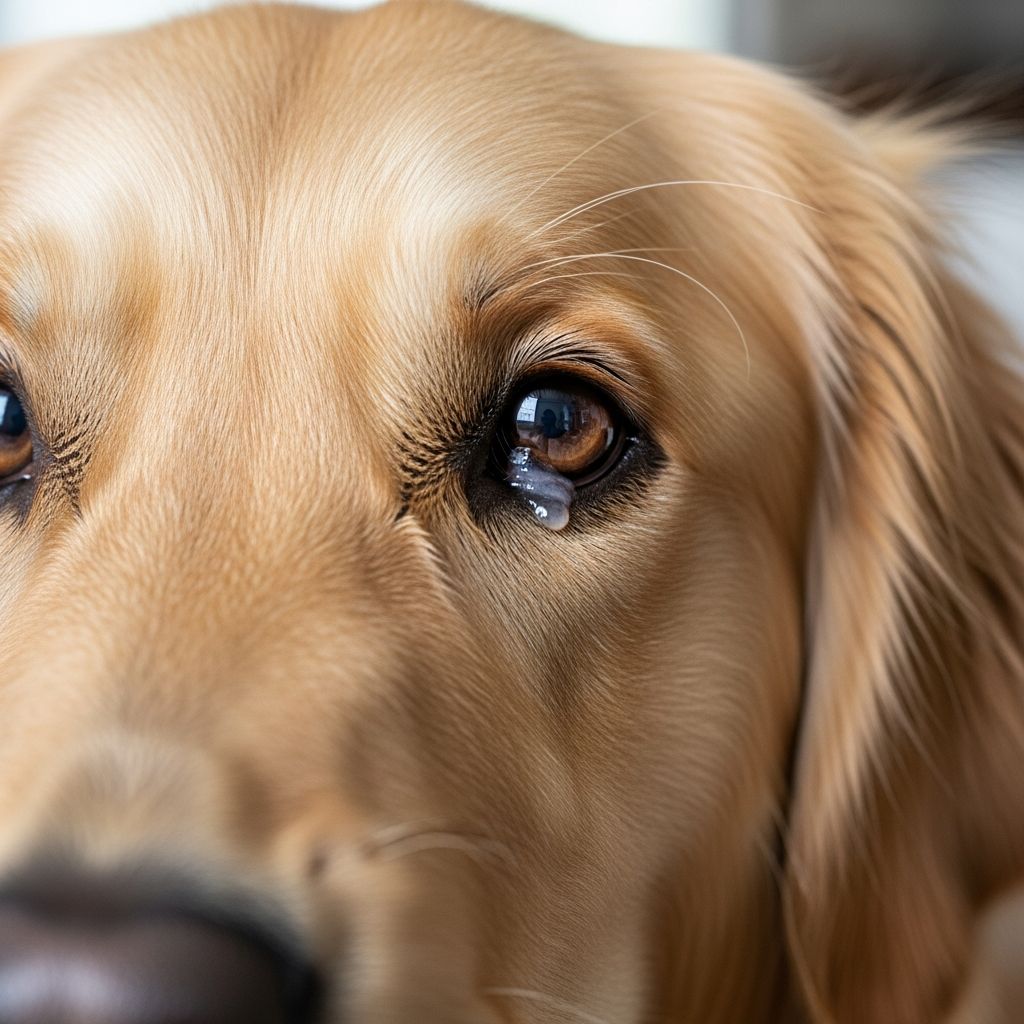
Dog eye discharge is a frequent concern for pet owners, ranging from harmless buildup to indicators of underlying health issues. Recognizing whether it’s normal or requires attention helps maintain your dog’s ocular health and prevents complications like vision loss.
Recognizing Normal vs. Abnormal Discharge
Most dogs produce a small amount of discharge daily, especially after sleep. This
normal discharge
appears as tan or brownish crusts in the inner eye corner, resulting from tears mixing with skin debris and oils. It typically dries into small, easily removable flakes without causing discomfort.Abnormal discharge demands closer inspection. Key signs include:
- Excessive watery tears spilling onto the face.
- Thick white, yellow, green, or bloody mucus.
- Accompanied by redness, swelling, squinting, pawing, or cloudiness.
These symptoms often signal irritation, infection, or structural problems. For instance, yellow-green pus points to bacterial infections, while bloody discharge may indicate trauma.
Common Causes of Eye Discharge in Dogs
Several factors contribute to abnormal eye discharge. Understanding them aids in prompt intervention.
Allergies and Environmental Irritants
Allergies to pollen, dust, mold, or chemicals cause
clear, watery discharge
(epiphora). Dogs may rub eyes or sneeze. Seasonal patterns or exposure to new environments exacerbate this.Infections: Bacterial, Viral, and Conjunctivitis
**Conjunctivitis** (pink eye) inflames the conjunctiva, producing watery to thick yellow-green discharge. Bacterial forms respond to antibiotics; viral ones, like those from distemper, spread easily and include respiratory symptoms. Redness, puffiness, and sticky lids are hallmarks.
Dry Eye (Keratoconjunctivitis Sicca – KCS)
In KCS, tear glands fail, leading to
sticky, mucus-like discharge
. Without lubrication, corneas ulcerate, risking infection. Causes include immune issues, trauma, or distemper.Corneal Issues and Injuries
Ulcers from scratches, foreign objects, or dry eyes cause pain, squinting, and watery or bloody discharge. Deep ulcers may need surgery.
Glaucoma and Tear Duct Problems
**Glaucoma** elevates eye pressure, causing cloudy pupils, swelling, and discharge. It’s an emergency. Blocked ducts lead to overflow tears and staining, common in flat-faced breeds.
Breed-Specific and Anatomical Factors
Breeds like Pugs or Shih Tzus suffer from entropion (inward eyelids), ectropion (outward), or distichia (extra lashes), irritating eyes and causing chronic discharge.
| Type | Color/Consistency | Common Causes |
|---|---|---|
| Normal | Tan crusts | Sleep debris |
| Watery | Clear | Allergies, irritants, blocks |
| Mucoid | White/stringy | Dry eye, inflammation |
| Purulent | Yellow/green | Infections |
| Bloody | Red streaks | Trauma, ulcers |
Symptoms Requiring Immediate Veterinary Attention
Not all discharge needs a vet, but these warrant urgent care:
- Color change to yellow, green, or blood.
- Red, swollen, or cloudy eyes.
- Squinting, pawing, light sensitivity.
- Swollen socket or pupil changes.
- Hair/eyelashes adhering to cornea.
- Discharge from one eye only.
Delay can lead to ulcers, glaucoma progression, or blindness.
Diagnosis Process at the Vet
Vets perform:
- Fluorescein staining for ulcers.
- Tear production tests (Schirmer).
- Pressure checks for glaucoma.
- Tear duct flushing.
- Exam for anatomical defects.
These pinpoint causes for targeted therapy.
Treatment Options for Dog Eye Discharge
Treatments address root causes:
- Medications: Antibiotic/steroid drops for infections/inflammation; cyclosporine/tacrolimus for KCS.
- Lubricants: Artificial tears for dry eye.
- Pain Relief: Anti-inflammatories.
- Surgery: For ulcers, entropion, glaucoma, or duct blocks.
- Grooming: Trim fur, cryotherapy for lashes.
Most respond well, but KCS may need lifelong meds.
Home Care and Prevention Strategies
Support vet care with:
- Cleaning: Warm water/saline wipes daily; avoid human products.
- Environment: Reduce allergens, use air filters.
- Grooming: Keep face fur short, especially brachycephalics.
- Diet: Omega-3s for eye health.
- Monitoring: Weekly eye checks.
Prevent scratches with supervision outdoors.
FAQ
Q: Is tear staining harmful?
A: Staining itself isn’t, but signals blocks or irritants needing address to avoid infections.
Q: Can I use human eye drops?
A: No, they may worsen conditions; consult vet.
Q: How long for treatment results?
A: Infections improve in days; chronic issues like KCS take weeks.
Q: Brachycephalic breeds more prone?
A: Yes, due to anatomy causing chronic irritation.
Q: When is discharge an emergency?
A: With pain, color changes, or vision changes—see vet same day.
Long-Term Management for Chronic Cases
Breeds with predispositions or KCS need ongoing care: daily meds, regular vet checks, and lifestyle adjustments. Early detection preserves vision.
References
- Dog Eye Discharge: Causes and Treatment — Chewy.com. 2023. https://www.chewy.com/education/dog/health-and-wellness/thoroughly-vetted-dog-eye-discharge
- Dog Eye Discharge Causes and Treatment Tips — Reed Animal Hospital. 2024. https://www.reedanimalhospital.com/blog/dog-eye-discharge-normal-vs-abnormal/
- Dog Eye Discharge Causes and Treatments — WebMD Pets. 2023. https://www.webmd.com/pets/dogs/dog-discharge-from-eye
- Eye Discharge (Epiphora) in Dogs — VCA Animal Hospitals. 2024. https://vcahospitals.com/know-your-pet/eye-discharge-or-epiphora-in-dogs
- 5 Types of Dog Eye Discharge and When To Go to the Vet — PetMD. 2024. https://www.petmd.com/dog/general-health/dog-eye-discharge
- Conjunctivitis in dogs: causes, symptoms and treatment — Crofts Vets Surgery. 2023. https://www.croftsvetsurgery.co.uk/pet-help-advice/dogs/434-conjunctivitis-in-dogs-causes-symptoms-and-treatment
Similar Articles








Read full bio of Sneha Tete




