

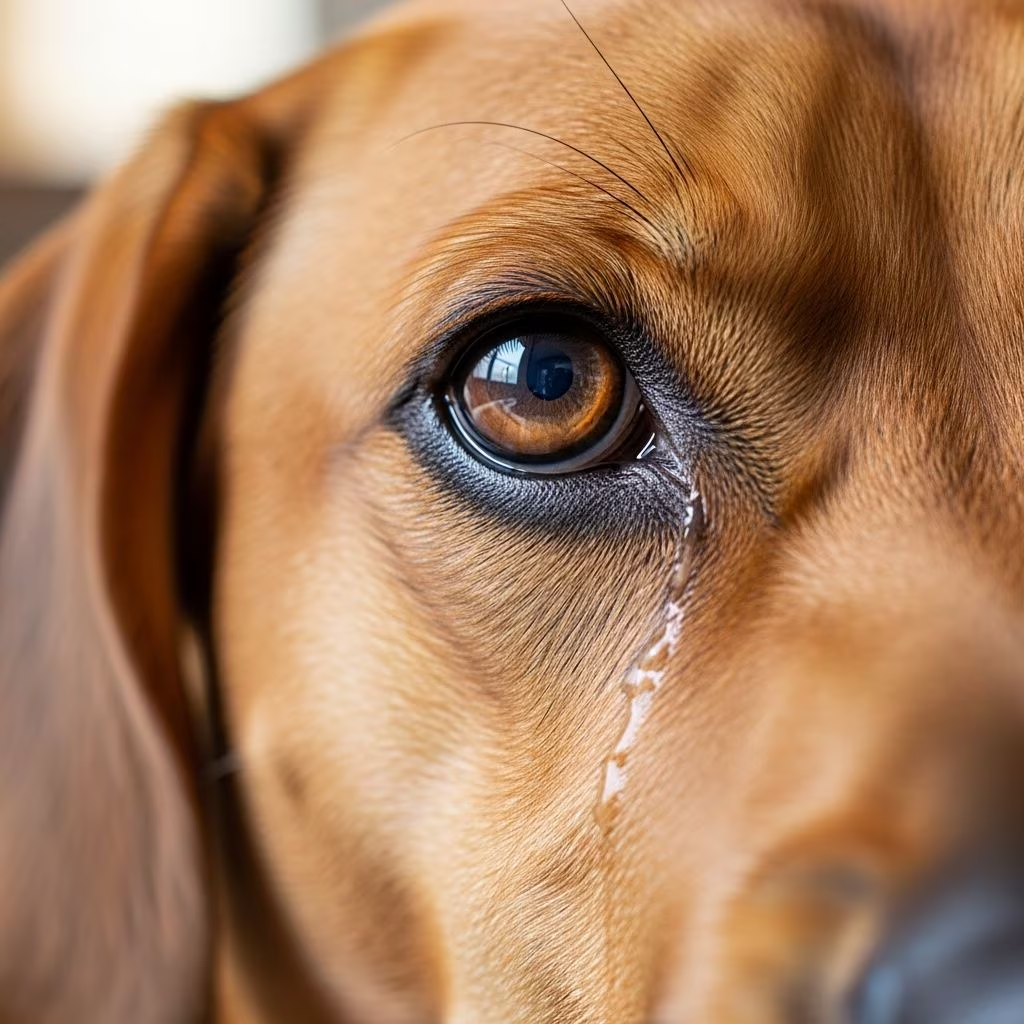
Dog Eye Discharge: Causes and Treatment
Dog eye discharge is a common concern for pet owners, but determining when it’s normal and when it requires veterinary attention can be challenging. While some eye discharge is completely normal and serves important functions like lubrication and protection, excessive discharge or discharge that appears abnormal in color or consistency may indicate an underlying health issue. Understanding the different types of eye discharge, their causes, and appropriate treatment options helps you provide better care for your dog’s eye health.
Understanding Normal vs. Abnormal Eye Discharge
Not all eye discharge in dogs signals a problem. Your dog’s eyes naturally produce tears to keep them moist, healthy, and protected from foreign debris and irritants. This normal tear production helps maintain clear vision and prevents eye infections. However, when discharge becomes excessive, changes color, or develops an odor, it may indicate that something requires attention.
Normal eye discharge typically appears clear to slightly cloudy and may accumulate in the inner corner of the eye, particularly after sleep. This is similar to the “sleep” you notice in your own eyes upon waking. Abnormal discharge, on the other hand, may be yellow, green, brown, or white, and could indicate infection, inflammation, or other complications.
Types of Eye Discharge in Dogs
Identifying the type of eye discharge your dog experiences is the first step toward understanding the potential cause and determining the appropriate course of action.
Clear and Watery Discharge
Clear and watery discharge is one of the most common types of eye discharge in dogs. This type typically results from allergies, environmental irritants such as dust or wind, or mild eye irritation. Clear discharge may also indicate epiphora, which is an overflow of tears from the eyes. This condition occurs when tears don’t drain properly through the tear ducts or when tear production becomes excessive. Many dog owners notice their pet’s face is constantly damp or may even see tears rolling down their dog’s face.
Yellow or Green Discharge
Thick, yellow or green discharge is often a sign of a bacterial eye infection, such as conjunctivitis or other serious eye conditions requiring immediate veterinary attention. This type of discharge typically accompanies other symptoms like eye redness, swelling, or visible discomfort. If your dog is producing yellow or green discharge, contact your veterinarian promptly to prevent the condition from worsening.
Rusty or Brownish Discharge
Rusty or brownish-colored discharge commonly results from tear staining, often caused by blocked tear ducts or breed-specific traits. This discharge may be associated with epiphora and typically appears as a reddish-brown staining of the fur beneath the eyes. While often cosmetic, persistent tear staining warrants veterinary evaluation to rule out underlying tear duct problems.
White or Gray Discharge
White or gray discharge may suggest dry eye, a condition medically known as keratoconjunctivitis sicca (KCS). This condition develops when the eyes don’t produce sufficient tears, leading to dryness, irritation, and potential infection. Dogs with dry eye often experience thick, tenacious discharge along with mucus and inflammation.
Common Causes of Eye Discharge
Understanding the underlying causes of eye discharge helps guide treatment decisions and prevents future occurrences. Several conditions can trigger abnormal eye discharge in dogs.
Allergies
Environmental allergies represent one of the primary causes of eye discharge in dogs.[10] Dogs may develop allergies to pollen, dust mites, mold spores, or other environmental allergens that trigger clear discharge and redness. Seasonal allergies often worsen during specific times of the year when pollen counts are high.
Conjunctivitis (Pink Eye)
Conjunctivitis is one of the more common medical conditions affecting dog eyes. This condition may result from exposure to harmful chemicals, allergens, or various infections. Both viral and bacterial forms exist, with bacterial conjunctivitis typically producing yellow or green discharge and viral conjunctivitis often accompanying upper respiratory symptoms.
Dry Eye (Keratoconjunctivitis Sicca)
Dry eye occurs when the dog’s eyes don’t produce enough tears, leading to dryness, irritation, and infection risks. This condition may develop as a result of certain medications, genetic factors, or following conjunctivitis. Without adequate tear production, the eyelid can scratch the eye surface simply by opening and closing, potentially causing corneal ulcers.
Corneal Ulcers
These can be superficial or deep sores that cause significant pain and discomfort. Corneal ulcers may result from trauma to the cornea, disease, insufficient tear production, foreign objects in the eye, or other injuries. Affected dogs often display red and watery eyes, sensitivity to light, and excessive squinting or pawing at their faces.
Glaucoma
Glaucoma represents a serious eye condition requiring immediate veterinary attention. This condition develops when intraocular pressure becomes abnormally elevated, potentially causing permanent vision loss if left untreated.
Eye Injuries and Foreign Objects
Trauma to the eye, scratches to the cornea, or foreign objects lodged in the eye can trigger discharge and require immediate care. Dogs may experience eye injuries from rough play, accidents, or contact with irritating substances.
Blocked Tear Ducts
When tear ducts become blocked or fail to develop properly, tears cannot drain normally, leading to excessive discharge and staining. Some dog breeds with flat or squished-in faces (brachycephalic breeds) are particularly prone to tear drainage problems because their facial anatomy prevents proper tear film drainage.
Breed-Specific Considerations
Certain dog breeds face higher risks of developing eye discharge issues. Brachycephalic dogs, including Bulldogs, Pugs, and Shih Tzus, often experience tear drainage problems due to their facial structure. In these breeds, the tear film fails to enter the duct and simply rolls off the face. Additionally, long-haired breeds may have hair that physically obstructs the entrance to the tear ducts, contributing to discharge and staining.
When to Contact Your Veterinarian
While some eye discharge is normal, certain signs warrant immediate veterinary attention. Contact your veterinarian if you notice any of the following:
- Your dog’s eyes are red or cloudy
- Your dog is squinting, pawing at their face, or sneezing excessively
- The eyeball or eye socket appears swollen
- You notice a white color in the dog’s pupil or black center of the eye
- Your dog has hair or eyelashes that stick to the eye surface (cornea)
- The discharge is thick, yellow, or green
- The discharge has developed an odor
- You notice signs of skin irritation or infection around the eye area
Diagnosis of Eye Discharge Issues
Your veterinarian will perform a thorough ocular examination to determine the underlying cause of your dog’s eye discharge. The first step involves assessing whether an underlying condition is causing excessive tear production. The examination will pay special attention to the nasolacrimal ducts (tear ducts) and surrounding tissues, looking for signs of inflammation or other abnormalities.
One of the simplest diagnostic tests involves placing a drop of fluorescein stain in the eye, tilting the dog’s head slightly downward, and observing whether the stain appears in the nose. If the drainage system functions normally, the stain should be visible in the nose within a few minutes. This test helps assess whether the tear drainage system is working properly.
Additional diagnostic procedures may include eye pressure measurements, corneal examinations, and imaging studies to fully evaluate the extent of the problem and guide treatment decisions.
Treatment Options for Dog Eye Discharge
Treatment of dog eye discharge varies depending on the diagnosed cause. Your veterinarian will recommend specific treatment options based on the underlying condition.
Medical Treatments
Several pharmaceutical options are available to manage eye discharge:
- Antibiotic drops or ointments for bacterial infections
- Antiviral medications if discharge results from viral infections like canine distemper
- Steroid or immunosuppressant drops or ointments
- Anti-inflammatory eye drops or ointments for conjunctivitis
- Allergy medications or antihistamines to manage allergy-related eye irritation
- Artificial tears and lubricating drops for dry eye conditions
- Pain medications for severe discomfort
Surgical Interventions
When conservative treatments fail or structural abnormalities exist, surgical correction may be necessary. Surgical options include:
- Nasolacrimal duct flushing to clear blocked tear ducts
- Surgical opening of lacrimal puncta that failed to open during development
- Surgical correction of deep corneal ulcers
- Correction of eyelid abnormalities such as entropion or ectropion
- Cataract removal
- Eye pressure control procedures for glaucoma
- Trimming fur away from the eyes and freezing away abnormal eyelashes
Home Care Measures
Beyond professional treatments, several home care strategies can help manage eye discharge:
- Keep the area around the eyes clean and dry
- Remove any discharge buildup regularly
- Trim fur short around the eyes to prevent obstruction of tear ducts
- Clean eyes regularly with a vet-approved solution to remove debris
- Apply cold compresses for certain types of conjunctivitis
- Use daily probiotics, which may be helpful but can take several months to show improvement
Important Precautions
When caring for your dog’s eyes, avoid certain products that could cause damage. Never use products containing hydrogen peroxide near the eyes, as these can cause severe damage if splashed into the eyes. Always consult with your veterinarian before using any product on your dog’s eyes.
Additionally, low doses of certain antibiotics are no longer recommended due to the risk of developing bacterial antibiotic resistance. Short courses of appropriately dosed antibiotics are reserved for severe cases involving secondary skin infections characterized by redness, odor, or discharge.
Prognosis for Dogs with Eye Discharge
The prognosis for eye discharge depends significantly on the underlying cause. If an underlying condition can be identified and treated successfully, the discharge often resolves. However, unless a specific cause is found and addressed, most dogs with epiphora experience intermittent episodes throughout their lives.
For dogs whose facial anatomy prevents adequate tear film drainage, some degree of eye discharge will likely persist despite treatment efforts. In many cases, the discharge may only present a cosmetic concern rather than a medical problem. Your veterinarian will determine the specific treatment options and prognosis for your individual dog based on thorough examination and diagnosis.
Frequently Asked Questions
Q: Is all eye discharge in dogs abnormal?
A: No, not all eye discharge is abnormal. Clear to slightly cloudy discharge is natural and helps keep eyes moist and protected. However, excessive, discolored, or foul-smelling discharge warrants veterinary evaluation.
Q: Can I treat my dog’s eye discharge at home?
A: While you can perform home care measures like keeping the eyes clean and dry, the underlying cause must be diagnosed by a veterinarian. Self-treatment without diagnosis could delay necessary care and worsen the condition.
Q: How quickly should I see a vet about eye discharge?
A: If discharge is accompanied by redness, swelling, cloudiness, or if your dog shows signs of pain, contact your vet immediately. For mild discharge without other symptoms, schedule a routine appointment within a few days.
Q: Are certain dog breeds more prone to eye discharge?
A: Yes, brachycephalic breeds with flat faces and long-haired breeds are more susceptible to eye discharge due to facial structure or hair obstruction of tear ducts.
Q: What can I use to clean my dog’s eyes?
A: Always use a vet-approved eye cleaning solution. Avoid hydrogen peroxide products and other harsh chemicals that could damage the eyes. Consult your veterinarian for specific product recommendations.
Q: How long does treatment for eye discharge typically take?
A: Treatment duration varies depending on the cause. Some conditions resolve within days, while others like dry eye may require ongoing management. Probiotics may take several months to show improvement.
Q: Can eye discharge indicate a serious condition?
A: Yes, discharge can indicate serious conditions like corneal ulcers, glaucoma, or severe infections. Prompt veterinary evaluation is essential to rule out serious problems.
References
- Eye Discharge (Epiphora) in Dogs — VCA Animal Hospitals. 2025. https://vcahospitals.com/know-your-pet/eye-discharge-or-epiphora-in-dogs
- Dog Eye Discharge Causes and Treatment Tips — Reed Animal Hospital. 2025. https://www.reedanimalhospital.com/blog/dog-eye-discharge-normal-vs-abnormal/
- Dog Eye Discharge: Causes and Treatment — Chewy Pet Education. 2025. https://www.chewy.com/education/dog/health-and-wellness/thoroughly-vetted-dog-eye-discharge
- 7 Causes Of Dog Eye Discharge & How To Handle Them — Tractive. 2025. https://tractive.com/blog/en/health/dog-eye-discharge
- Dog Eye Discharge Causes and Treatments — WebMD Pets. 2025. https://www.webmd.com/pets/dogs/dog-discharge-from-eye
- Dog Eye Gunk: What Is It, How to Clean It, and When to Worry — Rover. 2025. https://www.rover.com/uk/blog/reviews/dog-eye-gunk-what-is-it/



