

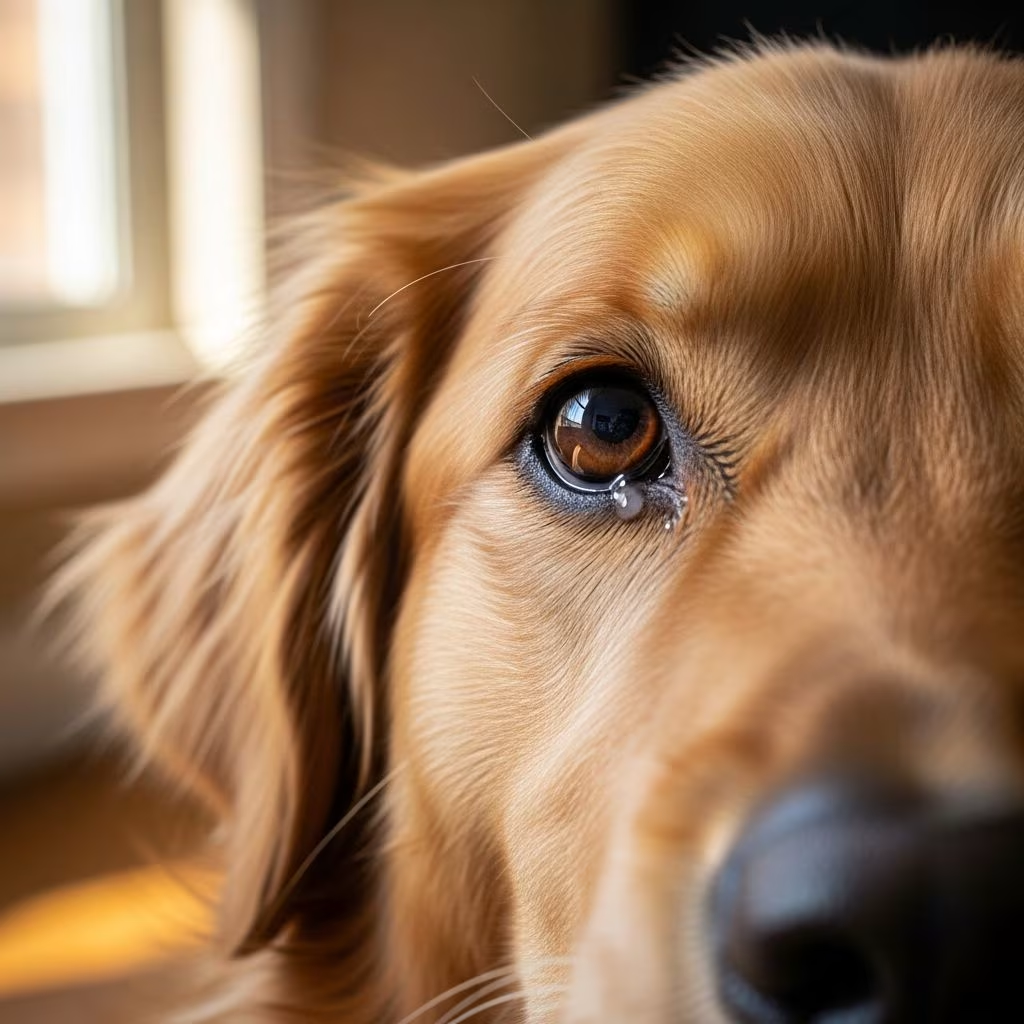
Eye discharge in dogs is one of the most common concerns pet owners bring to their veterinarian. While some eye moisture is completely normal and healthy, excessive or discolored discharge can indicate underlying health issues that require attention. Understanding what constitutes normal versus abnormal eye discharge is crucial for maintaining your dog’s ocular health and preventing complications that could affect their vision.
What Counts as Normal Eye Moisture in Dogs
Dogs naturally produce tears and eye moisture to keep their eyes lubricated and protect the cornea. A small amount of clear to slightly whitish discharge, particularly in the morning, is entirely normal in most dogs. This natural eye gunk serves important protective functions and is not a cause for concern. However, certain breeds are more prone to visible tear staining around the eyes due to genetic and anatomical factors.
The amount of normal eye discharge can vary between individual dogs based on their breed, age, and environment. Some dogs simply produce more tears than others, which is perfectly healthy. It only becomes problematic when the discharge changes in color, consistency, or volume in ways that suggest an underlying condition.
Identifying Different Types of Eye Discharge
The color and consistency of your dog’s eye discharge provide valuable clues about what might be happening. Learning to distinguish between different types can help you determine whether a veterinary visit is necessary.
Clear and Watery Discharge
Clear and watery discharge is typically the least concerning type and often indicates minor irritation. This type of discharge usually results from environmental factors such as dust, pollen, or wind exposure. Allergies are another common cause of watery eye discharge, particularly during certain seasons when pollen counts are high. In most cases, clear watery discharge resolves on its own once the irritant is removed from the environment.
Yellowish or Greenish Discharge
Thick, yellow or green discharge represents a significant warning sign that demands immediate veterinary attention. This discolored discharge typically indicates a bacterial or viral eye infection, such as conjunctivitis. The presence of pus-like material suggests that an infection has taken hold and your dog requires professional treatment to prevent the condition from worsening. Yellow-green discharge is often accompanied by additional symptoms like eye redness, swelling, and discomfort.
Rusty or Brownish Discharge
Rusty or brownish-colored discharge commonly appears as tear staining and is frequently associated with blocked tear ducts or breed-specific traits. Some dog breeds, particularly those with shorter muzzles or structural facial features, are genetically predisposed to tear staining. While often cosmetic in nature, persistent tear staining can sometimes indicate an underlying duct obstruction that may benefit from veterinary evaluation.
White or Gray Discharge
White or gray discharge may suggest dry eye syndrome, a condition where the eyes fail to produce adequate tears for proper lubrication. This thick, sticky discharge is the eye’s attempt to compensate for insufficient tear production. Dry eye creates a challenging situation because without proper lubrication, the cornea becomes vulnerable to damage and infection.
Primary Causes of Abnormal Eye Discharge
When your dog develops abnormal eye discharge, identifying the underlying cause is essential for effective treatment. Multiple conditions can trigger excessive or discolored discharge, each requiring different approaches to management.
Infections and Conjunctivitis
Conjunctivitis, commonly known as pink eye, represents one of the most frequent causes of abnormal eye discharge in dogs. This inflammation of the conjunctiva—the tissue lining the eyelids and covering the white of the eye—can result from bacterial, viral, or allergic triggers. Bacterial conjunctivitis spreads relatively easily between dogs and typically produces stringy, yellow-green discharge along with redness and puffy eyelids. Viral conjunctivitis, while also contagious, may develop more slowly and can take up to three weeks to fully resolve.
Dry Eye Syndrome
Keratoconjunctivitis Sicca, or dry eye syndrome, occurs when tear-producing glands fail to generate sufficient moisture. This condition often stems from autoimmune issues where the dog’s own immune system attacks tear-producing tissue. Without adequate tears for lubrication, mucus production increases in a futile attempt to compensate. Unfortunately, mucus cannot perform the protective functions that tears provide, leading to inflammation and increased infection risk.
Corneal Ulcers and Injuries
Wounds to the corneal surface can develop from traumatic injury, foreign objects, or underlying eye diseases. Corneal ulcers range from superficial scratches to deep, painful sores that require immediate treatment. These injuries cause red and watery eyes, sensitivity to light, excessive blinking, and discharge. Without proper treatment, corneal ulcers can progress to serious complications affecting vision.
Allergic Reactions
Environmental and food-related allergies frequently trigger eye discharge in dogs. Pollen, dust, mold spores, and other allergens can irritate the eyes and prompt excessive tearing. Some dogs also develop eye discharge in response to food allergies, though this is less common than environmental triggers.
Blocked Tear Ducts
The tear drainage system can become obstructed by debris, inflammation, or structural abnormalities. When tears cannot drain properly through the ducts, they accumulate in the eyes and spill over onto the face, creating the characteristic tear staining. Blocked ducts can lead to secondary infections if not addressed.
Additional Contributing Factors
Other conditions that can cause abnormal eye discharge include glaucoma, which involves elevated pressure within the eye; abnormal eyelashes growing inward toward the cornea; eye injuries from accidents or fights; and genetic conditions like Progressive Retinal Atrophy that gradually damage vision.
When to Seek Veterinary Care
Knowing when home observation is sufficient and when professional evaluation is necessary helps protect your dog’s eye health. Contact your veterinarian if you notice any of the following warning signs:
- Discharge that is green, yellow, white, or red in color
- Excessive tearing so profuse it appears the dog is crying with visible fur staining
- Eye redness or cloudiness affecting one or both eyes
- Squinting, pawing at the face, or excessive sneezing
- Swelling of the eyeball, eye socket, or third eyelid
- A white coloration appearing in the pupil
- Eyelashes or fur that stick to the corneal surface
- Any signs of eye pain or discomfort
- Discharge that persists beyond a few days
It is particularly important not to attempt self-diagnosis and treatment of eye conditions, as medications appropriate for one condition may worsen another. A veterinarian can properly identify the underlying cause and prescribe the correct treatment approach.
Treatment Approaches for Eye Discharge
Treatment varies significantly depending on the underlying cause. Your veterinarian will recommend an approach tailored to your dog’s specific condition.
Medicinal Treatments
Antibiotic eye drops or ointments address bacterial infections and help prevent secondary infections. For viral infections like canine distemper, antiviral medications may be prescribed alongside supportive care such as artificial tears and cold compresses. Anti-inflammatory eye drops or ointments reduce swelling and discomfort associated with conjunctivitis and other inflammatory conditions. Antihistamines or systemic allergy medications help manage discharge caused by environmental or food allergies. Artificial tears and lubricating drops provide relief for dry eye syndrome and help restore proper corneal protection.
Supportive Care and Hygiene
Regular eye cleaning with veterinarian-approved solutions removes debris and prevents buildup that could worsen infection. Gently wiping away discharge with a clean, damp cloth helps maintain comfort and prevents fur matting around the eyes. In cases of excessive tearing, keeping the surrounding fur trimmed short can improve visibility and reduce skin irritation from prolonged moisture exposure.
Surgical Interventions
When discharge results from structural abnormalities or anatomical problems that cannot be corrected with medication, surgical options may be necessary. Procedures can address blocked tear ducts, eyelid malformations, abnormal eyelashes, corneal ulcers that do not respond to medical treatment, and other anatomical issues. Your veterinarian will thoroughly discuss surgical options and expected outcomes before proceeding.
Managing Different Types of Discharge at Home
| Discharge Type | Likely Cause | Home Care Approach | Veterinary Care Needed |
|---|---|---|---|
| Clear, watery | Allergies, irritants | Remove irritant, gentle wiping | If persistent beyond 3-5 days |
| Yellow or green | Bacterial infection | Do not delay treatment | Immediate examination required |
| Brown/rusty staining | Blocked ducts, breed traits | Regular cleaning around eyes | If accompanied by other symptoms |
| Thick, sticky mucus | Dry eye syndrome | Artificial tears, avoid irritants | Professional evaluation essential |
While minor clear discharge may resolve with simple home care, colored or persistent discharge always warrants professional evaluation. Do not attempt to treat discolored discharge with over-the-counter products without veterinary guidance.
Prevention and Long-term Eye Health
Maintaining your dog’s eye health involves regular observation and preventive measures. Schedule routine veterinary checkups that include eye examinations, particularly for breeds predisposed to eye problems. Keep your dog’s face clean and dry, especially around the eyes, to prevent infection and irritation. Minimize exposure to known irritants like smoke, strong chemicals, and excessive dust. Maintain proper hygiene if your dog is recovering from an eye condition, and follow all veterinary instructions regarding medication administration.
For dogs with chronic eye conditions like dry eye or recurrent conjunctivitis, consistent home care and medication compliance are essential for managing symptoms and preventing complications. Regular follow-up appointments allow your veterinarian to monitor progress and adjust treatment as needed.
Frequently Asked Questions
Is some eye discharge normal in all dogs?
Yes, small amounts of clear to whitish discharge are normal in most dogs. However, the amount varies between individuals based on breed, age, and personal factors. Any change in discharge color, consistency, or volume warrants evaluation.
Can I use human eye drops for my dog?
Never use human eye medications or drops for your dog without veterinary approval. Human formulations may contain ingredients harmful to dogs, and using the wrong medication can worsen the underlying condition.
How long does it take for eye discharge to resolve?
Resolution time depends entirely on the underlying cause. Viral conjunctivitis may take up to three weeks, while bacterial infections typically improve within one to two weeks of appropriate antibiotic treatment. Chronic conditions like dry eye require ongoing management.
Is eye discharge contagious between dogs?
Discharge caused by bacterial or viral conjunctivitis spreads easily between dogs. Keep affected dogs separated from others until a veterinarian confirms the condition is treated and no longer contagious.
What should I do if my dog’s discharge suddenly worsens?
Sudden worsening of discharge indicates progression that requires immediate veterinary attention. Do not delay scheduling an appointment, as complications can develop rapidly with eye conditions.
References
- Dog Eye Discharge Causes and Treatment Tips — Reed Animal Hospital. Accessed January 2026. https://www.reedanimalhospital.com/blog/dog-eye-discharge-normal-vs-abnormal/
- Dog Eye Discharge: Causes and Treatment — Chewy Education. Accessed January 2026. https://www.chewy.com/education/dog/health-and-wellness/thoroughly-vetted-dog-eye-discharge
- 7 Causes Of Dog Eye Discharge & How To Handle Them — Tractive. Accessed January 2026. https://tractive.com/blog/en/health/dog-eye-discharge
- Dog Eye Discharge Causes and Treatments — WebMD Pets. Accessed January 2026. https://www.webmd.com/pets/dogs/dog-discharge-from-eye
- Dog Eye Gunk: What Is It, How to Clean It, and When to Worry — Rover. Accessed January 2026. https://www.rover.com/uk/blog/reviews/dog-eye-gunk-what-is-it/
- Dog Eye Care 101: How to Clean Dog Eye Boogers — Spark Paws. Accessed January 2026. https://www.sparkpaws.de/blogs/community/how-to-clean-dog-eye-boogers



