

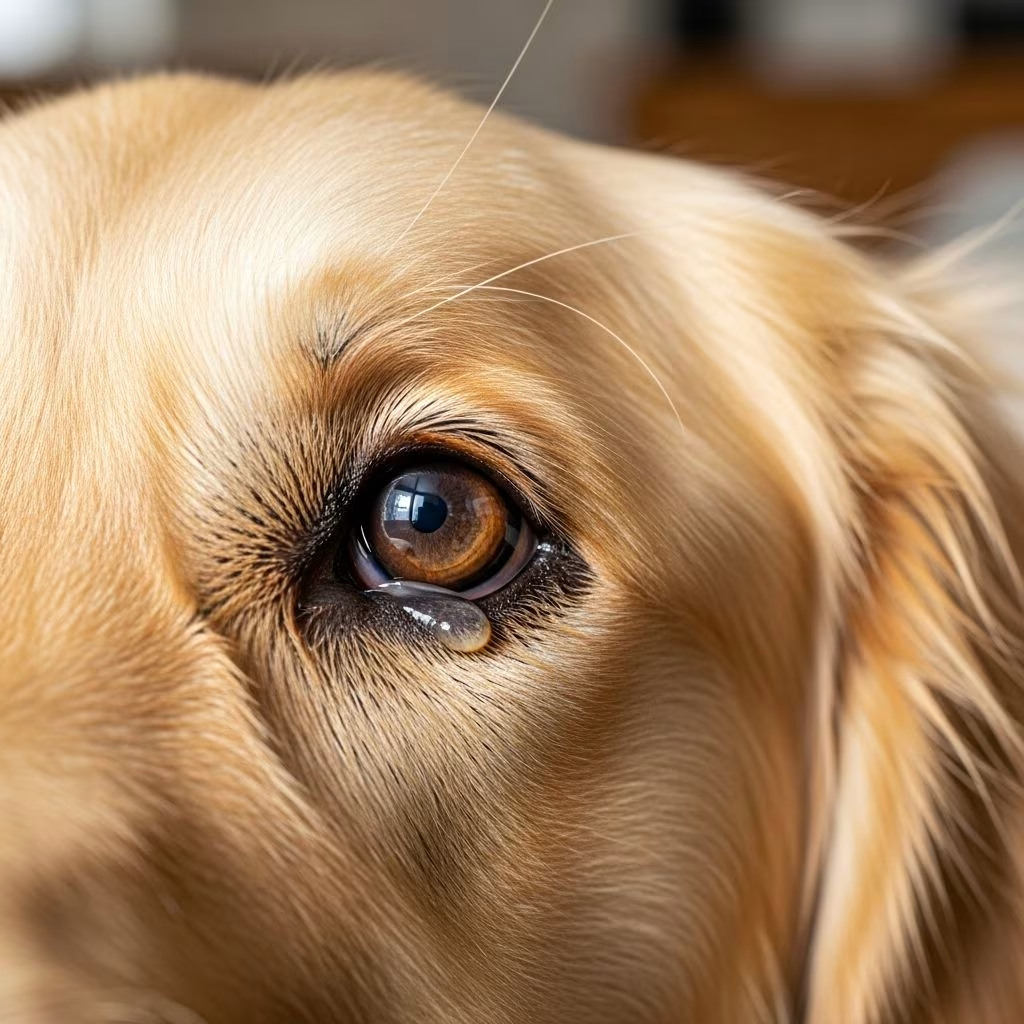
Dog eye discharge, often called eye boogers or gunk, is a common issue where mucus, tears, or debris accumulate around the eyes. While small amounts are normal, excessive or colored discharge signals potential health problems requiring attention.
Understanding Normal vs. Abnormal Discharge
Dogs naturally produce tears to lubricate and protect their eyes, which mix with dust and dry out overnight, forming crusty buildup. Clear or slightly whitish discharge in minimal quantities is typical, especially after sleep. Abnormal signs include thick yellow, green, or reddish discharge, accompanied by redness, swelling, squinting, or pawing at the eyes, indicating infection or irritation.
Primary Causes of Eye Discharge in Dogs
Several factors contribute to eye gunk. Identifying the root cause is essential for proper management.
- Infections: Bacterial or viral culprits like conjunctivitis (pink eye) lead to pus-like discharge. Bacterial types involve strep or staph, while viral ones may coincide with respiratory symptoms.
- Allergies: Pollen, dust mites, mold, or household irritants trigger watery eyes and clear discharge. Seasonal flares are common in sensitive dogs.
- Breed Predispositions: Flat-faced (brachycephalic) breeds such as Bulldogs, Shih Tzus, and Pugs have shallow eye sockets and short noses, impeding tear drainage and causing constant tearing.
- Dry Eye (Keratoconjunctivitis Sicca – KCS): Insufficient tear production leads to thick, sticky mucus as eyes compensate. Often genetic or medication-induced.
- Corneal Ulcers: Scratches or wounds on the eye surface from trauma, foreign objects, or dryness cause pain, cloudiness, and heavy discharge.
- Blocked Tear Ducts: Anatomical blockages prevent proper drainage, resulting in overflow tears that stain fur and foster infections.
- Glaucoma: Elevated eye pressure bulges the eyeball, causing cloudy appearance and tearing alongside severe pain.
- Other Issues: Eyelid abnormalities (entropion/ectropion), ingrown lashes, or tumors irritate the cornea, prompting discharge.
Safe Cleaning Techniques for Your Dog’s Eyes
Regular gentle cleaning prevents buildup and secondary infections. Use a soft, damp cloth or vet-approved saline solution warmed to body temperature. Wipe from inner to outer eye corner to avoid pushing debris inward. Do this daily for breeds with facial folds.
| Method | Steps | Frequency |
|---|---|---|
| Cloth Wipe | Moisten clean cloth with warm water or saline; gently wipe discharge; pat dry. | Daily or as needed |
| Eye Wash | Apply 2-3 drops sterile saline; let dog blink to flush; wipe excess. | 1-2 times daily |
| Commercial Wipes | Use pet-safe, fragrance-free wipes; single-use per eye. | After outdoor play |
Avoid human products like baby wipes or tap water, which may contain irritants. Never use cotton swabs near the eye.
Diagnostic Steps at the Vet
Veterinarians start with a physical exam, using fluorescein dye to detect ulcers or a Schirmer tear test for dry eye. Swabs identify bacteria/viruses, while allergy tests pinpoint environmental triggers. Advanced imaging like ultrasound or MRI checks for structural issues.
Treatment Options by Condition
Treatments target the underlying issue for effective relief.
- Bacterial Infections: Antibiotic ointments or drops, applied 3-4 times daily for 7-10 days.
- Viral Conjunctivitis: Supportive care with artificial tears and cold compresses; resolves in 1-3 weeks.
- Allergies: Antihistamines, anti-inflammatory drops, or steroids; identify and remove allergens.
- Dry Eye: Cyclosporine or tacrolimus drops to boost tears, plus lubricants.
- Ulcers/Glaucoma: Pain meds, antibiotics, pressure-lowering drugs; surgery if severe.
- Blockages/Entropion: Flushing, stents, or corrective surgery.
Follow-up visits ensure healing; incomplete treatment risks recurrence or vision loss.
Prevention Strategies for Healthy Eyes
Proactive steps minimize discharge risks.
- Keep living areas dust-free; use HEPA filters for allergens.
- Trim facial hair around eyes, especially in long-coated breeds.
- Avoid smoke, strong cleaners, and irritants.
- Regular vet checkups for early detection in predisposed breeds.
- Maintain diet with omega-3s for eye lubrication.
When to Seek Immediate Veterinary Care
Rush to the vet if discharge persists >48 hours, changes color, or pairs with cloudiness, light sensitivity, bulging eyes, or behavioral changes like lethargy. Delays can lead to permanent damage.
Frequently Asked Questions (FAQs)
Is dog eye discharge always a sign of infection?
No, it can stem from normal tear drying, allergies, or anatomy, but colored discharge often indicates infection.
Can I use human eye drops on my dog?
No, they may worsen issues; always use vet-prescribed products.
How do flat-faced breeds manage eye gunk?
Daily cleaning and monitoring are crucial; surgery may correct drainage problems.
What home remedies soothe irritated eyes?
Cool compresses and saline rinses provide temporary relief; vet care is needed for causes.
Does diet affect eye health?
Yes, antioxidants and fatty acids support tear production and reduce inflammation.
This comprehensive approach ensures your dog’s eyes stay bright and comfortable. Monitor closely and consult professionals for tailored advice.
References
- 7 Causes Of Dog Eye Discharge & How To Handle Them — Tractive. 2023. https://tractive.com/blog/en/health/dog-eye-discharge
- Dog Eye Infection – Causes & Treatments — VSCOT. 2021-05-17. https://www.vscot.com/site/blog/2021/05/17/dog-eye-infection
- Dog Eye Discharge Causes and Treatments — WebMD. N/A. https://www.webmd.com/pets/dogs/dog-discharge-from-eye
- 5 Types of Dog Eye Discharge and When To Go to the Vet — PetMD. N/A. https://www.petmd.com/dog/general-health/dog-eye-discharge
- Dog Eye Infection – Causes & Treatments — Mill Plain Veterinary Clinic. 2024-07-15. https://www.millplainvet.com/site/blog/2024/07/15/dog-eye-infection
- Dog Eye Gunk: What Is It, How to Clean It, and When to Worry — Rover. N/A. https://www.rover.com/uk/blog/reviews/dog-eye-gunk-what-is-it/
- Eye Discharge In Dogs — Animal Eye Guys. 2023-01-21. https://www.animaleyeguys.com/site/blog/2023/01/21/eye-discharge-dogs



