

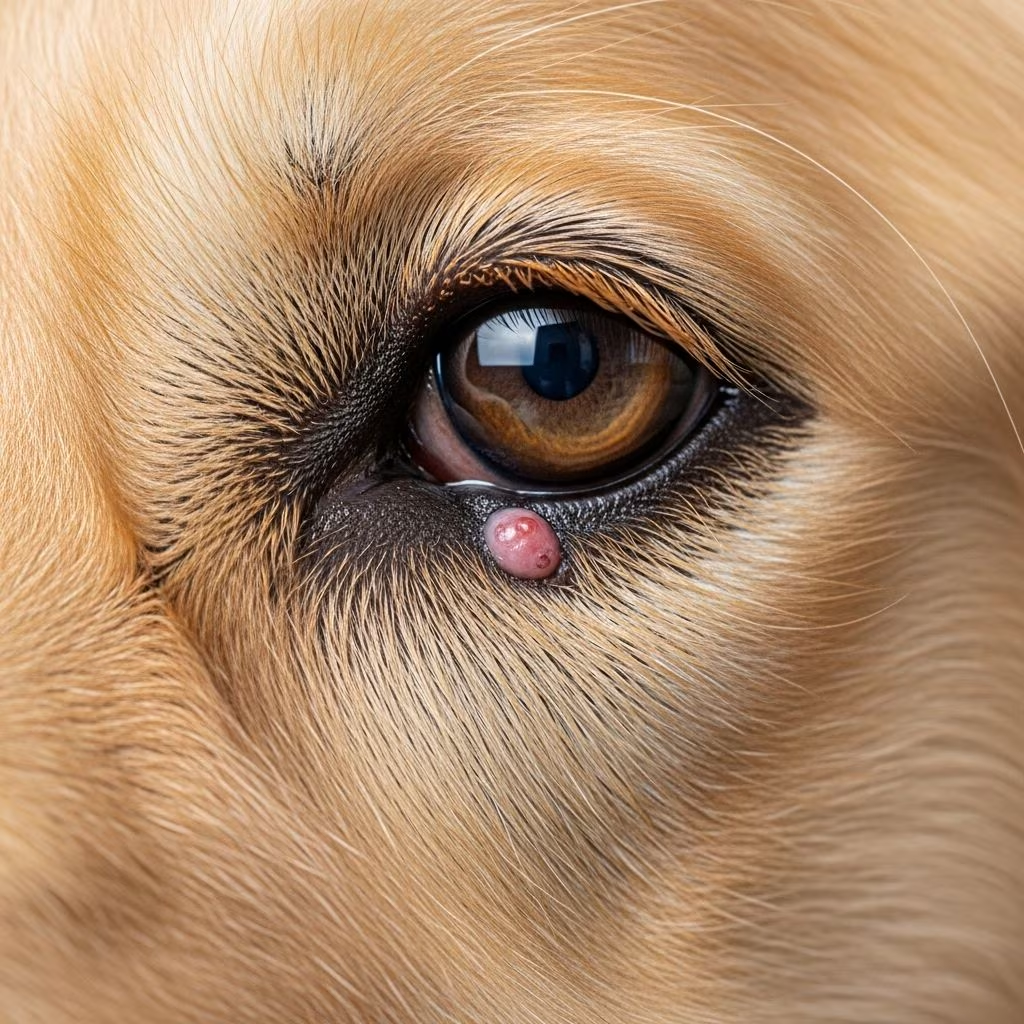
Eyelid bumps on dogs are frequent discoveries that pet owners notice, often sparking concern about their furry companion’s vision and comfort. These growths can stem from simple blockages in oil glands to more complex tumors, but most are manageable with timely veterinary care. Understanding the variety of causes helps owners respond appropriately without undue panic.
Recognizing Abnormal Growths Around Your Dog’s Eyes
Spotting a protrusion on your dog’s eyelid requires keen observation. Common indicators include a small, firm swelling along the lid’s edge, sometimes accompanied by redness or mild discharge. Dogs might paw at the area or squint more than usual, signaling discomfort. In many cases, these bumps arise from the meibomian glands, which line the eyelids and secrete oils to keep eyes lubricated. When these glands clog, a cyst forms, creating a visible lump without immediate pain.
Not all growths look the same. Some appear as smooth, whitish nodules, while others are pigmented or irregular. A key concern emerges when the bump rubs against the cornea, potentially leading to ulcers that cloud vision if ignored. Early detection through regular grooming sessions can prevent escalation.
Primary Culprits Behind Eyelid Swellings
Several conditions contribute to these eye-area anomalies. Here’s a breakdown of the most prevalent types:
- Meibomian Gland Cysts (Chalazia): These develop from blocked ducts where oil and debris accumulate, causing inflammation. They’re typically benign and non-painful, presenting as firm, rounded masses.
- Meibomian Gland Tumors: More common in older dogs, these can be adenomas (benign) or adenocarcinomas (malignant). They often show as raised, oily-feeling lumps.
- Papillomas: Viral-induced growths resembling cauliflower, frequent in younger dogs. They may regress naturally but can irritate if persistent.
- Melanomas: Dark-pigmented masses that demand quick evaluation due to higher malignancy risk, especially on inner eyelid surfaces.
- Styes or Abscesses: Infection-related, these pus-filled bumps cause redness and tenderness from bacterial invasion.
Research from veterinary studies indicates about 75% of such eyelid neoplasms are non-cancerous, offering reassurance yet underscoring the need for professional assessment. Factors like age, breed (e.g., older breeds prone to gland issues), and unknown genetics play roles, though exact triggers for tumors remain multifactorial.
Associated Symptoms That Signal a Vet Visit
Beyond the bump itself, watch for companion signs like excessive tearing, cloudiness in the eye, or bleeding from the mass. Frequent rubbing can worsen irritation, leading to secondary infections or corneal scratches. Breeds with prominent eyes, such as Pugs or Bulldogs, face heightened risks due to anatomical vulnerabilities.
| Symptom | Possible Implication | Urgency Level |
|---|---|---|
| Redness and swelling | Inflammation or infection | Moderate |
| Squinting or pawing | Discomfort or corneal irritation | High |
| Discharge or bleeding | Possible ulcer or malignancy | Immediate |
| Growth in size | Progressive tumor | High |
This table highlights patterns to monitor, aiding owners in prioritizing care.
Veterinary Diagnostic Approaches
Diagnosis starts with a thorough history review and physical exam. Vets inspect the lump’s size, texture, and location, often using fluorescein dye to check for corneal damage—a glowing stain reveals ulcers under blue light. For ambiguous cases, fine-needle aspiration or biopsy provides cellular analysis to differentiate benign from cancerous.
Imaging like chest X-rays rules out metastasis in suspicious tumors. Ophthalmic tools magnify the area, confirming if the growth disrupts tear film or gland function. These steps ensure accurate classification without invasive measures initially.
Treatment Options Tailored to the Condition
Treatment varies by type and severity. Conservative approaches suit minor issues, while surgery addresses persistent or risky growths.
Non-Surgical Interventions
- Topical Medications: Antibiotic or anti-inflammatory ointments combat infection and swelling, often resolving chalazia.
- Warm Compresses: Applied 5-15 minutes several times daily, these soften blockages and promote drainage. Gently massage post-compress for best results.
- Oral Anti-Inflammatories: Reduce systemic inflammation, avoiding surgery in responsive cases.
Surgical and Advanced Therapies
For growths irritating the eye or confirmed malignant, excision is standard. Eyelid surgery reconstructs the margin post-removal, preserving function with minimal scarring. Cryotherapy freezes small masses with liquid nitrogen, effective for benign tumors. Laser ablation offers precision for delicate areas.
In advanced melanoma cases, chemotherapy or radiation targets spread, though local control via surgery remains primary. Enucleation (eye removal) is rare, reserved for irreversible globe damage.
Post-op care includes e-collars to prevent rubbing, medicated drops, and follow-ups to monitor healing.
Home Management and Prevention Strategies
While awaiting vet care, avoid home remedies like human drops, which can harm canine eyes. Keep the area clean with vet-approved saline. Long-term, maintain eye hygiene through breed-specific grooming and a nutrient-rich diet supporting skin health.
Regular vet check-ups catch issues early. Breeds prone to eyelid entropion (in-rolling lids) benefit from proactive screening.
When to Worry: Red Flags for Emergency Care
Rush to the vet if the bump ulcerates, bleeds profusely, or blinds one eye rapidly. Vision loss from untreated corneal ulcers progresses quickly.
FAQs on Dog Eyelid Bumps
Are most eyelid bumps in dogs cancerous?
No, studies show around 75% are benign, like adenomas or cysts, but all warrant checking.
Can I treat a chalazion at home?
Warm compresses help under vet guidance, but persistent cases need professional drainage or meds.
How long does recovery take after eyelid surgery?
Typically 1-2 weeks with stitches dissolving naturally; full function returns soon.
Do puppies get eye bumps?
Yes, viral papillomas are common in young dogs and often self-resolve.
Can diet prevent these growths?
A balanced diet supports gland health, potentially reducing blockages, though genetics factor heavily.
Long-Term Outlook and Prognosis
Benign bumps carry excellent prognoses post-treatment, with low recurrence if fully excised. Malignant cases depend on early detection; localized melanomas respond well to surgery. Owners report dogs resuming normal activities swiftly, emphasizing prompt action’s value.
By staying vigilant, you safeguard your dog’s sight and quality of life. Consult your vet for personalized advice tailored to your pet’s needs.
References
- Eyelid Bumps and Lumps in Dogs: Causes, Types, and Treatment — Total.Vet. 2023. https://total.vet/dog-eyelid-lump/
- Eyelid Bumps on Dogs — Ollie Blog. 2023. https://blog.myollie.com/eyelid-bumps-on-dogs/
- What to do if your dog has a white bump on their eyelid — Vetster. 2024. https://vetster.com/en/wellness/what-to-do-if-your-dog-has-a-white-bump-on-their-eyelid
- Eyelid growths/lumps on dogs eyelids — PDSA. 2023. https://www.pdsa.org.uk/pet-help-and-advice/pet-health-hub/symptoms/eyelid-growthslumps-on-dogs-eyelids
- Blepharitis in Dogs — VCA Animal Hospitals. 2024. https://vcahospitals.com/know-your-pet/blepharitis-in-dogs



